Protecting your ears is more important than you might think. If you use ear plugs regularly, especially for long hours, you want to make sure you’re doing it right.
Using ear plugs the wrong way can cause discomfort or even harm your ears over time. But don’t worry—this guide will help you get the most out of your ear plugs while keeping your ears safe and comfortable. Keep reading to discover simple, effective tips that will make a big difference in your ear care routine.
Your ears will thank you!

Credit: www.amazon.com
Choosing The Right Ear Plugs
Using ear plugs helps protect your ears from loud noises over time. Choosing the right ones keeps you comfortable and safe.
There are many types and materials. Knowing these can help you pick the best ear plugs for your needs.
Types Of Ear Plugs
Ear plugs come in different styles. Each type fits differently and offers various levels of protection.
- Foam ear plugs expand to fit your ear canal.
- Silicone ear plugs mold to your ear shape.
- Wax ear plugs soften and form a seal around the ear.
- Custom ear plugs are made to fit your ears exactly.
Material Considerations
Material affects comfort and durability. Choose a material that suits your skin and use time.
- Foam is soft and disposable but may irritate sensitive skin.
- Silicone is reusable and easy to clean.
- Wax molds well but can be sticky and less durable.
- Custom materials vary but offer the best fit and comfort.
Noise Reduction Ratings
The Noise Reduction Rating (NRR) shows how much sound ear plugs block. Higher numbers mean more protection.
| NRR Level | Use Case |
|---|---|
| 15-20 dB | Low noise, like office or quiet work |
| 20-30 dB | Moderate noise, such as concerts or power tools |
| 30+ dB | High noise, like construction or shooting ranges |
Credit: otifleks.com
Proper Insertion Techniques
Using ear plugs correctly protects your ears from loud noises over time. Proper insertion helps avoid discomfort and ensures they work well.
Follow simple steps to prepare your ears, insert plugs carefully, and check they fit securely. This will keep your ears safe all day.
Preparing Your Ears
Clean your hands and ears before inserting ear plugs. Dirt or wax can block the plug and reduce its effectiveness.
- Wash your hands with soap and water
- Dry your ears gently with a clean towel
- Check for earwax buildup and clean if needed
Step-by-step Insertion
Insert ear plugs carefully to avoid damage and ensure comfort. Follow these simple steps for a proper fit.
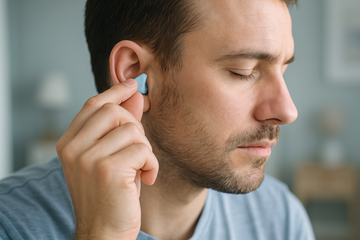
- Roll the ear plug into a small, crease-free cylinder
- Reach over your head with the opposite hand and gently pull your ear upward
- Insert the rolled plug deep into your ear canal
- Hold the plug in place until it expands to fill the ear canal
Ensuring A Secure Fit
A secure fit keeps ear plugs in place and blocks noise well. Check the fit each time you wear them.
| Fit Check | What to Do |
|---|---|
| Ear plug feels loose | Remove and reinsert using proper steps |
| Noise is still loud | Push plug deeper or try a new pair |
| Ear feels uncomfortable | Adjust plug or use a smaller size |
| Plug falls out often | Try a different style or size |
Maintaining Ear Plug Hygiene
Using ear plugs regularly helps protect your ears from loud noises. Keeping them clean stops germs and infections.
Good hygiene makes ear plugs last longer and keeps your ears healthy.
Cleaning Reusable Ear Plugs
Wash reusable ear plugs with mild soap and warm water. Avoid harsh chemicals that can damage the material.
Dry them completely before using or storing to stop bacteria growth.
- Use a soft cloth or your fingers to clean
- Rinse well to remove all soap
- Air dry on a clean surface
Storage Tips
Store ear plugs in a clean, dry case to keep dust and dirt away. Avoid leaving them out in open air.
Keep the storage case away from heat and direct sunlight to prevent damage.
- Use a small plastic or metal case
- Keep the case clean by wiping it regularly
- Store in a cool, dry place
When To Replace Ear Plugs
Replace ear plugs if they show signs of wear or lose their shape. Old plugs may not protect your ears well.
Throw away disposable ear plugs after one use to avoid infections.
- Replace reusable plugs every few months
- Dispose of disposable plugs after one use
- Check plugs regularly for cracks or hardening
Maximizing Comfort For Extended Use
Wearing ear plugs for a long time can cause discomfort. It is important to find ways to keep your ears comfortable. This helps protect your hearing without pain.
Here are some tips to make wearing ear plugs easier for long hours. Focus on comfort to avoid irritation and ear fatigue.
Choosing Comfortable Materials
Ear plugs come in many materials like foam, silicone, and wax. Some materials feel softer and less irritating on your skin. Pick ear plugs made from gentle materials to avoid soreness.
Soft foam ear plugs often work well for long use. Silicone plugs can be cleaned and reused. Wax plugs mold to your ear shape for a close fit.
- Soft foam reduces pressure inside the ear
- Silicone is flexible and easy to clean
- Wax molds to your ear for a custom feel
- Avoid hard plastics that can cause pain
Adjusting Fit Throughout The Day
Your ears may change shape slightly during the day. This can make ear plugs feel tight or loose. Check the fit often to stay comfortable.
Remove and reinsert ear plugs if they feel too tight. Gently adjust their position to reduce pressure points. Do this carefully to keep your ears safe.
- Check ear plugs every few hours
- Remove plugs if pain or itching starts
- Reinsert plugs gently to avoid damage
- Try different sizes or shapes if needed
Managing Ear Fatigue
Wearing ear plugs for a long time can cause ear fatigue. This happens when your ears feel tired or sore. Take breaks to help your ears rest.
Use short breaks to remove ear plugs and let your ears breathe. Clean your ear plugs regularly to avoid irritation. This keeps your ears healthy and comfortable.
- Take 5-10 minute breaks every few hours
- Clean ear plugs after each use
- Massage around your ears to ease tension
- Use ear drops if your ears feel dry
Avoiding Common Mistakes
Using ear plugs correctly helps protect your hearing for a long time. Many people make simple errors that reduce this protection. Learning what to avoid keeps your ears safe and healthy.
This guide covers common mistakes. It explains risks from pushing ear plugs too deep, ignoring ear health, and using damaged ear plugs.
Over-insertion Risks
Pushing ear plugs too far into your ear canal can cause pain and damage. It may also push ear wax deeper, causing blockages or infections.
- Insert ear plugs gently, stopping if you feel resistance.
- Use ear plugs that fit your ear size well.
- Do not use tools to push ear plugs deeper.
- Ask for help if you are unsure how to insert them safely.
Ignoring Ear Health
Ignoring the condition of your ears can cause problems. Dirt, wax, or infections make ear plugs less effective and can worsen your ear health.
| Problem | Effect on Ear Plugs | Health Risk |
| Excess Ear Wax | Blocks sound reduction | Ear infections |
| Ear Infection | Pain when wearing plugs | Worsening infection |
| Dirty Ears | Reduces plug hygiene | Skin irritation |
Check your ears regularly. Clean ears gently with a cloth, not cotton swabs. See a doctor if you have pain or discharge.
Using Damaged Ear Plugs
Damaged ear plugs do not protect well. They may let noise in or cause discomfort. Always inspect ear plugs before use.
- Cracks or tears in the material
- Deformed shape that does not fit
- Hard or brittle texture
- Unpleasant smell or discoloration
Replace ear plugs if you notice any damage. Store them in a clean, dry place to keep them safe.
Credit: harleysthearing.co.uk
Special Considerations For Different Environments
Ear plugs protect your hearing in many places. Using them right helps avoid discomfort. Different environments need different care.
Knowing how to wear ear plugs in each setting keeps your ears safe and comfortable. Read on for tips in work, sleep, travel, and events.
Workplace Settings
Many jobs have loud noise that can harm your ears. Choose ear plugs that block sound well. Make sure they fit right to avoid pain or slipping out.
- Clean your ear plugs daily to stop germs.
- Replace disposable plugs after one use.
- Use reusable plugs for comfort and cost savings.
- Wear ear plugs all through noisy tasks for full protection.
- Check your ears regularly for irritation or soreness.
Sleeping And Traveling
Ear plugs help you sleep better and block travel noise. Soft plugs reduce pressure and feel gentle in your ears. Use plugs that do not block all sound, so you stay aware of alarms or calls.
| Type | Best Use | Note |
| Foam | Blocks most noise | May feel tight for some |
| Silicone | Soft and moldable | Good for side sleepers |
| Wax | Seals ear canal | Not reusable |
Concerts And Loud Events
Events can be very loud and last many hours. Use high-fidelity ear plugs that lower volume but keep sound clear. This helps you enjoy music and protect hearing at the same time.
- Bring your own ear plugs to every event.
- Insert plugs before the noise starts.
- Keep plugs clean to avoid infections.
- Carry a small case to store plugs safely.
- Remove plugs carefully to avoid ear pain.
Frequently Asked Questions
How Often Should I Replace Ear Plugs?
For optimal hygiene and effectiveness, replace disposable ear plugs after each use. Reusable ear plugs should be replaced every 3 to 6 months, depending on wear and tear. Regular replacement ensures maximum protection and comfort.
Can Ear Plugs Be Used While Sleeping?
Yes, ear plugs can be used while sleeping. They help block out noise and promote better sleep. Choose comfortable, soft ear plugs designed for sleep to prevent discomfort or ear irritation during the night.
Are Ear Plugs Safe For Daily Use?
Ear plugs are generally safe for daily use when used properly. Ensure correct insertion and removal to avoid ear damage. Regular cleaning or replacement is essential to maintain hygiene and prevent ear infections.
How Do I Clean Reusable Ear Plugs?
To clean reusable ear plugs, gently wash them with warm water and mild soap. Rinse thoroughly and let them air dry. Regular cleaning prevents bacteria buildup and extends the life of your ear plugs.
Conclusion
Using ear plugs daily helps protect your hearing well. Choose the right type for comfort and safety. Clean them regularly to avoid ear infections. Replace old ear plugs to keep them effective. Wear them properly to block loud noises fully.
Protecting your ears now prevents problems later. Small steps make a big difference for your hearing. Stay consistent and keep your ears safe every day.