
When you’re diving into the world of woodworking, safety should be your top priority. Your eyes are invaluable, and protecting them is crucial.
But how do you choose the right safety glasses for woodworking? With so many options out there, it might feel overwhelming. Don’t worry, you’re not alone in this. This guide is here to help you make an informed decision, ensuring that your vision remains protected while you craft beautiful creations.
Keep reading to discover the key factors to consider and how the right pair of safety glasses can enhance not only your safety but also your overall woodworking experience.
Credit: www.popularmechanics.com
Types Of Safety Glasses
Choosing the right safety glasses is important for woodworking. Different types offer various levels of protection and comfort.
Understanding the types helps you pick glasses that keep your eyes safe from wood chips and dust.
Basic Protective Glasses
Basic protective glasses look like regular glasses but have stronger lenses. They protect your eyes from small debris.
These glasses are lightweight and good for light woodworking tasks. They often have side shields for extra safety.
Wraparound Glasses
Wraparound glasses curve around your face. They protect your eyes from dust and flying particles from many angles.
These glasses offer better coverage than basic glasses. They are useful for heavy or detailed woodworking.
- Wide lens coverage
- Side protection
- Comfortable fit
- Good for messy jobs
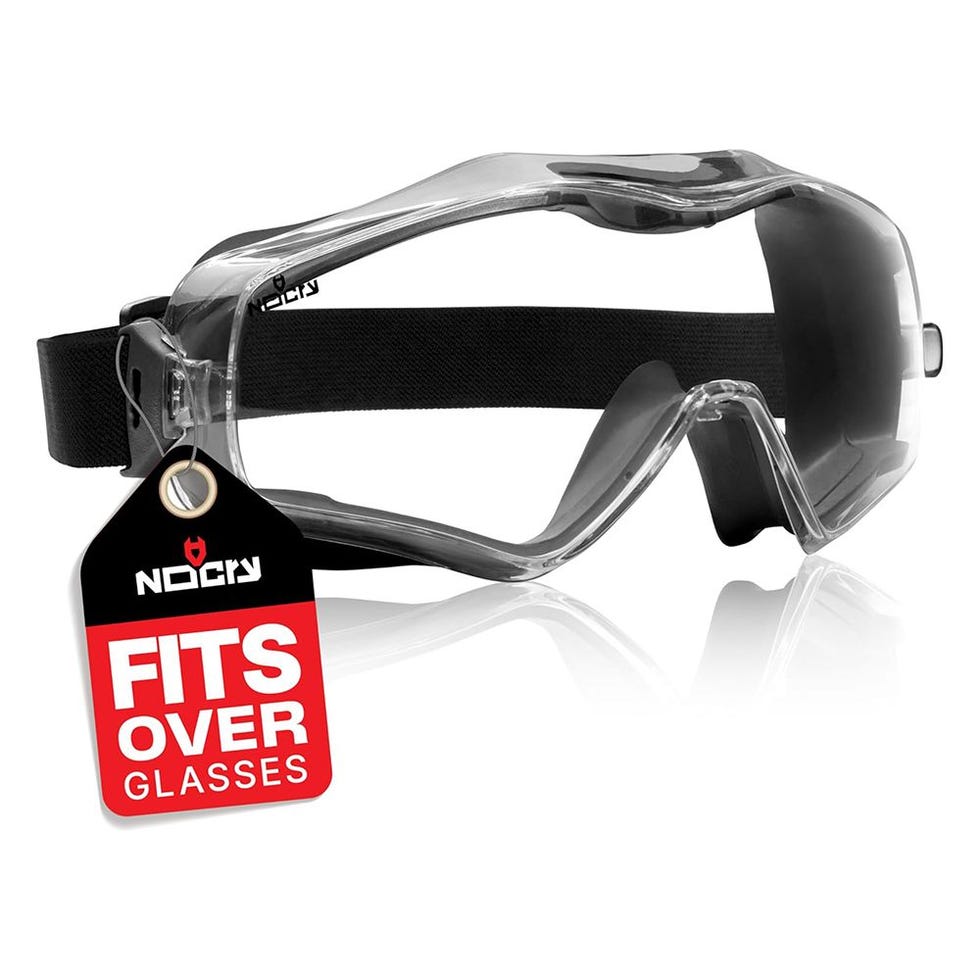
Goggles Vs Glasses
Goggles provide a tight seal around your eyes. They keep out dust and liquids better than glasses.
Glasses are easier to wear and remove. They allow more airflow but may let small particles in.
- Goggles:Full eye coverage, airtight, heavier
- Glasses:Lightweight, ventilated, less coverage
Key Safety Features
Choosing the right safety glasses protects your eyes during woodworking. Look for key features that keep your vision clear and safe.
Safety glasses vary in materials and coatings. Focus on features that provide impact resistance, UV protection, and fog or scratch resistance.
Impact Resistance
Impact resistance helps glasses protect your eyes from flying debris and wood chips. Look for lenses made from polycarbonate or other strong materials.
- Polycarbonate lenses absorb shocks well
- ANSI Z87.1 certification shows tested impact safety
- Wrap-around styles offer more coverage
- Thicker lenses resist cracks and breaks
Uv Protection
UV protection shields your eyes from harmful ultraviolet rays. This is important even if you work indoors or outdoors.
| UV Protection Level | Description |
| UV400 | Blocks 99-100% of UVA and UVB rays |
| UV100 | Blocks all UV rays up to 400 nm wavelength |
| No UV protection | Does not block UV rays, not safe for sun exposure |
Anti-fog And Scratch Resistance
Anti-fog coatings keep lenses clear when you sweat or work in humid areas. Scratch resistance keeps glasses usable longer.
- Clear vision without wiping lenses often
- Longer lifespan for the glasses
- Better comfort and safety during work
Material And Lens Options
Choosing the right safety glasses for woodworking means picking the right material and lens type. These choices affect comfort, protection, and vision clarity. Understanding the options helps you stay safe and work better.
We will look at three main types of lenses: polycarbonate, glass, and tinted or clear lenses. Each has unique features that suit different needs and conditions.
Polycarbonate Lenses
Polycarbonate lenses are popular because they are lightweight and strong. They resist impact well, which is important for woodworking. These lenses also block harmful UV rays to protect your eyes.
- Highly impact resistant
- Lightweight and comfortable
- UV protection included
- Good optical clarity
- Scratch-resistant coatings available
Glass Lenses
Glass lenses offer excellent scratch resistance and clear vision. They are heavier and more fragile than polycarbonate lenses. These lenses suit people who want the clearest view and can handle the extra weight.
| Feature | Glass Lenses | Polycarbonate Lenses |
| Weight | Heavy | Light |
| Impact Resistance | Moderate | High |
| Scratch Resistance | Excellent | Good with coating |
| UV Protection | Needs coating | Built-in |
| Comfort | Less comfortable | More comfortable |
Tinted And Clear Lenses
Safety glasses come with clear or tinted lenses. Clear lenses are best for indoor use and low light. Tinted lenses reduce glare and help in bright light or outdoor work.
- Clear lenses: Use indoors or low light
- Tinted lenses: Reduce glare outdoors
- Different tints for different lighting
- Some tints improve contrast and reduce eye strain
Fit And Comfort
Choosing safety glasses for woodworking means focusing on fit and comfort. Poorly fitting glasses can distract and cause discomfort. Glasses that fit well protect better and feel good during long use.
Look for features that allow adjustment and reduce pressure points. Comfort helps you keep the glasses on all the time while working.
Adjustable Frames
Adjustable frames let you change the size and shape of the glasses. This helps fit different head sizes and shapes. Look for frames with flexible temples and hinges for a snug fit.
Frames that adjust well reduce slipping and pressure on your head. This keeps the glasses stable and comfortable during woodworking tasks.
Nose Pads And Temples
Nose pads help keep glasses in place without pinching the nose. Soft, adjustable nose pads improve comfort and fit. They prevent glasses from sliding down when you sweat or move.
- Look for soft silicone nose pads
- Choose adjustable nose pads for a custom fit
- Check temples for flexible or padded designs
- Temples should not press too tightly on your head
Weight Considerations
Lightweight safety glasses reduce fatigue and pressure on your nose and ears. Heavy glasses can cause discomfort during long woodworking sessions.
| Weight Category | Comfort Level |
| Under 30 grams | Very comfortable for all-day wear |
| 30-50 grams | Comfortable but may cause slight pressure |
| Over 50 grams | May cause discomfort over time |
Certifications To Look For
Choosing the right safety glasses for woodworking means checking their certifications. Certifications show the glasses meet safety rules. This helps protect your eyes from flying wood chips and dust.
Look for trusted standards that prove the glasses are strong and safe. This guide covers key certifications to watch for.
Ansi Z87.1 Standard
The ANSI Z87.1 standard is made in the United States. It sets the rules for eye protection in workplaces like woodworking shops. Glasses with this mark have passed impact tests.
This standard checks how well glasses resist breaking and protect from dust and debris. It also tests lens clarity and coverage.
- Impact resistance to protect from flying wood
- Side shields or wrap-around design for full coverage
- Clear vision with no distortion
- Markings on lenses and frames to show certification
Ce Marking
The CE marking is common in Europe. It means the safety glasses meet European health and safety rules. The mark shows the product was tested and approved.
CE-certified glasses protect against mechanical risks like flying particles. Look for the CE mark on the product or packaging.
- Protection against impact and dust
- Compliance with European standards EN 166
- Tests for durability and lens quality
- Often required by workplaces in the EU
Other Relevant Certifications
Besides ANSI and CE, some safety glasses have other certifications. These can add extra assurance about quality and safety.
Look for certifications like CSA from Canada or AS/NZS from Australia and New Zealand. These show the glasses meet local safety rules.
- CSA certification for Canadian safety standards
- AS/NZS 1337 certification for Australia and New Zealand
- Mil-Spec (military specifications) for high-impact needs
- Anti-fog and UV protection marks for added safety

Credit: www.rockler.com
Additional Features
Choosing safety glasses for woodworking means more than just protection. Extra features can improve comfort and usability. These features help keep you safe and focused on your work.
Look for features that suit your needs and work environment. This can make wearing safety glasses easier and safer all day long.
Ventilation Options
Ventilation helps reduce fogging on safety glasses. Clear vision is important when working with wood. Some glasses have built-in vents or special coatings.
Choose glasses with vents that do not let dust or debris inside. Anti-fog coatings also help keep lenses clear. Good airflow prevents sweat and heat build-up.
- Indirect vents block dust but allow air
- Direct vents provide more airflow but less protection
- Anti-fog coatings reduce lens fogging
Compatibility With Other Gear
Woodworking often requires multiple safety items. Your glasses should fit well with hearing protectors, dust masks, or helmets. Poor fit can cause discomfort and reduce protection.
Look for glasses with slim temples or adjustable arms. This helps them sit comfortably under or over other gear. Some models are designed to work with common hearing protection.
- Slim frame temples fit better with earmuffs
- Adjustable arms allow custom fit
- Wrap-around designs offer more coverage
- Check compatibility with dust masks and helmets
Style And Design Choices
Safety glasses come in many styles. Choose a design you feel comfortable wearing every day. Comfortable glasses are more likely to be worn consistently.
Style choices include frame shape, lens color, and weight. Some glasses have clear lenses for indoor use. Others have tinted lenses for outdoor woodworking. Pick a style that fits your needs and personal taste.
- Clear lenses for indoor lighting
- Tinted lenses reduce glare outside
- Lightweight frames reduce fatigue
- Wrap-around frames offer better coverage
Maintenance And Care
Safety glasses protect your eyes during woodworking. Proper care keeps them clear and safe.
Regular maintenance helps your glasses last longer and work better.
Cleaning Tips
Clean your safety glasses after each use to remove dust and debris. Use mild soap and water, not harsh chemicals.
- Rinse glasses with warm water before wiping
- Use a soft cloth or microfiber cloth to clean lenses
- Avoid paper towels or rough materials that scratch lenses
- Dry glasses gently to prevent streaks
Storage Recommendations
Store your safety glasses in a clean, dry place. Keep them in a case to avoid damage and dirt buildup.
- Use a hard case to protect lenses from scratches
- Avoid leaving glasses in direct sunlight or extreme heat
- Keep glasses away from chemicals and sharp objects
- Place glasses where they won’t fall or get crushed
When To Replace Safety Glasses
Replace your safety glasses if they become scratched, cracked, or uncomfortable. Damaged lenses reduce protection.
| Condition | Replacement Needed |
| Scratched lenses | Yes |
| Cracked frame | Yes |
| Loose or broken hinges | Yes |
| Worn-out nose pads | Consider replacing |
| Clear, no damage | No |

Credit: www.popularmechanics.com
Budget Considerations
Choosing safety glasses for woodworking depends on your budget. You want good protection without spending too much.
This guide breaks down options into affordable, mid-range, and premium models. It helps you find the best glasses for your price.
Affordable Options
Affordable safety glasses offer basic eye protection. They are good for occasional use and light woodworking tasks.
- Plastic lenses with basic scratch resistance
- Lightweight frames for comfort
- Simple designs without extra features
- Meets standard safety certifications
Mid-range Choices
Mid-range glasses balance price and features. They suit regular woodworking with better comfort and durability.
| Feature | Mid-Range Models |
|---|---|
| Lens Material | Polycarbonate with anti-fog coating |
| Frame | Adjustable and stronger plastic |
| Additional Features | UV protection, side shields |
| Price Range | $15 – $40 |
Premium Models
Premium safety glasses provide top protection and comfort. They include advanced features for long-term use.
- Impact-resistant lenses with multi-layer coatings
- Ergonomic frames with padding
- Ventilation systems to reduce fogging
- Custom fit options
- Lifetime warranties in some brands
Frequently Asked Questions
What Materials Should Safety Glasses For Woodworking Have?
Safety glasses for woodworking should have polycarbonate lenses. They offer high impact resistance and protect against flying debris. Look for scratch-resistant coatings for durability. Frames should be sturdy and comfortable for long wear. Ensure they meet ANSI Z87. 1 safety standards for reliable protection.
How Do I Ensure Safety Glasses Fit Properly?
Proper fit means glasses sit snugly without pressure points. Adjustable nose pads and temple arms help achieve comfort. Glasses should cover eyes completely to block debris. Test for secure fit by shaking your head gently. A good fit prevents slipping and maximizes protection.
Are Anti-fog Coatings Necessary For Woodworking Glasses?
Anti-fog coatings prevent lens fogging during humid or sweaty conditions. They maintain clear vision and reduce distractions. This feature is especially important in enclosed workshops or during heavy exertion. Choose safety glasses with anti-fog treatment for consistent visibility and safer woodworking.
Can I Wear Prescription Safety Glasses For Woodworking?
Yes, prescription safety glasses are available with impact-resistant lenses. They combine vision correction and eye protection in one pair. Many brands offer custom prescriptions with ANSI Z87. 1 safety ratings. This option is ideal for woodworkers who need both clear sight and safety.
Conclusion
Choosing the right safety glasses protects your eyes during woodworking. Pick glasses that fit well and offer clear vision. Strong lenses keep out dust, chips, and splinters. Comfort matters for long hours in the workshop. Don’t forget to check for impact resistance and UV protection.
Remember, safety glasses are a small step that prevents big injuries. Stay safe and enjoy your woodworking projects with confidence.
