
After a long session of woodworking, your chisels might look worn and dirty. But leaving them that way can damage their sharp edges and shorten their life.
You want your tools to stay in top shape, ready for the next project. So, how do you clean chisels effectively without risking rust or dullness? Keep reading, and you’ll discover simple, step-by-step tips to restore your chisels quickly and keep them performing like new every time you pick them up.

Credit: www.thewirelesswoodworker.com
Preparing Your Workspace
Cleaning chisels after woodworking keeps them sharp and safe to use. A clean workspace helps you work faster and avoid accidents.
Setting up the right area and gathering tools makes cleaning easier. Take time to prepare before starting the cleaning process.
Gathering Necessary Materials
Collect all items needed to clean your chisels properly. Having everything ready saves time and effort.
- Soft cloths or rags
- Fine steel wool or brass brush
- Rust remover or oil
- Protective gloves
- Container for soaking chisels
- Cleaning solvent or soapy water
- Sharpening stones (optional)
Setting Up A Safe Cleaning Area
Choose a well-lit and ventilated space to clean your chisels. Good lighting helps you see dirt and rust clearly.
Clear the area of clutter and keep sharp tools away from children or pets. Use a sturdy workbench or table with a protective mat.
- Use gloves to protect your hands
- Keep cleaning liquids in sealed containers
- Dispose of waste safely
- Work on a flat, stable surface
Removing Wood Residue
Cleaning chisels after woodworking keeps them sharp and safe to use. Removing wood residue is important to avoid damage and rust.
There are simple ways to remove stuck wood pieces and sticky sap from your chisels. This guide covers two effective methods.
Using A Soft Brush
Using a soft brush helps remove loose wood dust and small chips from the chisel’s surface. It does not scratch or damage the metal.
- Choose a soft-bristle brush like a toothbrush or paintbrush.
- Brush gently along the blade edge and handle.
- Remove all visible wood dust and debris.
- Repeat brushing until the chisel looks clean.
Applying Mild Solvents
Mild solvents break down sticky sap and hardened wood residue. Use them carefully to protect the metal finish.
| Solvent | Use | Safety Tip |
| Mineral Spirits | Dissolves sap and residue | Work in a ventilated area |
| Rubbing Alcohol | Removes sticky residue | Avoid contact with skin |
| Vegetable Oil | Loosens dried wood particles | Wipe off excess after cleaning |
Apply solvent with a soft cloth or cotton ball. Let it sit for a few minutes, then wipe the chisel clean. Repeat if needed.
Eliminating Rust And Stains
Chisels often get rust and stains after woodworking. Removing these keeps the tools sharp and safe to use. Cleaning chisels properly helps them last longer.
This guide shows how to remove rust and stains using the right abrasive and rust removers.
Choosing The Right Abrasive
Select abrasives that clean metal without damaging the chisel blade. Soft abrasives remove light rust, while harder ones handle tough stains.
- Use fine steel wool for light rust and dirt
- Try sandpaper with 400 to 600 grit for moderate rust
- Use a wire brush or coarse sandpaper for heavy rust
- Avoid very rough abrasives that can scratch or weaken the blade
Using Rust Removers
Rust removers help dissolve rust quickly. Choose a remover safe for steel chisels and follow the instructions carefully.
| Type of Rust Remover | Usage | Safety Tips |
|---|---|---|
| Vinegar | Soak chisel for 1-2 hours | Rinse well and dry immediately |
| Lemon Juice | Apply with cloth, let sit 30 minutes | Wear gloves to protect skin |
| Commercial Rust Remover | Follow product instructions | Use in ventilated area, wear gloves |

Credit: beavercrafttools.com
Sharpening And Honing
Keeping chisels sharp is key after woodworking. Sharpening and honing bring back the edge.
Clean chisels cut better and last longer. Use the right tools and methods.
Selecting Appropriate Sharpening Tools
Pick tools that fit your chisel type and skill. Some tools work better for certain edges.
- Whetstones: Use coarse to fine grits for sharpening.
- Diamond plates: Good for fast metal removal.
- Sharpening guides: Keep the angle steady and consistent.
- Leather strops: Polish the edge after sharpening.
- Water or oil: Use as lubricant depending on the stone.
Techniques For A Sharp Edge
Follow clear steps for sharp chisels. Angle and pressure matter a lot.
| Step | Action | Tip |
| 1 | Set sharpening angle (usually 25-30 degrees) | Use a guide for steady angle |
| 2 | Start with coarse grit for dull edges | Use even strokes across the stone |
| 3 | Move to finer grit stones to refine edge | Keep the chisel wet if using water stones |
| 4 | Hone on leather strop for polish | Use stropping compound for best results |
| 5 | Check sharpness by slicing thin wood shavings | Repeat if edge feels dull |
Polishing The Blade
After woodworking, cleaning your chisels is important. Polishing the blade keeps it sharp and rust-free.
This guide covers using metal polish and buffing to restore shine to your chisel blade.
Using Metal Polish
Metal polish removes rust and dirt from the blade. It helps bring back the blade’s smooth surface.
- Apply a small amount of polish to a soft cloth.
- Rub the polish onto the blade in circular motions.
- Focus on any rust spots or stains.
- Wipe off excess polish with a clean cloth.
- Repeat if the blade is very dirty.
Buffing For Shine
Buffing makes the blade shine after polishing. It also smooths out tiny scratches on the metal.
| Buffing Tools | Purpose |
| Soft cotton cloth | Hand buffing for small blades |
| Buffing wheel | Fast shine on larger blades |
| Leather strop | Final polish and edge refinement |
Use slow, even strokes while buffing. Check the blade often to avoid over-polishing.
Maintaining The Handle
Keeping your chisel handle clean helps it last longer. Dirt and sweat can damage the wood over time.
Proper care keeps the handle strong and comfortable to hold during work.
Cleaning Wooden Handles
Use a soft cloth to wipe dirt from the handle after each use. Avoid soaking the wood in water.
For tough grime, use a little mild soap and water, then dry the handle well. Sand lightly if the wood feels rough.
- Wipe with a dry cloth after every use
- Use mild soap and water for stubborn dirt
- Dry completely to prevent wood swelling
- Lightly sand rough areas with fine sandpaper
Applying Protective Oils
Oiling the handle keeps the wood from drying out and cracking. Use natural oils like linseed or tung oil.
Apply a thin coat with a clean cloth. Let it soak in, then wipe off extra oil. Repeat every few months.
- Choose natural oils for wood care
- Apply a thin layer with a soft cloth
- Let the oil soak in for several minutes
- Wipe off excess oil to avoid stickiness
- Repeat every 3 to 6 months for best results
Storage Tips For Longevity
Keeping chisels in good shape after woodworking is important. Proper storage helps them last longer and stay sharp.
Use simple storage methods to protect chisels from rust and damage. This guide shows how to store chisels safely.
Proper Storage Methods
Store chisels in a dry place to avoid rust. Use a toolbox or a wooden rack designed for hand tools.
- Wipe chisels clean and dry before storage.
- Apply a thin coat of oil on the metal parts.
- Use blade guards or covers to protect edges.
- Keep chisels separated to avoid dulling edges.
- Store in a drawer with foam inserts or slots.
Preventing Future Damage
Check chisels regularly to keep them in good condition. Prevent moisture and impact damage by following these tips.
| Damage Cause | Prevention Method |
|---|---|
| Rust | Apply oil and store in dry place |
| Dull edges | Use blade guards and avoid contact with hard surfaces |
| Handle cracks | Keep handles away from moisture and extreme heat |
| Misplacement | Organize chisels in a toolbox or rack |
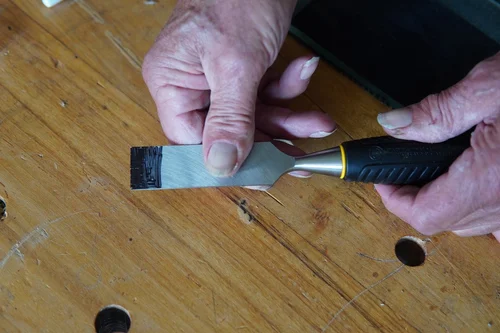
Credit: www.anneofalltrades.com
Frequently Asked Questions
How Often Should I Clean My Chisels?
Cleaning chisels after each woodworking session is ideal. Regular maintenance prevents rust and maintains sharpness. Wipe them with a dry cloth immediately after use. Remove any pitch or sap with a solvent. This routine ensures longevity and optimal performance of your chisels.
What Tools Do I Need To Clean Chisels?
You’ll need a soft cloth, a rust eraser, and some mineral oil. A solvent can help remove stubborn residues. A fine-grit sandpaper can smooth any rust spots. These tools ensure your chisels remain in top condition and ready for your next woodworking project.
Can I Use Water To Clean Chisels?
It’s best to avoid water as it can cause rust. Instead, use a solvent to remove residues. Wipe with a dry cloth and apply a light coat of oil. This method protects your chisels from rust and keeps them sharp and effective.
How Do I Remove Rust From Chisels?
Use a rust eraser or fine-grit sandpaper to gently remove rust. Apply mineral oil afterwards to protect the metal. Regular inspection and cleaning prevent rust from forming. This ensures your chisels stay in excellent condition for woodworking.
Conclusion
Cleaning chisels after woodworking keeps them sharp and ready. Dirt and wood chips can dull the blade fast. Use a cloth and some oil to wipe them clean. Dry the chisels well to stop rust from forming. Regular care saves money and makes work easier.
Keep your tools in good shape for better results. Small habits make a big difference over time. Clean chisels mean safer and smoother woodworking projects. Simple steps keep your tools working like new.
