
Are you looking to tackle a home improvement project or perhaps you’re gearing up for some DIY electrical work? Cutting metal conduit might seem like a daunting task, but with the right guidance, you can master it in no time.
Whether you’re a seasoned handyman or a beginner eager to learn, this guide is designed with you in mind. Imagine the satisfaction of completing your project with precision and ease. By the end of this article, you’ll have the confidence and skills to cut metal conduit like a pro.
Let’s dive into the step-by-step process that will save you time, effort, and maybe even a headache or two. Get ready to transform your next project into a success story!
Tools Needed
Cutting metal conduit requires the right tools for safety and accuracy. Using proper equipment helps you make clean cuts and avoid damage.
This guide covers the types of metal conduit, cutting tool options, and necessary safety equipment.
Types Of Metal Conduit
Metal conduit comes in different types. Each type has unique features and cutting needs.
- EMT (Electrical Metallic Tubing):Thin and lightweight, easy to bend and cut.
- RMC (Rigid Metal Conduit):Thick and strong, harder to cut but offers more protection.
- IMC (Intermediate Metal Conduit):Between EMT and RMC in thickness and strength.
Cutting Tools Options
Different tools work best depending on the metal conduit type and your cutting needs.
| Tool | Description | Best For |
|---|---|---|
| Hacksaw | Manual saw with a fine-toothed blade | Small jobs, EMT and IMC conduit |
| Tube Cutter | Rotates around conduit to cut evenly | Thin EMT conduit |
| Reciprocating Saw | Power saw with a back-and-forth blade | RMC and thick conduit |
| Angle Grinder | Power tool with a cutting disc | Fast cutting on all metal types |
Safety Equipment
Safety is important when cutting metal conduit. Use protective gear to avoid injury.
- Safety glasses to protect your eyes from sparks and debris
- Gloves to protect your hands from sharp edges
- Hearing protection if using loud power tools
- Long sleeves and pants to protect skin
- Dust mask if cutting creates metal dust

Credit: m.youtube.com
Preparing The Conduit
Cutting metal conduit requires careful preparation for safety and accuracy. Proper steps help make clean cuts and avoid damage.
Start by getting the conduit ready. Measure and mark it before securing it firmly for cutting.
Measuring And Marking
Measure the conduit length carefully using a tape measure. Mark the exact spot where you want to cut.
Use a permanent marker or a pencil for clear lines. Double-check the measurement to avoid mistakes.
- Measure twice to ensure accuracy
- Mark the cut line clearly around the conduit
- Use a straight edge for a neat mark
Securing The Conduit
Hold the conduit steady by clamping it to a workbench or using a vise. This prevents movement during cutting.
Make sure the conduit is tight and will not slip. Loose conduit can cause uneven cuts or injury.
- Use a pipe clamp or vise for firm grip
- Protect the conduit surface with padding if needed
- Check stability before starting to cut
Cutting Techniques
Cutting metal conduit requires the right tools and careful technique. Using the correct method helps you get a clean cut and safe work.
This guide explains three common ways to cut metal conduit safely and accurately.
Using A Hacksaw
A hacksaw is a hand tool with a fine-toothed blade. It is easy to use for cutting metal conduit at home or on small jobs.
Secure the conduit in a vise or clamp. Use steady, even strokes to cut through the metal. Take your time to avoid bending the conduit.
- Use a blade designed for metal cutting
- Wear gloves to protect your hands
- Keep the blade straight for a clean cut
- File sharp edges after cutting
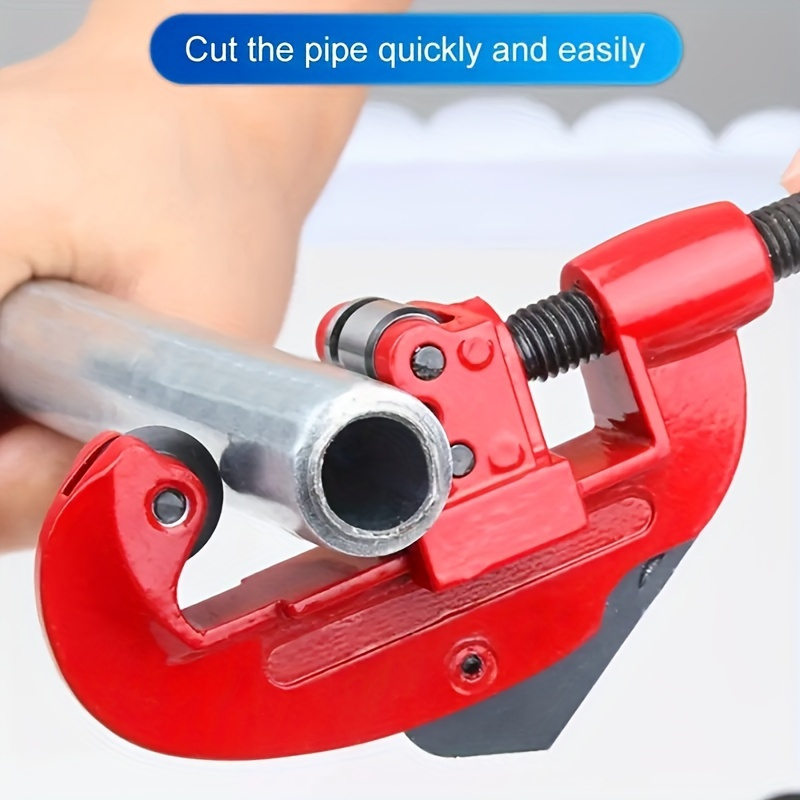
Using A Pipe Cutter
A pipe cutter is a tool made for cutting round pipes and conduits. It gives a smooth and straight cut with less effort.
Place the cutter around the conduit. Tighten the knob to press the blade against the metal. Rotate the tool around the pipe, tightening gradually until the cut is complete.
- Choose a pipe cutter size matching your conduit
- Keep the blade sharp for best results
- Rotate the cutter slowly and evenly
- Remove burrs with a deburring tool or file
Using An Angle Grinder
An angle grinder uses a spinning disc to cut through metal quickly. It is useful for larger or thicker conduit pieces.
Wear safety goggles and gloves before starting. Hold the grinder firmly and cut slowly along the marked line. Let the tool do the work without forcing it.
- Use a metal cutting disc on the grinder
- Secure the conduit to prevent movement
- Wear protective gear for eyes and hands
- Check the cut for sharp edges and smooth them

Credit: www.familyhandyman.com
Finishing The Cut
After cutting metal conduit, it is important to finish the edges properly. This step ensures safety and helps with proper installation.
Finishing involves removing sharp burrs and smoothing the edges to prevent damage and injury.
Removing Burrs
Burrs are rough edges left after cutting metal conduit. Removing them is necessary to avoid cuts and ensure a clean fit.
- Use a metal file or deburring tool to scrape away burrs.
- Run the tool around both the inside and outside edges.
- Check the edges by running your finger carefully to feel for rough spots.
- Repeat filing until edges are smooth and free of sharp bits.
Smoothing Edges
Smoothing edges after removing burrs helps the conduit fit better with connectors and reduces wear on wiring.
| Tool | Purpose |
| Sandpaper (medium grit) | Remove fine roughness on edges |
| Metal file | Shape and smooth rough cuts |
| Deburring tool | Clean inside edges thoroughly |
| Steel wool | Polish edges for a smooth finish |
Common Mistakes To Avoid
Cutting metal conduit requires care and the right tools. Many people make errors that cause poor cuts or unsafe conditions.
This guide highlights common mistakes to help you get clean cuts and stay safe while working.
Using The Wrong Tool
Using improper tools can damage the conduit or cause injury. Avoid using dull saws or tools not meant for metal cutting.
Not Measuring Twice
Many cuts are wrong because of poor measuring. Always measure twice to ensure accuracy and reduce waste.
Skipping Safety Gear
Failing to wear safety gear can lead to serious injuries. Always use gloves, goggles, and ear protection when cutting metal conduit.
Forcing The Cut
Applying too much pressure can bend or crush the conduit. Let the tool do the work by cutting slowly and steadily.
Ignoring Burr Removal
Not removing sharp edges after cutting is a common mistake. Burrs can cause injury and make fitting conduit parts difficult.
- Use a deburring tool or file to smooth edges
- Check the cut surface for sharp points
- Wear gloves when handling cut conduit
Wrong Cutting Angle
Cuts made at an angle instead of straight can cause poor connections. Keep the tool perpendicular to the conduit for a clean cut.
Cutting Without Securing The Conduit
Moving conduit during cutting leads to uneven edges and risk of injury. Always clamp or hold the conduit firmly before cutting.
| Mistake | Effect | How to Avoid |
| Using wrong tool | Damaged conduit, injury | Use metal cutting saw or pipe cutter |
| Not measuring twice | Wrong cut length, waste | Measure carefully two times |
| Skipping safety gear | Injury risk | Wear gloves, goggles, ear protection |
| Forcing the cut | Bent or crushed conduit | Cut slowly, apply steady pressure |
| Ignoring burr removal | Sharp edges, poor fit | Deburr edges after cutting |
| Wrong cutting angle | Poor connection | Keep tool perpendicular |
| Not securing conduit | Uneven cut, injury | Clamp conduit before cutting |
Tips For Perfect Cuts
Cutting metal conduit needs care and the right tools. Good cuts make installation easier and safer.
Use these tips to get clean, straight cuts every time you work with metal conduit.
Use The Right Tools
Choose tools made for cutting metal conduit. Tubing cutters and hacksaws work well.
Power tools like angle grinders can speed up the job but need careful handling.
- Tubing cutter for thin conduit
- Hacksaw for thicker conduit
- Angle grinder for fast, rough cuts
Measure And Mark Clearly
Measure twice and mark the cut line with a sharp pencil or marker. Clear marks guide your cut.
Use a square to make sure the mark is straight around the conduit.
Secure The Conduit Firmly
Hold the conduit tightly with a clamp or vise. This stops movement during cutting.
Moving conduit causes uneven cuts and can be dangerous.
Cut Slowly And Steadily
Make smooth, steady cuts. Rushing can cause rough edges and damage the conduit.
Take your time to follow the mark and keep the tool steady.
Deburr The Cut Edges
Remove sharp edges after cutting with a deburring tool or file. This protects wires and hands.
- Use a round file for inside edges
- Use a flat file for outside edges
- Wear gloves to avoid cuts
Wear Safety Gear
Always wear safety glasses and gloves. Cutting metal can send small pieces flying.
Keep your work area clean and well-lit to avoid accidents.
Credit: www.temu.com
Frequently Asked Questions
What Tools Are Best For Cutting Metal Conduit?
The best tools for cutting metal conduit include a hacksaw, tubing cutter, and powered rotary tools. Choose based on conduit size and desired precision. Each tool offers clean cuts when used properly, ensuring safety and efficiency in your project.
How Do I Measure Metal Conduit For Cutting?
Measure the conduit length twice using a tape measure. Mark the cutting point with a permanent marker or pencil. Accurate measurement ensures the conduit fits perfectly in your installation, reducing waste and rework.
Can I Cut Metal Conduit Without Special Tools?
Yes, you can use a hacksaw for simple cuts. However, specialized tools like tubing cutters provide cleaner, faster cuts. Using proper tools enhances safety and the quality of your work.
How To Safely Cut Metal Conduit At Home?
Wear safety glasses and gloves before cutting. Secure the conduit firmly in a vise. Cut slowly to maintain control and avoid sharp edges. Safety prevents accidents and ensures a smooth cutting process.
Conclusion
Cutting metal conduit is easier with the right tools and steps. Always measure twice to avoid mistakes. Use proper safety gear to protect your hands and eyes. Take your time to make clean, straight cuts. Practice helps you gain confidence and skill.
Following these tips will make your project smoother. Stay safe and work carefully for the best results.