Are you looking to upgrade your home’s electrical safety or fix a faulty circuit? Knowing how to install a circuit breaker can save you time, money, and stress.
Imagine being able to handle this important task yourself, without waiting for a professional. In this guide, you’ll discover simple, step-by-step instructions that anyone can follow. By the end, you’ll feel confident and ready to protect your home’s electrical system like a pro.
Keep reading to learn exactly what you need to do—your safety and peace of mind depend on it!
Credit: www.familyhandyman.com
Preparing For Installation
Installing a circuit breaker needs careful preparation. It helps keep you safe and makes the work easier.
Start by gathering the right tools and materials. Then, turn off the power safely. Finally, find the correct circuit breaker to install.
Gathering Tools And Materials
Before you start, collect all tools and parts. This saves time and avoids problems during installation.
- Circuit breaker matching your panel
- Voltage tester or multimeter
- Insulated screwdriver set
- Wire stripper and cutter
- Flashlight or work light
- Safety gloves and glasses
- Electrical tape
Turning Off Power Safely
Power must be off to avoid shocks. Follow these steps to turn off power safely.
- Locate your main electrical panel.
- Switch off the main breaker to cut power to the house.
- Use a voltage tester to check no power is running.
- Wear safety gloves before touching wires.
Identifying The Correct Circuit Breaker
Use the right circuit breaker for your panel and load. Check the breaker’s size and type carefully.
| Breaker Type | Description | Common Use |
| Standard | Fits most residential panels | General circuits like lights and outlets |
| GFCI | Protects against ground faults | Bathrooms, kitchens, outdoor outlets |
| AFCI | Detects arc faults to prevent fires | Bedrooms and living rooms |
Credit: www.familyhandyman.com
Removing The Old Circuit Breaker
Removing an old circuit breaker is a necessary task before installing a new one. It keeps your electrical system safe and working well.
Follow the right steps to avoid damage or injury during this process.
Opening The Electrical Panel
Start by turning off the main power switch. This stops electricity from flowing through the panel.
Then, carefully remove the panel cover using a screwdriver. This gives access to the circuit breakers inside.
Disconnecting Wires Carefully
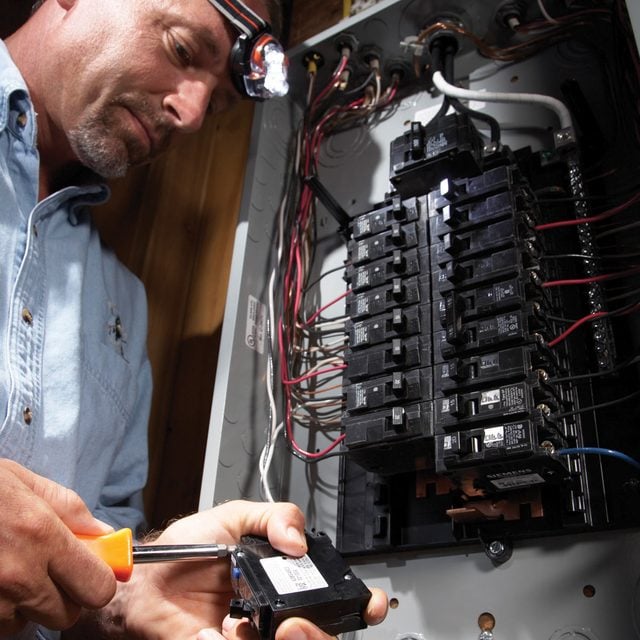
Locate the wires connected to the old breaker. Use a screwdriver to loosen the wire terminals.
Gently pull the wires free. Avoid pulling too hard to prevent wire damage.
- Use insulated tools for safety
- Keep track of wire positions
- Check for any signs of wear or damage
Taking Out The Old Breaker
Grip the breaker firmly and pull it straight out of its slot. Some breakers may need a slight rock motion.
Dispose of the old breaker properly and prepare the panel for the new one.
Installing The New Circuit Breaker
Installing a new circuit breaker is an important part of electrical work. It helps protect your home from electrical problems.
Follow these steps carefully to install the breaker safely and correctly.
Connecting Wires To The Breaker
First, connect the wires to the circuit breaker. Make sure the power is off before you start.
Strip the insulation from the wire ends. Attach the wires firmly to the breaker terminals.
- Use a screwdriver to tighten the terminal screws
- Check that no copper wire is exposed
- Match the wire color to the correct terminal
Securing The Breaker In The Panel
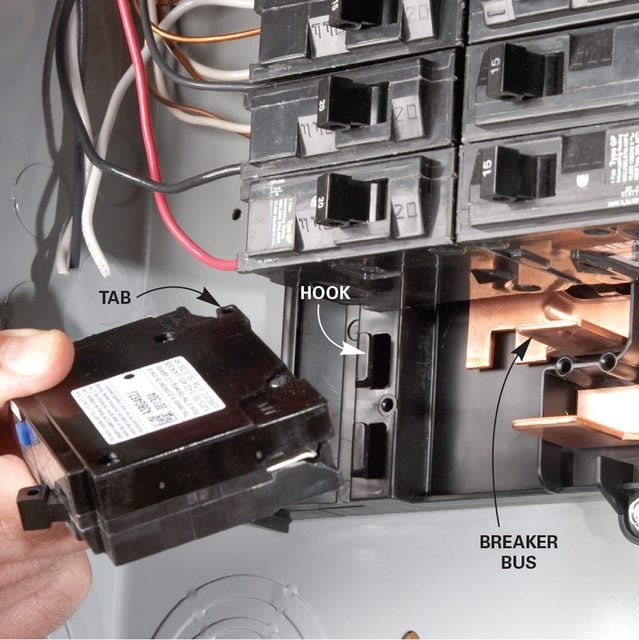
Next, place the breaker into the panel. Position it so it lines up with the slots in the panel.
Press the breaker firmly until it snaps into place. It should feel secure and not move around.
- Align the breaker clips with the panel rails
- Push the breaker until it clicks
- Do not force the breaker if it resists
Ensuring Proper Fit And Alignment
Check the breaker to make sure it fits well. It should be straight and flush with other breakers.
Verify the wires are not pinched or loose. Proper alignment helps the breaker work safely.
- Breaker should sit evenly in the panel
- Wires must be neat and secure
- No gaps or uneven spaces between breakers

Credit: www.premium-electric.ca
Testing The New Circuit Breaker
After installing a new circuit breaker, testing it ensures safety and proper work. This step confirms the breaker will protect your home or office.
Testing involves turning the power back on, checking the breaker’s function, and fixing any issues. Follow these simple steps carefully.
Restoring Power
First, restore power at the main panel by switching on the new circuit breaker. Make sure the breaker clicks into place.
Turn on the main power switch if you turned it off before installation. Check that no other breakers are off or tripped.
Checking For Proper Operation
Test the circuit by turning on devices or lights connected to the new breaker. The power should flow without interruption.
If the breaker trips right away, it may indicate a problem. Use a voltage tester to check if power flows correctly.
- Turn on connected devices to see if they work
- Use a voltage tester for accurate power check
- Observe if the breaker trips unexpectedly
Troubleshooting Common Issues
If the breaker trips often, check for short circuits or overloads. Make sure wires are connected tightly and correctly.
Look for signs of damaged wires or faulty devices on the circuit. Replace or repair any damaged parts before testing again.
- Check wiring connections for looseness or damage
- Inspect devices on the circuit for faults
- Replace damaged wires or faulty equipment
- Reset the breaker after fixing issues
Safety Tips And Best Practices
Installing a circuit breaker is a task that needs care and attention. Following safety tips helps prevent accidents and keeps you safe.
Using the right tools and knowledge makes the job easier and safer. Read these best practices before starting.
Using Personal Protective Equipment
Wear personal protective equipment (PPE) to protect yourself from electrical shock and injuries. PPE includes gloves, goggles, and insulated tools.
Always use rubber gloves rated for electrical work. Safety goggles stop sparks or debris from hurting your eyes.
- Insulated gloves and tools
- Safety goggles or glasses
- Non-conductive footwear
- Long-sleeve clothing to protect skin
Following Local Electrical Codes
Check your local electrical codes before installing a circuit breaker. Codes ensure installations are safe and legal.
Follow rules about breaker size, wiring, and placement. This helps prevent fires and system failures.
- Use breakers approved for your panel
- Match breaker size to circuit load
- Follow wiring color codes
- Ensure proper grounding and bonding
When To Call A Professional
Call a licensed electrician if you feel unsure or if the work is complex. Mistakes can cause serious harm.
Professionals have the training and tools to handle tricky situations safely and correctly.
- If you do not fully understand the wiring
- If the panel is old or damaged
- If local codes require professional work
- If the circuit breaker trips repeatedly
Frequently Asked Questions
What Tools Are Needed To Install A Circuit Breaker?
To install a circuit breaker, you’ll need a screwdriver, wire stripper, and voltage tester. Additionally, ensure you have safety gloves and goggles. Always turn off the main power before starting. Having the right tools ensures a safe and efficient installation process.
How Do I Safely Turn Off Power?
Locate the main electrical panel and switch off the main breaker. Confirm power is off using a voltage tester. This ensures safety while working on electrical installations. Always double-check to prevent accidents and ensure a safe working environment.
What Are The Steps To Wire A Circuit Breaker?
First, turn off the main power. Remove the panel cover. Connect the neutral and ground wires to their respective bars. Attach the hot wire to the breaker’s terminal. Secure the breaker in position. Replace the panel cover and restore power.
Always ensure connections are tight and secure.
Can I Install A Circuit Breaker Myself?
Yes, but it’s crucial to have basic electrical knowledge. Ensure all safety measures are taken, and follow manufacturer instructions. If unsure, consult a licensed electrician. DIY installation can save money but must be done correctly to ensure safety and compliance with local codes.
Conclusion
Installing a circuit breaker is a useful skill to have. It helps keep your home safe from electrical problems. Always turn off the main power before you start. Follow the steps carefully and use the right tools. Double-check your work to avoid mistakes.
If you feel unsure, ask a professional for help. Taking your time makes the job easier and safer. Now you can protect your home with confidence and care. Simple steps lead to a safer electrical system.
