
If you own a miter saw, you know how important it is to keep it running smoothly. But are you sure you’re taking the right steps to maintain it?
A well-maintained miter saw not only works better but lasts longer and keeps you safer while cutting. You’ll discover simple, practical tips that will help you care for your saw like a pro. Keep reading to learn how easy it is to protect your investment and make every cut precise and effortless.

Credit: gemma-global.com
Choosing The Right Miter Saw
Picking the right miter saw helps you do your work safely and well.
Think about the projects you will work on before buying a saw.
Types Of Miter Saws
There are three main types of miter saws you can choose from.
- Basic Miter Saw:Cuts at different angles but does not move back and forth.
- Compound Miter Saw:Can tilt to cut angles on wood edges.
- Sliding Compound Miter Saw:Has a sliding arm to cut wider boards.
Features To Consider
| Feature | Description |
| Blade Size | Larger blades cut thicker wood |
| Power | More power means easier cutting |
| Bevel Capacity | Ability to tilt saw for angled cuts |
| Sliding Ability | Allows cutting wide boards |
| Dust Collection | Keeps work area clean |
| Safety Features | Blade guards and locks prevent accidents |
Choose features that match your work needs and safety preferences.
Cleaning Your Miter Saw
Keeping your miter saw clean helps it work better and last longer. Dust and debris can cause problems if not removed regularly.
Cleaning the saw blade and fence is important for accurate cuts. Regular maintenance keeps your saw safe and efficient.
Removing Dust And Debris
Start by unplugging the miter saw to stay safe. Use a brush or compressed air to clear sawdust from all parts.
Pay close attention to the motor vents and moving parts. Dust buildup can cause the saw to overheat or jam.
- Use a soft brush to clean tight spaces
- Blow air into vents to clear dust
- Wipe down surfaces with a dry cloth
- Remove leftover debris from the table
Cleaning The Blade And Fence
Remove the blade carefully following the saw’s instructions. Clean the blade with a cloth and mild cleaner to remove resin and pitch.
Wipe the fence with a damp cloth. Make sure it is free from dirt or sticky residue that can affect cutting accuracy.
- Use a blade cleaner or mild detergent for the blade
- Dry the blade fully before reinstalling
- Check the fence for scratches or damage
- Apply a light coat of oil to metal parts if needed
Blade Maintenance
Keeping your miter saw blade in good shape is important. A clean and sharp blade cuts better and lasts longer.
Regular care helps you get smooth cuts and stay safe while working.
Sharpening Tips
Sharpen your blade to keep it cutting well. A dull blade can cause rough cuts and strain the motor.
You can sharpen the blade yourself or take it to a professional sharpener for best results.
- Use a blade sharpening tool or take it to a shop
- Clean the blade before sharpening
- Check the teeth for damage or wear
- Sharpen all teeth evenly
- Wear safety gear during sharpening
When To Replace The Blade
Replace your blade if sharpening no longer helps. A worn blade can cause poor cuts and safety risks.
Look for signs like missing teeth, cracks, or frequent burning marks on wood.
- Teeth are chipped or missing
- Blade shows cracks or rust
- Wood burns or splinters often
- Blade does not cut straight anymore
- Sharpening does not improve cutting
Lubricating Moving Parts
Keeping your miter saw’s moving parts lubricated helps it work smoothly.
Regular lubrication reduces wear and extends the tool’s life.
Areas To Lubricate
Focus on key areas that move or rub against each other. These spots need oil or grease to stay in good shape.
- The pivot points where the saw arm moves up and down
- The sliding rails if your saw has a sliding arm
- The bevel adjustment mechanism
- The trigger and safety switch joints
- The blade guard hinges
Best Lubricants To Use
Choosing the right lubricant prevents damage and ensures smooth operation.
| Lubricant Type | Use For | Notes |
| Light machine oil | Pivots, hinges, and sliding rails | Penetrates well, easy to apply |
| Silicone spray | Plastic and metal parts | Dries quickly, prevents rust |
| Grease | High-friction joints and gears | Lasts longer, thicker protection |
| Dry lubricants (graphite) | Trigger and safety switches | No residue, good for dust-prone parts |
Checking And Adjusting Alignments
Keeping your miter saw aligned is key for accurate cuts. Checking alignment helps you avoid mistakes.
Adjustments keep the saw working well and improve safety during use.
Aligning The Fence
The fence guides your wood while cutting. It must be straight and square to the blade.
Start by loosening the screws that hold the fence. Use a square tool to check if it is 90 degrees to the blade.
- If the fence is off, gently tap it until it is square.
- Tighten the screws once aligned.
- Make a test cut on scrap wood to confirm the fence is straight.
Adjusting The Bevel And Miter Angles
Bevel and miter angles control the tilt and turn of the blade. They must be accurate for angled cuts.
Check the bevel by setting the blade to zero degrees and using a bevel gauge. Adjust the bevel lock if needed.
For the miter angle, set it to zero and check with a protractor or angle finder. Adjust the miter lock and scale if it is off.
- Loosen the bevel lock to tilt the blade and retighten when set.
- Loosen the miter lock to turn the base and retighten when aligned.
- Always test cut scrap wood to verify angle accuracy.

Credit: gemma-global.com
Inspecting Electrical Components
Maintaining a miter saw includes checking its electrical parts. This helps keep the saw safe and working well.
Regular inspections can find problems early. Fixing these issues stops bigger damage or accidents.
Cord And Plug Safety
Check the power cord for cuts, cracks, or worn spots. A damaged cord can cause shocks or fires.
Look at the plug to make sure the prongs are straight and clean. Loose or bent prongs can stop power flow.
- Unplug the saw before inspecting the cord and plug
- Do not use the saw if the cord is damaged
- Replace cords or plugs that show wear or damage
- Avoid running the cord over sharp edges or hot surfaces
Motor Maintenance Tips
Keep the motor clean from dust and debris. Dust can cause the motor to overheat and fail.
Listen for unusual sounds while the motor runs. Strange noises may mean the motor needs service.
- Unplug the saw before cleaning the motor
- Use compressed air to blow dust from the motor vents
- Check motor brushes for wear and replace if needed
- Do not force the motor to work if it feels hot
Safe Storage Practices
Keeping your miter saw stored safely helps it last longer. Proper storage stops damage and keeps the tool ready for use.
Good storage habits protect the saw and its parts from dust, moisture, and accidents. Follow these tips to store your saw correctly.
Protecting The Saw From Damage
Store your miter saw in a clean, dry place to prevent rust and dust buildup. Cover the saw with a dust cover or cloth to keep it clean.
- Place the saw on a sturdy surface to avoid falls.
- Keep the saw away from heavy traffic areas to prevent bumps.
- Unplug the saw and remove the blade before storage.
- Check for loose parts and tighten them before storing.
Storing Blades Properly
Store blades separately to keep them sharp and safe. Use a blade case or mount them on a rack designed for saw blades.
| Blade Type | Storage Method | Benefit |
|---|---|---|
| Carbide-Tipped | Blade case with padding | Prevents chipping and dulling |
| Steel Blades | Dry rack or magnetic strip | Prevents rust and damage |
| Diamond Blades | Original packaging or sealed box | Protects cutting edge |
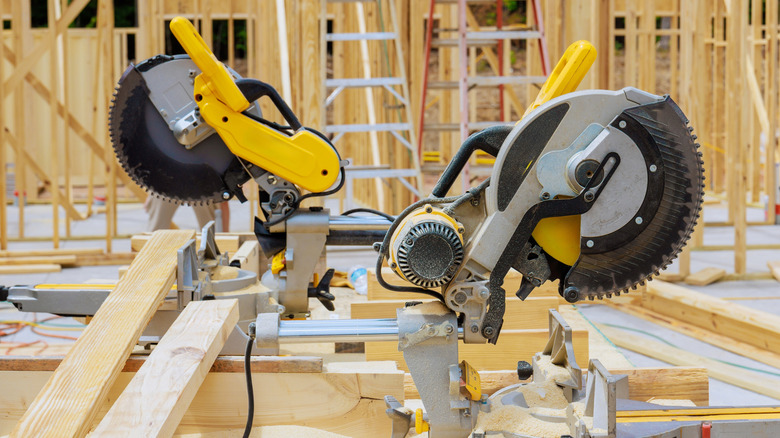
Credit: www.slashgear.com
Regular Maintenance Schedule
Maintaining a miter saw regularly keeps it running safely and smoothly. A good schedule helps you avoid costly repairs.
Check your saw daily for small issues and do deeper cleaning and inspection monthly. This routine extends the tool’s life.
Daily Checks
Perform quick inspections every day before use. These checks ensure the saw is safe and ready.
- Look for any loose screws or bolts
- Check the blade guard for smooth movement
- Make sure the blade is sharp and not damaged
- Confirm the power cord has no cuts or frays
- Test the saw’s start and stop functions
Monthly Deep Maintenance
Set aside time each month for thorough cleaning and tuning. This helps keep your miter saw in top condition.
| Task | Details |
| Clean dust and debris | Use compressed air to clear vents and moving parts |
| Lubricate pivot points | Apply light machine oil to hinges and adjustment knobs |
| Inspect blade alignment | Use a square to check and adjust the blade angle if needed |
| Tighten all fasteners | Ensure screws and bolts are secure |
| Check electrical components | Look for wear or damage on the switch and wiring |
Frequently Asked Questions
How Often Should I Clean My Miter Saw?
Clean your miter saw after every use to prevent dust buildup. Regular cleaning ensures smooth operation and extends tool life. Use a brush or compressed air to remove sawdust from blades and moving parts. Keep the workspace tidy for better accuracy and safety.
What Is The Best Way To Lubricate A Miter Saw?
Use a light machine oil or silicone spray to lubricate moving parts. Apply sparingly to pivot points, slides, and the bevel mechanism. Avoid over-lubrication, which can attract dust and grime. Proper lubrication reduces friction and keeps your saw running smoothly.
How Do I Check Blade Alignment On A Miter Saw?
Use a square or alignment tool to check blade accuracy. Place the square against the fence and blade to ensure a perfect 90-degree angle. Adjust the bevel and miter settings if necessary. Correct alignment improves cut precision and safety.
Why Should I Replace The Miter Saw Blade Regularly?
A sharp blade ensures clean, precise cuts and reduces motor strain. Replace blades if they become dull, chipped, or warped. Using a dull blade increases safety risks and decreases cutting efficiency. Regular blade replacement maintains optimal performance.
Conclusion
Maintaining a miter saw boosts its lifespan and performance. Clean it regularly. Check the blade for wear and tear. Tighten loose screws and bolts. Lubricate moving parts to reduce friction. Store it in a dry place to prevent rust. Follow the manufacturer’s guidelines for best results.
Regular maintenance saves time and money. It ensures safety during use. A well-cared-for miter saw cuts smoothly and accurately. Remember, a little care goes a long way. Keep your tools in top shape for better projects. Enjoy smoother, more efficient cutting every time.
