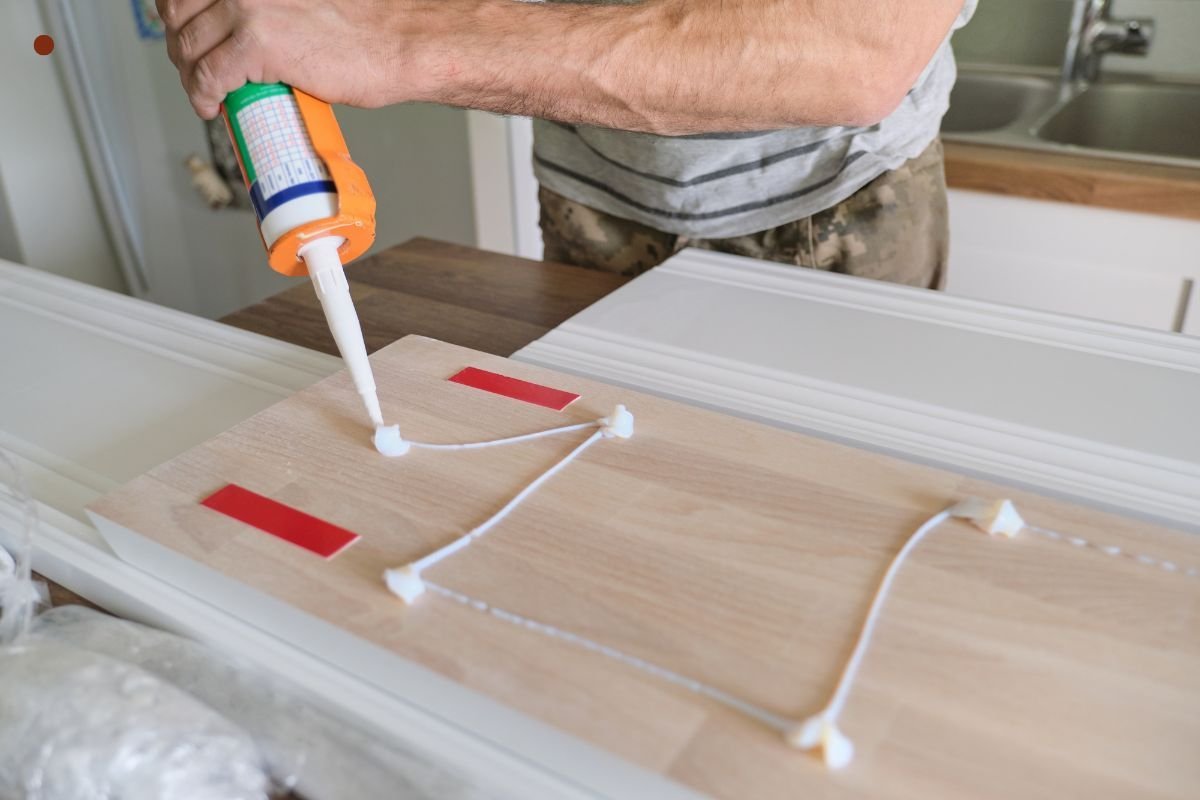
Choosing the right wood glue can make or break your project. If you’ve ever struggled with joints that just won’t hold or messy glue that ruins your finish, you know how frustrating it can be.
But what if you could easily pick the perfect glue every time? In this guide, you’ll discover simple tips to select the best wood glue for your needs. By the end, you’ll feel confident that your next project will stay strong and look great.
Keep reading to unlock the secret to flawless wood bonding.
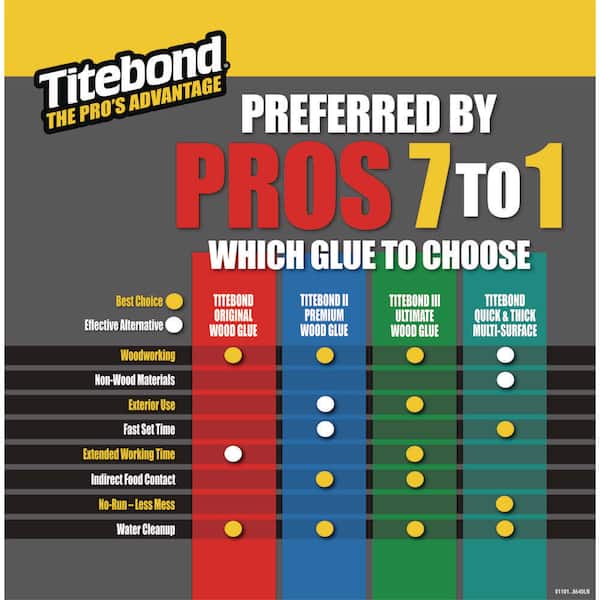
Credit: www.homedepot.com
Types Of Wood Glue
Wood glue helps join pieces of wood securely. Different glues work best for different jobs.
Knowing the types of wood glue helps you pick the right one for your project. Each has its own strength and drying time.
Pva Glue
PVA glue is common and easy to use. It is water-based and dries clear. It works well for indoor woodworking.
Polyurethane Glue
This glue expands as it dries. It works on many materials, not just wood. It is waterproof and strong.
- Good for outdoor projects
- Can bond wood to metal or plastic
- Requires moisture to cure
- Needs clamping during drying
Epoxy Adhesives
Epoxy glue is a two-part adhesive. It mixes resin and hardener before use. It forms a very strong bond.
| Feature | Details |
| Working Time | 5 to 30 minutes |
| Strength | High |
| Water Resistance | Excellent |
| Best Use | Heavy-duty repairs |
Hide Glue
Hide glue comes from animal collagen. It is reversible with heat and moisture. Woodworkers use it for antique restoration.
Cyanoacrylate Glue
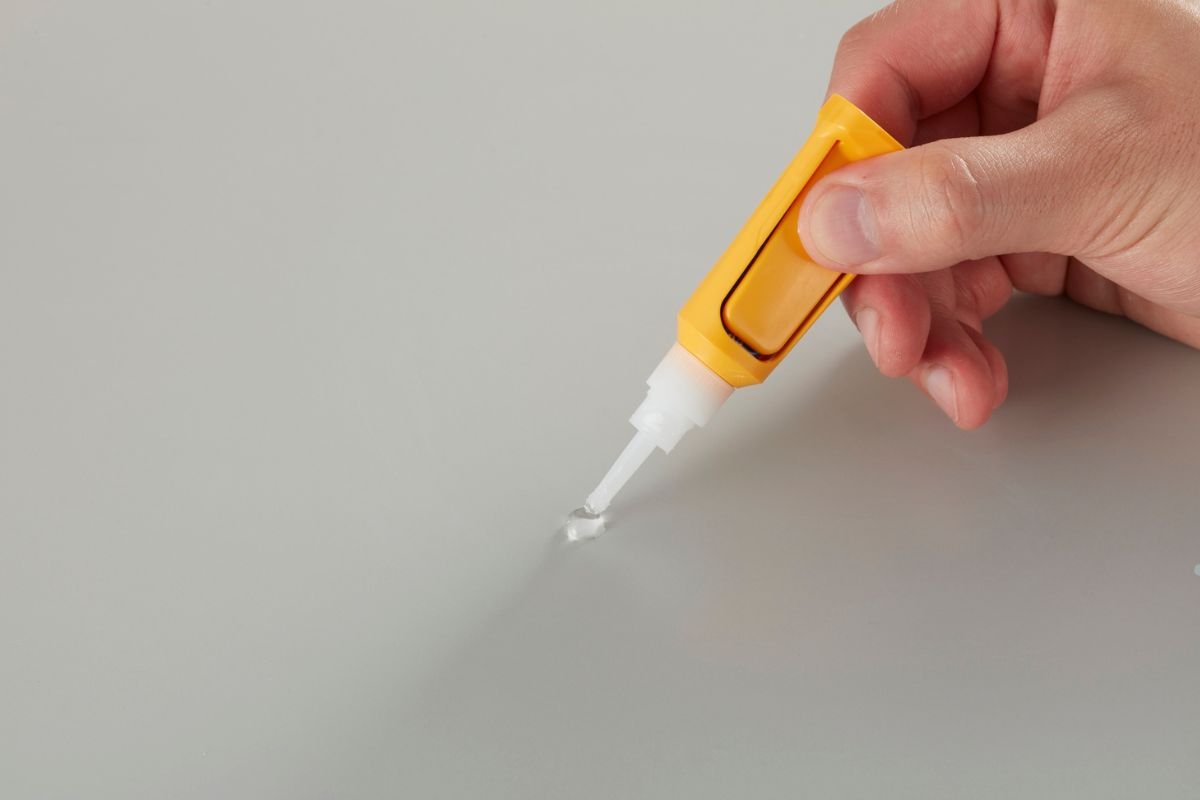
Also called super glue, it dries very fast. It bonds small parts and fills tiny gaps. Not good for large surfaces.
Credit: fresnofurniturerepairsolution.com
Factors To Consider
Choosing the right wood glue is important for strong and lasting bonds. Different glues work best for different types of wood and projects.
Think about the type of wood, how fast the glue dries, and how strong the bond needs to be. Also, consider if the glue will resist water and how you will apply it.
Wood Type Compatibility
Some glues work better with certain woods. Softwoods and hardwoods absorb glue differently. Use glue that matches your wood type for best results.
- PVA glue suits most softwoods and hardwoods
- Polyurethane glue works well with oily or dense woods
- Epoxy glue bonds hardwoods and exotic woods strongly
Drying Time
Drying time affects how quickly you can finish your project. Fast drying glue is good for quick jobs. Slow drying glue gives more time to adjust pieces.
- Fast drying glue sets in 5-15 minutes
- Standard PVA glue takes 30 minutes to 1 hour
- Epoxy can take several hours or overnight
Water Resistance
Some wood projects face moisture or water. Pick glue with the right water resistance for your project. Outdoor and kitchen items need water-resistant glue.
- Type I and II PVA glues resist water well
- Polyurethane glue is waterproof and strong
- Epoxy glue is very water-resistant and durable
Strength Requirements
The glue must hold the wood firmly under stress. For heavy loads, pick glue with high strength. For light crafts, weaker glue may be enough.
- PVA glue offers good strength for most projects
- Polyurethane glue has strong bonds for heavy-duty use
- Epoxy glue provides the strongest bond for tough jobs
Application Method
Some glues are easy to spread with a brush or squeeze bottle. Others need mixing before use. Choose glue that fits your skill and tools.
- PVA glue usually comes ready to use
- Polyurethane glue expands and needs careful application
- Epoxy requires mixing resin and hardener before use
Choosing Glue For Indoor Vs Outdoor Projects
Choosing the right wood glue matters for a strong hold. Indoor and outdoor projects need different glue types. The environment affects how glue works on wood.
Glue that works well inside may fail outside. Moisture, temperature, and weather impact outdoor glue choices. Pick glue based on where you use your project.
Indoor Wood Glue Options
Indoor wood glue focuses on strong bonds without water resistance. Most indoor glues dry clear and fast. They work well on furniture and crafts inside the house.
Common indoor glues include yellow aliphatic resin and white PVA glue. These glues are easy to clean and sand. They hold wood parts tightly under dry conditions.
- Yellow aliphatic resin glue: strong and fast drying
- White PVA glue: good for light indoor projects
- Clear glue: dries transparent for neat finishes
- Easy to sand and paint over
Outdoor Wood Glue Durability
Outdoor wood glue must resist water and temperature changes. It holds wood tightly even in rain or snow. This glue keeps outdoor furniture and structures strong.
Look for water-resistant or waterproof glue for outside projects. Some glues use special formulas to fight moisture and heat. They take longer to dry but last longer outside.
- Polyurethane glue: waterproof and strong
- Epoxy glue: high durability and water resistance
- Exterior-grade PVA: water-resistant for outdoor use
- Check glue labels for weather resistance

Credit: www.youtube.com
Preparing Surfaces For Gluing
Proper surface preparation helps wood glue stick better. Clean and smooth surfaces give strong bonds.
Taking time to prepare wood can stop glue problems later. This guide covers key steps to get ready.
Cleaning And Sanding
Remove dust, dirt, and oil from wood before gluing. Clean surfaces let glue make firm contact.
Lightly sand wood to smooth rough spots. Sanding opens wood pores for better glue absorption.
- Use a clean cloth or brush to wipe dust
- Apply mild soap if wood is oily or dirty
- Sand with fine-grit paper for smoothness
- Remove sanding dust before gluing
Moisture Levels
Wood should not be too wet or too dry before gluing. Ideal moisture helps glue dry and bond well.
Check wood moisture with a meter or by feel. Wood with 6% to 8% moisture works best for glue.
- Wet wood can weaken the glue bond
- Dry wood may absorb glue too fast
- Store wood in dry place before use
- Test moisture to ensure good glue results
Clamping Techniques
Clamping keeps wood pieces tight while glue dries. It stops gaps and makes a strong joint.
Use even pressure and avoid over-tightening. Clamps should hold wood firmly but not damage it.
- Choose clamps that fit your project size
- Place clamps evenly along the joint
- Use padding to protect wood from clamp marks
- Leave clamps on until glue fully cures
Common Mistakes To Avoid
Choosing the right wood glue is important, but using it correctly matters too. Many people make simple mistakes that weaken their projects.
Knowing which errors to avoid helps your wood joints stay strong and last longer. This guide covers three key mistakes to watch out for.
Using Too Much Glue
Applying too much glue does not make the bond stronger. It can cause glue squeeze-out and mess up the wood surface.
- Use a thin, even layer of glue on the surfaces.
- Excess glue can create gaps and weak joints.
- Too much glue takes longer to dry and can stain wood.
Inadequate Clamping
Clamping holds the glued pieces tightly while drying. Without enough pressure, the joint may fail.
| Common Clamping Errors | Effect on Glue Joint |
| Too little pressure | Weak bond, gaps |
| Uneven clamping | Warped or shifted wood |
| Clamping too long | Marks on wood or damage |
Ignoring Drying Times
Wood glue needs time to dry fully. Rushing this step weakens the joint and may cause it to break.
- Follow the glue manufacturer’s drying time instructions.
- Do not move or stress the joint before it dries.
- Allow extra drying time in cold or humid conditions.
Tips For Stronger Bonds
Choosing the right wood glue is important for strong joints. Using glue correctly helps the wood pieces stick well.
Here are some tips to get the best results from your wood glue. Follow these to make your projects last longer.
Applying Even Pressure
Applying even pressure is key for a strong bond. It helps the glue spread well and hold the wood pieces tightly.
- Use clamps or weights to press the parts together.
- Make sure pressure is spread evenly across the glued area.
- Avoid too much pressure that can squeeze out the glue.
- Keep the pressure steady until the glue dries fully.
Proper Glue Storage
Store wood glue the right way to keep it fresh and strong. Old or spoiled glue does not bond well.
| Storage Tip | Reason |
| Keep glue in a cool, dry place | Prevents glue from drying out or thickening |
| Seal the container tightly after use | Stops air from getting in and curing the glue |
| Avoid freezing temperatures | Freezing can ruin glue’s bonding ability |
| Check expiration date | Old glue loses strength and may fail |
Temperature Considerations
Temperature affects how wood glue works. Use glue at the right temperature for the best hold.
Follow these temperature tips:
- Apply glue in a room between 60°F and 80°F (16°C to 27°C).
- Avoid very cold or hot conditions during application.
- Let glued wood cure at room temperature for strong bonds.
Frequently Asked Questions
What Types Of Wood Glue Are Best For Woodworking?
PVA glue is ideal for most indoor woodworking projects. For outdoor use, polyurethane or epoxy glues offer superior waterproof strength. Choose based on project type and exposure to moisture for best results.
How Do I Choose Wood Glue For Hardwoods?
Use aliphatic resin glue for hardwoods. It provides strong, fast bonding and sands smoothly. Ensure surfaces are clean and dry before application for optimal adhesion.
Can Wood Glue Be Used On Painted Surfaces?
Wood glue works best on bare wood. Painted surfaces reduce bonding strength. For painted wood, consider contact adhesives or epoxy for better results.
How Long Does Wood Glue Take To Dry Fully?
Wood glue typically sets in 30 minutes to an hour. Full curing can take up to 24 hours. Clamping during drying improves bond strength and durability.
Conclusion
Choosing the right wood glue is essential for sturdy projects. Consider the type of wood you are using. Some glues work better with specific wood types. Also, think about the conditions where the project will be. Will it be outdoors or indoors?
Temperature and moisture can affect glue performance. Always read the glue label for instructions. Testing a small amount can also help. This ensures the glue meets your needs. With the right choice, your projects will last longer and be more reliable.
Happy woodworking!