Are you tired of your reciprocating saw giving up on you in the middle of a project? Imagine not having to worry about unexpected breakdowns or costly replacements.
By learning how to maintain your reciprocating saw for durability, you can ensure it remains a reliable partner for all your cutting needs. Think about the time, money, and frustration you can save with just a few simple maintenance steps.
You’ll discover practical tips that will keep your saw in prime condition, extend its lifespan, and ultimately make your DIY projects smoother and more enjoyable. Ready to transform your tool care routine and get the most out of your investment? Keep reading to unlock the secrets to a long-lasting reciprocating saw.
Choosing The Right Reciprocating Saw
Picking the right reciprocating saw helps you work safely and efficiently. Different saws fit different tasks.
Understanding the types and key features will guide you to the best choice for durability and performance.
Types Of Reciprocating Saws
There are several types of reciprocating saws. Each type suits certain jobs and materials.
- Corded Saws:These saws plug into power outlets. They offer constant power for long jobs.
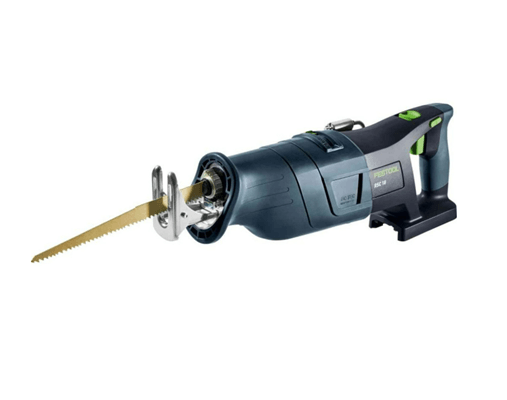
- Cordless Saws:Battery-powered for portability. Good for jobs without easy access to power.
- Compact Saws:Smaller and lighter. Best for tight spaces and light tasks.
- Heavy-Duty Saws:Strong motors and durable build. Ideal for tough materials and long use.
Key Features To Consider
| Feature | Why It Matters | What to Look For |
| Power Source | Affects how long you can work and mobility | Corded for long use; cordless for freedom |
| Stroke Length | Determines cutting speed and depth | Longer stroke cuts faster and deeper |
| Variable Speed | Gives control over cutting for different materials | Adjustable speed settings are best |
| Weight | Impacts ease of use and fatigue | Lighter saws are easier to handle |
| Blade Change System | Makes replacing blades quick and safe | Tool-free blade change is preferred |
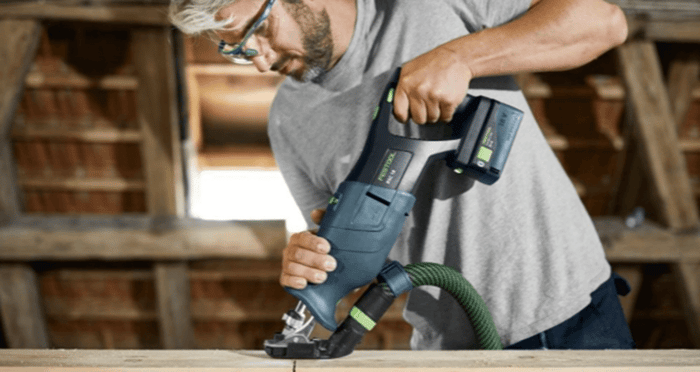
Credit: toolstoday.com
Regular Cleaning Practices
Keeping your reciprocating saw clean helps it last longer. Dirt and dust can cause damage over time.
Regular cleaning stops problems before they start. It keeps the tool working smoothly.
Removing Dust And Debris
Dust and debris build up fast during use. Remove them often to avoid jamming the saw.
Use a brush or compressed air to clean the saw. Focus on vents and moving parts.
- Turn off and unplug the saw first
- Use a soft brush to clear dust
- Blow compressed air into vents and joints
- Do not use water or wet cloths
Cleaning The Blade And Housing
Clean the blade after every use to stop rust and dullness. Wipe the housing to keep it neat.
Remove the blade carefully before cleaning. Use a cloth with mild cleaner for the housing.
- Wear gloves when handling blades
- Use a cloth dampened with mild soap
- Dry the blade and housing fully before use
- Check the blade for damage or wear
Blade Maintenance
Maintaining the blade of a reciprocating saw is key to its long life. A well-kept blade cuts better and lasts longer.
Proper blade care helps you work safely and saves money by reducing the need for frequent replacements.
Selecting The Correct Blade
Choose the right blade for the material you cut. Different blades fit wood, metal, or plastic. Using the correct blade prevents damage and improves cutting speed.
- Check blade length and thickness for your saw model
- Use coarse teeth blades for wood and fine teeth for metal
- Pick bi-metal blades for mixed materials
- Consider blade tooth design for smooth or fast cuts
Sharpening And Replacing Blades
Blades dull after use and need sharpening or replacement. Dull blades make cutting hard and unsafe. Regular checks keep your saw ready.
| Blade Condition | Action Needed |
| Minor dullness | Sharpen blade carefully with a file |
| Damaged teeth | Replace blade immediately |
| Blade bent or cracked | Discard and use a new blade |
| Blade rusted | Clean or replace depending on severity |
Lubrication Techniques
Proper lubrication helps keep your reciprocating saw working well. It reduces friction and wear. This extends the tool’s life and performance.
Knowing how to oil moving parts and choosing the right lubricant is key. These steps protect the saw and save repair costs.
Oiling Moving Parts
Apply oil to all moving parts to prevent rust and friction. Focus on the blade clamp, pivot points, and motor bearings. Use a small amount to avoid buildup.
- Clean parts before oiling to remove dirt
- Use a dropper or small brush for precise application
- Wipe off excess oil to stop dust sticking
- Oil regularly, especially after heavy use
Choosing The Right Lubricant
Select a lubricant that fits your saw’s needs. Some oils work better in cold weather. Others resist high heat. Check the manufacturer’s guidelines.
| Type of Lubricant | Best Use | Notes |
| Light Machine Oil | General use | Easy to apply, good for most parts |
| Silicone Spray | Plastic and rubber parts | Does not attract dirt |
| Grease | High load areas | Lasts longer but harder to clean |
| Dry Lubricant | Dusty environments | Leaves no sticky residue |
Proper Storage Solutions
Keeping your reciprocating saw in good shape means storing it right. Proper storage helps stop damage and keeps the tool ready to use.
Two key ways to store your saw are protecting it from moisture and dust, and using carrying cases designed for tools.
Protecting From Moisture And Dust
Moisture and dust can harm your reciprocating saw. They cause rust and block moving parts. Keep the saw dry and clean to avoid these problems.
- Store the saw in a dry place away from water leaks.
- Use silica gel packs to absorb moisture inside storage areas.
- Cover the saw with a cloth or plastic to block dust.
- Clean the saw after each use to remove dirt and debris.
- Check the storage area regularly for dampness or dust build-up.
Using Carrying Cases
Carrying cases protect your saw during transport and storage. They keep it safe from bumps, dust, and moisture.
| Feature | Benefit |
| Hard Shell | Prevents physical damage |
| Foam Padding | Keeps saw secure and stable |
| Water-Resistant Material | Protects against moisture |
| Lockable Latches | Secures saw during travel |
| Extra Compartments | Store blades and accessories |
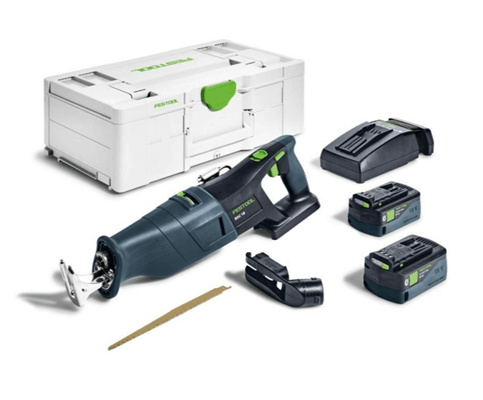
Credit: toolstoday.com
Battery Care For Cordless Saws
Taking good care of your cordless saw’s battery helps the tool last longer. A well-maintained battery keeps your saw running at full power.
Simple steps for charging and storing batteries can prevent damage and extend their life. This guide explains how to care for your battery.
Charging Best Practices
Always use the charger that came with your saw. Chargers are made to match specific battery types and voltages.
Do not overcharge the battery. Remove it from the charger once it is full to avoid overheating and damage.
- Charge batteries at room temperature.
- Avoid charging in very cold or hot places.
- Do not use damaged or wet batteries.
- Charge batteries before their power is completely gone.
Extending Battery Life
Store batteries in a cool, dry place when not in use. Heat and moisture can reduce battery life.
Use the battery regularly. Long periods without use can cause the battery to lose capacity.
- Avoid dropping or banging the battery.
- Keep battery contacts clean and free of dirt.
- Remove the battery from the saw when storing for a long time.
- Charge the battery every few months during storage.
Troubleshooting Common Issues
Reciprocating saws are powerful tools, but they can face problems during use. Troubleshooting helps keep your saw working well and lasting longer.
This guide covers common issues like power loss and blade jamming. You will find simple steps to fix these problems safely.
Dealing With Power Loss
If your saw loses power or runs weakly, check a few basic things first. Power loss often comes from simple causes that you can fix yourself.
- Inspect the power cord or battery for damage or loose connections.
- Clean the air vents to prevent overheating and allow proper airflow.
- Check if the brushes inside the motor are worn out and replace if needed.
- Make sure the trigger switch is working properly and not stuck or damaged.
- Test the saw with a different power source or battery to rule out external issues.
Fixing Blade Jamming
Blade jamming stops your work and can damage the saw. It usually happens if the blade is dull, bent, or not installed right.
| Cause | How to Fix |
|---|---|
| Dull blade | Replace the blade with a new, sharp one. |
| Bent blade | Remove and replace the blade to avoid damage. |
| Improper blade installation | Ensure the blade is locked securely in place. |
| Cutting too hard or fast | Use steady pressure and let the saw do the work. |
| Material too thick or hard | Use a blade suitable for the material type. |
Credit: toolstoday.com
Safety Checks Before Use
Before using a reciprocating saw, make safety checks a habit. Proper checks help prevent accidents and keep the tool durable.
Focus on key parts like electrical components and the blade attachment. These checks ensure the saw runs safely and smoothly.
Inspecting Electrical Components
Check the power cord for cuts, cracks, or exposed wires. Look closely for any damage that could cause electric shocks.
- Make sure the plug is intact and fits securely in the outlet.
- Test the on/off switch to confirm it works smoothly.
- Check for any burning smells or unusual noises when turning the saw on.
Ensuring Secure Blade Attachment
Blade attachment is critical for safe operation. A loose blade can slip or break during use.
| Check Point | What to Look For |
| Blade Clamp | Ensure it holds the blade tightly without wobbling. |
| Blade Condition | Inspect for cracks or dull edges that reduce cutting power. |
| Attachment Mechanism | Verify the locking lever or screw is fully engaged and secure. |
Frequently Asked Questions
How Often Should I Clean My Reciprocating Saw?
Clean your saw after every use to remove dust and debris. Use a brush or compressed air to keep it clear. Regular cleaning prevents clogging and extends the tool’s lifespan.
What Type Of Lubricant Is Best For A Reciprocating Saw?
Use a lightweight machine oil to lubricate moving parts. Apply sparingly to reduce friction and wear. Proper lubrication ensures smooth operation and increases durability.
How Do I Check Blade Condition For Durability?
Inspect blades for dullness, cracks, or bending before each use. Replace damaged or worn blades immediately to maintain cutting efficiency. Using sharp blades reduces motor strain and enhances saw life.
Can Proper Storage Improve Reciprocating Saw Durability?
Yes, store your saw in a dry, dust-free case. Avoid moisture and extreme temperatures to prevent rust and damage. Proper storage preserves tool performance and longevity.
Conclusion
Maintaining your reciprocating saw keeps it working well for years. Clean the saw after each use to remove dust and debris. Check the blade often and replace it when dull. Oil the moving parts to prevent rust and wear. Store the saw in a dry place to avoid damage.
Regular care saves money and time on repairs. A well-kept saw makes every job easier and safer. Simple steps lead to long-lasting performance and reliability. Keep your saw ready for the next project.