
Are you tired of your angle grinder struggling to cut through materials? Keeping your angle grinder blades in top shape is essential for efficient and precise work.
When your blades are well-maintained, you’ll save time, effort, and even money. But how exactly do you keep those blades sharp and ready for action? This guide will reveal simple, effective tips to ensure your angle grinder always performs at its best.
Stick with us, and you’ll discover how easy it is to extend the life of your blades and enhance your cutting experience. Ready to make your tasks smoother and more efficient? Let’s dive in!
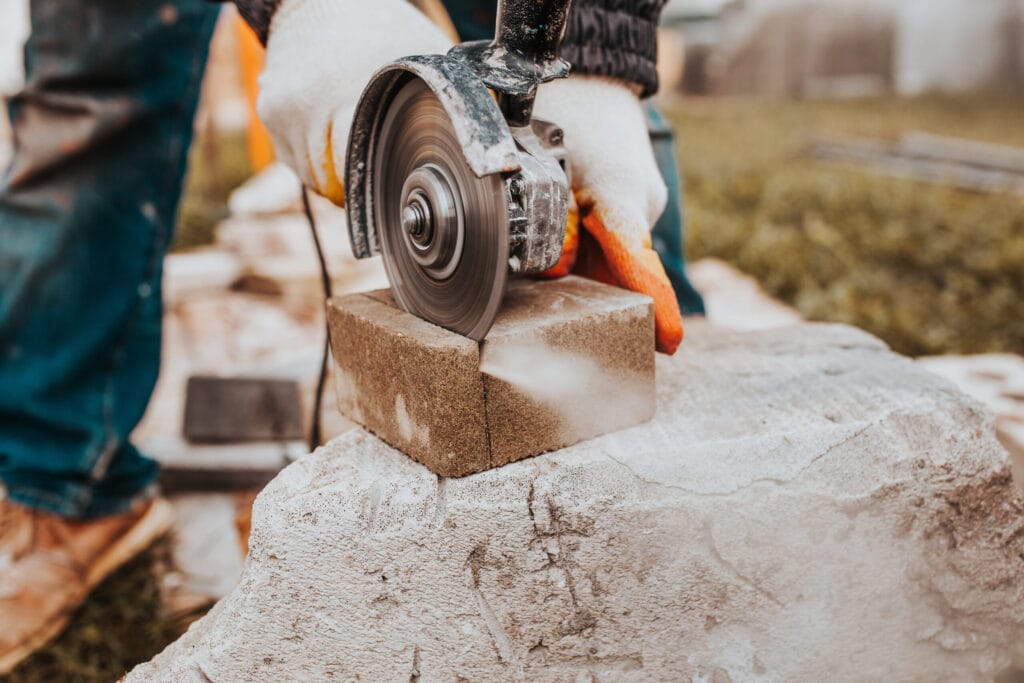
Credit: www.stonetoolshop.com
Choosing The Right Blade
Picking the right blade for your angle grinder is important. The right blade helps you work safely and finish tasks well.
Different blades suit different jobs. Knowing what blade to use saves time and keeps your tool in good shape.
Types Of Angle Grinder Blades
Angle grinder blades come in many types. Each type fits specific materials and jobs.
- Grinding Discs: Used for rough surfaces and metal removal.
- Cutting Discs: Thin blades for cutting metal or stone.
- Flap Discs: Good for sanding and smoothing surfaces.
- Diamond Blades: Best for cutting hard materials like concrete.
Materials And Coatings
Blades are made from different materials. Coatings improve blade life and performance.
- Steel Blades: Common and affordable for metal work.
- Diamond Coated: Cuts hard materials and lasts longer.
- Abrasive Blades: Made with grit for grinding and cutting.
- Coated Blades: Resist rust and reduce wear.
Blade Size And Compatibility
Use the correct blade size for your grinder. Check the grinder’s manual for size limits.
Using wrong size blades can cause accidents. Make sure the blade fits the grinder’s speed and guard.
| Blade Size | Common Uses | Compatibility |
|---|---|---|
| 4.5 inches | General cutting and grinding | Most handheld grinders |
| 7 inches | Heavy-duty cutting and grinding | Larger angle grinders |
| 9 inches | Industrial and large projects | High power grinders |

Credit: www.mowmore.com
Proper Blade Installation
Installing angle grinder blades properly keeps you safe and the tool working well. It also helps the blades last longer and cut better.
This guide covers key steps for safe and correct blade installation on your angle grinder.
Safety Precautions
Always wear safety gear before handling angle grinder blades. Gloves and eye protection reduce injury risk.
- Unplug the grinder before changing the blade.
- Handle blades carefully to avoid cuts.
- Use blades that match your grinder’s size and speed limits.
- Check the blade for cracks or damage before installing.
Correct Mounting Techniques
Follow these steps to mount your blade correctly and securely on the angle grinder.
- Place the blade on the spindle, aligning the hole with the spindle shaft.
- Make sure the blade’s directional arrow matches the grinder’s rotation.
- Put on the clamping flange or nut by hand to avoid cross-threading.
- Use the correct wrench to tighten the flange firmly but do not overtighten.
Checking For Secure Fit
After mounting, check the blade is secure and safe to use. A loose blade can cause accidents.
| Check Point | What to Look For |
|---|---|
| Blade Movement | Blade should not wobble or shift when you wiggle it. |
| Flange Tightness | Flange or nut must be tight but not overly forced. |
| Blade Alignment | Blade edge should line up straight with the grinder guard. |
Cleaning And Inspection
Keeping angle grinder blades clean and inspected helps them work better and last longer. Dirt and damage can cause poor cuts and unsafe use.
Regular care lets you spot problems early. This keeps your tools safe and efficient.
Removing Debris And Residue
Angle grinder blades often collect dust, metal bits, and other residue. Removing these helps the blade cut smoothly.
Use a brush or cloth to clean the blade after each use. Avoid water unless the blade is rust-proof.
- Brush off loose debris with a stiff brush
- Wipe blade with a dry or slightly damp cloth
- Use compressed air to clear tight spots
- Do not use harsh chemicals that can damage the blade
Identifying Wear And Damage
Check the blade edges for dullness or chips. Small cracks can grow and cause blade failure.
Look at the center hole and mounting area. Any damage here can make the blade unsafe to use.
- Dull or rounded edges reduce cutting power
- Chips or cracks weaken the blade
- Warped or bent blades cause vibration
- Damaged mounting holes can cause wobbling
When To Replace Blades
Replace the blade if it shows deep cracks, severe wear, or is warped. Using damaged blades is unsafe.
Also change the blade if it no longer cuts well, even after cleaning and sharpening.
- Blades with cracks or large chips
- Blades that wobble during use
- Blades with worn-down cutting edges
- Blades that cause excessive vibration
Sharpening Techniques
Maintaining angle grinder blades improves cutting performance. Sharpening blades keeps them effective and safe to use.
Proper sharpening extends blade life and saves money. Learn simple techniques to sharpen your blades at home.
Tools For Sharpening
Use the right tools for safe and accurate sharpening. These tools help restore the blade’s edge quickly.
- A bench grinder with a fine grinding wheel
- A diamond file for detailed sharpening
- Protective gear like gloves and safety glasses
- A clamp or vise to hold the blade steady
- Lubricant or water to cool the blade
Step-by-step Sharpening Guide
Follow these steps to sharpen your angle grinder blades safely and correctly.
- Secure the blade firmly using a clamp or vise.
- Wear gloves and safety glasses before starting.
- Turn on the bench grinder and let it reach full speed.
- Gently press the blade’s edge against the grinding wheel.
- Move the blade back and forth evenly across the wheel.
- Use a diamond file to sharpen any hard-to-reach spots.
- Cool the blade with water or lubricant to avoid overheating.
- Inspect the blade edge for sharpness and uniformity.
Frequency Of Sharpening
Sharpen blades regularly to keep performance high. The frequency depends on how often you use the grinder.
| Usage Level | Sharpening Frequency |
| Light Use | Every 3-4 months |
| Moderate Use | Every 1-2 months |
| Heavy Use | Every 2-4 weeks |
Safe Operating Practices
Maintaining angle grinder blades is important for safety and tool life. Using the blades correctly keeps you safe.
Following safe practices helps avoid accidents and damage. Always pay attention when using angle grinders.
Correct Speed And Pressure
Use the right speed for the blade type. Too fast or slow can wear out the blade quickly.
Apply steady, even pressure. Pressing too hard can cause the blade to break or wear unevenly.
- Check blade speed rating before use
- Do not force the blade into the material
- Let the grinder do the cutting work
Avoiding Overheating
Overheating damages the blade and reduces its life. Heat can cause the blade to warp or crack.
Take breaks during long jobs. Allow the blade to cool down before continuing work.
- Do not grind too long without pauses
- Use water or coolant if recommended
- Keep the blade clean to reduce friction
Handling And Storage Tips
Handle blades carefully to avoid damage. Dropping or banging blades can cause cracks.
Store blades in a dry, clean place. Keep them flat and away from heavy objects to prevent warping.
- Use blade cases or holders for storage
- Avoid moisture to prevent rust
- Inspect blades before use for any damage

Credit: juncollc.com
Preventive Maintenance
Keeping your angle grinder blades in good shape helps them last longer. Preventive maintenance stops problems before they start.
Regular care keeps the tool safe and working well. This guide covers simple steps to maintain your blades.
Regular Lubrication
Lubricate the moving parts of the angle grinder often. This reduces wear and keeps the blade spinning smoothly.
Use the right oil or grease as the manual says. Avoid over-lubricating because it can attract dust and dirt.
- Check the user manual for lubrication points
- Apply oil to the spindle and bearings
- Clean old grease before adding new
- Do lubrication after every 10 hours of use
Checking Grinder Components
Look over all parts of the grinder to find damage early. Check the blade, guard, and power cord before each use.
Replace worn or broken parts quickly. Using damaged parts can be dangerous and harm the tool.
- Inspect the blade for cracks or chips
- Make sure the guard is secure and undamaged
- Test the power cord for cuts or frays
- Check that the switch works properly
Scheduling Routine Checks
Set a regular time to do full inspections and maintenance. This keeps your angle grinder in top condition.
Keep a maintenance log to track dates and work done. This helps avoid missing important care tasks.
- Check the tool weekly if used often
- Do a deep clean and inspection monthly
- Record all maintenance actions
- Replace blades after heavy use or damage
Frequently Asked Questions
How Often Should I Replace Angle Grinder Blades?
Replace blades when they show visible wear or reduced cutting efficiency. Frequent use demands more regular replacement for safety and performance.
How Do I Clean Angle Grinder Blades Properly?
Use a wire brush or blade cleaner to remove debris and residue. Cleaning prevents overheating and maintains cutting precision.
Can I Sharpen Angle Grinder Blades Myself?
Yes, with the right tools and safety precautions, you can sharpen blades to extend their life and improve cutting quality.
What Safety Tips Should I Follow When Maintaining Blades?
Always unplug the grinder, wear gloves, and inspect blades for damage before maintenance. Safety prevents accidents and blade damage.
Conclusion
Maintaining angle grinder blades keeps them sharp and safe to use. Clean blades after every job to remove dust and debris. Check for damage or wear before starting any work. Store blades in a dry place to avoid rust. Regular care helps blades last longer and work better.
Simple habits save money and improve your projects. Keep these tips in mind for smooth and safe grinding. Your tools will thank you with better performance every time.