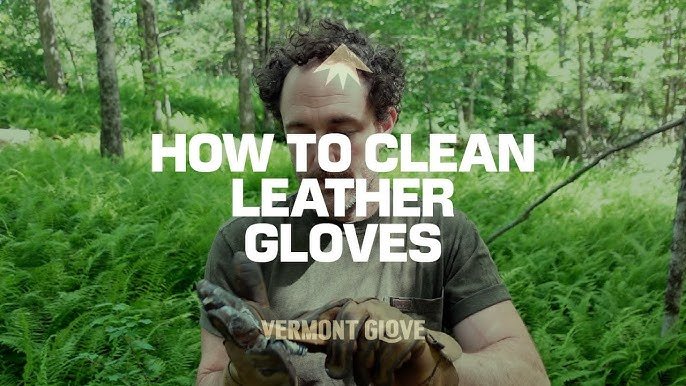
Your garden gloves are more than just a tool—they protect your hands, keep dirt away, and make gardening easier. But if you don’t take care of them, they won’t last long.
Imagine reaching for your gloves only to find them worn out or stiff. Frustrating, right? Knowing how to maintain your garden gloves properly saves you money and keeps your hands safe every time you work outside. You’ll discover simple, effective tips to clean, store, and care for your gloves so they stay comfortable and ready for your next gardening session.
Keep reading to learn how a little care can make a big difference.
Choosing The Right Gloves
Garden gloves protect your hands from dirt and cuts. Picking the right gloves helps you work better and stay safe.
Different gloves suit different garden tasks. It is important to know which gloves fit your needs.
Materials And Their Durability
Gloves come in many materials. Some last longer and protect better than others.
Leather gloves are strong and last long. They protect well but can be stiff at first.
- Leather: durable, good for rough tasks
- Rubber: waterproof, good for wet work
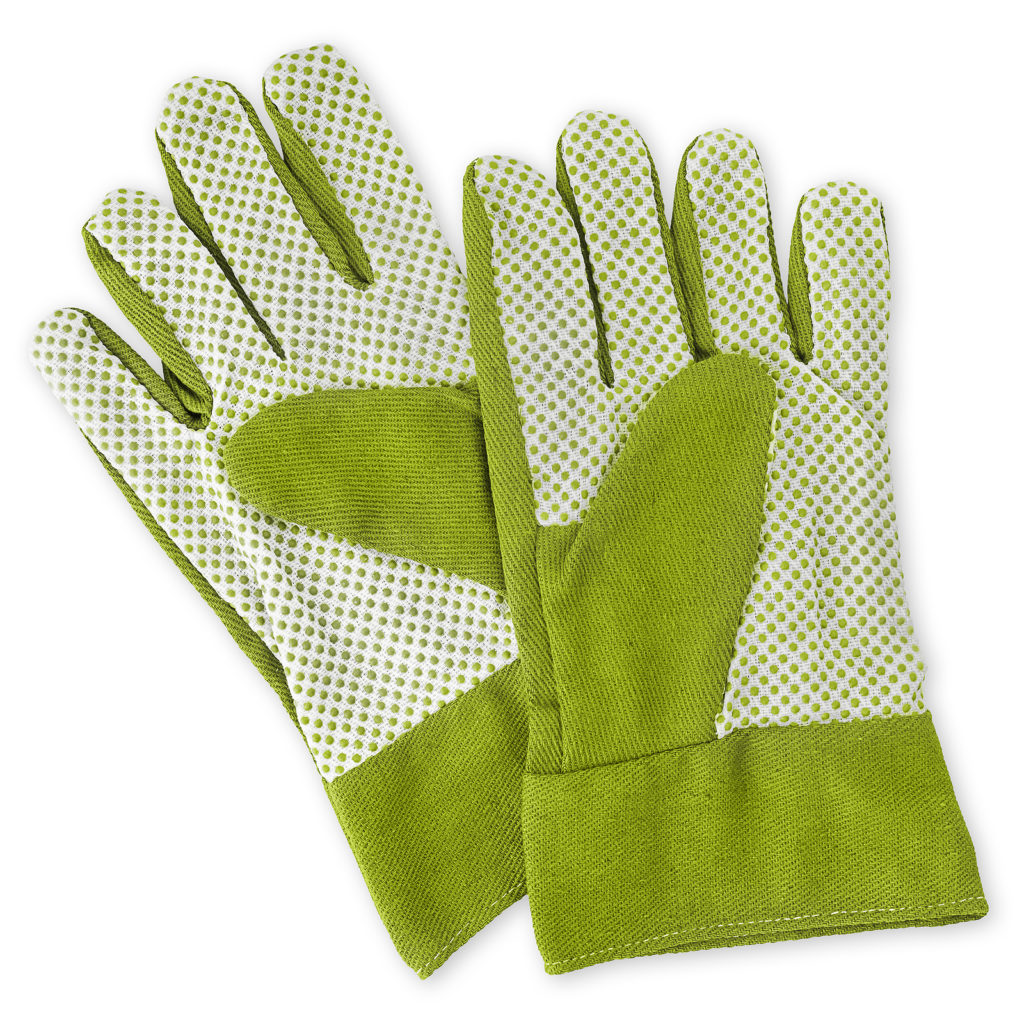
- Fabric: breathable, best for light tasks
- Nitrile: strong and flexible, good for chemicals
Selecting Gloves For Different Tasks
Choose gloves based on the task you will do. Some gloves protect better against sharp tools.
Use thick gloves for pruning or handling thorns. Use thin gloves for planting seeds or light weeding.
- Pruning: thick leather gloves to avoid cuts
- Planting: thin fabric gloves for comfort
- Watering: rubber gloves to keep hands dry
- Using chemicals: nitrile gloves for safety

Credit: leafyisland.com
Cleaning Techniques
Keeping your garden gloves clean helps them last longer. Dirt and stains can damage the material over time. Regular cleaning keeps them safe and comfortable to wear.
Use proper methods based on the glove material. This guide shows how to remove dirt, wash, and dry gloves without causing harm.
Removing Dirt And Debris
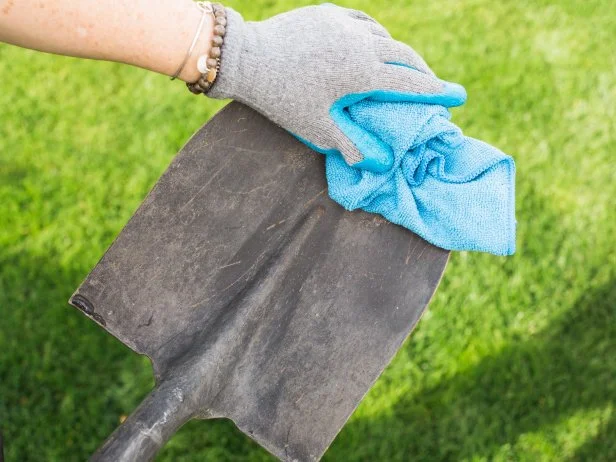
Start by shaking off loose dirt outside. Use a soft brush to remove stuck-on soil and plant matter. For heavy mud, let gloves dry before brushing.
- Shake gloves to remove loose dirt
- Brush off dried mud with a soft brush
- Use a damp cloth for sticky debris
- Check seams and fingertips carefully
Washing Methods For Various Materials
Different gloves need different washing methods. Cloth gloves can handle soap and water. Leather gloves need gentle cleaning. Rubber gloves can be rinsed easily.
| Glove Material | Washing Method | Notes |
| Cloth | Hand wash with mild soap | Avoid bleach to keep fabric strong |
| Leather | Wipe with damp cloth and leather cleaner | Do not soak in water |
| Rubber | Rinse with water, use mild detergent if needed | Dry inside and out |
Drying Without Damage
Dry gloves away from direct heat or sun. Heat can make materials shrink or crack. Instead, air dry gloves flat or on a hanger in shade.
- Do not use a dryer or heater
- Turn gloves inside out to dry fully
- Keep them in a well-ventilated area
- For leather, apply conditioner after drying
Storage Tips
Proper storage keeps garden gloves in good shape. It helps gloves last longer and stay clean.
Storing gloves the right way prevents damage and makes them ready for use next time.
Ideal Storage Conditions
Keep gloves in a cool, dry place away from sunlight. Heat can weaken glove materials over time.
Store gloves where air can flow. This stops smells and keeps them fresh.
- Use a shelf or drawer for storage
- Keep gloves away from direct sunlight
- Store them flat or hung up
- Separate gloves from sharp tools
Avoiding Moisture And Mold
Moisture causes gloves to smell and grow mold. Always dry gloves before storing them.
Check gloves regularly for dampness. Air them out if needed to prevent mold growth.
- Dry gloves completely after use
- Store in a breathable container or bag
- Keep gloves away from damp places
- Use silica gel packs to absorb moisture
Credit: www.hgtv.com
Repair And Maintenance
Garden gloves protect your hands from dirt and thorns. Keeping them in good shape saves money and helps your work.
Small repairs can extend the life of your gloves. Knowing when to replace them keeps your hands safe and comfortable.
Fixing Small Tears And Holes
Look closely at your gloves after each use. Small tears and holes let dirt and moisture in. Fix them quickly to avoid bigger damage.
- Clean the glove surface before repair.
- Use a needle and strong thread to sew small tears.
- Apply fabric glue for tiny holes to seal them.
- Patch larger holes with extra material or leather pieces.
- Let glue or patches dry completely before use.
When To Replace Your Gloves
Check your gloves for signs of wear that repair cannot fix. Replace them to keep your hands safe and clean.
| Condition | Reason to Replace |
| Large tears or holes | Cannot keep dirt or moisture out |
| Worn-out palm grip | Hands may slip and cause injury |
| Severe stiffness or cracking | Gloves lose flexibility and comfort |
| Persistent bad smell | Indicates bacteria build-up |
| Material thinning | Offers less protection |
Additional Care Tips
Garden gloves protect your hands during outdoor work. Caring for them helps keep them strong and clean.
Good care extends the life of your gloves and keeps them comfortable to wear.
Protecting Against Chemicals
Some garden tasks involve chemicals like fertilizers or pesticides. These can damage gloves quickly.
Wear gloves that resist chemicals and clean them after each use to remove harmful residues.
- Rinse gloves with water after chemical exposure
- Use mild soap if needed to clean thoroughly
- Dry gloves away from direct sunlight to avoid cracks
- Replace gloves if they show cracks or stiffness
Using Gloves Properly To Extend Life
Using your gloves the right way helps them last longer. Avoid stretching or tearing them.
Take off gloves carefully and store them in a dry place after each use.
- Put gloves on and off gently to avoid damage
- Keep gloves away from sharp tools when not in use
- Store gloves in a cool, dry spot to prevent mold
- Check gloves regularly for signs of wear or holes
Credit: harvesttotable.com
Frequently Asked Questions
How Often Should I Clean Garden Gloves?
Clean garden gloves after every use to prevent dirt buildup. Regular washing maintains hygiene and extends glove life.
What Is The Best Way To Dry Garden Gloves?
Air dry garden gloves in a shaded area. Avoid direct sunlight to prevent material damage and shrinkage.
Can I Machine Wash My Garden Gloves?
Check the label; some gloves are machine washable. Use a gentle cycle with mild detergent for best results.
How Do I Remove Stubborn Stains From Garden Gloves?
Use a soft brush and mild soap to scrub stains. Rinse thoroughly and dry naturally to maintain glove quality.
Conclusion
Caring for garden gloves keeps them lasting longer. Clean them regularly to remove dirt. Dry them properly to prevent mold. Store them in a cool, dry place. Check for any damages and repair them promptly. Choose quality materials for durability.
Following these tips ensures your gloves stay in top condition. Enjoy gardening with comfortable and effective gloves. Happy gardening!