Have you ever struggled to measure angles accurately and ended up with results that just don’t feel right? Whether you’re working on a DIY project, studying geometry, or tackling engineering tasks, precise angle measurement is key to getting things done perfectly.
You’ll discover simple yet powerful techniques that make measuring angles easy and exact. Stick with me, and by the end, you’ll have the confidence and skills to measure any angle with precision every time. Ready to improve your accuracy and avoid costly mistakes?
Let’s dive in!
Tools For Angle Measurement
Measuring angles accurately is important in many tasks. There are different tools to help you do this. Each tool has its own way of working and benefits.
Understanding these tools helps you pick the right one for your project. This guide explains the main tools used for precise angle measurement.
Protractors
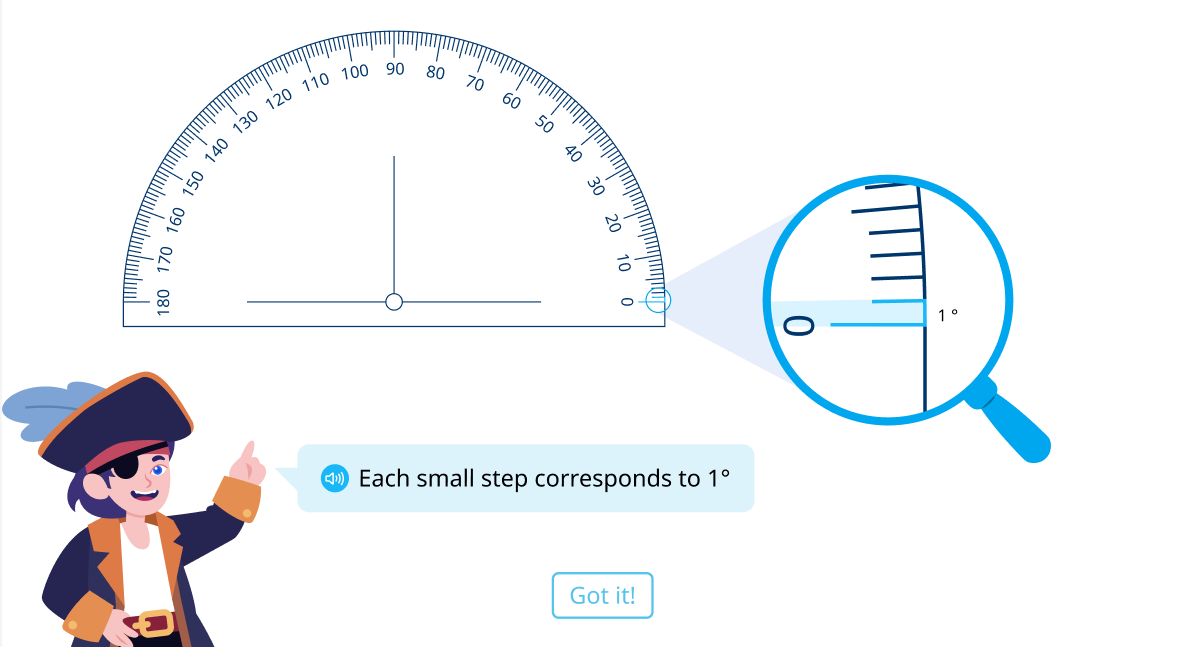
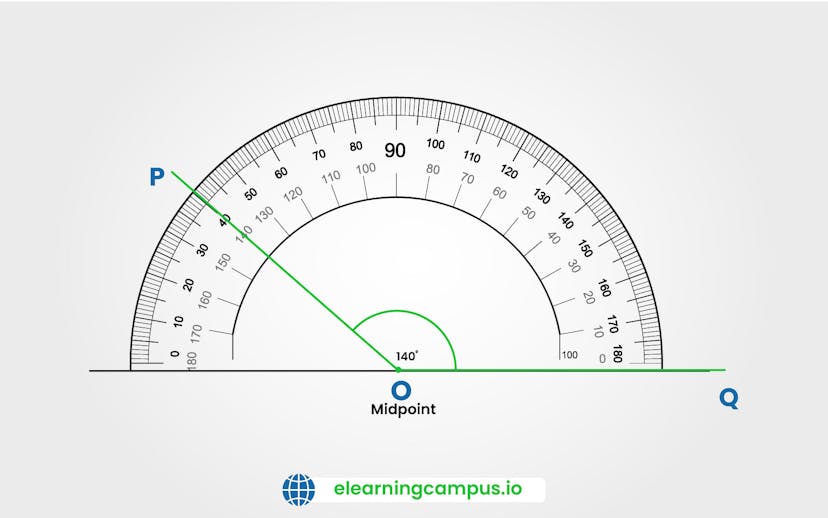
Protractors are simple tools for measuring angles in degrees. They usually have a semicircular shape with degree markings from 0 to 180. You place the protractor’s center point on the angle’s vertex to read the measurement.
Digital Angle Finders
Digital angle finders show angle measurements on a screen. They are very easy to read and often more precise than manual tools. These devices can measure angles between two surfaces or objects quickly.
- Easy to use with digital display
- Measures angles in degrees and sometimes radians
- Can store or lock measurements
- Useful for woodworking and metalworking
Angle Gauges
Angle gauges help check the angle between two parts. They come in different shapes like bevels or squares. You adjust the gauge to fit the angle and then read the measurement from a scale or digital screen.
| Type | Use | Measurement Method |
|---|---|---|
| Bevel Gauge | Set and transfer angles | Manual scale |
| Digital Angle Gauge | Quick digital readout | Electronic sensor |
| Fixed Angle Gauge | Check common angles | Pre-set angles |
Combination Squares
Combination squares are multi-use tools. They include a ruler and a head that can measure 90 and 45 degree angles. The head slides along the ruler and locks in place for marking and checking angles.
- Measures 90 and 45 degree angles
- Used for marking and measuring
- Includes a ruler for length measurement
- Common in carpentry and metalwork
Credit: happynumbers.com
Preparing For Accurate Measurement
Measuring angles accurately needs careful preparation. Small mistakes can cause big errors in the results.
Use the right tools and set them up well. Also, make sure the surface is steady before measuring.
Selecting The Right Tool
Choose a tool that fits the angle size and precision you need. Common tools include protractors, angle finders, and digital inclinometers.
- Protractors for simple angle measurements
- Digital inclinometers for high precision
- Angle finders for measuring unknown angles
- Combination squares for right angles
Calibrating Instruments
Check and adjust your tools before use. Calibration ensures the tool shows correct readings.
| Tool | Calibration Method | Frequency |
| Protractor | Align with a known 90° angle | Before each use |
| Digital Inclinometer | Place on a flat surface and zero it | Daily or before measurement |
| Angle Finder | Compare with a standard angle gauge | Weekly |
Ensuring A Stable Surface
A steady surface prevents slipping and errors. Use a flat and firm surface to place your tool and object.
- Clear the surface from dust and debris
- Use clamps to hold objects in place
- Avoid working on uneven or shaky tables
- Check that the tool sits flat without wobbling
Techniques To Measure Angles Precisely
Measuring angles accurately is important in many tasks like drawing, building, and science. Using the right techniques helps you get exact results every time.
This guide explains simple ways to measure angles with precision. Follow these tips to improve your skills and avoid mistakes.
Aligning The Tool Correctly
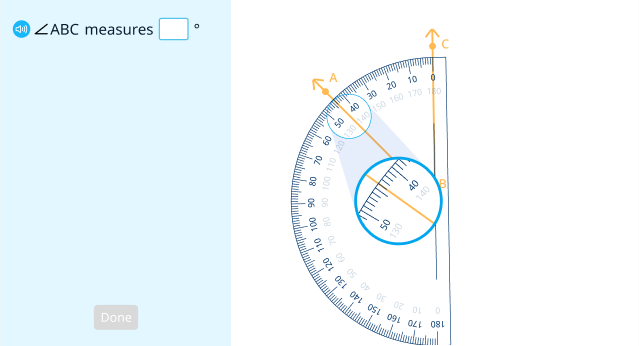
Place your protractor or angle tool so it matches the angle’s vertex. The center hole or mark on the tool must sit exactly at the angle point.
Make sure one side of the angle lines up with the zero line on the tool. This alignment helps you get a true reading without errors.
- Find the vertex point of the angle
- Place the tool’s center hole on the vertex
- Align one arm of the angle with the zero line
- Keep the tool steady to avoid shifting
Reading Measurements Properly
Look carefully at where the other arm of the angle crosses the tool’s scale. This point shows the angle measurement in degrees.
Check if you are reading the inner or outer scale on the protractor. Using the wrong scale can cause mistakes.
- Identify the scale that starts at zero with the aligned arm
- Read the number where the other arm crosses the scale
- Double-check the scale direction before recording
Using Reference Points
Use nearby lines or edges as reference points to help position the tool. This makes it easier to keep the tool steady and correct.
Marking points on paper or the surface helps you align the tool faster. These references reduce errors during measurement.
- Look for straight edges near the angle
- Mark the vertex and arms lightly if needed
- Use these marks to place and hold the tool
- Check references again before reading
Credit: happynumbers.com
Common Errors And How To Avoid Them
Measuring angles precisely is important in many fields. Small mistakes can cause big problems. Knowing common errors helps you get accurate results.
This guide explains three common errors and how to avoid them for better angle measurement.
Parallax Errors
Parallax error happens when you do not look straight at the measuring scale. This error makes the reading wrong.
- Always align your eye with the measurement mark.
- Use instruments with a mirror scale to reduce parallax.
- Check readings twice from different angles.
- Keep the scale clean and well-lit.
Instrument Wear And Tear
Old or damaged tools can give wrong angle readings. Parts may loosen or scales may fade over time.
| Problem | Effect | Solution |
| Loose screws | Angle shifts during measurement | Tighten screws before use |
| Faded scale | Hard to read exact angle | Replace or recalibrate tool |
| Rust or dirt | Blocks smooth movement | Clean and oil regularly |
Environmental Factors
Temperature, light, and wind affect angle measurement. These factors can change tool size or cause shaky hands.
Tips to reduce environmental errors:
- Measure indoors or in calm weather.
- Avoid direct sunlight on scales to prevent glare.
- Use stable stands to hold tools steady.
- Let tools adjust to room temperature before use.
Advanced Tips For Professionals
Measuring angles precisely is vital in many professional fields. Small errors can cause big problems.
Use advanced techniques and tools to improve your accuracy and confidence in angle measurements.
Using Digital Tools Effectively
Digital protractors and angle finders provide quick and precise readings. Learn to read them correctly.
Calibrate the device before use. Hold it steady to avoid shaky results. Use the digital display for exact numbers.
- Check battery levels to ensure full power
- Use hold or freeze functions to lock readings
- Pair digital tools with manual checks for reliability
Recording And Verifying Measurements
Write down angle measurements immediately to avoid forgetting or mixing them up. Use clear labels.
Double-check your notes by measuring the angle again. Use a different tool if possible to confirm accuracy.
- Keep a logbook for all measurements
- Review notes before starting the next step
- Verify angles from both directions if possible
Maintaining Equipment Accuracy
Clean your tools after every use to prevent dust and dirt buildup. This keeps measurements precise.
Store tools in protective cases to avoid damage. Regularly check calibration and adjust if needed.
- Inspect tools for wear or damage before use
- Follow the manufacturer’s calibration schedule
- Replace batteries to avoid weak signals
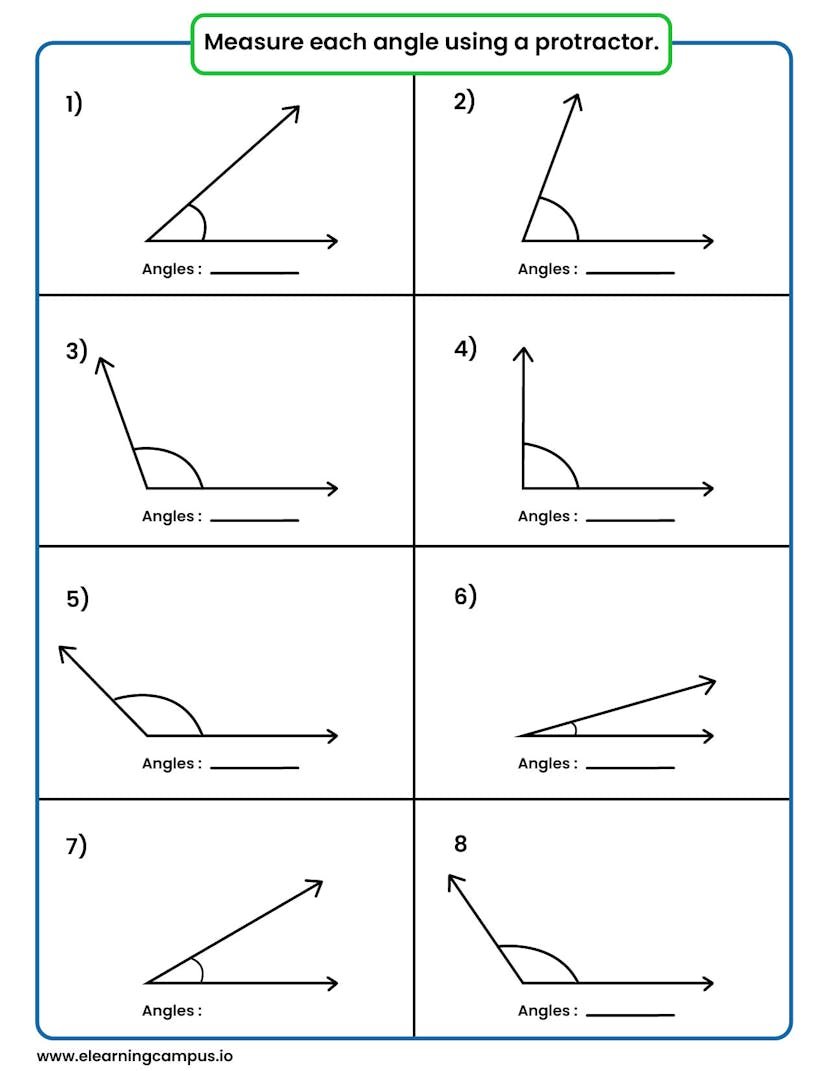
Credit: www.elearningcampus.io
Frequently Asked Questions
What Tools Are Best For Measuring Angles Precisely?
The best tools include protractors, digital angle finders, and bevel gauges. These tools offer accuracy and ease of use for various tasks.
How Do You Use A Protractor To Measure Angles?
Align the protractor’s center hole with the angle vertex. Read the scale where the angle line meets the protractor edge for the measurement.
Can Digital Angle Finders Improve Measurement Accuracy?
Yes, digital angle finders provide precise and quick angle readings. They reduce human error and are ideal for detailed projects.
What Is The Difference Between A Protractor And A Bevel Gauge?
A protractor measures angles directly, while a bevel gauge transfers or sets angles. Both are essential for precision in measurements.
Conclusion
Measuring angles precisely can be simple with the right tools. Start with a protractor for small angles. For larger angles, a digital angle finder works well. Practice makes perfect. Double-check your measurements for accuracy. With these tips, you’ll measure like a pro in no time.
Remember to stay patient and focused. Precision is key in getting exact results. Keep practicing and improving. Soon, precise measurements will become second nature. Understanding angles can help in various tasks and projects. Happy measuring!