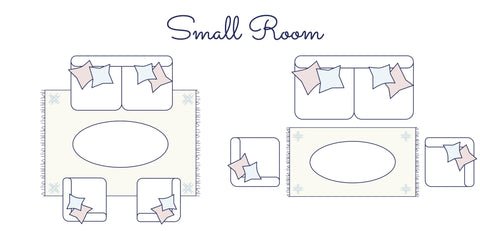
Are you ready to transform your space but unsure how to place your furniture perfectly? Measuring for furniture placement might seem tricky, but it’s the key to creating a room that feels just right.
When you get your measurements right, you avoid clutter, make your space feel larger, and create a flow that welcomes you every time you walk in. You’ll discover simple, step-by-step tips to measure your room and furniture like a pro—so you can arrange your space with confidence and style.
Keep reading, and soon you’ll know exactly how to make your furniture fit your home and your life perfectly.

Credit: www.youtube.com
Essential Tools For Measuring
Measuring space correctly is important before placing furniture. It helps to avoid buying items that do not fit well.
Using the right tools makes measuring easier and more accurate. Here are some essential tools for measuring furniture placement.
Tape Measures
Tape measures are a common tool for measuring rooms and furniture. They are flexible and easy to use in small spaces.
You can measure length, width, and height with tape measures. Look for ones with clear markings for better accuracy.
- Portable and easy to carry
- Good for short and medium distances
- Affordable and widely available
Laser Distance Meters
Laser distance meters use light to measure distances quickly. They are useful for large rooms and tall walls.
These devices give accurate results in seconds. They are simple to use with one button and a clear display.
- Measures long distances easily
- Provides digital readouts
- Reduces human error
Measuring Apps
Measuring apps use your smartphone camera to estimate distances. They can save measurements for later use.
These apps are convenient when you don’t have physical tools. They work best with good lighting and clear lines.
- Easy to download and use
- Useful for quick checks
- Some apps allow room layout planning
Preparing The Space
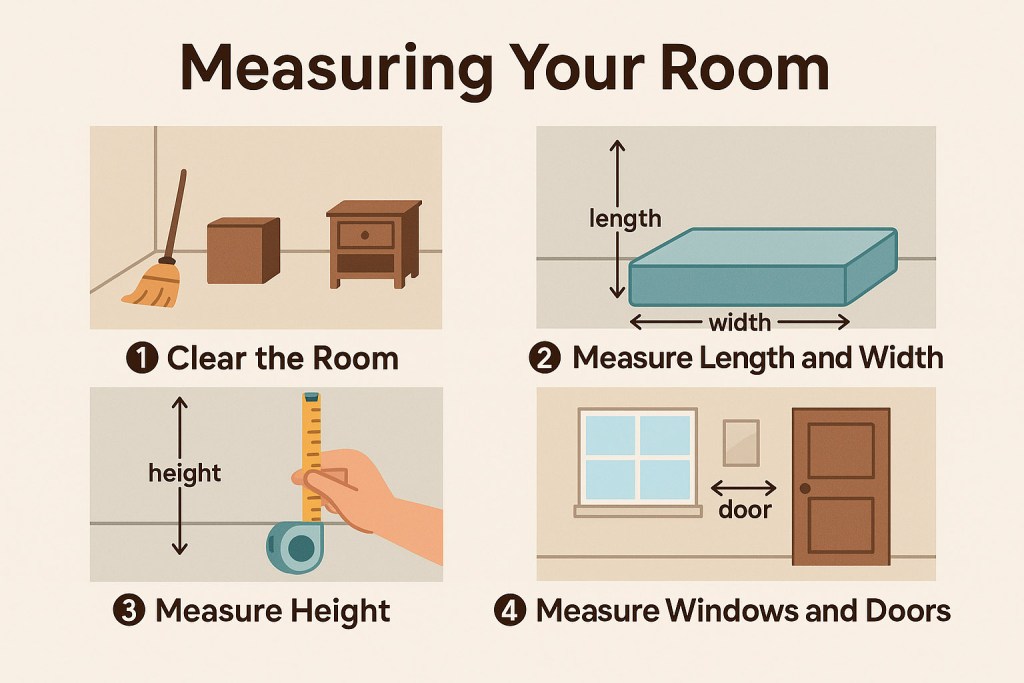
Measuring for furniture placement starts with getting your room ready. Clear the space to see the full area.
Knowing the room’s features and how people move helps you decide where to put furniture.
Clearing The Area
Remove all items that do not belong in the room. This makes it easier to measure the floor and walls.
Clear space helps you imagine where furniture can fit without crowding the room.
Noting Architectural Features
Look for doors, windows, vents, and built-in shelves. These features limit where furniture can go.
Measure the size of these features and mark their locations on your floor plan.
- Door swings and clearance space
- Window height and width
- Heating and cooling vents
- Built-in shelves or cabinets
Considering Traffic Flow
Think about how people walk through the room. Keep paths clear for easy movement.
Plan at least 2 to 3 feet of walking space between furniture pieces and walls.
- Entry and exit points
- Main walking routes
- Space around seating areas
- Access to windows and doors
Taking Accurate Measurements
Measuring your space correctly helps you pick the right furniture size. It avoids buying pieces that don’t fit well.
Use a tape measure and note all important dimensions. Write down your measurements clearly to plan your room.
Measuring Room Dimensions
Start by measuring the length and width of the room. Measure from wall to wall at the floor level.
Check for any irregular shapes or alcoves in the room. Measure these areas separately to avoid mistakes.
- Use a metal tape measure for accuracy
- Measure twice to confirm numbers
- Record measurements in feet and inches
- Note any wall features like radiators or vents
Measuring Doors And Windows
Measure the width and height of all doors and windows. Include the frames in your measurements.
Note the distance from the floor to the bottom of the window or door frame. This helps with furniture height planning.
- Measure the door or window opening
- Measure the trim or casing width
- Record the distance to nearby walls or corners
Checking Ceiling Height
Measure the height from the floor to the ceiling. This helps you choose furniture that fits well in the space.
Note if there are any beams or sloped areas that reduce height. Measure at several points if the ceiling is uneven.
- Use a tape measure or laser measure
- Measure near walls and at room center
- Record any variations in height
Measuring Furniture Dimensions
Measuring furniture is important before placing it in a room. It helps to ensure the furniture fits well and looks good.
Use a tape measure to get the exact size. Measure each part carefully for the best fit.
Width
Measure the width from one side to the other. This is the longest horizontal part of the furniture.
Include any arms or edges that stick out. Do not forget to add space for movement around the furniture.
Depth
Depth is how far the furniture goes from front to back. Measure from the front edge to the back edge.
Make sure to count any parts that extend, like reclining seats or drawers.
Height
Measure height from the floor to the top of the furniture. Include the tallest part, like a backrest or headboard.
Check if cushions or pillows add extra height before measuring.
Account For Cushions And Extensions
Cushions can change the size of furniture. Measure with cushions in place to get the real size.
For furniture with extensions, measure the size when extended and folded. This helps plan space for both positions.
- Measure cushions separately if removable
- Measure furniture fully extended
- Measure furniture in its compact form
Measuring Unusual Shapes
Some furniture has curves or odd shapes. Use a flexible tape to follow the shape’s edges.
Break the shape into parts. Measure each part and add the numbers for total size.
- Measure curved edges carefully
- Measure each section separately
- Add measurements for total length or width
Mapping Out Furniture Placement
Measuring for furniture placement helps you use your space well. It makes sure your furniture fits and looks good.
Planning where each piece will go saves time and avoids mistakes. It creates a comfortable and organized room.
Creating A Floor Plan
A floor plan is a simple drawing of your room from above. It shows walls, doors, and windows.
Draw your room on paper first. Measure the length and width of walls. Mark doors and windows too.
- Use a tape measure for accurate dimensions
- Mark fixed features like radiators or vents
- Label each wall with its length
- Include door swing directions
Using Scale Drawings
Scale drawings shrink your room and furniture to fit on paper. This helps you see how things fit together.
Pick a scale like 1 inch equals 1 foot. Draw the room and each furniture piece to this scale.
- Cut out furniture shapes from paper
- Move shapes around on the floor plan
- Try different arrangements easily
- Check for enough walking space
Digital Room Planners
Digital room planners are apps or websites. They let you create a room model on a computer.
You can add furniture, change sizes, and see your room in 3D. This tool helps you plan with less effort.
- Select your room shape and size
- Drag and drop furniture pieces
- Try different styles and layouts
- View your room from different angles

Credit: belfurniture.com
Adjusting For Comfort And Function
Measuring for furniture placement helps make a room both comfy and useful. It ensures your space feels good and works well.
Good measurement lets you avoid crowding and keeps walking paths clear. It also balances looks with how you use the room.
Allowing Clearance Space
Clearance space means leaving room around furniture for comfort. It stops the room from feeling tight or hard to move in.
Keep enough space between pieces so people can sit and stand easily. Also, make sure doors and drawers open without hitting anything.
- Leave at least 18 inches between chairs and tables
- Keep 30-36 inches for main walking paths
- Allow 12-15 inches for small gaps around furniture
Considering Movement Paths
Movement paths show where people walk in a room. Measuring helps plan paths that are smooth and direct.
Think about where people enter and exit. Clear paths make the room easier and safer to use every day.
- Mark main doors and hallways
- Avoid placing furniture in busy paths
- Use rugs or lighting to guide movement
Balancing Aesthetics And Practicality
Good furniture placement looks nice and works well. Measure to keep things even and not crowded.
Think about how furniture fits the room shape and size. Choose spots that feel natural and keep space open.
Common Mistakes To Avoid
Measuring for furniture placement needs care. Mistakes can waste time and money.
Knowing what to watch out for makes your space work better. Avoid these common errors.
Ignoring Door Swing
Doors need space to open fully. Ignoring door swing causes blocked paths and damage.
- Measure the door’s full swing radius before placing furniture.
- Keep clearance for people to enter and exit easily.
- Avoid placing large items that block door movement.
Overlooking Electrical Outlets
Electrical outlets affect where you can place lamps and electronics. Forgetting them causes hassle.
| Common Outlet Issues | Solutions |
| No outlet near furniture | Use extension cords safely or move furniture |
| Outlets behind large furniture | Keep access space for plugs |
| Blocked outlet by bulky items | Choose furniture with built-in power access |
Underestimating Furniture Bulk
Furniture looks smaller on paper. Real size and bulk may crowd your room.
Keep these tips in mind to avoid this mistake:
- Measure furniture width, depth, and height carefully.
- Consider walking space around each piece.
- Think about how furniture affects room flow.
- Account for cushions and extra parts that add size.
Credit: luxemattresses.co.uk
Frequently Asked Questions
How Do I Measure A Room For Furniture Placement?
Measure the room’s length, width, and height using a tape measure. Note doorways, windows, and obstructions for accurate planning. Draw a scaled floor plan to visualize furniture placement effectively.
What Tools Are Needed To Measure For Furniture?
Use a tape measure, laser measure, pencil, and graph paper. A digital measuring app can also help for precise and quick measurements. These tools ensure accurate furniture placement planning.
How Much Space Should I Leave Around Furniture?
Leave at least 18-24 inches between furniture pieces for comfortable movement. Maintain clear pathways and space for doors to open easily. Proper spacing enhances room flow and usability.
Why Is Measuring Before Buying Furniture Important?
Measuring ensures furniture fits well and complements the room’s layout. It prevents costly returns and overcrowding. Accurate measurements help select pieces that maximize space and functionality.
Conclusion
Measuring furniture placement can transform your space. Start with room dimensions. Visualize where each piece will fit. Use a tape measure for accuracy. Consider doorways and walkways. Balance functionality with style. Sketch your layout on paper. Adjust as needed. Your space should feel open and inviting.
Planning prevents crowded or awkward arrangements. Remember, each room is unique. Trust your instincts. Experiment with different arrangements. Make your home feel cozy and functional. Happy decorating!