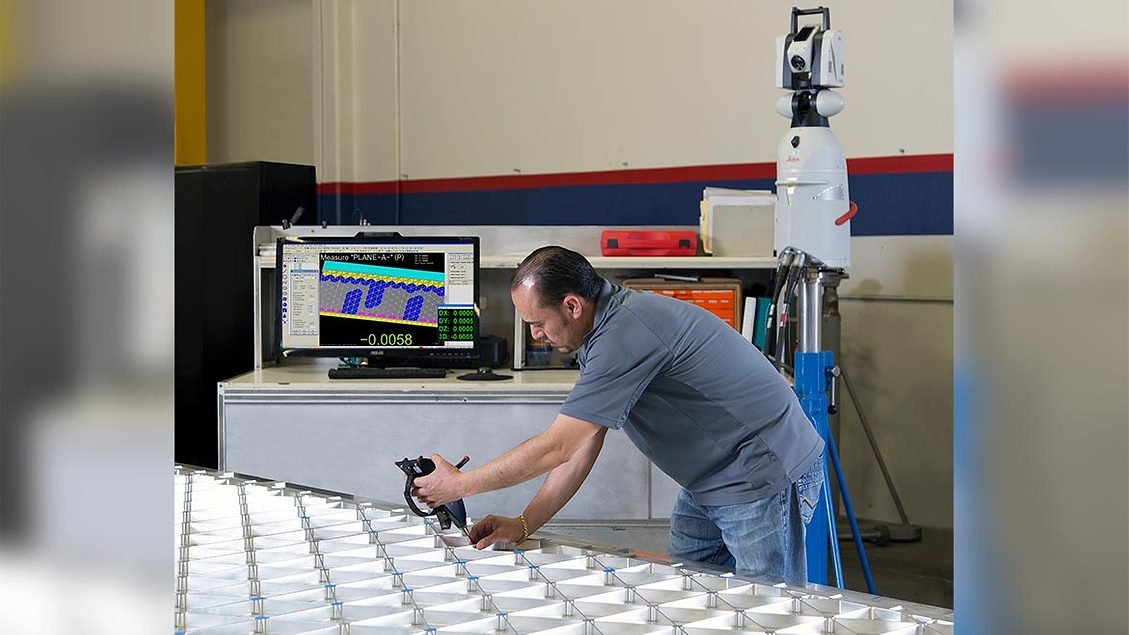
Are you struggling to get precise measurements for your panels? Knowing the exact thickness can make a huge difference in your project’s success.
Whether you’re working with wood, metal, or plastic, measuring thickness accurately ensures quality and saves you time and money. You’ll discover simple yet effective methods to measure panel thickness with confidence. Keep reading, and you’ll never have to worry about guesswork again.
Credit: www.defelsko.com
Choosing The Right Tools
Measuring the thickness of panels accurately needs the right tools. Using correct tools helps get exact results every time.
Different tools work best for different types of panels and thickness ranges. Choose tools based on your panel material and size.
Calipers And Micrometers
Calipers and micrometers are simple tools for measuring panel thickness. They work well for thin and small panels.
Calipers can measure outside, inside, and depth dimensions. Micrometers give very precise thickness measurements.
- Calipers are easy to use and read.
- Micrometers measure thickness to the nearest 0.01 mm.
- Both tools require physical contact with the panel.
- Best for flat, accessible panel edges.
Ultrasonic Thickness Gauges
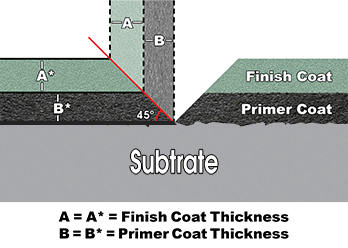
Ultrasonic gauges measure thickness without damaging the panel. They send sound waves through the material.
This tool works well for thick or layered panels and painted surfaces. It can measure from one side only.
- Non-contact measurement with quick results.
- Good for metal, plastic, and composite panels.
- Requires calibration for different materials.
- Useful for hard-to-reach areas.
Laser Measurement Devices
Laser devices use light beams to measure panel thickness. They offer fast and precise readings.
These tools work well on smooth, reflective surfaces. They can measure thickness without touching the panel.
- High accuracy and speed.
- Ideal for quality control in factories.
- May be less effective on rough or dark surfaces.
- Often used for thin panels or films.
Credit: www.defelsko.com
Preparing Panels For Measurement
Accurate measurement of panel thickness starts with proper preparation. Cleaning, flattening, and marking are key steps before using any tool.
These steps help avoid errors and give reliable thickness readings for your panels.
Cleaning The Surface
Remove all dirt, dust, and grease from the panel surface. Use a clean cloth and mild cleaner for best results.
- Wipe with a dry cloth to remove loose dust
- Apply mild soap or panel cleaner on a damp cloth
- Gently scrub the surface to remove stains or grease
- Dry completely before measuring
Ensuring Flatness
Check if the panel lies flat on a smooth surface. Warps or bends cause incorrect thickness readings.
| Condition | Action |
| Flat panel | Place on measuring surface |
| Warped or bent panel | Use clamps or weights to flatten gently |
| Severely curved panel | Reconsider measurement method or panel selection |
Marking Measurement Points
Mark spots on the panel where thickness will be measured. This ensures consistent and repeatable readings.
- Use a pencil or erasable marker to make small marks
- Space marks evenly across the panel surface
- Avoid marks near edges or damaged areas
- Double-check marks before measuring
Step-by-step Measurement Techniques
Measuring the thickness of panels accurately is important for quality and fit. Using correct tools and methods helps get precise results.
This guide explains how to measure panel thickness using simple steps and tools. Follow these tips to avoid mistakes.
Using Mechanical Tools Correctly
Mechanical tools like calipers and micrometers are common for measuring thickness. Use them with care for best results.
First, clean the panel surface and tool jaws. Place the tool firmly but gently on the panel. Read the scale or dial slowly.
- Zero the tool before use
- Hold the tool perpendicular to the panel
- Do not squeeze too hard to avoid damage
- Take multiple readings and average them
Employing Ultrasonic Methods
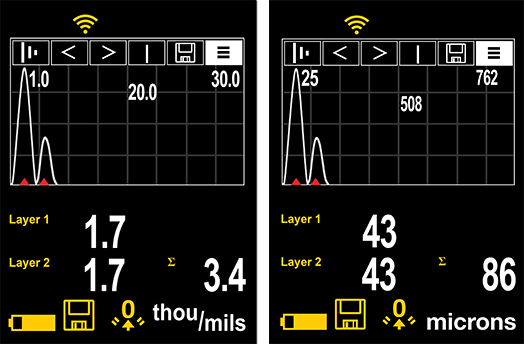
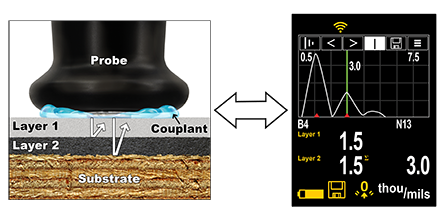
Ultrasonic thickness gauges use sound waves to measure thickness without touching the panel. They work well on painted or coated surfaces.
Apply a small amount of couplant gel on the panel. Place the probe on the gel and wait for the reading. The device shows thickness digitally.
- Ensure good contact between probe and panel
- Use the right ultrasonic frequency for the panel type
- Calibrate the device regularly
- Check the panel material settings on the device
Avoiding Common Errors
Many errors happen when measuring panel thickness. Avoid these mistakes to get accurate results every time.
- Do not measure on dirty or uneven surfaces
- Avoid measuring near edges or holes
- Do not rush the measurement process
- Check tools for damage before use
- Repeat measurements and compare results
Credit: www.defelsko.com
Interpreting Measurement Results
Measuring panel thickness is important for quality control. Understanding the results helps in making accurate decisions. Learn how to interpret measurement data correctly.
Pay attention to tolerances, record data carefully, and compare readings to ensure accuracy. These steps reduce errors and improve reliability.
Understanding Tolerances
Tolerances define the acceptable range of thickness for a panel. They show how much a measurement can vary without causing problems. Knowing the tolerance helps you decide if a panel meets standards.
- Check the tolerance values provided by the manufacturer or design.
- Compare your measured thickness to these values.
- Accept panels within tolerance limits.
- Reject panels that are too thick or too thin.
Recording Data Accurately
Accurate data recording is key to trustworthy results. Write down each measurement carefully. Use consistent units and label each reading clearly.
| Measurement Point | Thickness (mm) | Notes |
|---|---|---|
| Point A | 12.5 | Near edge |
| Point B | 12.7 | Center panel |
| Point C | 12.6 | Opposite edge |
Comparing Multiple Readings
Take several thickness readings at different points. Compare these values to spot inconsistencies. This helps find errors or uneven surfaces.
- Measure at least three points on the panel.
- Calculate the average thickness.
- Look for any readings outside the tolerance range.
- Use the data to decide if the panel is acceptable.
Maintaining Measurement Equipment
Accurate panel thickness depends on well-maintained tools. Keeping your measurement equipment in top shape ensures precise results every time.
Regular care helps avoid errors caused by worn or damaged parts. Follow good habits to extend your tool’s life and reliability.
Regular Calibration
Calibration adjusts your tools to measure correctly. Without it, readings can drift and cause mistakes.
- Set a schedule for calibration based on use frequency.
- Use certified calibration standards and tools.
- Record each calibration for future reference.
- Have a trained technician perform or verify calibrations.
- Recalibrate immediately if the tool is dropped or damaged.
Proper Storage
Store measurement tools carefully to avoid damage. Keep them in clean, dry places away from extreme temperatures.
| Storage Tip | Reason |
|---|---|
| Use protective cases | Prevents scratches and impacts |
| Keep tools dry | Stops rust and corrosion |
| Store away from direct sunlight | Avoids warping and fading |
| Organize tools properly | Reduces risk of loss or damage |
Routine Inspections
Check your tools regularly for wear or damage. Inspections catch problems early before they affect measurements.
- Look for cracks, dents, or loose parts.
- Clean tools after each use to remove dust and debris.
- Test moving parts for smooth function.
- Replace worn or broken parts promptly.
- Verify accuracy against a known standard.
Tips For Different Panel Materials
Measuring the thickness of panels is important for many projects. Different materials need different tools and care. This guide helps you measure metal, plastic, and composite panels accurately.
Using the right method saves time and avoids mistakes. Read the tips below to measure each material correctly.
Measuring Metal Panels
Metal panels can be thin or thick and sometimes hard to measure. Use a caliper for the best accuracy. Avoid bending the panel when measuring.
Make sure the caliper jaws touch the metal surface flatly. Take multiple measurements at different points. This helps find any variation in thickness.
- Use a digital or dial caliper for precise results
- Clean the panel surface to remove dirt or rust
- Measure at least three spots on the panel
- Record the smallest and largest measurements
Measuring Plastic Panels
Plastic panels can be flexible, so handle them gently. A micrometer works well for thin plastic sheets. For thicker plastics, use a caliper.
Place the plastic on a flat surface before measuring. Avoid squeezing the panel tightly to prevent false readings.
- Use a micrometer for thin plastic sheets
- Measure on a flat, stable surface
- Do not press too hard on flexible panels
- Check thickness at different points
Measuring Composite Panels
Composite panels have layers of different materials. Use a caliper or micrometer depending on thickness. Be careful not to damage the edges while measuring.
Measure at the center and near the edges. This shows if the panel has uniform thickness or not.
- Use a caliper for thick composites
- Use a micrometer for thin layers
- Measure in multiple locations on the panel
- Handle edges gently to avoid damage
Frequently Asked Questions
What Tools Are Best For Measuring Panel Thickness?
Calipers and micrometers are the most accurate tools for measuring panel thickness. They provide precise and consistent readings. Digital calipers offer easy-to-read measurements. Choose a tool based on panel material and thickness range for best results.
How Do I Measure Panel Thickness Without Damaging It?
Use non-invasive tools like digital calipers for a safe measurement. Avoid sharp instruments that can scratch or dent the panel. Measure at multiple points to ensure accuracy without harming the surface.
Why Is Accurate Panel Thickness Measurement Important?
Precise thickness ensures structural integrity and proper fit in construction or manufacturing. It affects durability, insulation, and compliance with standards. Accurate measurement helps avoid costly mistakes and ensures quality control.
Can I Measure Panel Thickness With A Ruler?
A ruler is less accurate for measuring panel thickness. It is suitable only for rough estimates on thicker panels. For precise results, use calipers or micrometers designed for thickness measurement.
Conclusion
Measuring panel thickness accurately is essential for any project. Use the right tools. A caliper or micrometer works well for precision. Always check your tools are calibrated. Consistency in your method ensures reliable results. Practice makes perfect in measurement. Recheck measurements to avoid mistakes.
Precision saves time and materials. Understanding these techniques helps in achieving better outcomes. Now, you’re ready to measure panels with confidence. Enjoy your project!