Are you struggling to get accurate measurements for your projects? Knowing how to measure thickness with calipers can save you time and frustration.
Whether you’re working with wood, metal, or plastic, using calipers correctly ensures your measurements are precise every time. In this guide, you’ll discover simple steps to master caliper use, avoid common mistakes, and get results you can trust. Keep reading to take your measuring skills to the next level.

Credit: www.reddit.com
Caliper Types For Thickness
Calipers are tools used to measure the thickness of objects. They help get accurate readings in many fields like engineering and crafts.
There are different types of calipers. Each type has unique features for measuring thickness.
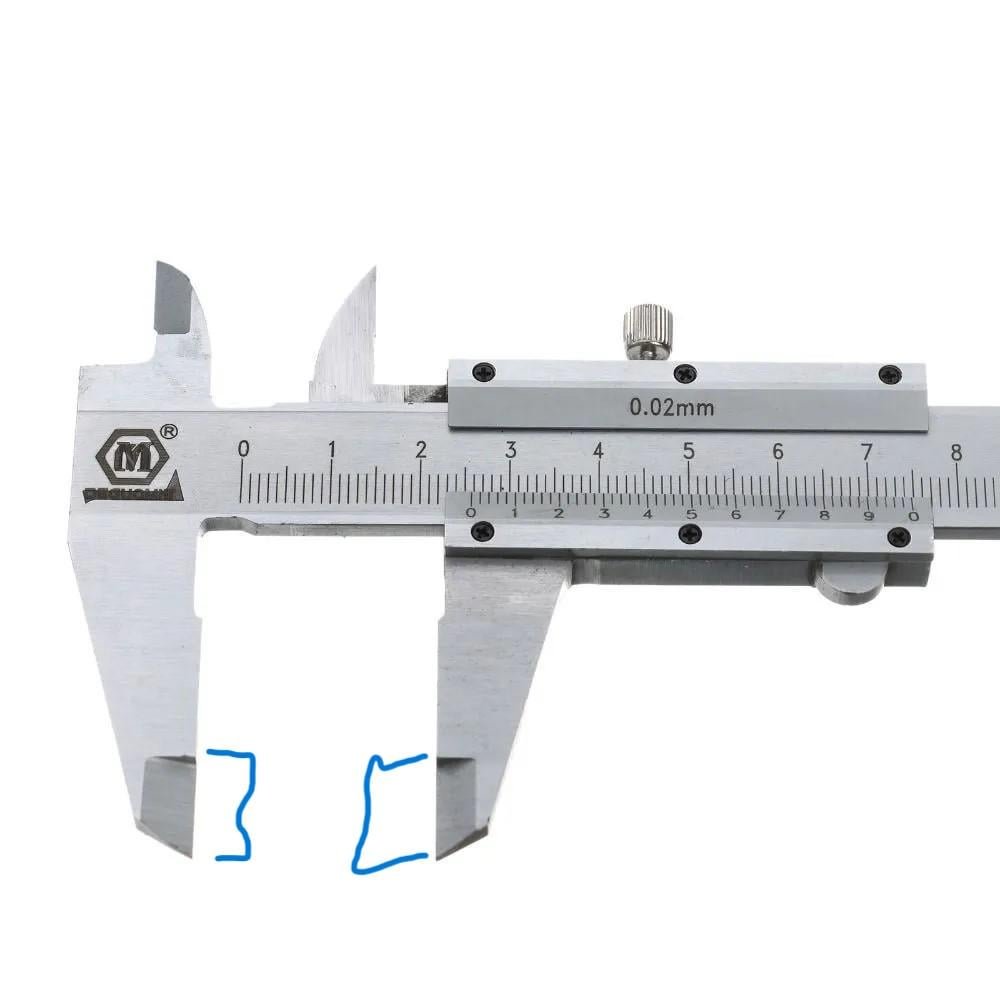
Vernier Calipers
Vernier calipers use a sliding scale to measure thickness. You read values from the main scale and the vernier scale.
They are precise but need careful reading. Vernier calipers do not use batteries or electronics.
- Made of metal with two jaws
- Measures inside and outside thickness
- Requires skill to read scales
Digital Calipers
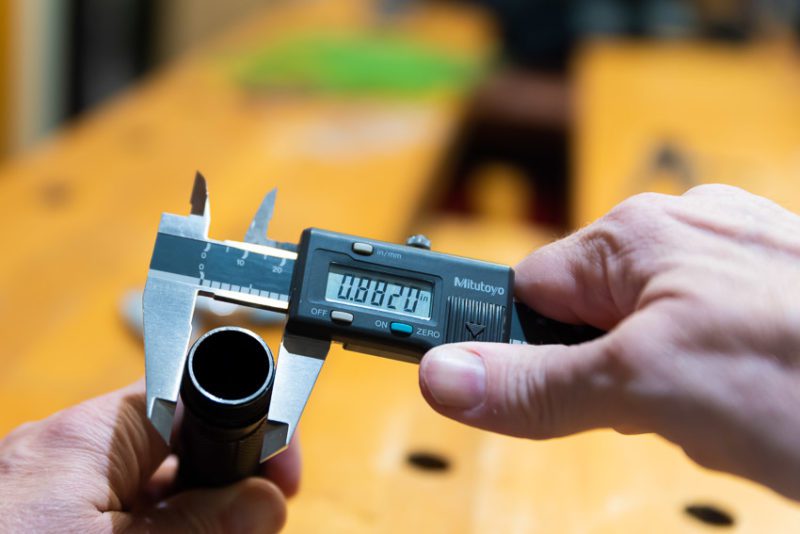
Digital calipers show measurements on a screen. They are easy to read and fast to use.
They use batteries and have buttons to switch units. Digital calipers are popular for quick thickness checks.
- Measures in millimeters or inches
- Has an LCD display
- Can store and reset measurements
Dial Calipers
Dial calipers have a round dial with a needle that shows the measurement. The dial is easy to read at a glance.
They work mechanically and do not need batteries. Dial calipers provide smooth movement for precise measuring.
- Has a circular dial with numbers
- Measures thickness smoothly
- Good for consistent readings
Credit: www.protoolreviews.com
Preparing Calipers For Use
Using calipers to measure thickness requires proper preparation. This ensures accurate and reliable results.
Before measuring, check your calipers carefully. Clean them, set zero, and verify calibration.
Cleaning The Jaws
Clean the jaws of the caliper before each use. Dirt or dust can affect the measurement.
Use a soft cloth or tissue to wipe the jaws gently. Avoid using water or harsh chemicals.
- Remove any dust or debris
- Ensure the jaws close fully and smoothly
- Check for any damage or wear on the jaws
Zeroing The Caliper
Close the caliper jaws completely before measuring. This sets the starting point to zero.
Press the zero button on a digital caliper. For manual calipers, align the scale to zero.
- Close jaws fully without force
- Press the zero or reset button
- Check that the display reads zero
Checking Calibration
Check the caliper’s accuracy using a known standard. This confirms the tool is measuring correctly.
Use a calibration block or gauge with a fixed size. Measure it and compare the reading.
- Choose a standard with a known thickness
- Measure the standard with the caliper
- Verify the reading matches the standard
- Adjust calibration if the reading is off
Measuring External Thickness
Using calipers to measure external thickness is simple and accurate. It helps you get precise readings of an object’s outer size.
Follow careful steps to hold the object and use the calipers correctly. This guide explains how to do it right.
Positioning The Object
Place the object on a flat surface or hold it steady in your hand. Make sure it is clean and free from dust or grease.
- Hold the object firmly but gently to avoid slipping.
- Position the area to be measured between the jaws of the calipers.
- Ensure the object is perpendicular to the jaws for an accurate reading.
Closing The Jaws Correctly
Move the caliper jaws slowly toward the object until they touch its sides. Do not squeeze too hard to avoid damaging the object.
| Action | Reason |
| Close jaws gently | Prevents object damage |
| Check jaw alignment | Ensures correct measurement |
| Avoid gaps between jaws and object | Improves accuracy |
Reading The Measurement
Look at the scale on the calipers carefully. Read the number where the jaws meet the scale.
- Check the main scale reading before the zero of the sliding scale.
- Read the sliding scale number that lines up with the main scale.
- Add both readings for the total thickness.
Measuring Internal Thickness
Measuring internal thickness with calipers helps check the size inside objects.
This process uses the caliper’s internal jaws to get accurate readings.
Using The Internal Jaws
Start by opening the caliper’s internal jaws wide enough to fit inside the object.
Gently insert the jaws into the space you want to measure.
- Make sure the jaws do not touch any other parts except the measurement points.
- Adjust the jaws slowly until they contact both sides inside the object.
- Keep the caliper steady to avoid incorrect readings.
Ensuring Proper Contact
Proper contact between the jaws and the object is key for accurate thickness measurement.
| Check Point | What to Do |
| Jaw Position | Align jaws squarely inside the object |
| Pressure | Apply light pressure; avoid squeezing too hard |
| Caliper Alignment | Keep caliper straight and not tilted |
Recording The Result
Read the measurement value shown on the caliper display or scale.
Note the thickness carefully and write it down for your records.
- Zero the caliper before measuring
- Take at least two measurements to confirm accuracy
- Record the average of your readings if needed
Measuring Depth And Step Thickness
Calipers are useful tools for measuring small distances accurately. They can measure inside, outside, depth, and step thickness.
This guide explains how to measure depth and step thickness using calipers. These are common measurements in many projects.
Depth Rod Usage
The depth rod is a thin, long part of the caliper. It extends from the end of the caliper jaws.
To measure depth, place the caliper’s base on the top edge of the hole or slot. Slide the depth rod down until it touches the bottom.
- Open the caliper slightly wider than the depth.
- Place the base flat on the surface.
- Lower the depth rod into the hole.
- Read the measurement on the scale.
Step Measurement Technique
Step thickness measures the distance between two surfaces at different heights. Use the caliper jaws for this.
Place the smaller jaw on the lower step. Then, rest the larger jaw on the higher step. The caliper shows the step height difference.
- Open the caliper jaws wide enough to fit the step.
- Place the small jaw on the lower surface.
- Touch the large jaw to the higher surface.
- Check the reading on the scale.
Tips For Accurate Measurements
Measuring thickness with calipers needs care to get right results. Small errors can change the reading.
Use these tips to measure thickness accurately with calipers every time.
Avoiding Parallax Errors
Parallax error happens when your eye is not straight on the caliper scale. This can cause wrong readings.
- Look directly above the caliper scale when reading.
- Use calipers with a digital display to reduce error.
- Keep the caliper steady and avoid tilting it.
Consistent Pressure Application
Applying the same pressure when closing the caliper jaws is important. Too much or too little pressure gives false thickness values.
| Pressure Level | Effect on Measurement |
| Light | May not touch object fully |
| Consistent moderate | Correct and reliable reading |
| Heavy | Can compress object, false low value |
Repeated Measurements
Taking several measurements helps find the true thickness. Objects may have uneven surfaces or slight variations.
- Measure the same spot multiple times.
- Take readings at different spots on the object.
- Calculate the average for better accuracy.
Common Mistakes To Avoid
Using calipers to measure thickness is easy, but mistakes can cause wrong results. Watch out for common errors to get the best measurements.
Small errors add up and affect your work. Learn what to avoid when measuring thickness with calipers.
Misreading Scales
Many people read caliper scales wrong. Digital calipers show numbers clearly. But manual ones need careful reading.
Look closely at the main scale and the vernier scale. Mixing the two can cause mistakes.
- Always check the zero mark before measuring
- Read the main scale first, then add the vernier scale
- Use good lighting to see the numbers clearly
Ignoring Calibration
Calipers need regular calibration to stay accurate. Skipping this step leads to wrong thickness readings.
Check calibration often, especially before important measurements. Use a known standard or gauge block.
- Calibrate calipers before use
- Store calipers properly to keep calibration
- Recalibrate after dropping or rough handling
Improper Handling
Holding calipers wrong can change the reading. Pressing too hard or not aligning jaws can cause errors.
Hold calipers gently and make sure jaws touch the object evenly. Keep the tool clean and dry for best results.
- Do not squeeze calipers too tightly
- Keep the caliper jaws parallel to the surface
- Clean jaws before measuring
- Handle calipers with care to avoid damage
Maintaining Your Calipers
Calipers are tools that measure thickness and size. Keeping them in good shape helps you get correct results. Proper care makes your calipers last longer.
Regular maintenance stops damage and keeps the tool accurate. Learn how to clean, store, and calibrate your calipers the right way.
Regular Cleaning
Clean your calipers after each use. Dirt and dust can cause wrong readings. Use a soft cloth to wipe the surfaces gently.
Avoid water or harsh chemicals. Lightly dampen the cloth if needed. Make sure the calipers are dry before storing them.
Safe Storage
Store your calipers in a dry, cool place. Keep them in a case or pouch to avoid damage. Avoid places with strong sunlight or moisture.
Do not drop or place heavy items on your calipers. Handle them with care to keep the measuring jaws aligned correctly.
Periodic Calibration
Calibration checks if your calipers measure accurately. Do this regularly or if you notice errors. Use a standard gauge block or a calibration tool.
- Close the jaws and check for zero reading
- Measure a known object to compare results
- Adjust the caliper if it shows incorrect numbers
Calibration keeps your measurements reliable. Follow the manufacturer’s guide for best results.

Credit: www.reddit.com
Frequently Asked Questions
How Do Calipers Measure Thickness Accurately?
Calipers use precise jaws to grip the material. The distance between jaws shows the exact thickness. Digital calipers provide easy-to-read measurements for accuracy.
What Types Of Calipers Measure Thickness?
Vernier, dial, and digital calipers are common types. Each type offers precise thickness measurement with varying ease of use and readability.
How To Read Thickness On A Digital Caliper?
Close the jaws around the object. The digital screen displays the thickness instantly. Zero the caliper before measuring for accuracy.
Can Calipers Measure Thickness Of Irregular Objects?
Yes, calipers can measure irregular shapes. Adjust the jaws carefully to fit the object’s surface. This ensures accurate thickness readings.
Conclusion
Measuring thickness with calipers is simple and precise. Start with clean calipers for accurate results. Align the jaws with the material’s edges. Read the measurement on the scale. Practice makes perfect in achieving accurate readings. Use calipers for various materials like metal, wood, or plastic.
Remember, calipers are versatile and useful tools in many fields. Understanding their use can improve your measuring tasks. With practice, you’ll gain confidence in your skills. Always handle calipers with care for lasting durability. Now, you’re ready to measure like a pro!