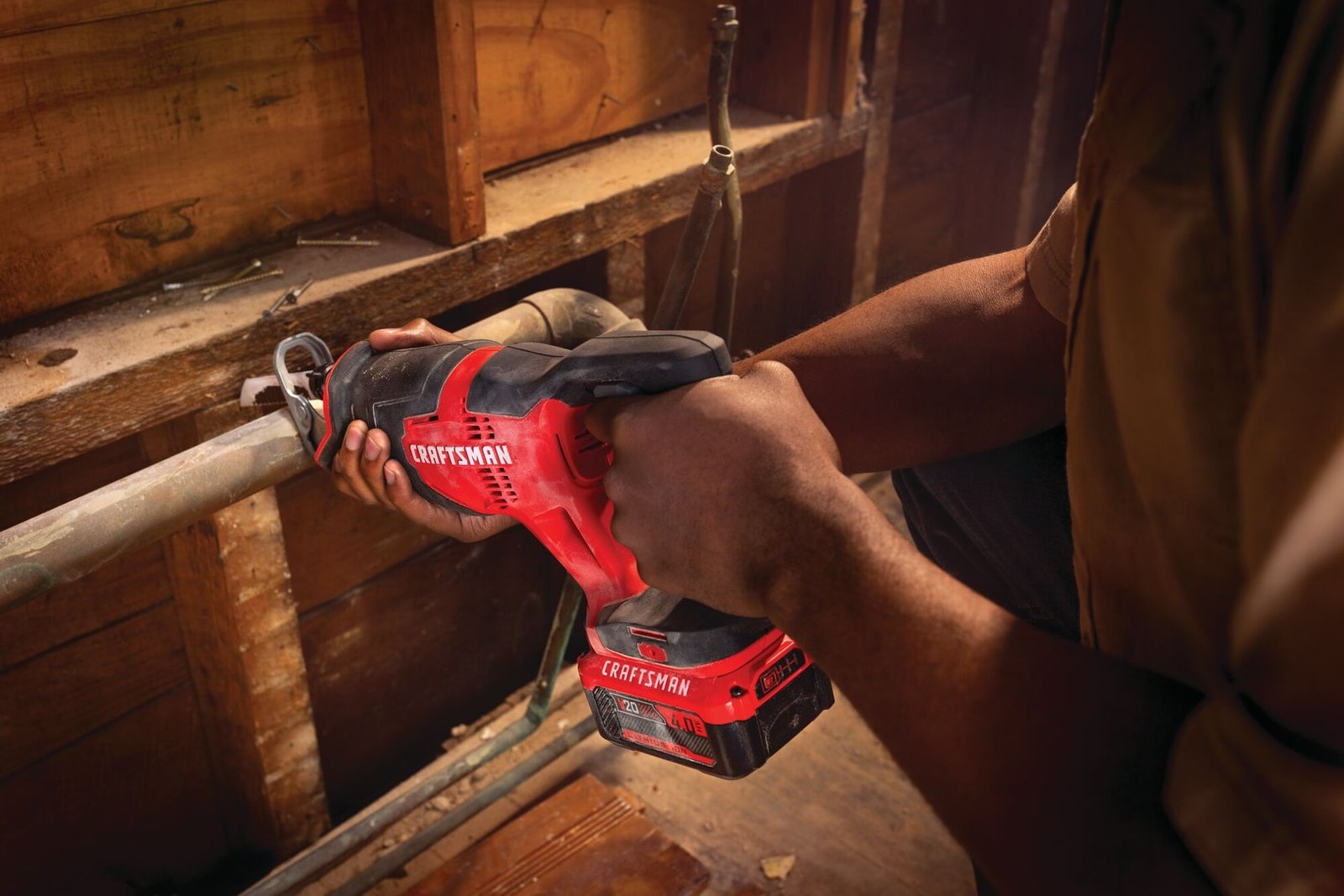
Are you ready to tackle your next demolition project with confidence and precision? Operating a reciprocating saw might seem daunting at first, but with the right guidance, it can become one of your most trusted tools.
This powerful saw, often referred to as a “recip saw,” is indispensable for demolition tasks, helping you cut through wood, metal, drywall, and more with ease. But to harness its full potential, you need to know how to use it correctly and safely.
Imagine the satisfaction of slicing through stubborn materials like a hot knife through butter, transforming chaos into order effortlessly. By mastering the operation of a reciprocating saw, you’re not just saving time; you’re gaining the upper hand in your projects, ensuring they go smoothly and efficiently. In this guide, you’ll discover the step-by-step process to operate a reciprocating saw effectively, while learning essential tips to enhance your skills. Whether you’re a seasoned DIY enthusiast or a curious beginner, this article is designed to empower you with the knowledge you need. Ready to dive in and take control of your demolition tasks? Let’s get started!
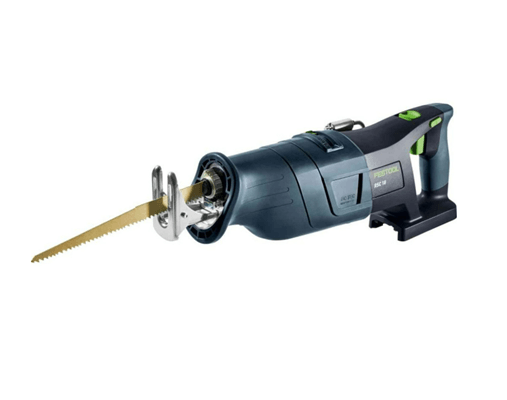
Credit: toolstoday.com
Choosing The Right Reciprocating Saw
A reciprocating saw is a key tool for demolition work. Picking the right one can make your job easier and safer.
Consider the type, blade, and power source before buying. Each factor affects how well the saw performs.
Types Of Reciprocating Saws
There are two main types: corded and cordless. Corded saws offer constant power. Cordless saws give more freedom to move around.
- Corded Saws:Best for long, heavy jobs where power is steady.
- Cordless Saws:Great for quick jobs and places without easy power access.
- Compact Models:Easy to handle in tight spaces but less powerful.
Blade Selection For Demolition
Blade choice depends on the material you cut. Different blades cut wood, metal, or mixed materials.
| Blade Type | Material Best For | Teeth per Inch (TPI) |
| Wood Cutting | Wood, drywall | 6-10 |
| Metal Cutting | Metal pipes, nails | 14-18 |
| Demolition | Mixed materials | 6-10 |
| Bi-metal | Wood with nails | 10-14 |
Power And Battery Considerations
Power affects how fast and tough the saw cuts. Corded saws give steady power. Battery life limits cordless saws.
- Look for a saw with at least 12 amps if corded.
- Choose batteries with 18V or higher for cordless models.
- Consider saws with quick battery swaps to avoid downtime.
- Check the weight; heavier saws can tire you faster.
Safety Gear And Precautions
Using a reciprocating saw for demolition needs care and the right safety gear. Protecting yourself helps avoid injuries.
Follow safety rules and prepare your worksite before starting any cutting or demolition work.
Essential Protective Equipment
Wear the right gear to protect your body from dust, flying debris, and loud noise. Safety glasses guard your eyes. Ear protection prevents hearing damage.
- Safety glasses or goggles
- Heavy-duty gloves
- Hearing protection like earplugs or earmuffs
- Hard hat for falling objects
- Dust mask or respirator
- Steel-toed boots
Safe Handling Practices
Hold the saw firmly with both hands to keep control. Keep your hands away from the blade at all times. Make sure the blade is sharp and secure before use.
| Practice | Reason |
|---|---|
| Use both hands to hold the saw | Improves control and reduces slip risk |
| Check blade tightness | Prevents blade from coming loose |
| Keep fingers clear of blade path | Avoids cuts and injuries |
| Do not force the saw | Reduces motor strain and blade damage |
| Unplug saw when changing blade | Prevents accidental start |
Worksite Preparation
Clear the area of any tripping hazards. Make sure the material you cut is stable and secure. Mark hidden wires or pipes before cutting walls.
- Remove loose objects and debris
- Secure workpiece with clamps or supports
- Locate and mark electrical wires and plumbing
- Ensure good lighting in the work area
- Keep a fire extinguisher nearby
Preparing The Saw For Use
Before starting demolition work, prepare your reciprocating saw carefully. Proper setup helps you work safely and efficiently.
This guide covers installing blades, adjusting speed, and checking the tool’s condition.
Installing And Securing Blades
Use the right blade for your demolition task. Secure the blade firmly to prevent accidents and ensure clean cuts.
- Unplug the saw or remove the battery before changing blades.
- Open the blade clamp by turning the lever or using the wrench.
- Insert the blade with the teeth facing the cutting direction.
- Close the clamp tightly to hold the blade in place.
- Double-check the blade is secure before starting the saw.
Adjusting Speed Settings
Adjusting the speed helps control the cut and extends blade life. Use lower speeds for metal and higher speeds for wood demolition.
| Material | Recommended Speed |
| Wood | High |
| Metal | Low to Medium |
| Plastic | Medium |
Checking Tool Condition
Inspect the saw before use. Check for damage and clean parts to keep the tool working well.
- Look for cracks or wear on the body and handle.
- Make sure the power cord or battery is in good shape.
- Clean dust and debris from vents and moving parts.
- Test the trigger and safety switches to ensure they work.
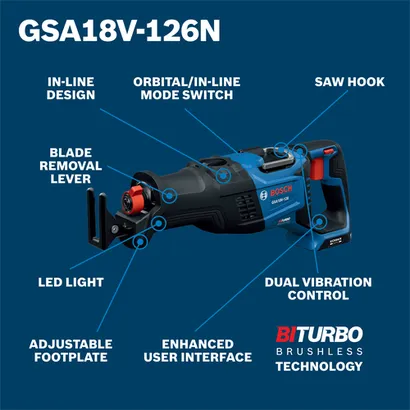
Credit: www.boschtools.com
Techniques For Effective Cutting
Using a reciprocating saw correctly makes demolition work easier and safer. This guide covers key techniques to improve your cutting skills.
Learn how to hold the saw, start cuts smoothly, and cut different materials without damage.
Proper Grip And Stance
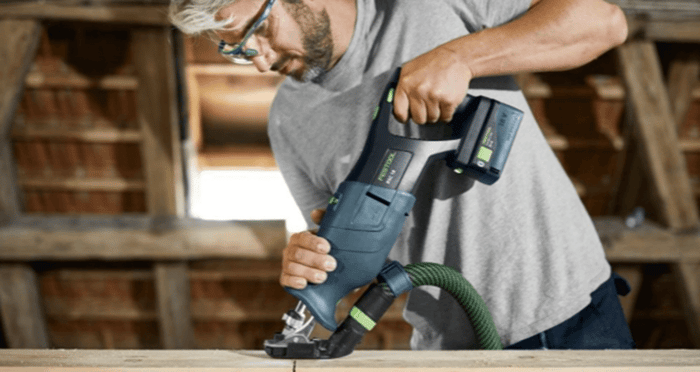
Hold the saw firmly with both hands to control movement. Keep your arms relaxed but steady. Stand with feet shoulder-width apart for balance.
- Grip the front handle with your non-dominant hand.
- Hold the rear handle with your dominant hand, where the trigger is.
- Keep your body weight centered over your feet.
- Bend your knees slightly to absorb vibration.
- Keep your eyes on the cutting line.
Starting And Controlling Cuts
Begin cutting at a slow speed to guide the blade. Apply steady pressure without forcing the saw. Let the blade do the work.
- Align the blade with the cut mark.
- Start the saw at low speed to make a small groove.
- Increase speed gradually once the cut is steady.
- Keep a firm grip to reduce kickback.
- Move the saw smoothly along the cut line.
Cutting Different Materials
Different materials need different blades and cutting approaches. Use the right blade to avoid damage and get clean cuts.
| Material | Blade Type | Cutting Tip |
|---|---|---|
| Wood | Bi-metal or wood blade | Use moderate speed; avoid forcing the blade |
| Metal | Bi-metal with fine teeth | Cut slowly to prevent overheating |
| Plastic | Fine-toothed blade | Cut gently to avoid cracking |
| Masonry | Carbide-grit blade | Use steady pressure and control dust |
Maintaining The Saw During Projects
Keeping your reciprocating saw in good condition helps it work better. Regular care prevents damage and keeps the saw safe to use.
Simple maintenance steps during your demolition work save time and money. These steps include cleaning, lubricating, changing blades, and fixing small problems.
Cleaning And Lubrication Tips
Clean your saw after each use to remove dust and debris. Dirt can cause the saw to overheat or stop working well.
Lubricate moving parts to reduce friction. Use oil made for power tools and avoid over-lubricating, which can attract more dirt.
- Wipe the saw blade and body with a dry cloth.
- Use compressed air to clean tight spots.
- Apply a few drops of oil to the blade clamp and moving parts.
- Check the owner’s manual for specific lubrication points.
Blade Replacement Guidelines
Replace blades when they become dull or damaged. A sharp blade cuts faster and safer.
Use the right blade type for the material you are cutting. Different blades work best for wood, metal, or drywall.
- Turn off and unplug the saw before changing the blade.
- Release the blade clamp carefully to remove the old blade.
- Insert the new blade fully into the clamp.
- Tighten the clamp securely before use.
- Check the blade for damage before starting work.
Troubleshooting Common Issues
If your saw stops working or runs poorly, check a few common problems first. Fixing small issues can avoid big repairs.
Look for loose parts, worn brushes, or clogged air vents. Keep the saw clean and dry to prevent damage.
- Check the power source and switch if the saw won’t start.
- Inspect the blade for wear or damage if cutting is slow.
- Clean air vents if the saw overheats.
- Replace carbon brushes if the motor sputters.
- Contact a professional if problems continue after basic checks.
Credit: toolstoday.com
Maximizing Efficiency And Accuracy
Using a reciprocating saw for demolition needs skill and care. Doing it right saves time and keeps the work clean.
Focus on planning cuts, guiding the saw well, and protecting the materials around the cut area.
Planning Your Demolition Cuts
Look at the area before cutting. Decide where each cut should go to avoid mistakes.
Mark the cut lines clearly with a pencil or chalk. This helps keep the saw on track.
- Check for hidden wires or pipes before cutting
- Choose cuts that make removal easier
- Plan cuts to avoid weakening important parts
Using Guides And Supports
Use guides like straight edges to keep the saw steady. This improves cut accuracy.
Support the material well to stop it from moving. A firm hold reduces mistakes and accidents.
- Clamp straight boards as guides for straight cuts
- Hold or clamp materials firmly before cutting
- Use a steady hand to follow the guide line
Minimizing Material Damage
Cut slowly near edges to avoid splintering or cracking. Fast cutting may cause damage.
Use the right blade for the material. This reduces rough edges and extends blade life.
- Choose blades suited for wood, metal, or plastic
- Keep blades sharp for cleaner cuts
- Apply gentle pressure to avoid breaking materials
Frequently Asked Questions
What Safety Gear Is Essential When Using A Reciprocating Saw?
Always wear safety goggles, gloves, and ear protection. A dust mask helps prevent inhaling debris. Use sturdy footwear and avoid loose clothing to stay safe during demolition work.
How Do You Choose The Right Blade For Demolition?
Select blades based on material type. Use wood blades for timber, metal blades for pipes, and multi-purpose blades for mixed materials. Blade length and tooth count affect cutting speed and precision.
Can A Reciprocating Saw Cut Through Nails And Screws?
Yes, with a bi-metal blade designed for metal cutting. It can cut nails, screws, and other fasteners embedded in materials safely and efficiently during demolition.
What Is The Proper Technique To Operate A Reciprocating Saw?
Hold the saw firmly with both hands. Start the blade before contacting material. Use steady, controlled pressure and follow the cut line carefully for clean, accurate cuts.
Conclusion
Operating a reciprocating saw for demolition takes care and focus. Always wear safety gear to protect yourself. Keep a firm grip and control the saw steadily. Cut slowly and follow the lines you marked. Check the blade often and replace it when dull.
Practice on scrap material before starting your project. This tool helps make demolition faster and easier. With patience and care, you can work safely and well. Remember, safety is the most important part of any job.