Ever looked at your hedges and thought they could use a little TLC? You’re not alone.
Perfectly pruned hedges can transform your garden into a masterpiece. But achieving that even trim can sometimes feel like a daunting task. Don’t worry, you’re about to discover how to prune hedges evenly, turning your yard into the envy of the neighborhood.
Imagine walking outside and feeling a sense of pride as you see your beautifully manicured hedges. This guide is crafted to give you the confidence and knowledge you need. By the time you finish reading, you’ll be equipped with simple, effective techniques to achieve that flawless look. Ready to give your hedges the care they deserve? Let’s dive in!
Choosing The Right Tools
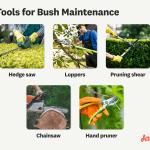
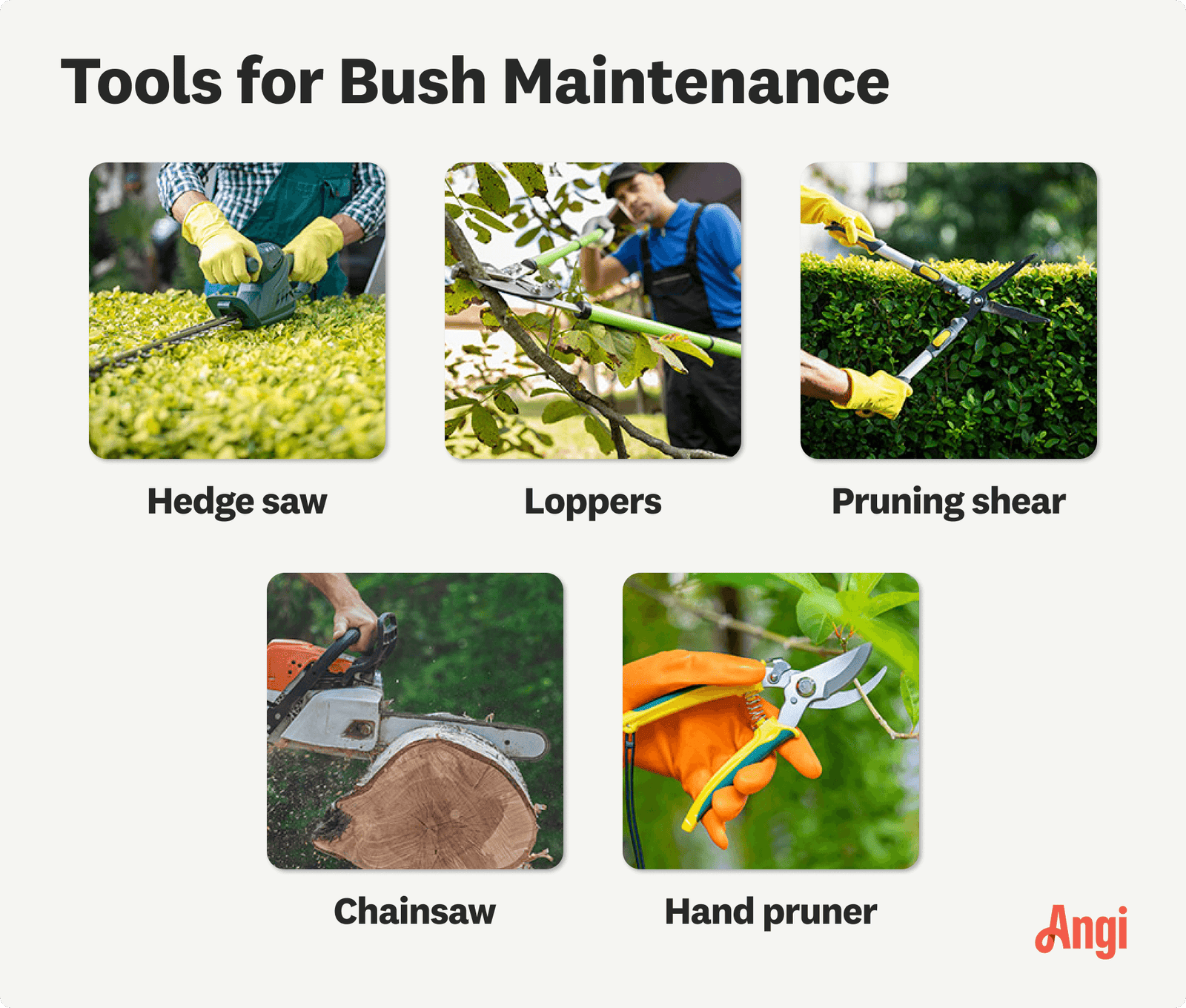
Pruning hedges evenly needs the right tools for a clean cut. Using proper equipment saves time and effort.
Choosing between hand pruners and hedge trimmers depends on hedge size and your comfort. Safety gear protects you during pruning.
Hand Pruners Vs. Hedge Trimmers
Hand pruners are small and easy to handle. They work well for thin branches and detailed trimming. Hedge trimmers cover large areas fast. They are best for thick hedges.
| Tool | Best For | Pros | Cons |
| Hand Pruners | Small branches, detail work | Precise cuts, lightweight | Slow for big jobs |
| Hedge Trimmers | Large hedges, thick branches | Fast cutting, covers wide areas | Heavier, needs power source |
Safety Gear Essentials
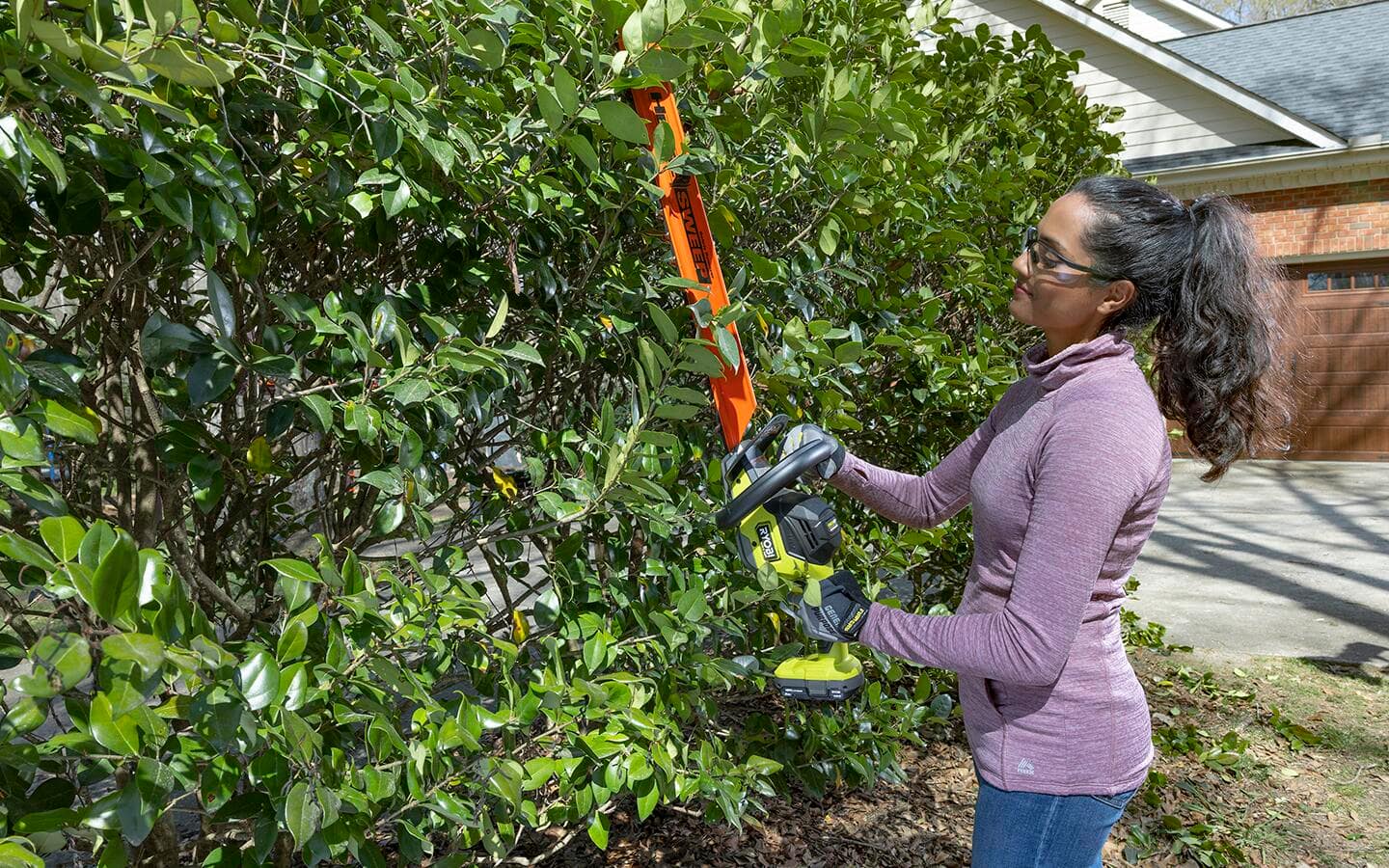
Protect yourself during pruning. Wear the right safety gear to avoid injuries and discomfort.
- Gloves to protect your hands
- Safety glasses to shield your eyes
- Long sleeves and pants to avoid scratches
- Sturdy shoes for good footing
- Ear protection if using noisy tools
Credit: www.homedepot.com
Best Time To Prune
Pruning hedges at the right time helps keep them healthy and neat. Knowing when to trim ensures even growth.
Timing depends on the season and the type of hedge you have. This guide explains the best times to prune.
Seasonal Considerations
Prune hedges during seasons that help them recover quickly. Avoid pruning in extreme cold or heat.
Spring and early summer are often good times. This lets plants grow strong before winter arrives.
- Late winter pruning removes dead wood before growth starts
- Early spring pruning shapes new growth
- Summer pruning keeps hedges tidy
- Avoid pruning in late fall to prevent damage from frost
Timing For Different Hedge Types
Different hedges need pruning at different times. Knowing your hedge type helps you prune evenly.
| Hedge Type | Best Pruning Time | Notes |
|---|---|---|
| Evergreen | Late spring to early summer | Prune after new growth starts |
| Deciduous | Late winter or early spring | Before leaves appear |
| Flowering | After blooming | Prune to keep flowers healthy |
| Conifers | Late spring | Trim new shoots only |
Follow these times to help your hedges grow evenly and stay healthy.
Preparing The Hedge
Pruning hedges evenly starts with good preparation. Taking time to get the hedge ready helps you cut it cleanly and safely.
Proper preparation makes sure the hedge grows healthy and looks neat after pruning.
Clearing Surrounding Area
Clear the area around the hedge before pruning. Remove any objects that could get in your way.
Clear space helps you move freely and see the hedge shape well.
- Pick up toys, tools, and garden furniture
- Remove fallen leaves and branches
- Trim grass or weeds near the hedge base
- Keep pets and children away from the work area
Inspecting For Damage Or Disease
Look closely at the hedge for signs of damage or disease. This helps you protect the plant.
Check leaves, stems, and branches for spots, holes, or dead parts.
- Look for brown or yellow leaves
- Find broken or cracked branches
- Spot any insect webs or pests
- Check for fungus or mold
Techniques For Even Pruning
Pruning hedges evenly keeps them healthy and attractive. Using the right methods helps you get smooth, balanced results. Simple tools and clear steps make the job easier.
This guide covers three key pruning techniques. You will learn how to use guides, shape your hedge, and cut with care.
Using A String Guide
A string guide helps you keep a straight, even line across the hedge. Fix the string at both ends of the hedge at the height you want to trim.
- Attach stakes or poles at each end of the hedge.
- Tie a taut string between the stakes at the desired height.
- Use the string as a visual line to follow while cutting.
- Adjust the string if the hedge is very long or uneven.
Maintaining Tapered Shape
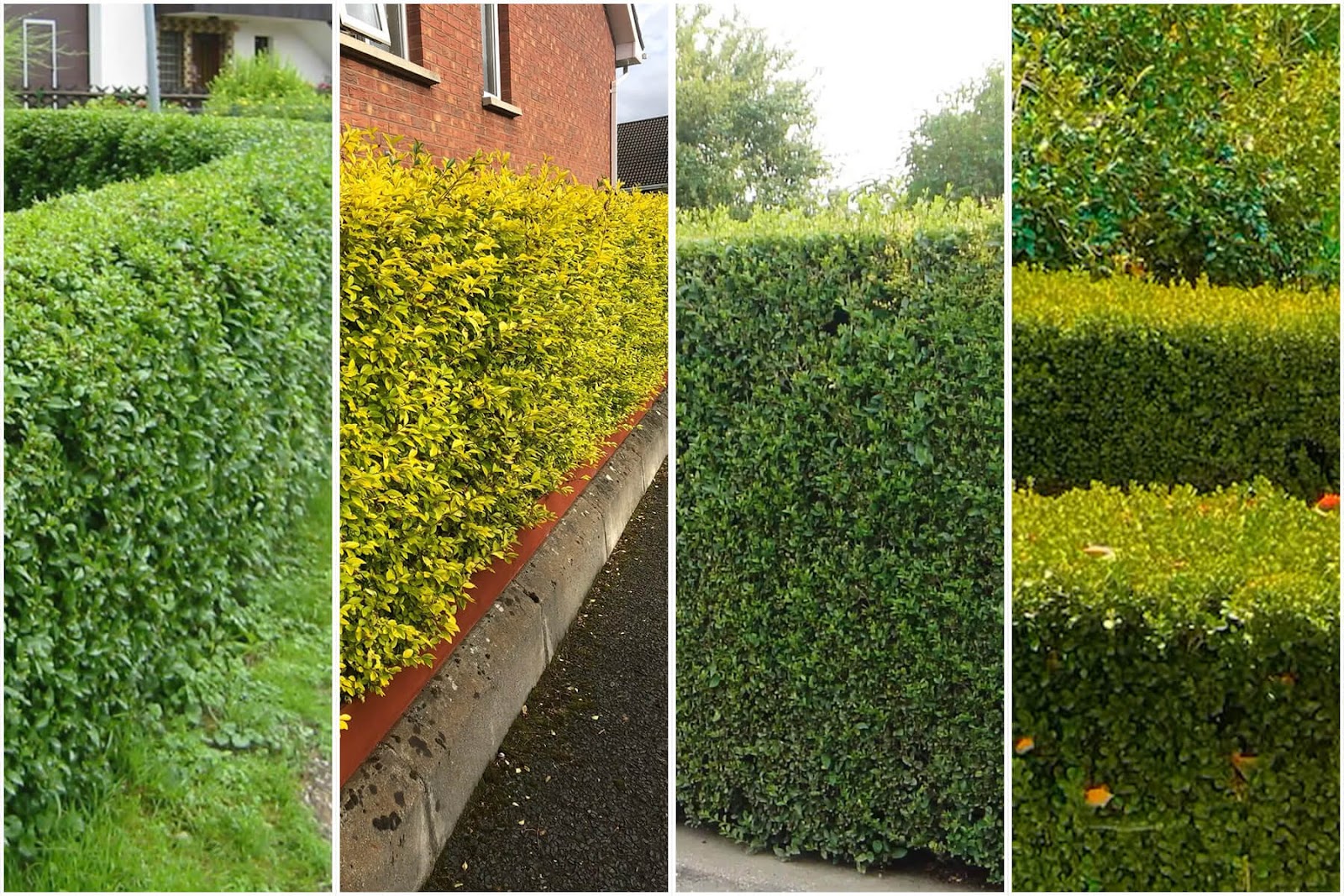
Hedges look best when wider at the base and narrower at the top. This taper allows sunlight to reach all parts and keeps the hedge healthy.
| Top Width | Base Width | Reason |
|---|---|---|
| Narrow | Wider | Sunlight reaches lower branches |
| Narrow | Wider | Prevents soggy base and rot |
| Narrow | Wider | Helps strong, even growth |
Trim the sides so the top is slightly narrower than the bottom. This shape helps your hedge grow thick and strong.
Step-by-step Cutting Process
Follow these steps to prune your hedge evenly and carefully.
- Start by trimming the top along the string guide.
- Cut the sides from bottom to top, keeping the tapered shape.
- Use sharp shears for clean cuts to avoid damaging plants.
- Step back often to check your progress and adjust cuts.
- Remove any dead or damaged branches during trimming.
- Clean up cuttings to keep the area tidy and healthy.
Common Mistakes To Avoid
Pruning hedges evenly takes care and attention. Many people make simple mistakes that hurt the hedge’s look and health.
Knowing what to avoid helps keep your hedges neat and strong. Here are common errors to watch out for.
Over-pruning Risks
Cutting too much can stress the hedge and slow growth. Over-pruning removes too many leaves, which the plant needs to make food.
It also leaves bare spots that take a long time to fill in. Over-pruning can cause weak branches and make the hedge look uneven.
- Hedges may lose their shape permanently.
- Plants become more open to pests and diseases.
- New growth might be sparse or slow.
- Stress can cause parts of the hedge to die.
Ignoring Growth Patterns
Every hedge grows in a certain way. Ignoring this can cause uneven cuts and damage the plant.
Some hedges grow wider at the base and narrower at the top. Cutting straight sides can block sunlight from lower branches.
- Follow the natural shape for even sunlight and air flow.
- Cut the sides wider at the bottom to help lower leaves.
- Trim regularly to keep the shape balanced.
- Watch new growth and adjust cuts as needed.
Credit: greentlawncare.com
Aftercare For Healthy Hedges
Pruning your hedges evenly is only the first step. Proper aftercare helps keep them strong and healthy. Taking care of your hedges after trimming supports new growth and long life.
Good aftercare includes watering, feeding, and protecting your hedges from pests and diseases. These actions help your plants recover and stay vibrant.
Watering And Fertilizing
Water your hedges deeply after pruning to help roots absorb moisture. Regular watering keeps the soil moist but not soggy. Avoid watering the leaves to prevent disease.
Use a balanced fertilizer to provide essential nutrients. Fertilizing encourages healthy leaf growth and strong stems. Apply fertilizer in early spring or after pruning for best results.
- Water hedges once or twice a week depending on weather
- Apply fertilizer with equal parts nitrogen, phosphorus, and potassium
- Do not over-fertilize to avoid burning the roots
Pest And Disease Prevention
Check your hedges regularly for signs of pests or diseases. Early detection helps control problems before they spread. Remove any damaged or diseased leaves to keep plants healthy.
Use natural pest control methods when possible. Encourage beneficial insects like ladybugs. Avoid harsh chemicals that can harm your hedges and the environment.
- Inspect hedges weekly for insects or leaf spots
- Prune out infected branches immediately
- Promote good air flow by trimming dense areas
- Introduce ladybugs or lacewings to eat harmful pests

Credit: vistatree.ca
Frequently Asked Questions
How Often Should I Prune Hedges For Even Growth?
Prune hedges 2 to 3 times per year for even growth. Early spring and mid-summer are ideal times. Regular trimming encourages dense, uniform foliage and maintains the desired shape.
What Tools Are Best For Pruning Hedges Evenly?
Use sharp hedge shears or electric trimmers for clean cuts. Bypass pruners work well for thicker branches. Clean tools prevent damage and ensure precise, even cuts for a neat hedge appearance.
How Do I Avoid Uneven Hedge Trimming?
Use a string line or guide to maintain consistent height. Start trimming from the base upward, cutting small sections at a time. Step back often to check symmetry and adjust as needed.
Can I Prune Hedges During Any Season?
Avoid pruning during extreme cold or heat. Late winter or early spring is best before new growth starts. Summer pruning is possible but avoid heavy cuts during drought or frost.
Conclusion
Pruning hedges evenly keeps your garden neat and healthy. Use sharp tools and steady hands for best results. Trim little by little to avoid mistakes. Step back often to check your work. Regular pruning helps hedges grow strong and full.
Enjoy the beauty of your well-kept garden. Practice makes perfect. Keep your hedges tidy and inviting all year.