Are your shrubs and bushes looking overgrown or unhealthy? Knowing how to prune them properly can make a huge difference in their growth and appearance.
You might think pruning is difficult or risky, but with the right steps, you can do it confidently and see amazing results. You’ll learn simple, effective pruning techniques that will help your plants stay strong, look beautiful, and thrive year after year.
Keep reading—you’re about to discover easy tips that will transform your garden!
Choosing The Right Time
Pruning shrubs and bushes at the right time helps keep them healthy. It also improves their shape and growth. Knowing when to prune depends on the type of plant and the season.
Choosing the right pruning time avoids damage to the plant. It also prevents cutting off new buds or flowers. This guide explains seasonal pruning and signs your shrubs need care.
Seasonal Pruning Guidelines
Different shrubs need pruning in different seasons. Some plants grow new leaves in spring, while others bloom in summer or fall. Prune at the right season to help your plants thrive.
- Late Winter:Prune deciduous shrubs before new growth starts.
- Early Spring:Trim spring-flowering shrubs after they bloom.
- Summer:Light pruning can shape shrubs and remove dead parts.
- Fall:Avoid heavy pruning to protect plants from cold.
Signs Your Shrubs Need Pruning
Look for signs that show your shrubs need pruning. Regular checks help catch problems early and keep plants healthy. Prune shrubs to remove dead or crowded branches.
| Sign | What It Means |
|---|---|
| Dead or Diseased Branches | Remove to stop spread of disease and decay. |
| Overgrown Shape | Trim to restore natural form and improve air flow. |
| Weak or Crowded Growth | Thin branches to strengthen the shrub. |
| Few Flowers or Leaves | Prune to encourage new growth and bloom. |
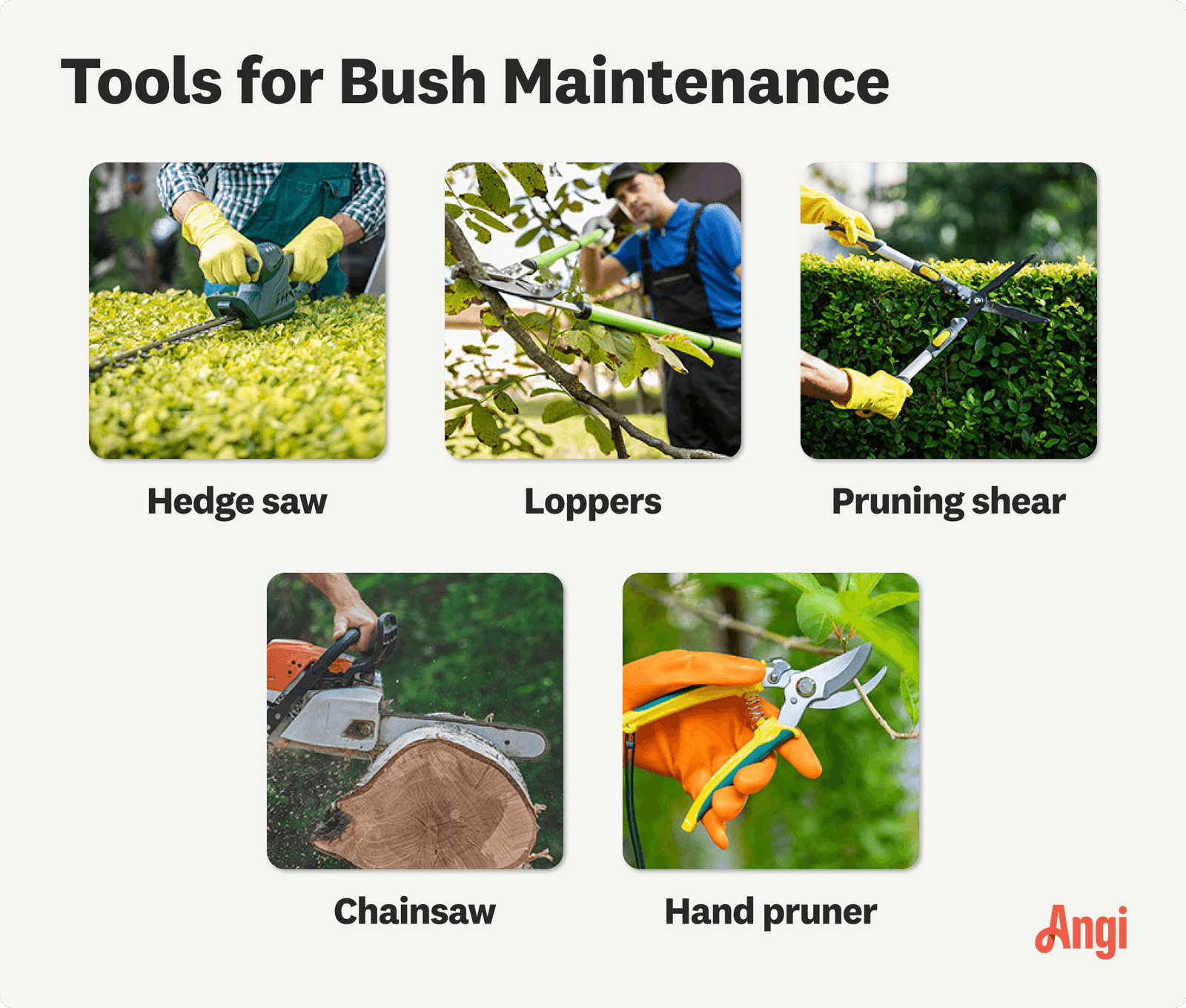
Essential Tools For Pruning
Pruning shrubs and bushes helps keep plants healthy and looking good. Using the right tools makes pruning easier and safer.
Good tools give clean cuts. They also protect the plants from damage.
Types Of Pruning Shears
Pruning shears come in different types. Each type fits certain pruning tasks.
Choose shears based on the branch size and comfort.
- Bypass Shears:Have two blades that pass by each other. Best for live branches.
- Anvil Shears:Have one sharp blade that cuts against a flat edge. Good for dead wood.
- Loppers:Long-handled shears that cut thicker branches. Use for branches over 1 inch thick.
- Pruning Saws:Small saws for very thick branches. Useful when shears can’t cut.
Safety Gear And Maintenance
Wear safety gear to protect yourself. Gloves and eye protection are important.
Keep tools sharp and clean. This helps them work better and last longer.
- Wear thick gloves to avoid cuts and scratches.
- Use safety glasses to protect eyes from debris.
- Clean blades after use with a cloth and soapy water.
- Sharpen blades regularly with a sharpening tool.
- Store tools in a dry place to stop rust.
Basic Pruning Techniques
Pruning shrubs and bushes helps keep them healthy and looking good. It involves cutting parts of the plant to control growth and shape.
Knowing basic pruning techniques makes the job easier and better for the plants.
Thinning And Heading Cuts
Thinning cuts remove whole branches at their base. This opens the plant and lets light and air reach inside.
Heading cuts shorten branches by cutting them back to a bud or side branch. This helps control shape and size.
- Thinning cuts improve air flow and reduce disease risk
- Heading cuts encourage bushier growth
- Both cuts help keep plants balanced and neat
Removing Dead And Diseased Wood
Look for branches that are dry, cracked, or have spots. These are dead or diseased and need removal.
Cut these branches back to healthy wood to stop disease spread and help the plant heal.
- Use clean, sharp tools to avoid damage
- Remove all dead branches to improve plant health
- Check plants regularly for signs of disease or damage
Pruning Different Shrub Types
Pruning shrubs helps keep them healthy and looking good. Different shrubs need different pruning methods.
Knowing how to prune each type of shrub will help you avoid damage and encourage growth.
Evergreen Shrubs
Evergreen shrubs keep their leaves all year. Prune them lightly to keep shape and size.
Remove dead or damaged branches in early spring before new growth starts. Trim the outer parts to keep a neat look.
- Prune in early spring or late winter
- Cut back only the tips to shape
- Remove dead or weak branches
Deciduous Shrubs
Deciduous shrubs lose their leaves in fall. Prune them in late winter or early spring.
Cut old or crowded branches to let light and air reach the center. This helps the shrub grow strong.
- Prune before new growth starts
- Remove old, dead, or crossing branches
- Thin out crowded areas
Flowering Bushes
Flowering bushes need careful pruning to keep blooming. The timing depends on when they bloom.
Prune spring-flowering bushes right after they bloom. Prune summer-flowering bushes in late winter or early spring.
- Spring bloomers: prune after flowers fade
- Summer bloomers: prune before growth starts
- Remove dead or weak branches yearly
Shaping For Aesthetic Appeal
Pruning shrubs and bushes helps improve their look. Shaping plants adds style to your garden.
Good pruning balances natural growth with design goals. It keeps plants healthy and neat.
Natural Vs Formal Shapes
Natural shapes keep a plant’s original form. Formal shapes change plants into neat outlines.
- Natural shapes: Let shrubs grow freely with little cutting.
- Formal shapes: Use regular trimming to create clear lines and patterns.
- Natural shapessuit wild or cottage gardens.
- Formal shapesfit classic or modern garden styles.
Balancing Growth And Design
Good pruning keeps shrubs healthy and attractive. It controls size and shape without hurting growth.
| Pruning Aspect | Tips |
|---|---|
| Timing | Prune after flowering or in early spring. |
| Tools | Use sharp, clean shears for clean cuts. |
| Cutting | Remove dead or crossing branches first. |
| Shape | Follow the plant’s natural outline or desired form. |
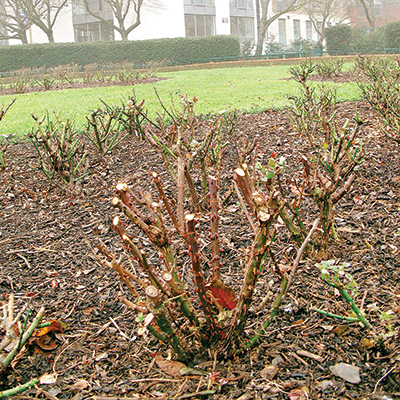
Credit: localgardener.net
Aftercare For Pruned Shrubs
Pruning shrubs helps keep them healthy and looking good. After pruning, proper care helps them grow back strong.
Good aftercare includes watering, feeding, and watching for pests or diseases. These steps help shrubs recover quickly.
Watering And Fertilizing Tips
After pruning, shrubs need enough water to heal. Water deeply but avoid waterlogging the soil. Fertilize to provide nutrients that support new growth.
- Water shrubs early in the morning or late in the evening
- Use mulch to keep soil moist and cool
- Apply slow-release fertilizer once a month during growing season
- Avoid over-fertilizing to prevent root damage
Pest And Disease Prevention
Pruned shrubs can get weak and attract pests or diseases. Regular checks help catch problems early and keep shrubs healthy.
| Common Pest | Signs | Control Method |
| Aphids | Sticky leaves, curled tips | Spray with insecticidal soap |
| Spider Mites | Yellow spots, fine webs | Rinse leaves with water |
| Fungal Disease | Spots, powdery growth | Remove infected parts, use fungicide |
| Scale Insects | Hard bumps on stems | Apply horticultural oil |
Common Pruning Mistakes To Avoid
Pruning shrubs and bushes helps keep them healthy and attractive. Doing it wrong can harm your plants. Avoiding common mistakes improves their growth and shape.
Learn the key errors gardeners make while pruning. This guide covers what to watch for to protect your shrubs.
Over-pruning Risks
Cutting too much of a shrub at once can weaken it. Over-pruning reduces leaves that make food for the plant. This slows growth and lowers its strength.
Removing too many branches also opens the plant to diseases and pests. It may cause dieback or even kill the shrub.
- Loss of energy from fewer leaves
- Increased chance of infections
- Weaker branches that break easily
- Unnatural or sparse appearance
Incorrect Cutting Techniques
Using wrong cuts can harm the shrub’s growth points. Cuts too close or too far from the branch collar slow healing. This invites disease and pests.
Cutting at the wrong angle or crushing branches also causes damage. Sharp, clean cuts help plants recover faster and stay healthy.
- Cut just outside the branch collar
- Make angled cuts to shed water
- Avoid tearing or crushing branches
- Use sharp, clean tools
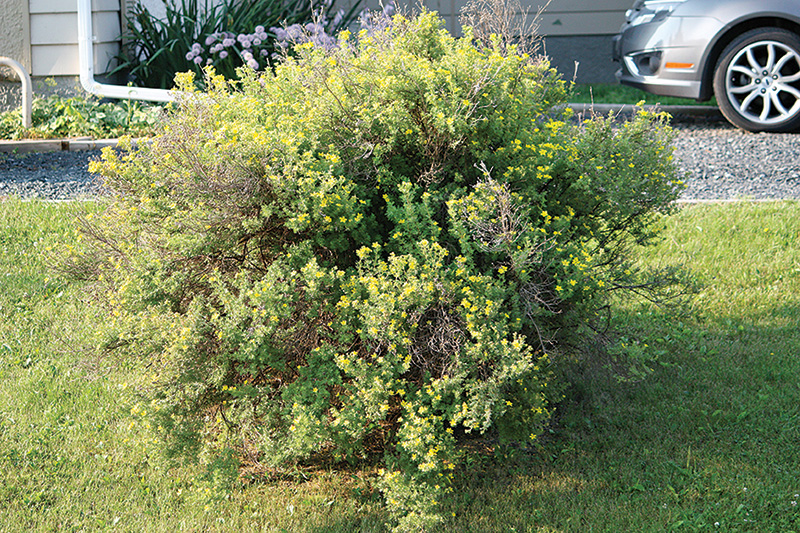
Credit: localgardener.net

Credit: www.housebeautiful.com
Frequently Asked Questions
What Is The Best Time To Prune Shrubs?
The best time to prune shrubs is late winter or early spring. This timing encourages healthy growth and flowering. Avoid pruning in late summer or fall, which can stimulate new growth vulnerable to frost. Always check specific shrub requirements, as some may have unique needs.
How Often Should You Prune Bushes?
Prune bushes annually to maintain their shape and health. Regular pruning helps remove dead or diseased branches, promoting vigorous growth. Some fast-growing species may require more frequent attention. Always use clean, sharp tools for effective pruning and to minimize plant stress or damage.
What Tools Are Needed For Pruning Shrubs?
Essential tools for pruning shrubs include hand pruners, loppers, and pruning saws. Hand pruners are ideal for small branches, while loppers handle thicker ones. A pruning saw is useful for large branches. Always ensure tools are sharp and clean to prevent disease and ensure precise cuts.
Can Pruning Affect Shrub Flowering?
Yes, pruning can significantly affect shrub flowering. Pruning at the wrong time may remove flower buds, reducing blooms. For flowering shrubs, prune after blooming to avoid cutting off next season’s buds. Understanding the specific flowering cycle of your shrub is crucial for optimal results.
Conclusion
Pruning shrubs and bushes helps keep your garden healthy and neat. Cut dead or weak branches to allow new growth. Use sharp tools and prune at the right time. Pruning also improves air flow and sunlight for your plants. Keep practicing to gain confidence and see better results.
Enjoy a beautiful garden with well-maintained shrubs all year. Simple steps can make a big difference in your yard. Start pruning today and watch your bushes thrive.