Are your shrubs looking a bit wild or overgrown? Knowing how to prune shrubs for shape and size can transform your garden instantly.
When you trim the right way, your plants not only look neat but also grow healthier. Imagine stepping outside to a garden that feels perfectly balanced and inviting. In this guide, you’ll discover simple, effective tips that make pruning easy—even if you’ve never done it before.
Ready to give your shrubs the makeover they deserve? Let’s dive in and get your garden looking its best!
Benefits Of Pruning Shrubs
Pruning shrubs helps keep plants healthy and looking good. It is a key part of garden care.
Cutting back shrubs controls their size and shape. This makes them fit better in your yard.
Enhancing Plant Health
Pruning removes dead or weak branches. This stops diseases and pests from spreading.
It also improves air flow inside the shrub. Good air flow helps plants stay dry and healthy.
Controlling Growth
Pruning helps keep shrubs at a manageable size. It stops them from growing too large.
- Prevents plants from crowding other plants
- Keeps walkways and paths clear
- Reduces the risk of broken branches
- Helps maintain the shape you want
Improving Appearance
Regular pruning makes shrubs look neat and tidy. It highlights their natural beauty.
| Pruning Benefit | Effect on Appearance |
| Removing old branches | Encourages fresh growth |
| Shaping the shrub | Creates a balanced look |
| Cutting back overgrowth | Prevents a messy look |
Credit: www.kansascity.com
Tools You Need
Pruning shrubs helps keep them healthy and looking good. Using the right tools makes the job easier and safer. Here are the key tools you need for pruning shrubs to shape and size.
Each tool serves a different purpose. Knowing which tool to use will give you clean cuts and protect your plants.
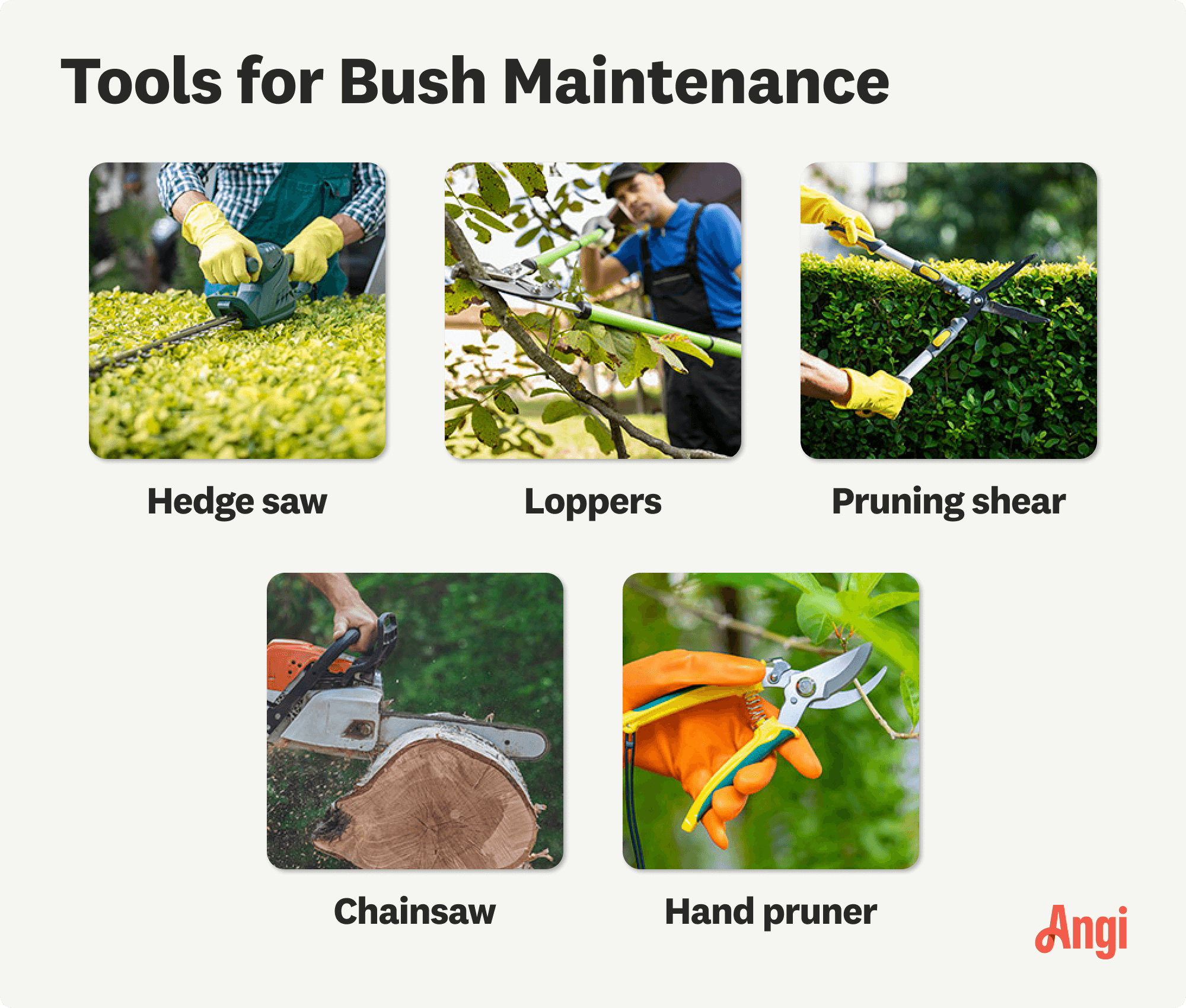
Pruning Shears
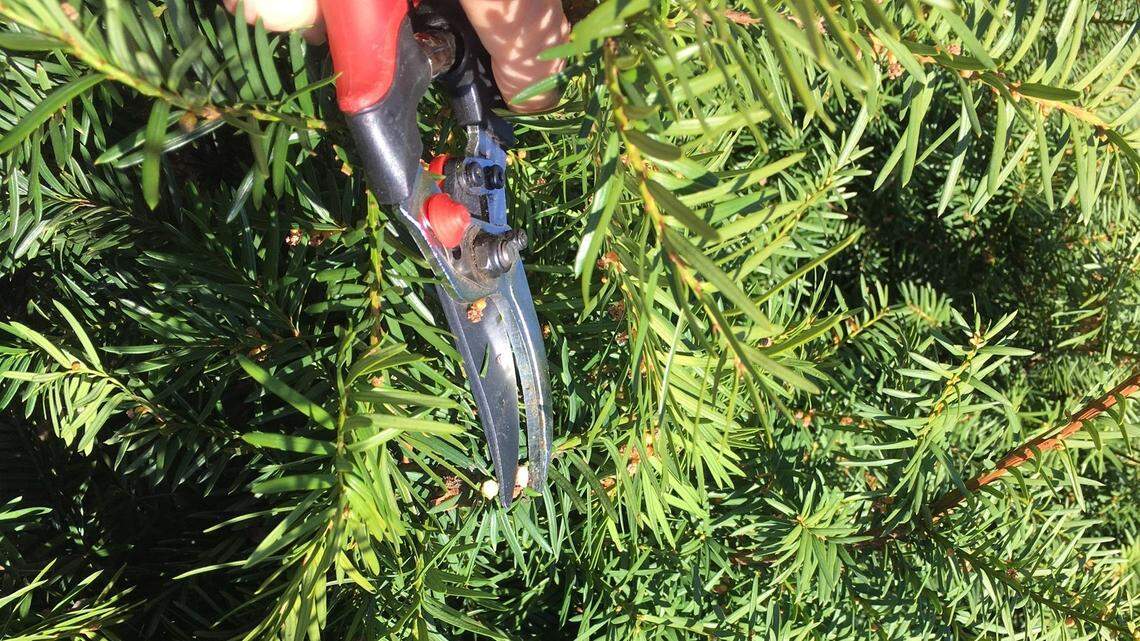
Pruning shears are hand-held scissors designed for small branches and stems. They are perfect for trimming thin branches and shaping shrubs. Sharp, clean cuts from pruning shears help plants heal quickly.
- Use bypass shears for clean cuts on live branches
- Keep the blades sharp for best results
- Choose a comfortable handle for easy use
Loppers And Saws
Loppers are like big pruning shears with long handles. They help you reach higher branches and cut thicker limbs. For very thick branches, use a pruning saw. A sharp saw cuts through wood smoothly without crushing it.
| Tool | Best Use | Branch Size |
| Loppers | Reach higher and thicker branches | Up to 2 inches |
| Pruning Saw | Cut very thick or tough branches | Over 2 inches |
Protective Gear
Protective gear keeps you safe while pruning. Gloves protect your hands from cuts and thorns. Safety glasses shield your eyes from flying debris. Wear long sleeves and sturdy shoes for extra protection.
- Thick gardening gloves
- Safety glasses or goggles
- Long-sleeve shirts
- Sturdy closed-toe shoes
Best Time To Prune
Pruning shrubs at the right time helps keep them healthy and looking good. It controls their size and shape.
Choosing the best time depends on the type of shrub and the local climate. Pruning at the wrong time can harm plants.
Seasonal Considerations
Pruning should match the season for best results. Many shrubs grow most in spring and summer.
Winter or early spring is often good for pruning. Shrubs are dormant and less likely to get hurt.
- Late winter pruning helps new growth in spring.
- Avoid pruning in late summer or fall for most shrubs.
- Check local frost dates to avoid damage.
Flowering Shrubs Timing
Flowering shrubs need special timing. Prune them based on when they bloom.
Spring-flowering shrubs bloom on old wood. Prune them right after flowering ends.
- Prune spring bloomers like azaleas and lilacs after flowers fade.
- Summer bloomers like butterfly bush prune in late winter or early spring.
- Prune summer-flowering shrubs before new growth starts.
Basic Pruning Techniques
Pruning shrubs helps keep them healthy and looking good. It controls their shape and size.
Using the right pruning techniques makes shrubs grow strong. It also improves air flow and sunlight.
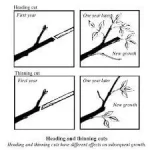
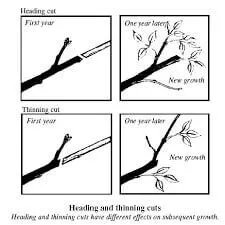
Thinning Cuts
Thinning cuts remove whole branches at their base. This opens the shrub and lets in light and air.
Use thinning cuts to reduce shrub density without changing its shape too much. Cut small or crowded branches.
- Cut branches back to the main stem or trunk
- Remove old or weak branches to improve growth
- Keep natural shape by thinning evenly throughout
Heading Cuts
Heading cuts shorten branches by cutting them back to a bud or side branch. This encourages new growth.
Use heading cuts to shape shrubs and control their size. Make cuts just above a bud that points outward.
- Cut branches to about one-third of their length
- Choose buds that face the direction you want growth
- Make clean cuts to avoid damage or disease
Pinching
Pinching means removing the soft, new growth tips with your fingers. This helps the shrub grow bushier.
Pinch regularly during the growing season. This keeps shrubs compact and full.
- Use your thumb and finger to pinch off new shoots
- Focus on growing tips to encourage side shoots
- Do not remove too much at once to avoid stress
Shaping Shrubs For Size
Pruning shrubs helps keep them healthy and attractive. It controls their size and shape. Proper pruning lets sunlight reach all parts of the plant.
Different shrubs need different pruning styles. Knowing how to shape shrubs is key for a neat garden look.
Maintaining Natural Form
Keep shrubs looking natural by trimming only the way they grow. Avoid cutting too much at once. Remove dead or weak branches first.
- Cut back branches that cross or rub
- Thin out crowded areas to improve air flow
- Trim tips lightly to keep shape
- Follow the shrub’s natural curve
Creating Formal Shapes
Formal shapes need careful, regular cuts. Use tools to get clean lines. Common shapes include spheres, cones, and squares.
| Shape | Pruning Tip |
| Sphere | Trim evenly all around |
| Cone | Cut top narrower than base |
| Square | Make straight cuts on all sides |
Reducing Overgrowth
Cut back overgrown shrubs to keep size manageable. Remove large branches first. Gradually reduce shrub size over time.
- Identify branches that grow beyond desired size
- Cut back to a healthy bud or side branch
- Thin dense areas by removing older stems
- Clean up by removing all cut branches
Common Mistakes To Avoid
Pruning shrubs helps keep them healthy and looking good. But many people make mistakes that harm their plants.
Knowing what to avoid can save your shrubs from damage and keep them growing well.
Over-pruning
Cutting too much at once can stress your shrub. It may lose leaves and take longer to grow back.
Over-pruning can also reduce flowers and fruit on some shrubs. Always prune a little at a time.
- Do not remove more than 25% of the shrub at once
- Focus on removing dead or damaged branches first
- Avoid cutting all new growth in one go
Cutting At The Wrong Spot
Cutting branches in the wrong place can hurt the shrub. It can cause disease or slow growth.
Trim just above a bud or branch that faces outward. This helps new growth spread away from the center.
- Avoid cutting too close to the main stem
- Do not leave long stubs that will die back
- Make clean cuts at a slight angle for water runoff
Ignoring Shrub Type
Different shrubs need different pruning care. Some bloom on old wood, others on new growth.
Learning your shrub’s type helps you prune at the right time and in the right way.
- Prune spring bloomers right after flowers fade
- Trim summer bloomers in late winter or early spring
- Research your shrub type before pruning
Aftercare For Pruned Shrubs
After pruning shrubs, proper care helps them grow strong and healthy. Pruned shrubs need attention to recover well.
Good aftercare includes watering, feeding, and checking for pests. This keeps shrubs looking their best.
Watering Tips
Water your pruned shrubs deeply to help roots grow. Shallow watering does not reach deep roots well.
Water early in the morning or late in the evening. This reduces water loss from evaporation.
- Check soil moisture regularly
- Keep soil damp but not soggy
- Use mulch to keep soil moist longer
Fertilizing
Feed your shrubs with a balanced fertilizer after pruning. It helps plants recover and grow new leaves.
Choose fertilizer with equal parts nitrogen, phosphorus, and potassium. Follow package instructions for amounts.
- Apply fertilizer in early spring or after pruning
- Do not over-fertilize to avoid burning roots
- Use slow-release fertilizers for steady feeding
Pest And Disease Prevention
Check pruned shrubs often for signs of pests or diseases. Early detection helps stop problems fast.
Keep the area around shrubs clean and remove fallen leaves. This lowers the chance of disease spreading.
- Look for holes, spots, or webbing on leaves
- Use insecticidal soap for small pest issues
- Trim away diseased parts promptly
Credit: www.angi.com

Credit: www.youtube.com
Frequently Asked Questions
What Is The Best Time To Prune Shrubs?
The best time to prune shrubs is in late winter or early spring. This timing allows you to shape them before new growth starts. Avoid pruning in late summer or fall, as this might encourage new growth that’s vulnerable to frost damage.
How Can I Maintain Shrub Shape Effectively?
Maintain shrub shape by regularly removing dead or diseased branches. Trim back overgrown areas to encourage a balanced shape. Use sharp, clean tools to make precise cuts. Regular pruning helps maintain your desired size and shape while promoting healthy growth.
Why Should I Prune Shrubs Regularly?
Regular pruning of shrubs encourages healthy growth and prevents overgrowth. It helps maintain the desired shape and size. Pruning also improves air circulation and light penetration, reducing disease risk. Regular maintenance keeps your shrubs attractive and thriving.
What Tools Are Needed For Pruning Shrubs?
Essential pruning tools include sharp pruning shears, loppers, and a pruning saw. Pruning shears are ideal for small branches, while loppers handle thicker stems. A pruning saw is necessary for larger branches. Keep all tools clean and sharp for effective pruning.
Conclusion
Pruning shrubs helps keep your garden neat and healthy. Cut branches carefully to shape and control size. Use clean tools and prune at the right time. Watch your shrubs grow fuller and stronger each season. Regular trimming prevents overgrowth and improves air flow.
Small steps make a big difference in garden care. Try these simple pruning tips for better-looking plants. Enjoy a tidy garden that brightens your outdoor space.