If you want your wood projects to look smooth and professional, sanding evenly is the key. Uneven sanding can ruin the finish and leave your hard work looking rough and patchy.
But don’t worry—this guide will show you simple, effective steps to sand wood evenly every time. Whether you’re a beginner or just want better results, you’ll learn how to avoid common mistakes and make your wood surfaces flawless. Ready to transform your woodworking?
Let’s dive in and get your sanding just right.

Credit: romerohardwoodfloor.com
Choosing The Right Sandpaper
Choosing the right sandpaper is key to sanding wood evenly. It helps you get a smooth surface without damage.
Different sandpapers suit different tasks. Knowing grit sizes and materials helps you pick the best one.
Grit Sizes And Their Uses
Grit size tells how rough or smooth the sandpaper is. Lower grit means rougher paper. Higher grit means finer paper.
- Coarse grits (40-60) remove lots of wood fast.
- Medium grits (80-120) smooth rough surfaces.
- Fine grits (150-180) prepare wood for finishing.
- Very fine grits (220-400) polish and smooth final layers.
Types Of Sandpaper Materials
Sandpaper materials affect durability and how well they cut wood. Some work better on soft wood, others on hard wood.
| Material | Best For | Notes |
| Aluminum Oxide | Wood and metal | Lasts long, good for many tasks |
| Garnet | Soft wood | Produces smooth finish but wears faster |
| Silicon Carbide | Metal and plastic | Very sharp, good for wet sanding |
| Ceramic | Hard wood and metal | Very durable and cuts fast |
Credit: mrsander.co.uk
Preparing The Wood Surface
Sanding wood evenly starts with a clean and stable surface. Dirt and loose particles can cause uneven sanding. The wood must be ready before you begin.
This section covers how to clean, inspect, and secure the wood for the best sanding results.
Cleaning And Inspecting
Remove dust, grease, and old finishes from the wood surface. Check for damage like cracks or holes that may affect sanding.
- Use a soft brush or cloth to clear dust and dirt.
- Apply a mild detergent for grease spots, then dry well.
- Look closely for cracks, dents, or loose knots.
- Fill any holes or deep scratches with wood filler and let it dry.
- Smooth rough patches lightly before sanding.
Securing The Wood
Keep the wood steady to avoid slips during sanding. Unstable wood can cause uneven surfaces and safety hazards.
| Method | Description |
| Clamps | Hold wood firmly to a workbench or table. |
| Workbench | Place wood on a flat, stable surface. |
| Non-slip Pads | Put pads under wood to stop movement. |
| Support Blocks | Use blocks to stabilize long or thin pieces. |
Sanding Techniques
Sanding wood evenly is key to a smooth finish. Using the right technique helps avoid scratches and uneven surfaces.
This guide covers hand sanding, power sanding, and the importance of sanding with the grain.
Hand Sanding Tips
Hand sanding gives you more control on small or detailed pieces. Use a sanding block to keep pressure even.
- Start with coarse grit sandpaper to remove rough areas.
- Switch to finer grits to smooth the surface gradually.
- Sand in a circular or back-and-forth motion for even results.
- Keep the sanding block flat and apply light pressure.
- Check your work often to avoid over-sanding one spot.
Using Power Sanders
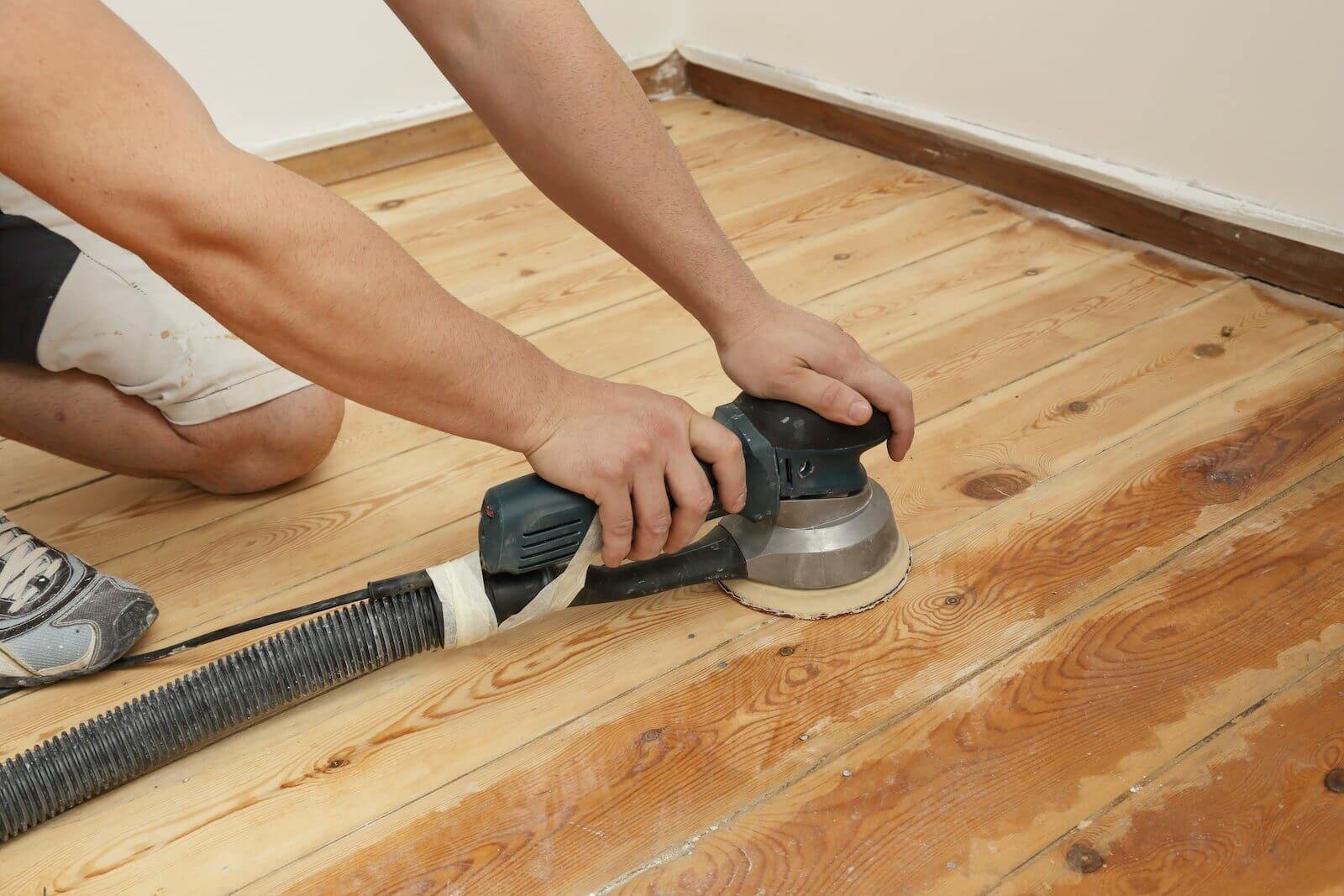
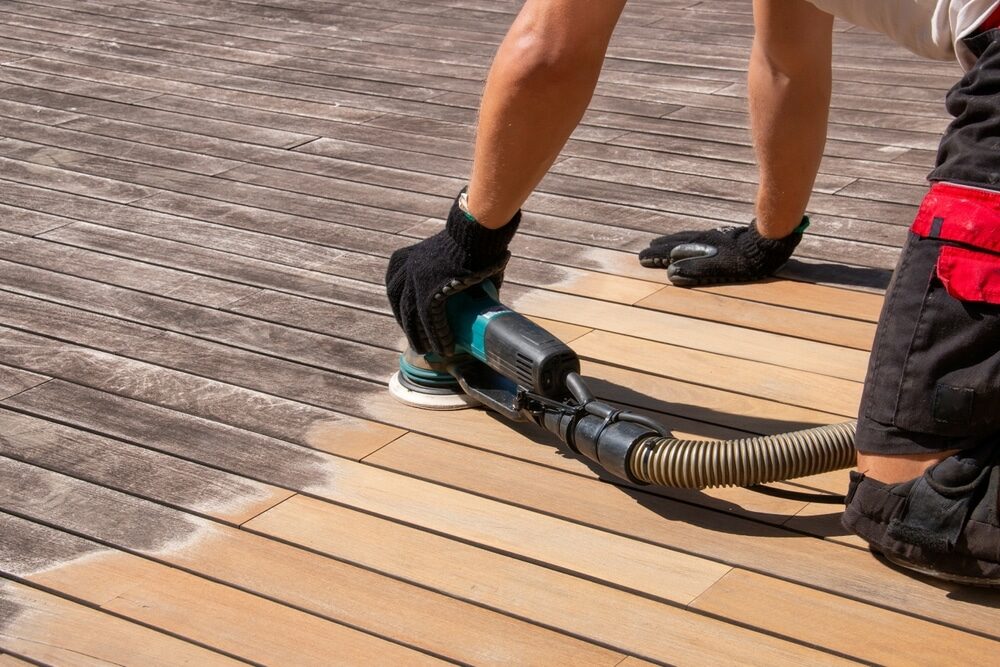
Power sanders save time on big projects. Choose the right sander for the job and use it carefully.
| Type of Sander | Best Use | Tip |
| Orbital Sander | Fine sanding and finishing | Keep moving to avoid marks |
| Belt Sander | Removing rough surfaces fast | Use light pressure to prevent gouges |
| Detail Sander | Tight corners and edges | Choose correct grit for smooth finish |
Sanding With The Grain
Always sand in the direction of the wood grain. This prevents scratches and keeps the surface even.
Tips for sanding with the grain:
- Identify the grain direction by looking at the wood lines.
- Move the sandpaper or sander along these lines, not across them.
- Stop frequently to check for any cross-grain scratches.
Maintaining Consistent Pressure
Sanding wood evenly needs steady pressure. Too much or too little pressure creates uneven spots. Keeping your hand steady helps smooth the surface well.
Learning how to control your pressure can improve your sanding results. It also saves time and prevents damage to the wood.
Avoiding Uneven Spots
Uneven spots appear when pressure varies across the wood. Pressing harder in some areas sands more than others. This leaves rough patches or dips.
- Hold the sander or sandpaper flat against the wood.
- Use your whole hand, not just fingers, to apply pressure.
- Move the sander in smooth, even strokes.
- Keep your arm relaxed to avoid sudden pressure changes.
- Check your grip often to keep it consistent.
Checking Your Progress
Regular checks help spot uneven sanding early. You can fix issues before they get worse. Use good lighting to see the wood’s surface clearly.
| Check Method | Purpose |
|---|---|
| Run your hand over the surface | Feel for bumps or rough spots |
| Look at the wood at an angle | Spot shiny or dull patches |
| Use a sanding block | Keep pressure even and flat |
| Wipe dust off often | See the real surface clearly |
Dealing With Edges And Corners
Sanding wood evenly is important for a smooth finish. Edges and corners can be tricky spots. They need extra care to avoid damage.
Using the right tools and techniques helps you sand these areas well. This keeps your project looking clean and professional.
Special Tools For Tight Areas
Tight areas like corners need small tools. These tools fit well and sand without rounding the edges too much.
Some tools work better than regular sandpaper in these spots. They help reach places that are hard to access.
- Detail sanding sponges
- Small sanding blocks
- Sandpaper wrapped around a wooden stick
- Needle files or small rasps
- Foam sanding pads with angled edges
Sanding Strategies For Edges
Sanding edges requires gentle pressure. Sand along the edge, not across it. This keeps edges sharp and clean.
Use light, even strokes. Check your work often to avoid over-sanding. Smooth the edges gradually for the best result.
- Start with medium grit sandpaper to shape edges
- Switch to fine grit for a smooth finish
- Use circular motions on flat edges
- Sand corners carefully with small tools
- Remove dust before checking your progress
Finishing Touches
Sanding wood evenly is not finished until you apply the right finishing touches. These steps help make your wood smooth and ready for use.
Pay attention to small details like removing dust and checking your work. These improve the final look and feel of your project.
Removing Dust
After sanding, wood surfaces hold fine dust that can ruin finishes. Removing this dust is important for a smooth, clean surface.
Use a soft brush or cloth to wipe the surface gently. A vacuum with a brush attachment also works well to pick up dust.
- Brush off dust with a soft-bristle brush
- Wipe with a clean, dry cloth
- Use a vacuum cleaner to remove dust from corners
- Consider tack cloths for sticky dust removal
Final Inspection
Look closely at the wood surface for any rough spots or uneven areas. Good lighting helps you see missed spots.
Run your hand gently over the wood to feel for bumps. If needed, sand those areas lightly again for smoothness.
- Check for scratches or uneven sanding
- Feel the surface with your hand
- Resand small rough spots if found
- Ensure the wood feels smooth all over
Common Mistakes To Avoid
Sanding wood evenly is key to a smooth finish. Many people make mistakes that harm the wood or waste time.
Knowing what to avoid helps you get better results and protect your wood project.
Over-sanding
One common mistake is sanding too much in one area. Over-sanding makes the surface uneven and weak.
- Loss of detail on carvings or edges
- Uneven surface that shows after finishing
- Thinner wood that can break easily
- Wasting time and sandpaper
Stop sanding as soon as the surface feels smooth. Check often to avoid damage.
Ignoring Wood Grain
Sanding against the wood grain causes scratches that are hard to fix. It can ruin the look of your project.
| Wrong Way | Right Way |
|---|---|
| Sanding across the grain | Sanding along the grain |
| Leaves scratch marks | Leaves smooth surface |
| Finish looks rough | Finish looks clean and even |
| More work fixing mistakes | Less sanding needed later |
Always look closely at the wood grain before sanding. Follow its direction for the best results.
Credit: extremehowto.com
Frequently Asked Questions
How Do You Sand Wood Evenly Without Gouging?
To sand wood evenly, use consistent pressure and long, smooth strokes. Always sand with the grain to avoid gouging. Start with coarse grit and gradually move to finer grit for a smooth finish. Use a sanding block for even pressure distribution.
What Grit Sandpaper Is Best For Even Sanding?
Start with 80-120 grit sandpaper for rough surfaces. Progress to 150-220 grit for smoothing the wood. Using the right grit sequence ensures even sanding and prepares the wood for finishing. Avoid skipping grits to maintain an even surface.
Can Power Sanders Help Achieve Even Wood Sanding?
Yes, power sanders like orbital or palm sanders help achieve even sanding. They provide consistent pressure and speed, reducing uneven spots. Use the sander gently and keep it moving to prevent gouges or uneven sanding.
How Do You Avoid Uneven Sanding Marks On Wood?
Avoid uneven sanding marks by using consistent pressure and sanding with the grain. Change sandpaper regularly to prevent clogging. Use a sanding block or power sander for uniform surface contact. Finish sanding with fine grit to smooth out any marks.
Conclusion
Sanding wood evenly requires patience and practice. Start with the right tools. Use appropriate sandpaper grit for smooth results. Maintain consistent pressure while sanding. Check your progress regularly. This prevents uneven surfaces. Clean the surface to spot missed areas. Always sand along the wood grain.
This avoids scratches and ensures a better finish. Remember, practice makes perfect. With time, your technique will improve. Soon, sanding will become second nature. Enjoy the process and the results. Your projects will look professional and polished. Happy sanding!
