When you’re diving into a DIY project involving chemicals, your safety should be a top priority. You’ve got the right tools, the perfect plan, but have you thought about protecting your hands?
Choosing the right chemical-resistant gloves is crucial, and it’s not as simple as grabbing the first pair you see on the shelf. The wrong choice can lead to accidents or even serious injuries. You might be wondering how to ensure you’re making the safest, most effective choice.
By understanding what to look for in chemical-resistant gloves, you can protect your skin and enhance your DIY experience. Keep reading to discover the essential factors that will help you select the perfect gloves for your projects, ensuring your hands stay safe and your mind stays worry-free.
Credit: mannsupply.com
Types Of Chemical-resistant Gloves
Choosing the right gloves is important for safety in DIY projects. Different gloves protect against different chemicals. Knowing glove types helps you pick the best one.
Below are common types of chemical-resistant gloves. Each type has unique features and uses.
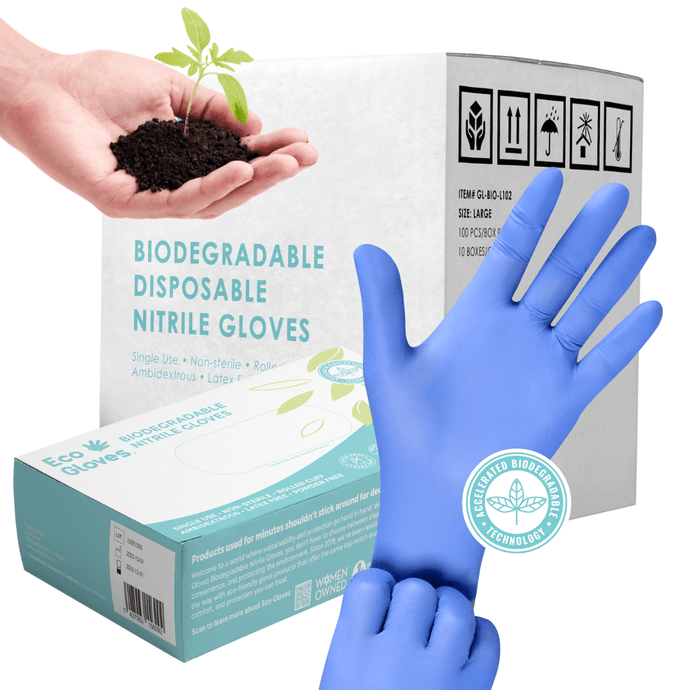
Nitrile Gloves
Nitrile gloves resist many chemicals and punctures. They fit well and are good for detailed work. People with latex allergies can use them safely.
These gloves work well with oils, greases, and some solvents. They are popular for painting and cleaning tasks.
Neoprene Gloves
Neoprene gloves offer good protection against acids and bases. They are flexible and comfortable to wear. These gloves also resist heat to some extent.
Use neoprene gloves for handling cleaning chemicals and light solvents.
Butyl Rubber Gloves
Butyl rubber gloves protect well against gas and strong chemicals. They block harmful vapors and acids. These gloves are thicker and less flexible.
Choose butyl gloves for work with ketones, esters, and strong acids.
Pvc Gloves
PVC gloves are good for handling acids, fats, and oils. They resist water and many chemicals but not all solvents. PVC gloves are durable and affordable.
Use these gloves for cleaning, gardening, and some painting projects.
Natural Rubber Gloves
Natural rubber gloves stretch well and fit tightly. They protect against many water-based chemicals and mild acids. Some people may have allergies to natural rubber.
These gloves are good for general cleaning and light chemical work.
Credit: mannsupply.com
Factors To Consider For Diy Projects
Choosing the right chemical-resistant gloves helps keep your hands safe. Not all gloves protect against every chemical.
Think about the chemicals you use and how long you will wear the gloves. This guide covers key factors to choose gloves for your DIY projects.
Chemical Compatibility
Check if the gloves resist the chemicals you plan to handle. Some gloves work well with acids, others with oils or solvents.
Using incompatible gloves can cause leaks or skin irritation. Always read the chemical resistance chart before buying.
- Identify the chemicals in your project
- Match gloves with the chemical resistance guide
- Replace gloves if damaged or worn out
Glove Thickness And Dexterity
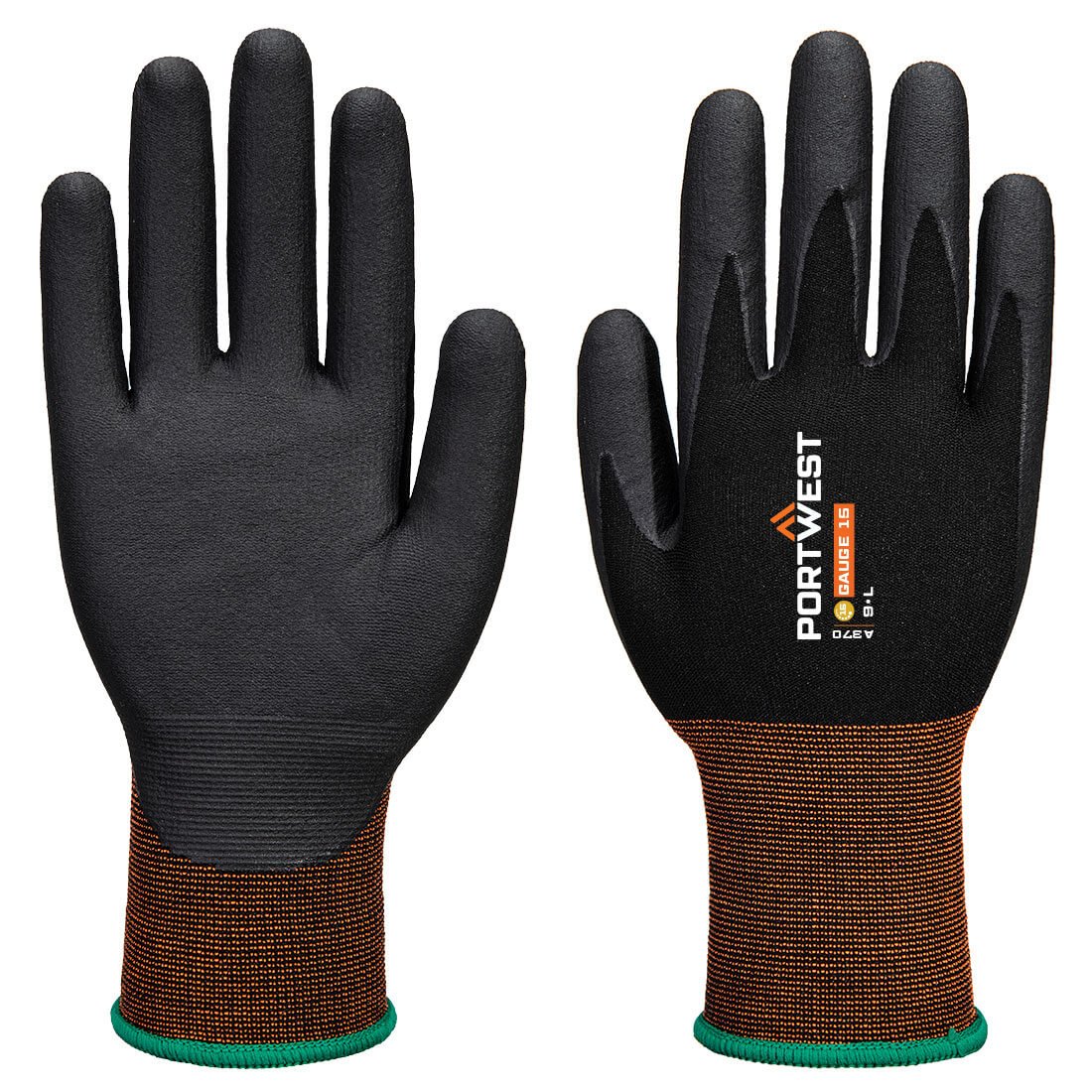
Thicker gloves offer better protection but may reduce finger movement. Thin gloves let you work with small tools easily.
Pick gloves that balance safety and comfort. Test how well you can grip and handle objects before long use.
- Thick gloves for strong chemical protection
- Thin gloves for detailed work and flexibility
- Choose based on the complexity of your task
Length And Coverage
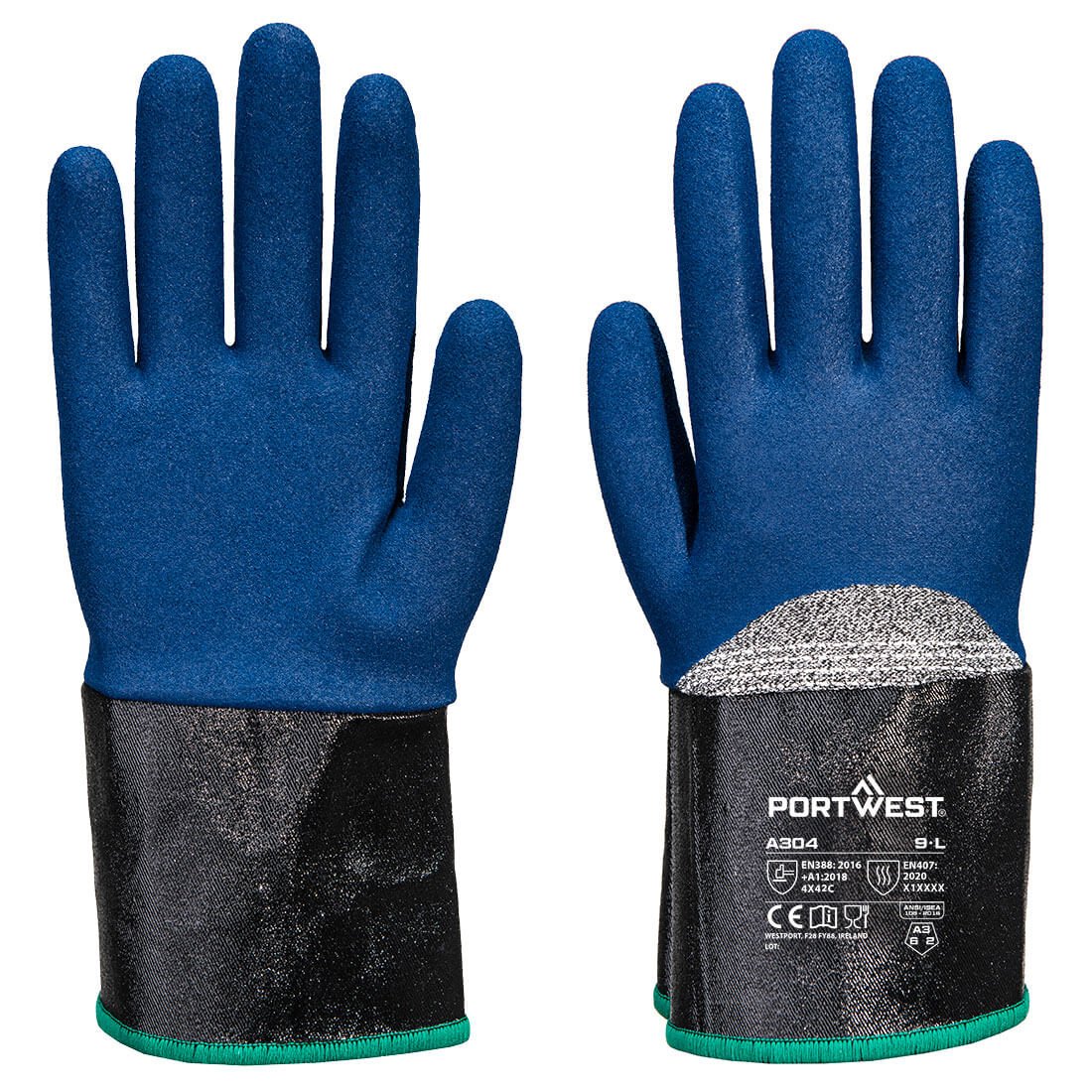
Long gloves protect your wrists and lower arms from splashes. Short gloves cover only your hands.
Consider how chemicals might splash or spill. Use longer gloves for liquid tasks or deep containers.
- Short gloves for light, dry work
- Long gloves for wet or splash risks
- Check if gloves fit under or over sleeves
Comfort And Fit
Gloves that fit well reduce hand fatigue and improve safety. Too loose gloves can slip, and tight gloves can cause discomfort.
Look for gloves with a comfortable lining and good breathability. Try different sizes to find your best fit.
- Measure your hand size before buying
- Choose gloves with soft liners for long wear
- Consider gloves with textured grips for better hold
Identifying Hazardous Chemicals
Knowing which chemicals can harm you is important for safety. Many DIY projects use substances that need special care.
Choosing the right gloves depends on understanding these chemicals. This guide helps you learn how to spot hazards.
Common Chemicals In Diy Tasks
DIY work often involves chemicals like paints, solvents, and adhesives. Each has different risks and needs specific gloves.
- Paints and stains
- Solvents and thinners
- Glue and epoxy resins
- Cleaning agents
- Fertilizers and pesticides
Reading Safety Data Sheets
Safety Data Sheets show important details about chemicals. They include risks, handling tips, and protection needed.
| Section | Information Provided |
| Hazards | Type of dangers the chemical poses |
| Handling | Safe ways to use and store the chemical |
| Personal Protection | Recommended gloves and gear |
| First Aid | Steps to take if exposed |
Recognizing Warning Labels
Labels on chemical containers warn about hazards. They use symbols and words to show risks clearly.
- Flammable
- Toxic
- Corrosive
- Harmful
- Environmental hazard

Credit: makesy.com
Glove Maintenance And Replacement
Chemical-resistant gloves protect your hands in DIY projects. Keeping them clean and safe helps them last longer.
Knowing when to replace gloves avoids accidents and keeps you safe from chemicals.
Cleaning And Storage Tips
Clean gloves after every use to remove chemicals and dirt. Use mild soap and water for cleaning.
Dry gloves completely before storing. Store them in a cool, dry place away from sunlight.
- Rinse gloves with water to remove chemicals
- Use mild soap, avoid harsh cleaners
- Air dry gloves, do not use heat
- Keep gloves in a sealed bag or container
- Avoid storing near sharp objects or heat sources
Signs Of Wear And Damage
Check gloves often for holes, cracks, or tears. These signs reduce protection against chemicals.
Also look for stiffness or thinning areas. These show the gloves have weakened.
- Visible holes or tears on gloves
- Cracks or splits in the material
- Stiff or brittle texture
- Thin or worn spots on fingers or palms
- Discoloration or unusual stains
When To Replace Gloves
Replace gloves immediately if you see damage. Do not try to fix holes or tears.
Also replace gloves if they feel sticky or lose flexibility. Old gloves may fail during use.
- After any visible damage or holes appear
- If gloves become stiff or sticky
- If gloves allow chemicals to pass through
- If gloves are used beyond recommended time
- When gloves no longer fit properly
Additional Safety Gear To Use
Choosing chemical-resistant gloves is important for DIY projects. Using extra safety gear keeps you safer. It helps protect your whole body from chemicals.
Always wear the right gear with your gloves. This reduces risks and stops accidents. Think about your eyes, clothes, and air quality.
Eye Protection
Wear safety goggles or glasses to protect your eyes. Chemicals can splash and cause serious harm. Regular glasses do not protect well enough.
Choose goggles that fit tightly and cover your eyes fully. Look for ones with anti-fog features. This helps keep your vision clear while you work.
- Use impact-resistant safety goggles
- Ensure goggles seal around your eyes
- Pick anti-fog lenses for clear vision
Protective Clothing
Wear long sleeves and pants made of chemical-resistant fabric. This protects your skin from spills and splashes. Avoid cotton as it absorbs chemicals.
Use aprons or coveralls for extra protection. Make sure clothes fit well and cover your whole body. Change clothes immediately if they get wet with chemicals.
- Wear long sleeves and pants
- Choose chemical-resistant materials
- Use aprons or coveralls
- Change clothes if contaminated
Proper Ventilation
Work in a well-ventilated area to avoid harmful fumes. Open windows and doors to let fresh air in. Use fans to improve air flow if needed.
If you use strong chemicals, consider wearing a mask or respirator. This protects your lungs from dangerous vapors. Read product labels for ventilation advice.
- Work near open windows or doors
- Use fans to increase air flow
- Wear a mask or respirator if needed
- Follow chemical label instructions
Frequently Asked Questions
What Materials Are Best For Chemical-resistant Gloves?
Nitrile, neoprene, and butyl rubber are top materials for chemical resistance. They protect against various solvents and acids. Choose based on the specific chemicals in your DIY project. Always check the glove’s resistance chart for safety and durability.
How Do I Know Glove Thickness Matters?
Thicker gloves offer better protection but reduce dexterity. For light chemical work, thinner gloves suffice. For harsh chemicals, thicker gloves prevent permeation. Balance protection and comfort based on your task’s duration and chemical type.
Can I Reuse Chemical-resistant Gloves Safely?
Reusing gloves depends on the chemical and glove condition. If gloves show damage or contamination, discard immediately. Some gloves are designed for single use, while others allow limited reuse. Always follow manufacturer guidelines for safety.
How To Measure Glove Size Correctly?
Measure your dominant hand’s circumference around the knuckles, excluding the thumb. Compare measurements with the sizing chart. Proper fit ensures comfort and prevents chemical exposure. Avoid gloves that are too tight or loose for effective protection.
Conclusion
Choosing the right chemical-resistant gloves keeps your hands safe. Check the glove material against the chemicals you use. Make sure the gloves fit well and feel comfortable. Don’t forget to look at durability and thickness. Replace gloves if they show signs of wear or damage.
Safe hands help you finish projects without harm. Protect yourself and work smart every time.
