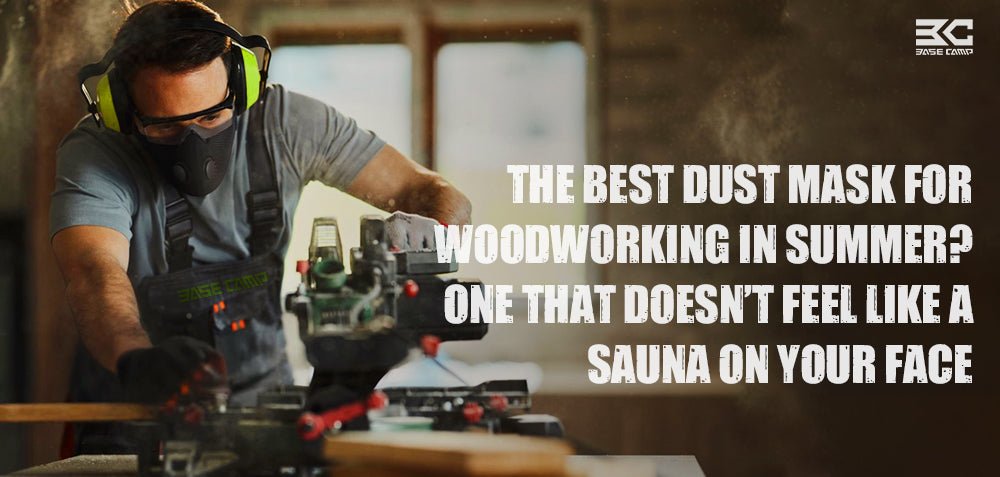
When you’re working with wood, the dust isn’t just annoying—it can harm your lungs and affect your health over time. Choosing the right dust mask is one of the simplest ways to protect yourself, but with so many options out there, how do you know which one is best for you?
In this guide, you’ll discover exactly how to select a dust mask that fits your needs, keeps you safe, and lets you focus on your woodworking projects without worry. Keep reading to find out what really matters when picking the perfect mask for your workshop.

Credit: www.firesafeinternational.co.uk
Woodworking Dust Hazards
Woodworking creates dust that can harm your health. Dust particles float in the air and enter your lungs. Choosing the right dust mask protects you from these dangers.
Understanding the types of wood dust and their risks helps you pick the best mask. Knowing particle sizes also matters for good protection.
Common Wood Dust Types
Different woods produce different dust. Softwoods and hardwoods create dust with unique features. Some woods are more harmful than others.
- Softwood dust comes from pine, fir, and cedar.
- Hardwood dust comes from oak, maple, and walnut.
- Tropical wood dust includes mahogany and teak.
- Composite wood dust comes from plywood and MDF.
Health Risks Of Wood Dust
Breathing wood dust can cause serious health issues. It can irritate your nose, throat, and lungs. Long-term exposure may lead to chronic diseases.
- Allergic reactions and skin irritation
- Asthma and breathing problems
- Nasal cancer from hardwood dust
- Eye irritation and dryness
Dust Particle Sizes
Wood dust particles vary in size. Smaller particles can reach deep inside your lungs. Masks must filter out these tiny particles to protect you well.
| Particle Size | Health Impact | Mask Protection Needed |
|---|---|---|
| >10 microns | Trapped in nose and throat | Basic dust mask |
| 2.5 – 10 microns | Reach upper airways | Respirator with P2 or N95 rating |
| < 2.5 microns | Reach deep lungs and blood | High-efficiency respirator (N99 or higher) |
Credit: treecarezone.com
Types Of Dust Masks
Woodworking creates dust that can harm your lungs. Choosing the right dust mask helps protect you. Different types of dust masks offer various levels of protection and comfort.
Understanding the types of dust masks helps you pick one that fits your needs. This guide covers disposable masks, reusable masks, and powered air-purifying respirators.
Disposable Masks
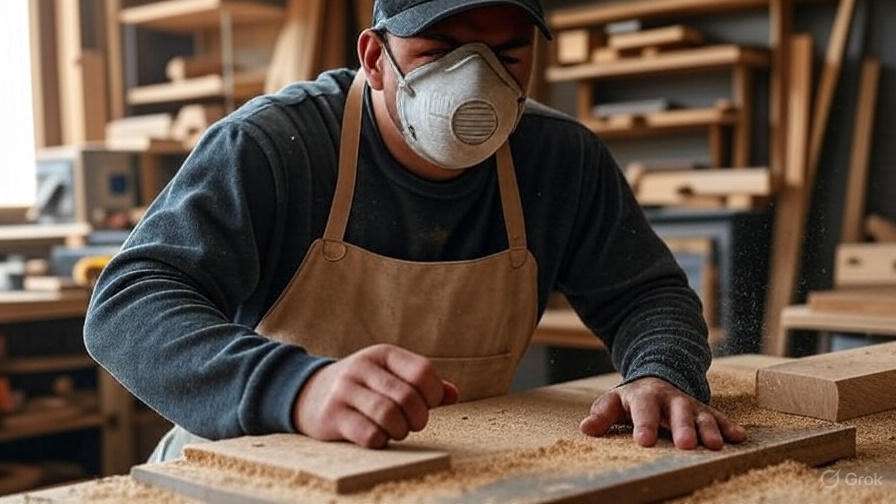
Disposable masks are made for one-time use. They are light and easy to wear. These masks fit loosely but block large dust particles well.
They do not protect against very fine dust or chemicals. Replace the mask if it gets dirty or hard to breathe through.
- Usually made of paper or fabric
- Lightweight and inexpensive
- Good for short woodworking tasks
- Not suitable for fine dust or toxic fumes
Reusable Masks
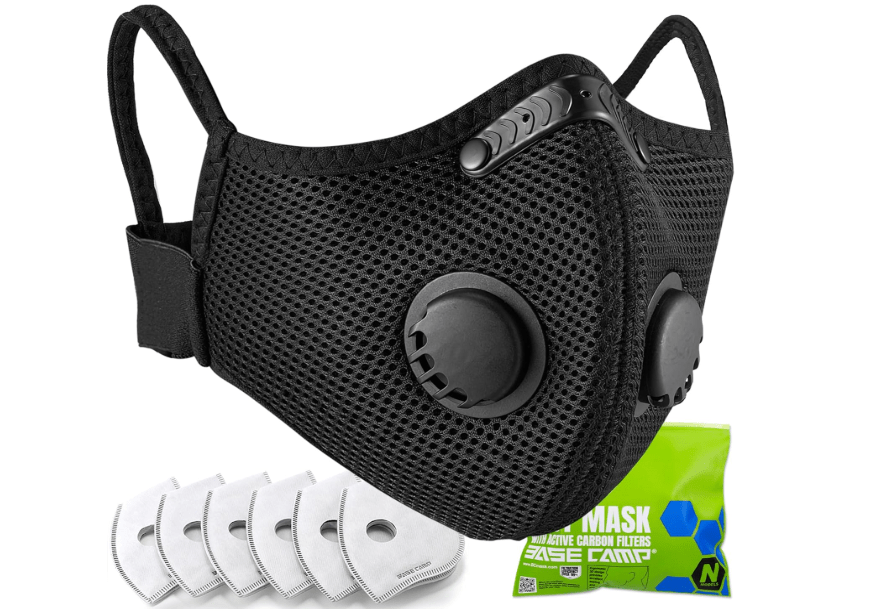
Reusable masks have a hard shell and replaceable filters. They fit tightly to your face to block fine dust. These masks offer better protection than disposable ones.
You can clean and use them many times. Change the filters based on the dust level and type. Look for masks with N95 or higher ratings for fine dust.
- Made of durable materials like silicone or rubber
- Use replaceable filters for longer use
- Fit snugly to prevent dust leaks
- Suitable for regular woodworking
Powered Air-purifying Respirators
Powered air-purifying respirators (PAPRs) use a battery to blow clean air. They have a hood or facepiece that covers your head. PAPRs reduce breathing effort and keep you cool.
These respirators provide the highest protection against dust and fumes. They are heavier and more expensive but good for long or heavy dust jobs.
- Use battery-powered fans to filter air
- Provide high-level protection and comfort
- Ideal for long woodworking tasks
- Require maintenance and battery charging
Mask Filtration Ratings
Choosing the right dust mask is important for woodworking. Masks keep harmful dust out of your lungs.
Filtration ratings show how well masks block particles. Knowing these helps pick the best mask.
N95 And Equivalent Standards
N95 masks block at least 95% of tiny particles. They work well against wood dust and other fine dust.
Other countries have similar standards like FFP2 in Europe and KN95 in China. They offer close protection.
- N95 (USA): Filters 95% of particles 0.3 microns or larger
- FFP2 (Europe): Filters at least 94%
- KN95 (China): Filters at least 95%
P100 And Higher Protection
P100 masks provide stronger protection than N95. They filter at least 99.97% of particles.
These masks are good for heavy dust or toxic wood dust. They also protect from oil-based particles.
- P100 (USA): Filters 99.97% of particles
- FFP3 (Europe): Filters 99% or more
- Higher ratings offer better protection for tough jobs
Understanding Filter Efficiency
Filter efficiency shows how well a mask stops particles. Higher numbers mean better filtration.
Efficiency depends on mask material and design. Proper fit is also very important to block dust.
| Rating | Filtration Efficiency | Protection Level |
|---|---|---|
| N95 / KN95 / FFP2 | 95% | Good for most woodworking dust |
| P100 / FFP3 | 99.97% / 99% | Best for heavy or toxic dust |
Fit And Comfort Factors
Choosing the right dust mask is important for woodworking safety. A good fit and comfort help you wear the mask longer.
Mask fit and comfort protect your lungs and make your work easier. Learn what to check before buying a mask.
Proper Mask Fit
The mask must fit snugly on your face. Gaps let dust enter and reduce protection.
Check if the mask covers your nose and mouth fully. It should not slip when you move your head.
- Choose a mask size that matches your face shape
- Look for masks with a nose clip for a tighter seal
- Test the mask for leaks by breathing in and out
Adjustable Straps And Seals
Straps keep the mask tight and secure. Adjustable straps help fit different head sizes.
Soft seals around the edges improve comfort and prevent dust from entering. Check for flexible materials.
- Look for masks with elastic or adjustable straps
- Check if straps are easy to tighten and loosen
- Choose masks with soft, flexible seals for long use
Breathability And Comfort
Good breathability helps you work without feeling tired. Masks that block dust but allow airflow are best.
Comfort also depends on the weight and material of the mask. Lightweight masks reduce pressure on your face.
- Choose masks with ventilation valves for easier breathing
- Pick masks made from soft, skin-friendly materials
- Avoid masks that feel hot or sticky after use
Additional Safety Features
Choosing the right dust mask for woodworking means looking beyond basic protection. Extra features can improve comfort and safety. These features help keep you safe during long work sessions.
This guide covers key safety features to consider when selecting a dust mask. These features include exhalation valves, anti-fogging properties, and durability with maintenance tips.
Exhalation Valves
Exhalation valves let air flow out easily when you breathe out. They reduce heat and moisture inside the mask. This makes breathing more comfortable during long tasks.
Valves also prevent the mask from getting wet inside. Wet masks lose their filtering ability and feel uncomfortable. Masks with valves are good for heavy dust or warm environments.
Anti-fogging Properties
Woodworking often needs safety glasses. Masks that cause glasses to fog up reduce visibility. Anti-fogging features help keep your glasses clear.
- Look for masks with foam strips at the nose area.
- Choose masks that fit snugly to stop warm air from escaping upward.
- Some masks have special coatings to reduce fogging.
Durability And Maintenance
Durable masks last longer and protect better. Check the materials and build quality before buying. Some masks are reusable, while others are disposable.
| Feature | Reusable Masks | Disposable Masks |
| Material | Sturdy plastic and replaceable filters | Lightweight paper or fabric |
| Cleaning | Wash mask body; change filters regularly | No cleaning, toss after use |
| Cost | Higher upfront, saves money over time | Lower cost, needs frequent replacement |
| Durability | Long-lasting with proper care | Short term use only |
Choosing Masks For Specific Tasks
Woodworking creates different types of dust and particles. Picking the right dust mask helps protect your lungs. Each task needs a mask that fits its dust level and particle size.
Using the correct mask keeps you safe and comfortable. Let’s look at the best masks for common woodworking tasks.
Sanding And Finishing
Sanding makes fine dust that can irritate your lungs. Finishing tasks may add chemical fumes from paints or stains. Choose masks that filter small dust particles and some vapors.
Look for masks with N95 or P100 ratings. These block very small dust particles. For finishing, a mask with an organic vapor cartridge is better.
- N95 masks protect against fine dust
- P100 masks block even smaller particles
- Organic vapor cartridges help with fumes
- Ensure a tight fit for best protection
Cutting And Routing
Cutting and routing create larger wood chips and dust. This dust can cause allergies or breathing problems. Use masks that filter dust and allow easy breathing.
Half-face respirators with P95 or P100 filters are good. They block dust and fit securely. Make sure the mask seals well around your nose and mouth.
- P95 filters block oil and non-oil particles
- P100 filters block 99.97% of particles
- Half-face masks offer good comfort and protection
- Check the mask fit before use
Working With Treated Woods
Treated woods contain chemicals that release harmful dust and fumes. These can cause skin and lung irritation. Use masks that protect against dust and chemical vapors.
Full-face respirators with combination cartridges work best. They protect your eyes and lungs from dust and chemicals. Always check the mask’s rating for chemical protection.
- Full-face masks protect eyes and lungs
- Use cartridges rated for organic vapors and particulates
- Replace filters often for safety
- Follow safety data sheet instructions for treated wood
Mask Care And Replacement
Choosing the right dust mask for woodworking is only part of the process. Proper care and timely replacement keep the mask effective. Taking good care of reusable masks and knowing when to replace disposable ones protects your lungs.
Below are key tips for cleaning, replacing, and storing your dust masks. These help maintain safety and comfort during woodworking tasks.
Cleaning Reusable Masks
Reusable masks need regular cleaning to remove dust and germs. Wash your mask after every use. Use warm water and mild soap to clean all parts, including the straps and valves.
- Disassemble the mask if possible before washing
- Rinse thoroughly to remove soap residue
- Let the mask air dry completely before reuse
- Do not use bleach or strong chemicals
- Check for any damage during cleaning
When To Replace Disposable Masks
Disposable masks have limits on their effectiveness. Replace them if you notice any signs of damage or difficulty breathing. Do not try to clean or reuse disposable masks.
| Condition | Reason to Replace |
| Torn or damaged mask | Reduces protection from dust |
| Mask smells or feels dirty | Hygiene concerns |
| Breathing becomes hard | Filter is clogged |
| After heavy use (several hours) | Mask loses efficiency |
Storage Tips
Proper storage keeps masks clean and ready for use. Store masks in a dry, cool place away from direct sunlight. Avoid folding or crushing your mask to keep its shape intact.
- Use a clean container or bag to hold your mask
- Keep reusable masks separate from dirty ones
- Do not store masks in pockets or toolboxes
- Label storage containers for easy identification
Credit: treecarezone.com
Frequently Asked Questions
What Factors To Consider When Choosing Dust Masks?
When selecting dust masks for woodworking, consider fit, filtration efficiency, comfort, and type of mask. Ensure the mask fits snugly and has a high filtration rating like N95 or P100. Comfort is key for long-term use, so choose one with adjustable straps and soft materials.
Are Disposable Or Reusable Dust Masks Better?
Disposable masks are convenient and hygienic, ideal for short-term projects. Reusable masks, however, offer better long-term value and environmental benefits. They often have replaceable filters, providing consistent protection. Choose based on project duration and frequency of use.
How To Ensure A Dust Mask Fits Properly?
To ensure proper fit, perform a seal check by covering the mask and exhaling. If air leaks, adjust the straps or nose clip. A well-fitting mask should cover your nose, mouth, and chin without gaps. Test different sizes to find the most secure and comfortable fit.
Why Is N95 Important For Dust Masks?
N95 masks filter at least 95% of airborne particles, crucial for woodworking. They protect against dust, allergens, and fine particles, ensuring safety. Choosing an N95-rated mask provides reliable filtration, reducing inhalation of harmful particles during woodworking activities.
Conclusion
Choosing the right dust mask keeps you safe while woodworking. Check for proper fit and good filtration. Masks that seal well stop harmful dust from entering. Remember to pick a mask made for woodworking tasks. Replace your mask regularly to maintain protection.
Staying safe helps you enjoy your woodworking projects more. Protect your lungs with the right dust mask today. Safety first. Always.