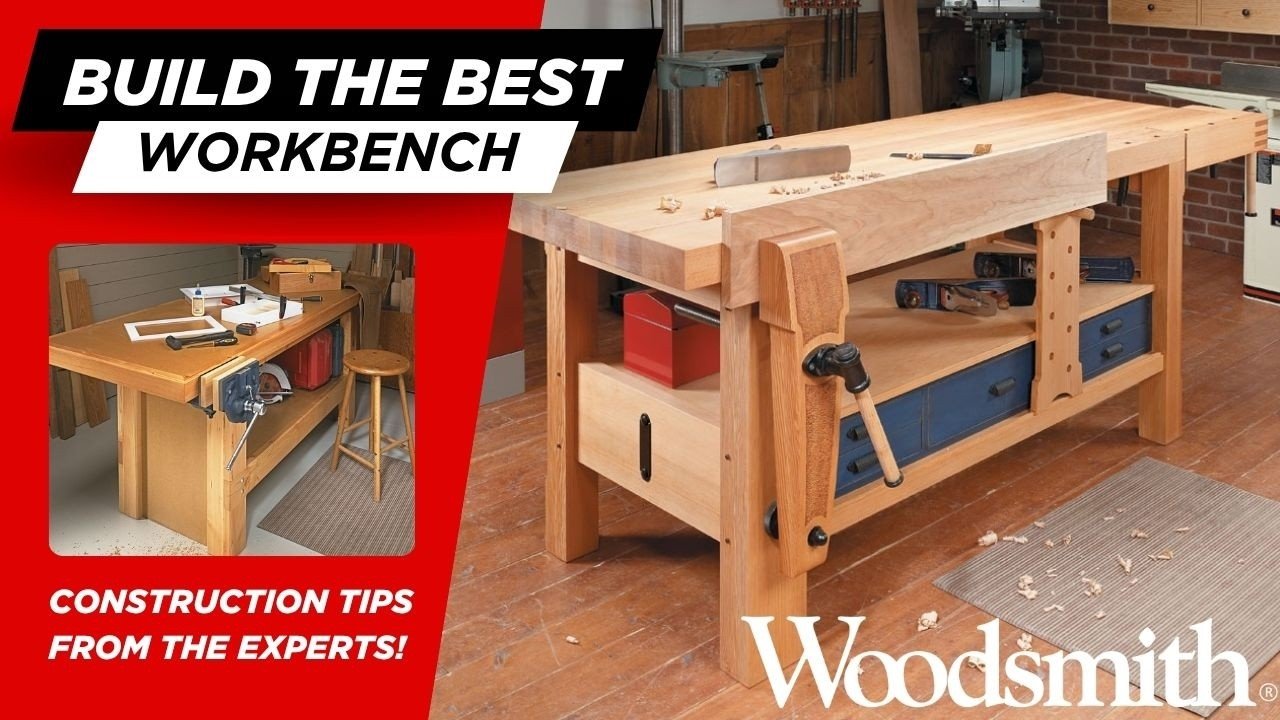
Choosing the right woodworking bench can make all the difference in your projects. You want a bench that fits your space, supports your work, and feels just right under your hands.
But with so many options out there, how do you pick the perfect one? This guide will help you understand what to look for, so you can find a bench that boosts your skills and makes every project easier and more enjoyable.
Keep reading—you’re about to discover the key to transforming your woodworking experience.
Types Of Woodworking Benches
Woodworking benches come in different styles to fit your needs. Choosing the right bench helps you work better and safer.
Each type has unique features. Knowing these helps you pick the best one for your workshop.
Traditional Benches
Traditional benches are strong and heavy. They offer a solid surface for hand tools and carving.
These benches often have built-in vises and dog holes. They are made from hardwood for durability.
- Made from thick hardwoods like maple or beech
- Heavy and stable to reduce movement
- Includes vises and holes for clamping wood
- Ideal for detailed hand tool work
Modern Benches
Modern benches use new materials and designs. They often include metal parts and adjustable features.
These benches work well with power tools. They may have built-in storage and easy cleanup options.
- Use metal frames and composite tops
- Lightweight but still sturdy
- Adjustable height and accessories
- Good for workshops using power tools
Portable Benches
Portable benches are small and easy to move. They are perfect for jobs outside the main workshop.
Many fold for storage and transport. They usually include clamps to hold workpieces securely.
- Lightweight and foldable designs
- Easy to carry to different job sites
- Include built-in clamps or vises
- Best for small projects and quick setups

Credit: www.reddit.com
Key Features To Consider
Choosing the right woodworking bench is important for your projects. The bench should fit your workspace and meet your needs.
Look at several key features before buying. These features will affect your comfort and work quality.
Bench Size And Surface Area
The size of your bench affects how much space you have to work. A larger surface lets you handle bigger projects.
Consider the space where you will place the bench. Make sure it fits without crowding your workshop.
- Measure your workspace before selecting a bench
- Choose a surface area that fits your typical projects
- A wider bench helps with large wood pieces
- A smaller bench saves space but limits work size
Material And Build Quality
Woodworking benches come in different materials like hardwood or metal. The material affects durability and weight.
Look for benches made with strong joints and quality parts. This ensures the bench lasts for years.
- Hardwood benches resist dents and scratches
- Metal frames add extra strength and support
- Check for solid construction and tight fittings
- A bench with good finish protects against damage
Weight And Stability
Heavier benches tend to be more stable. Stability is important to keep your work steady and safe.
Make sure the bench does not wobble or move during use. Stability helps you make accurate cuts and measurements.
- Look for benches with heavy, sturdy legs
- Wide legs or additional supports improve balance
- Some benches have adjustable feet for uneven floors
- Heavier benches are harder to move but more stable
Workholding Options
Workholding means how the bench holds your wood in place. Good options help you work safely and precisely.
Look for benches with built-in clamps, vises, or dog holes. These features let you secure your projects easily.
- Vises hold wood tightly on the bench edge
- Dog holes allow for adjustable clamps anywhere
- Some benches include bench dogs and holdfasts
- Choose options that match your woodworking style
Choosing The Right Bench For Your Needs
Picking the right woodworking bench helps you work better and safer. The bench should fit your skills, space, and projects.
This guide explains how to choose a bench that suits your needs and helps your woodworking go smoothly.
Beginners Vs. Professionals
Beginners need simple benches that are easy to use and move. Professionals want benches that are strong and last long.
Beginners should look for benches with easy clamping and storage. Professionals may need benches with heavy-duty features.
- Beginners: Lightweight, affordable, simple design
- Professionals: Heavy, stable, with extra work-holding tools
- Beginners: Smaller size for home use
- Professionals: Larger size for big projects
Space And Workshop Layout
Measure your workshop before buying a bench. The bench should fit without crowding the space.
Consider if you want a fixed bench or a portable one. Portable benches save space and can move easily.
- Fixed benches need a dedicated spot
- Portable benches work well in small areas
- Leave room to move around the bench
- Check for storage under or around the bench
Types Of Projects
Your projects affect the bench you choose. Small projects need less heavy benches than big, tough work.
Think about the materials and tools you use most. Choose a bench that supports those well.
- Light projects: small, simple benches work fine
- Heavy projects: strong, stable benches are best
- Wood carving needs smooth, flat surfaces
- Assembly work benefits from benches with clamps
Popular Woodworking Bench Materials
Choosing the right material for your woodworking bench is important. The material affects strength, durability, and cost.
Different materials suit different needs. Some are better for heavy work, while others are lighter and easier to move.
Hardwood Benches
Hardwood benches are very strong and last a long time. They can hold heavy tools and heavy workpieces.
Common hardwoods include maple, oak, and beech. These woods resist dents and scratches well.
- Very durable and stable
- Heavy and sturdy
- Good for long-term use
- Can be more expensive
Plywood And Mdf Options
Plywood and MDF benches are lighter and less costly. They are made by gluing wood layers or fibers together.
These materials are smooth and flat but not as strong as hardwood. They work well for light to medium tasks.
- Less expensive than hardwood
- Lightweight and easy to move
- Surface is smooth for finishing work
- Can wear down faster under heavy use
Metal Frames And Composites
Metal frames add strength and stability to benches. They often combine with wood tops for the best of both worlds.
Composite materials like resin or plastic parts resist moisture and damage. They need less maintenance.
- Metal frames provide strong support
- Resist warping and moisture
- Good for heavy or outdoor work
- Can be heavier and costly
Essential Accessories And Upgrades
Choosing the right woodworking bench means picking useful accessories. These upgrades help you work faster and keep your projects steady.
Some tools attach directly to the bench. Others improve how you store or hold your materials. Knowing what to add makes your bench more flexible and strong.
Vises And Clamps
Vises and clamps keep your wood steady. They allow you to work safely and accurately. There are many types to choose from, each with a special use.
- Front Vise:Mounted on the bench front for holding boards flat.
- Quick-Release Vise:Opens and closes fast for easy adjustments.
- Pipe Clamp:Uses pipes for long clamping needs.
- F-Clamp:Handy for smaller pieces and tight spots.
Bench Dogs And Holdfasts
Bench dogs fit into holes on the bench surface. They stop your wood from moving side to side. Holdfasts press down on pieces to keep them tight.
| Accessory | Purpose |
| Bench Dogs | Hold wood in place along the bench. |
| Holdfasts | Clamp wood firmly from above. |
| Adjustable Dogs | Fit different thicknesses of wood. |
| Metal Dogs | Durable and strong for heavy work. |
Storage Solutions
Good storage keeps your tools and materials organized. It saves time and keeps the work area safe. You can add shelves, drawers, or racks to your bench.
- Under-bench drawers for small tools
- Side shelves for clamps and supplies
- Tool racks built into the bench sides
- Magnetic strips for metal tools

Credit: www.youtube.com
Maintenance And Longevity Tips
Taking care of your woodworking bench can extend its life. Regular maintenance keeps the bench strong and safe. Small tasks done often prevent bigger problems.
This guide covers cleaning, repairs, and ways to avoid damage. Follow these tips to keep your bench in top shape for years.
Cleaning And Surface Care
Keep the bench surface clean to avoid buildup that can harm wood and tools. Use gentle methods to preserve the finish and wood quality.
- Wipe the surface with a dry cloth after use.
- Use a damp cloth with mild soap for sticky spots.
- Dry the bench completely to prevent moisture damage.
- Apply wax or oil occasionally to protect the wood.
- Avoid harsh chemicals that can strip finishes.
Repairing And Refinishing
Fix small cracks and dents quickly to stop them from growing. Refinishing helps bring back the bench’s smooth surface and protects the wood.
| Repair Task | Recommended Action |
| Small cracks | Fill with wood filler and sand smooth |
| Deep dents | Use steam to raise wood, then sand |
| Worn finish | Sand old finish, then apply new stain or oil |
| Loose parts | Tighten screws or add wood glue |
Preventing Damage
Protect your bench from damage by using it correctly and storing it well. Avoid heavy impacts and keep it dry.
- Use pads or mats under heavy tools to prevent dents.
- Do not overload the bench with too much weight.
- Keep the bench away from direct sunlight and moisture.
- Store the bench indoors or cover it when not in use.
- Check and tighten fasteners regularly to keep stability.
Budgeting For Your Bench
Choosing the right woodworking bench starts with setting a budget. A clear budget helps you find a bench that fits your needs and wallet.
Woodworking benches vary widely in price and features. Understanding your options will guide smart spending.
Affordable Options
Many benches offer good value without costing much. These benches often use simpler materials and designs.
- Basic benches made of pine or plywood
- Smaller sizes for limited space
- Benches without many built-in tools or storage
- Used benches from online marketplaces
Investing In Quality
High-quality benches last longer and improve your work. They use stronger wood and better joinery.
| Feature | Affordable Bench | Quality Bench |
| Material | Pine or plywood | Hardwood like maple or beech |
| Durability | Moderate | High |
| Weight | Lighter | Heavier for stability |
| Price Range | $100 – $300 | $400 – $1000+ |
Diy Vs. Prebuilt Benches
Building your own bench can save money but needs time and skills. Buying prebuilt is faster but may cost more.
- DIY benches let you customize size and features
- Prebuilt benches come ready to use
- DIY requires tools and woodworking knowledge
- Prebuilt options suit beginners or busy woodworkers

Credit: www.gladiatorgarageworks.com
Frequently Asked Questions
What Factors Should I Consider When Choosing A Woodworking Bench?
Consider size, material, weight capacity, and storage options. Also, check bench stability and surface finish. These factors ensure efficiency and comfort during woodworking projects.
Which Wood Type Is Best For A Woodworking Bench?
Hardwoods like maple, beech, or oak are ideal. They offer durability, strength, and resistance to dents. Softwoods may wear out quickly under heavy use.
How Important Is Bench Height For Woodworking?
Bench height affects comfort and precision. Choose a height where your elbows are slightly above the work surface. This reduces strain and improves control during tasks.
Should I Buy A Portable Or Fixed Woodworking Bench?
Portable benches offer flexibility and space-saving benefits. Fixed benches provide superior stability and weight support. Choose based on your workspace and project needs.
Conclusion
Choosing the right woodworking bench is crucial for your projects. Start by considering your workspace size. Then, think about the types of projects you’ll do. Each project may require different bench features. Also, consider the bench material for durability. Look for benches with storage if you need it.
Assess the bench height for comfort during use. A stable and sturdy bench helps in precision work. Always compare different options before deciding. Your perfect bench enhances your woodworking experience. Make an informed choice for better results. Happy woodworking!