If you’ve ever worked on a simple electrical project, you know that stripping wires is one of the first and most important steps. But getting it wrong can cause poor connections, electrical shorts, or even damage to your tools.
How do you strip wires quickly, safely, and without wasting any material? You’ll discover easy, step-by-step methods to strip wires like a pro—whether you’re a beginner or just want to improve your skills. Keep reading to learn the tips and tricks that will make your electrical work cleaner, safer, and more reliable.
Tools Needed
Stripping wires is a key step for good electrical connections. Using the right tools makes the job easier and safer.
This guide covers the main tools needed to strip wires properly and prepare them for wiring tasks.
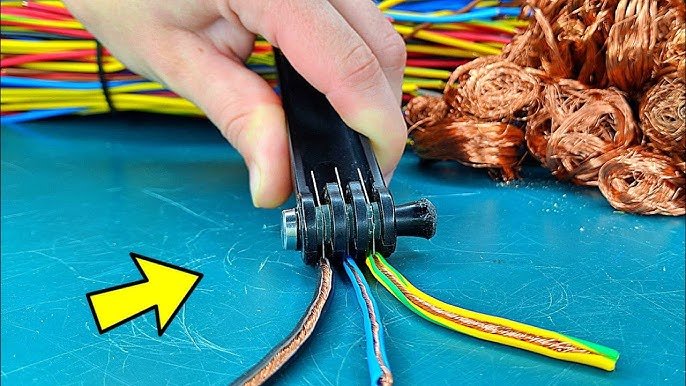
Wire Strippers
Wire strippers remove insulation from wires without damaging the metal inside. They come in different sizes for various wire gauges.
- Choose wire strippers that fit your wire size.
- Look for adjustable models for flexibility.
- Use the correct notch to avoid cutting the wire.
Utility Knife
A utility knife can strip wire insulation carefully by scoring around the wire. Use it only if you have steady hands to avoid cutting the wire strands.
Pliers
Pliers help hold the wire steady and twist wires together. Needle-nose pliers are good for reaching tight spots and bending wires.
| Type of Pliers | Use |
| Needle-nose | Gripping small wires, bending |
| Linemen’s | Cutting and twisting wires |
| Slip-joint | General gripping and holding |
Safety Gear
Safety gear protects you from cuts and electrical shocks. Always wear gloves and eye protection when working with wires.
- Insulated gloves to prevent shocks
- Safety goggles to protect eyes from debris
- Long sleeves to protect arms from scratches
Choosing The Right Wire
Choosing the right wire is important for safe electrical connections. The wire must fit the device and the current it carries.
Using the wrong wire can cause overheating or poor connections. Understand wire types and gauges before you start.
Wire Types
There are many wire types for different uses. Some wires work better indoors, others outdoors or underground.
Common wire types include copper, aluminum, and stranded wires. Copper wires carry electricity well and are common.
- Copper Wire:Good conductor, used in most homes.
- Aluminum Wire:Lighter and cheaper but less conductive.
- Stranded Wire:Made of many small wires, flexible for moving parts.
- Solid Wire:One thick wire, used for fixed wiring.
Wire Gauges
Wire gauge shows the wire’s thickness. Thicker wires carry more current safely.
Use the correct gauge to avoid overheating. The gauge number goes down as wire gets thicker.
| Gauge | Use | Max Current |
|---|---|---|
| 14 | Lighting circuits | 15 amps |
| 12 | Outlet circuits | 20 amps |
| 10 | Large appliances | 30 amps |
| 8 | Air conditioners | 40 amps |
Preparing The Workspace
Before stripping wires for electrical connections, set up a clean and safe workspace. This helps you work faster and avoid mistakes.
Having the right area and tools makes the job easier and keeps you safe from accidents.
Clear Area
Clear your workspace of clutter and unnecessary items. A tidy area prevents wires from getting lost or tangled.
- Remove papers, tools, and other materials not needed for wiring.
- Keep only the wire stripper and wires in reach.
- Use a flat, stable surface for working.
- Ensure the surface is dry and clean to avoid slipping.
Adequate Lighting
Good lighting helps you see the wire insulation clearly. It reduces mistakes like cutting too deep or stripping unevenly.
| Lighting Type | Benefits |
| Natural Light | Bright and clear, reduces eye strain |
| Desk Lamp | Focused light on your work area |
| LED Light | Long-lasting and energy efficient |
Safety Precautions
Safety is important when working with wires. Protect yourself from cuts and electric shocks.
- Always turn off power before stripping wires.
- Wear safety glasses to protect your eyes.
- Use insulated tools to avoid shocks.
- Keep your hands dry and clean.
- Work in a well-ventilated area.

Credit: www.familyhandyman.com
Step-by-step Wire Stripping
Stripping wires is important for making good electrical connections. It removes the protective cover so the wire can connect properly.
Follow these steps carefully to strip wires safely and correctly. Use the right tools and work slowly for best results.
Measure Strip Length
First, decide how much insulation to remove. The length depends on the connector or terminal size. Usually, it is about half an inch.
Use a ruler or tape measure to mark the length on the wire. This will help you strip the right amount.
Score The Insulation
Use a wire stripper or a sharp knife to gently cut the insulation around the wire. Do not press too hard to avoid damaging the wire inside.
- Hold the wire steady
- Place the wire stripper at the marked length
- Rotate slightly to score the insulation evenly
- Keep the blade shallow to avoid cutting the wire strands
Remove The Insulation
After scoring, pull off the insulation carefully. Use your fingers or the wire stripper tool to slide the insulation away from the wire.
| Tool | Method |
| Wire stripper | Clamp and pull insulation off |
| Knife | Score then pull insulation by hand |
| Fingers | Grip and slide insulation away |
Inspect The Wire
Check the stripped wire carefully. Make sure no strands are cut or damaged. The wire should be clean and shiny.
If strands are broken, cut the wire and strip it again. Good wire condition ensures a safe and strong electrical connection.
Common Mistakes To Avoid
Stripping wires for electrical connections needs care and skill. Mistakes can cause poor connections and safety risks.
Learn about common errors and how to avoid them for better and safer wiring results.
Cutting The Wire
Cutting wires cleanly is important. A rough or uneven cut can damage the wire or cause bad connections.
- Use sharp wire cutters made for electrical work.
- Cut the wire straight, not at an angle.
- Avoid crushing the wire strands when cutting.
- Do not cut too close to the insulation to prevent damage.
Stripping Too Much Insulation
Removing too much insulation exposes more wire than needed. This can cause shorts or expose wires to damage.
| Problem | Risk |
| Too much insulation removed | Short circuits and exposed wiring |
| Too little insulation removed | Poor connection and unreliable contact |
| Uneven stripping | Weak connections and increased resistance |
Damaging The Conductor
Damaging the wire strands weakens the conductor. It can cause breaks and poor electrical flow.
Tips to avoid conductor damage:
- Use wire strippers that fit the wire gauge.
- Do not twist or pull the wire while stripping.
- Strip the insulation gently and evenly.
- Inspect the wire after stripping for broken strands.

Credit: www.eastwood.com
Safety Tips
Stripping wires for electrical connections needs care and attention. Safety should be your top priority.
Following simple safety tips helps avoid accidents and ensures a safe working environment.
Turn Off Power
Always switch off the power source before you start stripping wires. This prevents electric shocks.
- Locate the main power switch or circuit breaker.
- Turn off the power to the area you will work on.
- Use a voltage tester to confirm no electricity is present.
- Never assume wires are safe without testing.
Use Insulated Tools
Use tools with insulated handles to protect yourself from electric shock.
| Tool | Purpose | Insulation Benefit |
|---|---|---|
| Wire Strippers | Remove wire insulation safely | Prevents electric current from passing |
| Pliers | Grip and bend wires | Protects hands from shock |
| Screwdrivers | Tighten or loosen terminals | Stops accidental shocks |
Wear Protective Gear
Protect your body by wearing the right safety gear before working with wires.
- Wear safety glasses to shield your eyes from flying wire bits.
- Use insulated gloves to avoid electric shocks.
- Wear long sleeves and pants to protect your skin.
Maintaining Tools
Keeping your wire stripping tools in good shape is key to safe and clean electrical connections.
Regular care helps the tools last longer and work better every time you strip wires.
Cleaning
Remove dirt and grease from your wire strippers after each use. Wipe the blades and handles with a dry cloth.
If needed, use a small brush to clean hard-to-reach spots. Avoid water to prevent rust.
Sharpening Blades
Dull blades can damage wires. Keep blades sharp to cut smoothly and safely.
- Use a fine file or sharpening stone.
- Hold the blade at the correct angle.
- Gently file the blade edge in one direction.
- Test the sharpness on a scrap wire.
- Repeat if needed but do not over-sharpen.
Storage
| Storage Tip | Reason |
|---|---|
| Keep tools in a dry case | Prevents rust and corrosion |
| Store away from moisture | Protects metal parts and blades |
| Organize tools by type | Makes them easy to find and use |
| Use blade guards if available | Prevents damage and injury |

Credit: www.eastwood.com
Frequently Asked Questions
How Do You Strip Wires Safely For Electrical Connections?
Use a wire stripper tool to avoid cutting the wire. Turn off power before starting. Remove only the insulation, not the wire itself. Work slowly to prevent damage. Follow safety guidelines and wear protective gear.
What Tools Are Best For Stripping Electrical Wires?
Wire strippers are the best tools for this job. They offer precise insulation removal. Avoid using knives or scissors as they can damage wires. Some wire strippers have adjustable settings for different wire sizes. Choose a quality tool for safety and efficiency.
How Much Insulation Should Be Stripped From Wires?
Strip about 1/2 inch of insulation for most connections. This length provides enough exposed wire for secure contact. Avoid stripping too much to prevent short circuits. Check specific device or wire requirements for exact length. Use wire strippers to measure and cut accurately.
Can I Strip Wires Without A Wire Stripper?
Yes, but it’s riskier. Using a knife or scissors can damage the wire. You must be very careful to avoid cutting the wire strands. It’s safer and more efficient to use the correct wire stripping tool.
Conclusion
Stripping wires is a crucial skill for safe electrical connections. Practice makes perfect. Use the right tools and techniques for best results. Always ensure the power is off before starting. This prevents accidents. Remember, accuracy is key when cutting. Measure twice, cut once.
Double-check your work to avoid mistakes. Safety gear like gloves can protect your hands. Keep your tools sharp and clean for better performance. With these tips, you’ll be ready for any wiring task. Happy wiring and stay safe!