If you’ve ever struggled with putting furniture together, you know how tricky it can be to get all the pieces to fit just right. Using a mallet the right way can make your job easier and protect your furniture from damage.
But how exactly do you use a mallet in furniture assembly? In this guide, you’ll learn simple, practical tips that will help you handle your mallet like a pro. Keep reading, and you’ll discover how this basic tool can save you time, effort, and frustration every time you build or fix furniture.
Choosing The Right Mallet
Using a mallet properly helps you build furniture without damage. Picking the right mallet makes your work easier.
Different mallets fit different tasks. Knowing types and materials guides you to the best choice.
Types Of Mallets
There are several types of mallets for furniture assembly. Each type works well with specific materials and tasks.
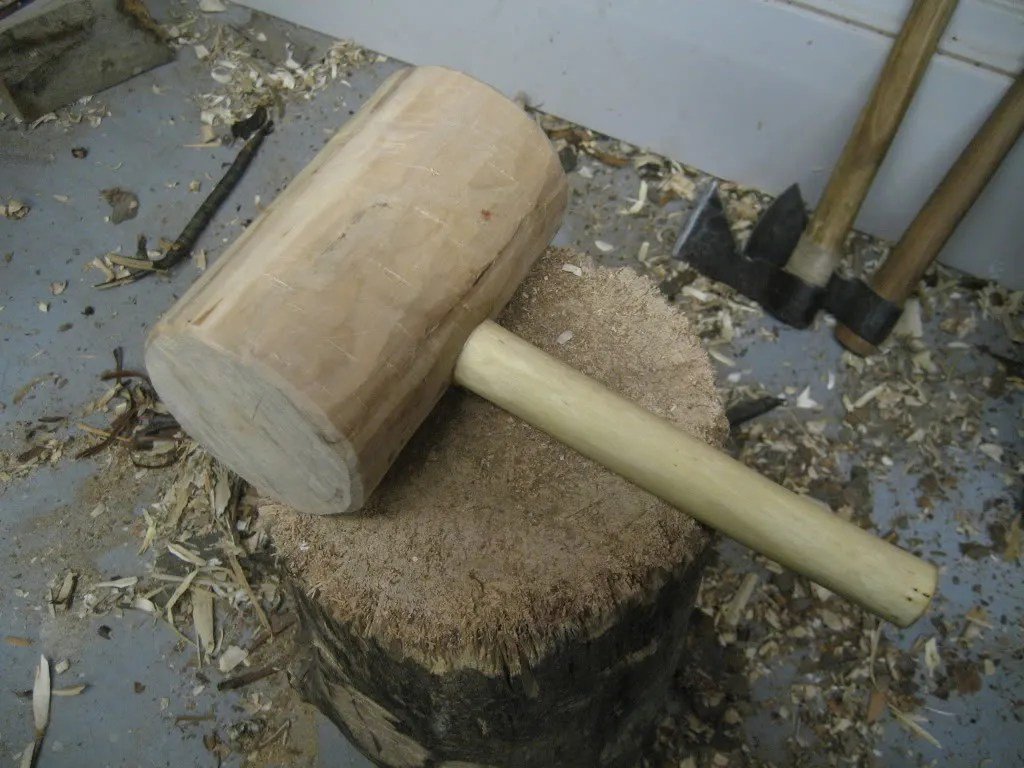
- Wooden mallets are gentle on wood surfaces.
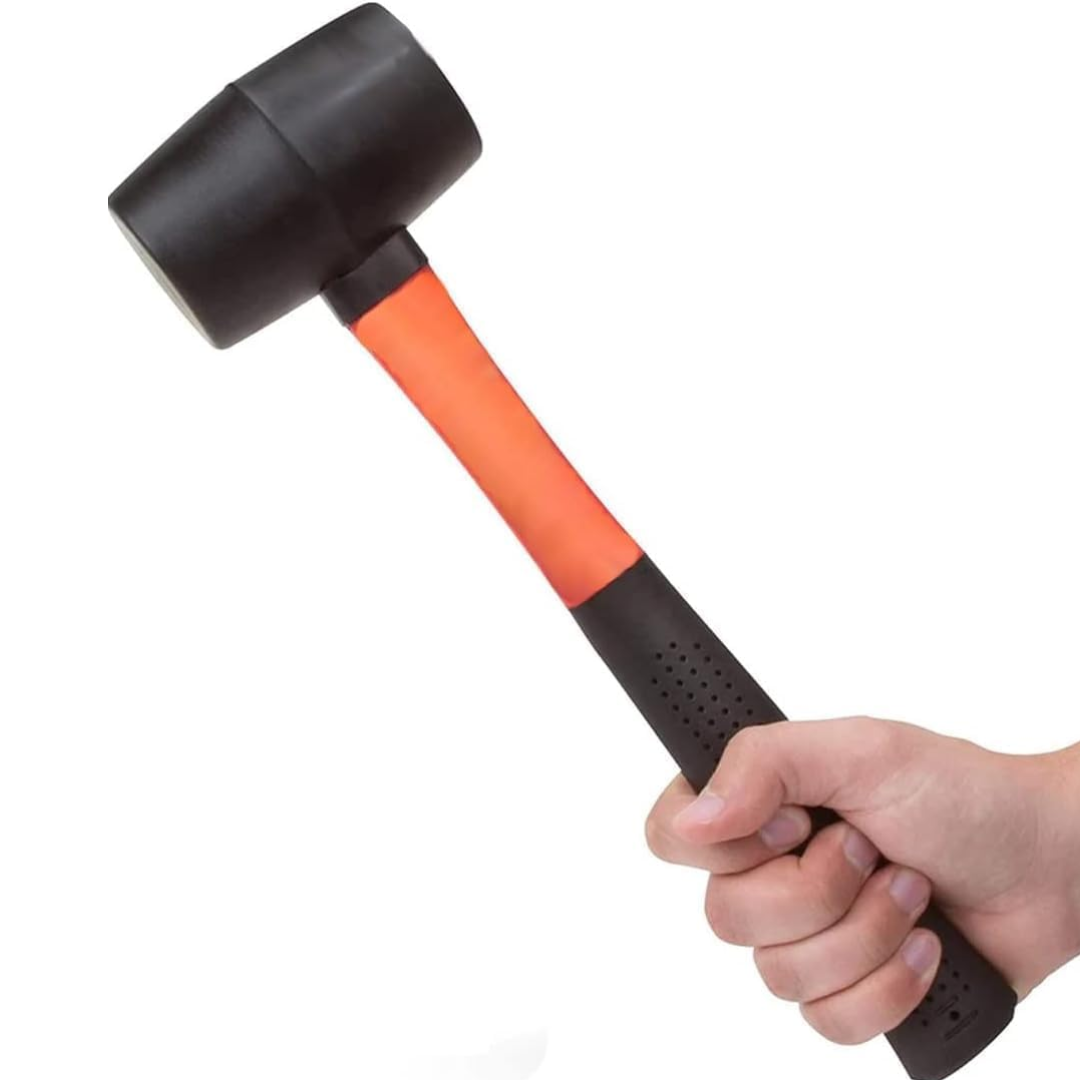
- Rubber mallets reduce marks and give soft hits.
- Plastic mallets are lightweight and good for light tasks.
- Rawhide mallets offer a soft touch without damage.
Materials And Weight Considerations
Mallets come in different materials that affect their weight and use. Pick a mallet that suits your strength and project type.
Heavier mallets deliver stronger hits but need more control. Lighter mallets give more precision with less force.
- Wood mallets are usually light and easy to handle.
- Rubber mallets have medium weight and soft heads.
- Plastic mallets are the lightest, good for delicate work.
- Rawhide mallets balance weight and softness well.
Preparing For Assembly
Using a mallet correctly makes furniture assembly easier. Before starting, prepare well to work safely and efficiently.
Getting ready helps prevent mistakes and saves time during the assembly process.
Gathering Tools And Supplies
Collect all needed tools and supplies before you begin. This keeps you organized and avoids searching for items.
Besides the mallet, you might need screws, screwdrivers, and wood glue depending on your furniture.
- Mallet (preferably rubber or wooden)
- Screwdrivers (flathead and Phillips)
- Screws and nails
- Wood glue
- Measuring tape
- Protective gloves
Workspace Setup
Choose a flat and clean area to assemble your furniture. A good workspace helps prevent damage and loss of parts.
Make sure the space has enough light and room to move around freely while using the mallet.
- Clear the floor or use a large table
- Lay down a soft cloth or mat to protect surfaces
- Keep all parts and tools within reach
- Ensure good lighting
- Work in a quiet place to focus
Basic Mallet Techniques
Using a mallet helps you assemble furniture without damaging wood. It gives control and strength for fitting parts together.
Learning proper techniques keeps your work safe and makes assembly easier. Focus on grip, stance, and striking methods.
Proper Grip And Stance
Hold the mallet firmly but not too tight. Your hand should wrap around the handle near the end. This gives better control and power.
Stand with your feet shoulder-width apart. Keep your body balanced and relaxed. This stance helps you strike accurately and avoid injury.
- Grip the handle near the bottom for leverage
- Keep your wrist straight but flexible
- Stand steady with feet apart
- Keep knees slightly bent for balance
Controlled Striking Methods
Use smooth, even swings to avoid splintering or dents. Strike only as hard as needed to fit the pieces together.
Focus on accuracy, not force. Tap the joints gently at first, then increase power if needed. This prevents damage to the furniture.
- Start with light taps to check fit
- Increase force in small steps
- Use the mallet face evenly to avoid marks
- Keep your arm relaxed during swings
Credit: www.woodworkersjournal.com
Avoiding Common Mistakes
Using a mallet in furniture assembly is easy if you avoid common mistakes. Many people damage wood or misalign parts by using the wrong technique.
Knowing how to handle the mallet carefully helps keep your furniture strong and neat. Follow simple tips for better results.
Preventing Damage To Wood
Wood can crack or dent if you hit it too hard with a mallet. Always use gentle taps at first to avoid damage.
Use a soft-faced mallet or add a scrap wood piece between the mallet and furniture. This protects the wood surface.
- Tap slowly and check the wood often
- Use a rubber or wooden mallet, not a metal hammer
- Place a protective layer like cloth or scrap wood under the strike area
Handling Misaligned Parts
Parts may not fit perfectly on the first try. Avoid forcing pieces together with strong hits.
Gently tap parts into place while adjusting their position. Small corrections prevent damage and make assembly easier.
- Check alignment before tapping
- Use light taps to move parts slowly
- Adjust parts by hand between taps if needed
Advanced Tips For Precision
Using a mallet correctly can improve the fit and finish of your furniture projects. Precision is key for strong joints and smooth assembly.
These tips focus on handling dowels, joints, and adjusting your force for different materials. Follow them to avoid damage and get better results.
Using Mallet With Dowels And Joints
When working with dowels and joints, a mallet helps insert parts without splitting the wood. Use gentle taps to avoid damaging delicate components.
- Align dowels carefully with holes before tapping.
- Use a rubber or wooden mallet head to prevent marks.
- Tap evenly around the joint to distribute pressure.
- Stop tapping once the joint fits snugly without forcing.
Adjusting Force For Different Materials
Different wood types and materials need varied mallet force. Hard woods require firmer taps, while soft woods need gentle handling.
| Material Type | Recommended Mallet Force | Tip |
| Softwood (Pine, Cedar) | Light taps | Prevent dents by tapping softly |
| Hardwood (Oak, Maple) | Medium to firm taps | Use steady force to seat joints fully |
| Engineered Wood (Plywood, MDF) | Light to medium taps | Avoid splitting edges by tapping gently |

Credit: www.reddit.com
Maintaining Your Mallet
A mallet is an important tool for furniture assembly. Keeping it in good shape helps you work better and longer.
Proper care prevents damage and keeps the mallet safe to use. Learn how to clean, store, and know when to replace it.
Cleaning And Storage
After using your mallet, wipe it clean with a dry cloth. Remove any dust, wood chips, or glue to avoid buildup.
Store the mallet in a dry place away from moisture. Moisture can cause the wood or rubber parts to rot or crack.
- Use a soft cloth to clean the head and handle
- Keep it away from direct sunlight to prevent fading
- Hang it or place it in a toolbox to avoid damage
When To Replace Your Mallet
Check your mallet often for cracks or dents. These can reduce its effectiveness and may cause injury.
Replace your mallet if the head is loose or damaged. A worn-out handle is also a sign it needs replacement.
- Cracks in the mallet head or handle
- Loose or unstable mallet head
- Significant dents or deformities
- Splitting or rough spots on the handle
Credit: www.popularmechanics.com
Frequently Asked Questions
What Is The Best Mallet Type For Furniture Assembly?
A rubber or wooden mallet is ideal for furniture assembly. They prevent damage and provide controlled force. Avoid metal mallets to protect wood surfaces during assembly.
How Do You Use A Mallet Without Damaging Furniture?
Use gentle, controlled taps with the mallet. Always strike wooden joints or dowels softly to avoid dents. Use a protective block if needed to shield delicate parts.
When Should You Choose A Mallet Over A Hammer?
Choose a mallet when assembling furniture with wooden parts. It applies force without marring surfaces, unlike a hammer, which can cause damage.
Can A Mallet Help Align Furniture Parts Precisely?
Yes, a mallet helps tap parts into place gently. This ensures tight joints and accurate alignment without damaging the wood.
Conclusion
A mallet is essential for furniture assembly. It provides control and precision. Using a mallet reduces damage to wooden surfaces. Grip firmly and strike gently. Always aim carefully to avoid mishaps. Practicing this skill improves your assembly efficiency. Choosing the right mallet size is crucial.
Different mallets suit different tasks. Remember to maintain your tools for longevity. A well-maintained mallet ensures better results. With these tips, furniture assembly becomes simple and enjoyable. Happy assembling!