
Are you ready to elevate your woodworking skills and tackle those angled cuts with precision? A miter saw is your ultimate tool for achieving those perfect angles that can transform a simple piece of wood into a stunning work of art.
Whether you’re a DIY enthusiast or a seasoned carpenter, mastering the use of a miter saw can open up a world of possibilities for your projects. Imagine the satisfaction of crafting perfect frames, flawless moldings, and seamless joints every time.
In this guide, we’ll break down the steps to using a miter saw effectively, ensuring you not only understand the process but feel confident in your ability to create those sharp, clean cuts. Are you ready to make every cut count? Let’s dive in!
Choosing The Right Miter Saw
A miter saw helps you make angled cuts in wood easily. Picking the right saw is important for good results.
Different types of miter saws fit different projects. Also, the blade you choose affects the cut quality.
Types Of Miter Saws
There are three main types of miter saws. Each one suits different cutting needs and budgets.
- Standard Miter Saw:Cuts angles left and right. Good for simple projects.
- Compound Miter Saw:Tilts to cut bevels and miters. Useful for crown molding.
- Sliding Compound Miter Saw:Has a sliding arm for wider cuts. Best for big wood pieces.
Blade Selection Tips
Choosing the right blade can improve your cut smoothness and accuracy. Blades come in different sizes and teeth counts.
| Blade Size | Common Uses | Teeth Count |
| 7 1/4 inch | Small to medium wood pieces | 24-40 |
| 10 inch | Standard for most miter saws | 40-60 |
| 12 inch | Large wood and thick cuts | 60-80 |
Credit: www.woodworkingtalk.com
Setting Up Your Workspace
Using a miter saw for angled wood cuts needs a clean and safe workspace. Setting up properly helps you work faster and avoid accidents.
Prepare your area by clearing clutter and arranging tools within easy reach. A well-organized space improves your cutting accuracy.
Safety Precautions
Before using the miter saw, make sure to protect yourself and others. Safety is the top priority in any woodworking project.
- Wear safety glasses to protect your eyes from flying debris.
- Use ear protection to guard against loud noises.
- Keep your hands away from the blade when the saw is running.
- Check that the saw is securely mounted to a stable surface.
- Make sure the work area has good lighting to see your cuts clearly.
- Keep the floor free of sawdust to avoid slips and falls.
Organizing Your Tools
Arrange your tools to save time and avoid distractions while cutting. Knowing where everything is speeds up your work.
| Tool | Purpose |
| Miter Saw | Make angled wood cuts |
| Measuring Tape | Measure wood lengths accurately |
| Clamps | Hold wood pieces firmly in place |
| Pencil | Mark cutting lines on wood |
| Square | Check angles and straight lines |
Adjusting The Miter Saw For Angled Cuts
Cutting wood at an angle requires precise adjustments to your miter saw. Proper setup ensures clean and accurate cuts.
This guide covers how to set the miter angle and adjust the bevel angle for angled wood cuts.
Setting The Miter Angle
The miter angle controls the horizontal rotation of the saw blade. Adjusting this angle helps you cut wood at specific side angles.
- Unlock the miter handle or lever near the saw’s base.
- Rotate the saw table left or right to the desired angle.
- Use the angle markings on the saw’s base to find the exact degree.
- Lock the miter handle tightly to secure the angle.
- Double-check the angle with a protractor if needed.
Adjusting The Bevel Angle
The bevel angle tilts the saw blade to cut wood at a slant vertically. This adjustment is important for angled edges and compound cuts.
| Bevel Adjustment Step | What to Do |
|---|---|
| Unlock the bevel lever | Usually found behind the saw arm |
| Tilt the blade | Move the saw arm to the desired bevel angle |
| Check the angle | Use the bevel scale or a digital angle gauge |
| Lock the lever | Secure the saw arm in place |
| Test the cut | Make a sample cut to ensure accuracy |
Marking And Measuring Wood
Accurate marking and measuring are key for angled wood cuts. Clear marks help guide the saw blade.
Take your time to measure and mark wood precisely. This reduces mistakes and waste.
Using A Protractor Or Angle Finder
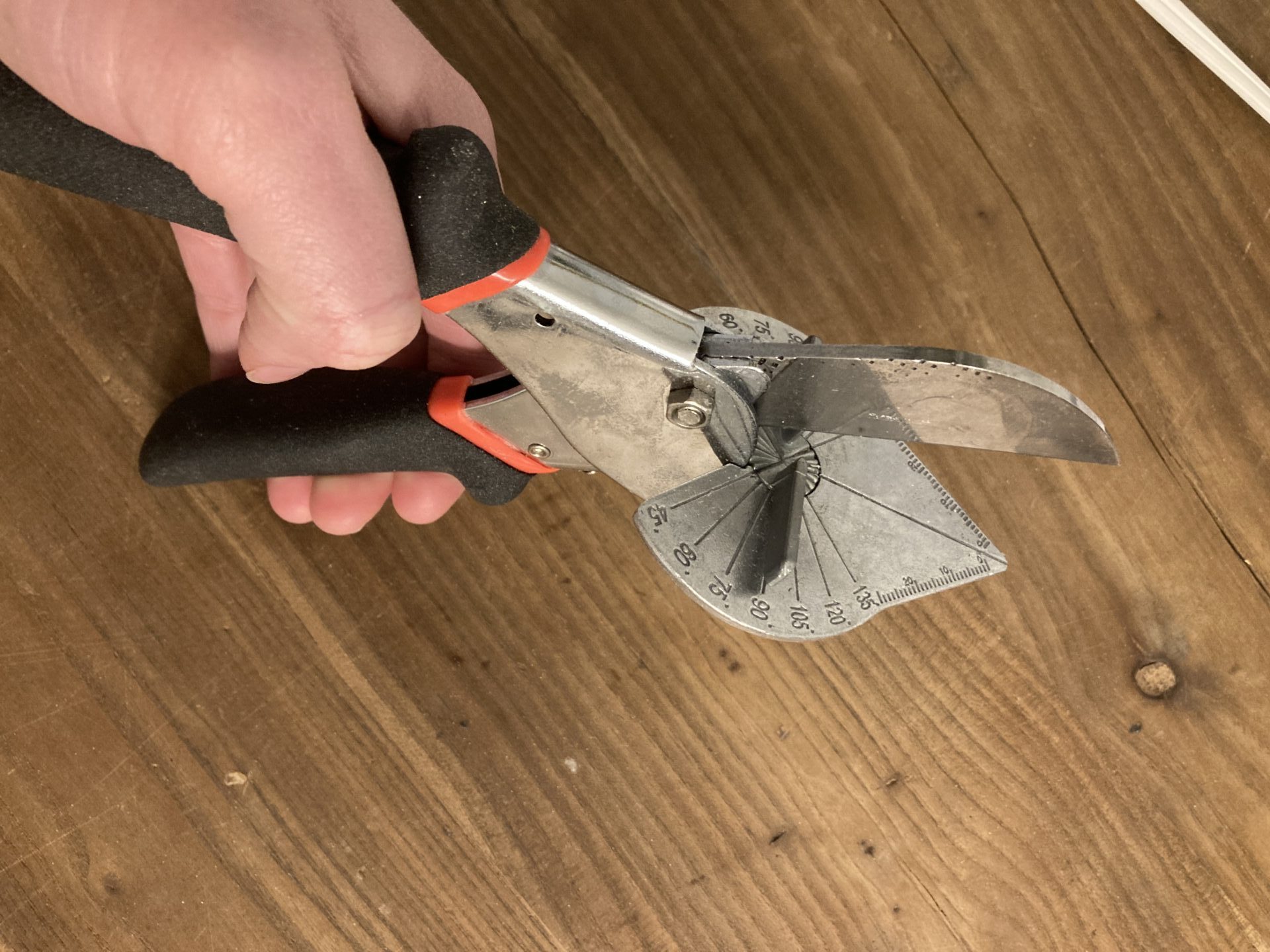
A protractor or angle finder helps measure angles on wood. It shows exact degrees for cuts.
Place the tool on the wood edge. Adjust it until it matches the angle you need.
- Set the tool flat on the wood surface
- Read the angle shown on the scale
- Transfer the angle to your saw settings
- Double-check the angle before cutting
Marking Accurate Cut Lines
Use a sharp pencil or marking knife for clear lines. Faint lines can cause errors.
Draw the line along a straight edge or ruler. Make sure it matches the angle you measured.
- Mark the wood on the side you will cut
- Use a square to keep lines straight on edges
- Label lines if cutting multiple pieces
- Check lines under good light for clarity
Making Precise Angled Cuts
Using a miter saw allows you to make accurate angled cuts on wood. These cuts are important for projects like frames and moldings.
To get clean and exact cuts, you need to prepare your wood and use the saw carefully. This guide shows you how.
Clamping The Wood Securely
Hold the wood firmly in place before cutting. This stops the wood from moving and keeps your angle precise.
Use clamps or the saw’s built-in clamp to fix the wood. Make sure the wood is flat against the base and fence.
- Place the wood flat on the saw base
- Press it against the fence for support
- Use clamps to lock the wood tightly
- Check that the wood does not wiggle
Executing The Cut Smoothly
Lower the saw blade slowly and steadily through the wood. A smooth cut prevents splintering and keeps the edge clean.
Start the saw before it touches the wood. Push the blade all the way through, then raise it back up carefully.
- Turn on the saw and let it reach full speed
- Lower the blade gently into the wood
- Cut through the wood without forcing the blade
- Raise the blade after the cut is done
- Turn off the saw and wait for the blade to stop
Common Mistakes To Avoid
Using a miter saw for angled wood cuts needs care and attention. Small errors can cause bad cuts and waste wood.
Learn about common mistakes to avoid. Fixing these will help you get better results and stay safe.
Misaligned Angles
One common mistake is cutting at the wrong angle. If the miter saw is not set correctly, the cut will not fit your project.
Check the angle twice before you cut. Use a protractor or angle guide to be sure the saw is set right.
- Do not guess the angle setting
- Ensure the saw blade is tight and locked at the angle
- Test cuts on scrap wood before the final piece
- Keep the wood steady and against the fence
Inadequate Safety Measures
Not using safety gear or ignoring safety rules can cause serious injuries. Miter saws are powerful and cut fast.
Always wear safety glasses and keep your hands away from the blade. Use clamps to hold wood when needed.
- Wear safety glasses and hearing protection
- Keep fingers at least 6 inches from the blade
- Use clamps to secure the wood firmly
- Wait for the blade to stop before removing cut pieces
- Keep the work area clean and free of clutter
Maintenance And Care For Your Miter Saw
Keeping your miter saw in good condition ensures it works safely and accurately. Regular care helps the saw last longer.
Focus on cleaning and checking the saw often. These simple tasks prevent problems and keep your cuts precise.
Cleaning The Blade
Clean the blade after each use to remove sawdust and resin buildup. A clean blade cuts better and lasts longer.
- Unplug the saw before cleaning.
- Use a brush to remove dust and debris.
- Apply a blade cleaner to remove resin and pitch.
- Wipe the blade dry with a clean cloth.
- Check the blade for damage or dullness.
Checking Calibration Regularly
Regular calibration keeps your miter saw cutting at the correct angles. Check it before each big project.
| Calibration Area | How to Check | Adjustment Tip |
| Bevel Angle | Set to 0°, check with a square | Use the bevel adjustment knob |
| Miter Angle | Set to 0°, test with a protractor | Adjust the miter lock handle |
| Fence Alignment | Place a straight edge along fence and blade | Loosen screws and realign fence |
Credit: engineerwarehouse.com
Credit: youcandiyblog.com
Frequently Asked Questions
How Do I Set The Angle On A Miter Saw?
To set the angle, unlock the bevel or miter adjustment. Rotate the saw to the desired angle using the marked scale. Lock the adjustment securely before cutting. This ensures precise angled cuts every time.
What Safety Tips Should I Follow Using A Miter Saw?
Always wear safety goggles and hearing protection. Keep hands away from the blade path. Secure the wood firmly before cutting. Use the saw’s safety features and avoid loose clothing to prevent accidents.
Can I Cut Thick Wood At An Angle With A Miter Saw?
Yes, most miter saws handle thick wood. Check your saw’s maximum cutting capacity first. Use slower feed rates to avoid blade binding and ensure smooth angled cuts.
How Do I Make Accurate Angled Cuts With A Miter Saw?
Measure and mark your wood clearly. Adjust the saw’s angle precisely using the built-in scale. Clamp the wood firmly to prevent movement. Cut slowly and steadily to maintain accuracy.
Conclusion
Using a miter saw for angled cuts is easier than it seems. Set the angle carefully before each cut. Always check measurements twice to avoid mistakes. Keep your hands clear of the blade for safety. Practice on scrap wood to build confidence.
Clean the saw regularly to keep it working well. With patience and care, your angled cuts will look neat. This tool helps create precise woodwork for many projects. Take your time and enjoy the process. Soon, angled cuts will feel natural and simple.
