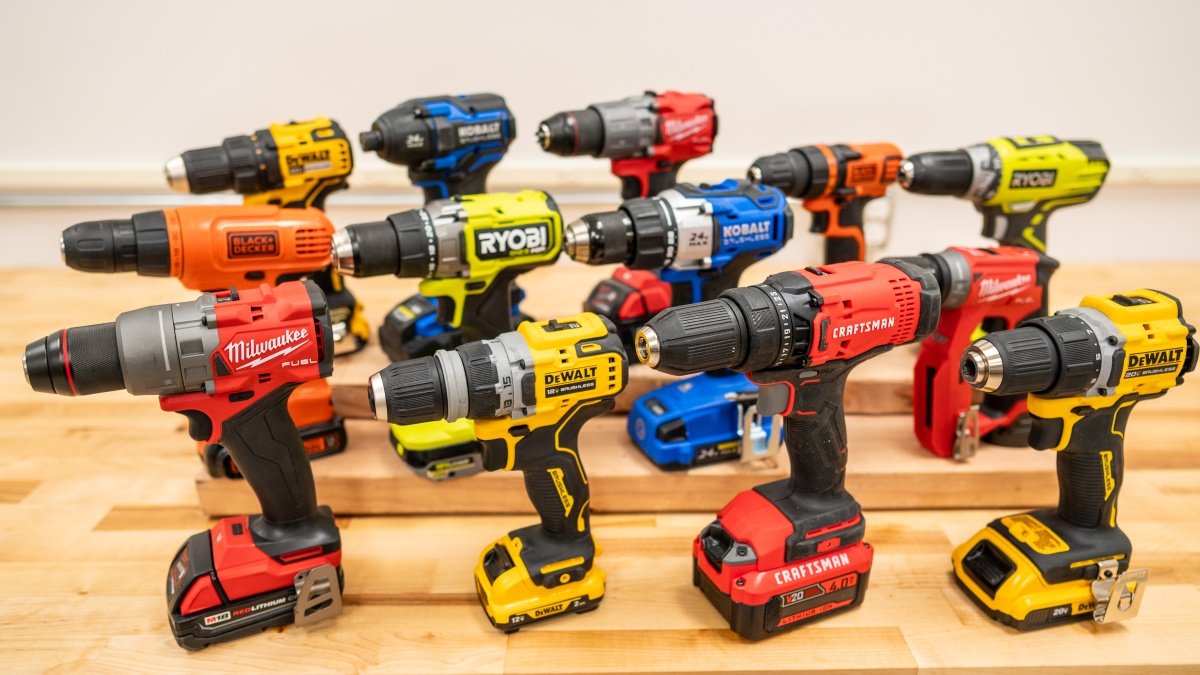
Are you on the hunt for the perfect cordless drill to tackle your DIY projects or professional tasks? Choosing the right tool can be overwhelming, with countless options vying for your attention.
But don’t worry! This guide is here to simplify your decision-making process. Imagine effortlessly drilling through materials without being tethered by a cord. Picture the satisfaction of owning a tool that not only meets your needs but exceeds your expectations.
By the end of this article, you’ll be equipped with the insider tips and expert insights needed to choose the best cordless drill that will make your projects smoother and more efficient. Get ready to unleash your inner handyman and make an informed choice that you’ll be proud of!

Credit: www.youtube.com
Key Features To Consider
Choosing the right cordless drill can make your work easier and faster. You should focus on several key features before buying one. These features affect how well the drill performs.
Understanding these features helps you pick a drill that fits your needs. This guide explains the important points to look for.
Power And Torque
Power shows how strong the drill is. Torque means the twisting force. Higher torque helps with tough jobs like drilling into wood or metal. Look for a drill with enough power for your tasks.
Battery Life And Type
The battery type and life decide how long the drill works without charging. Lithium-ion batteries last longer and charge faster. Consider how many hours the battery can run and how fast it recharges.
Chuck Size And Type
| Chuck Size | Use |
| 1/4 inch | Small drill bits, light tasks |
| 3/8 inch | Common size, for most jobs |
| 1/2 inch | Heavy-duty drilling |
| Chuck Type | Description |
| Keyless | Easy to change bits without tools |
| Keyed | Tightens bits securely with a key |
The chuck holds the drill bit. Choose the right size for your bits. Keyless chucks let you switch bits fast. Keyed chucks hold bits tight but need a tool to change.
Speed Settings
- Low speed for driving screws
- High speed for drilling holes
- Multiple speed options for control
Speed settings help you match the drill’s power to the task. More speed options give better control and precision.
Weight And Ergonomics
A light drill is easier to hold and use for a long time. Ergonomic design means the drill fits your hand well. Look for soft grips and balanced weight to reduce fatigue.
Types Of Cordless Drills
Cordless drills come in different types to fit your needs. Knowing the types helps you pick the right tool for your work.
Each type has features that make it good for certain jobs. Let’s look at some common cordless drills.
Compact Drills
Compact drills are small and light. They are easy to carry and use in tight spaces.
They work well for light tasks like drilling holes in wood or driving screws.
- Lightweight design
- Good for tight spaces
- Ideal for small jobs
- Long battery life
Hammer Drills
Hammer drills add a pounding action to the drill bit. This helps drill into hard materials like concrete and brick.
They are heavier and stronger than compact drills. Use them for tougher jobs that need extra power.
- Drills and hammers at the same time
- Works on masonry and stone
- Heavier and more powerful
- Best for tough jobs
Brushless Motor Drills
Brushless motor drills have no brushes inside the motor. This makes them last longer and run cooler.
They use battery power more efficiently. This gives more run time and better performance.
- Longer motor life
- Runs cooler and quieter
- More battery efficient
- Higher power output
Battery Technology Insights
Choosing the right battery for your cordless drill matters. Batteries affect power, weight, and runtime.
Understanding battery types and care helps you pick the best drill for your needs.
Lithium-ion Vs Nimh
Lithium-ion (Li-ion) batteries are lighter and last longer than Nickel-Metal Hydride (NiMH).
NiMH batteries are heavier and have less power but cost less. Li-ion holds charge better too.
- Li-ion: lighter, more power, longer life
- NiMH: heavier, less power, cheaper
- Li-ion: no memory effect, NiMH: slight memory effect
Charging Time And Indicators
Fast charging saves time but may reduce battery life if done often. Look for smart chargers.
Good drills have battery indicators showing charge level. This helps avoid surprises during work.
- Fast chargers fill batteries in 30-60 minutes
- Standard chargers take 2-3 hours
- Battery indicators show when to recharge
- Charging lights often turn green when done
Battery Maintenance Tips
Keep batteries cool and dry to extend their life. Avoid leaving them in the drill if unused.
Charge batteries before long storage and use them regularly to keep them healthy.
- Store batteries at room temperature
- Do not fully drain batteries before charging
- Use the drill regularly to keep battery active
- Remove batteries from drill when not in use
Brand Reputation And Warranty
Choosing the best cordless drill means looking at the brand’s reputation. A trusted brand usually makes reliable tools.
Warranty shows how much the company trusts its product. It also protects you from defects or problems.
Top Brands To Consider
Some brands are known for making strong and long-lasting cordless drills. Picking one of these can be safer.
- DeWalt: Known for durable and powerful drills.
- Makita: Offers a good balance of price and quality.
- Bosch: Trusted for precision and innovation.
- Milwaukee: Popular for heavy-duty use and battery life.
Warranty And Customer Support
Check the warranty length before buying a cordless drill. Longer warranties often mean better quality.
Good customer support helps if your drill has issues. Look for brands with easy-to-reach service centers.
- Standard warranty is usually one to three years.
- Some brands offer free repairs or replacements.
- Customer support can include phone, email, or chat help.
- Check if spare parts are easy to get.
Accessory Compatibility
Choosing the right cordless drill means checking what accessories it can use. Not all drills work with every bit or attachment. Knowing this saves time and money.
Look closely at which drill bits and storage options fit your drill. This helps keep your tools ready and organized.
Drill Bits And Attachments
Check the drill’s chuck size to ensure it fits your drill bits. Some drills use keyless chucks that accept many bits. Others need specific types.
- Match drill bit shank size with the chuck size
- Choose bits made from materials suited for your projects
- Consider attachments like screwdriver heads or sanding pads
- Confirm compatibility before buying extra accessories
Carrying Cases And Storage
Good storage protects your drill and accessories. Some cordless drills come with custom cases. Others need a universal or separate storage option.
| Case Type | Features | Benefits |
| Custom Case | Fits drill and specific bits | Keeps everything organized and safe |
| Universal Case | Adjustable compartments | Holds various tools and accessories |
| Tool Bag | Flexible and portable | Easy to carry multiple items |
Budget And Value
Choosing the best cordless drill means thinking about your budget. A good drill should give you the best value for your money.
Focus on what features you need and how much you want to spend. This helps you pick a drill that works well and fits your budget.
Balancing Cost And Features
Look for a drill that has the features you use most. Avoid paying for extras you don’t need.
Compare drills with similar prices and see which one offers better power, battery life, and durability.
- Check battery type and life
- Look for adjustable speed settings
- Consider drill weight and size
- Think about included accessories
Long-term Investment Benefits
Buying a quality cordless drill can save money over time. A durable drill needs fewer repairs or replacements.
Good battery life means less cost for extra batteries. Also, a reliable drill makes your work easier and faster.
- Choose brands known for quality parts
- Look for warranties and customer support
- Pick drills with easy-to-find replacement parts
- Consider drills with long-lasting batteries
User Reviews And Testing
User reviews and testing help find the best cordless drill for your needs. They show how drills work in real situations.
Reading what others say and checking test results makes choosing easier. It avoids buying tools that do not last or perform well.
Real-world Performance
Real-world performance shows if a drill can handle daily jobs like drilling wood, metal, or walls. Power, battery life, and ease of use are key points.
- Look for drills that maintain power under heavy use.
- Check if the battery lasts long enough for your projects.
- See if the drill fits well in your hand for better control.
- Note how the drill handles different materials and drill bit sizes.
Common User Feedback
| Feedback Type | What Users Say |
| Battery Life | Many users want longer battery life for big jobs. |
| Weight | Lightweight drills are easier to use for hours. |
| Durability | Users expect drills to work without breaking quickly. |
| Speed Settings | Adjustable speeds help with different materials and tasks. |
| Price | Good value is important but should not reduce quality. |
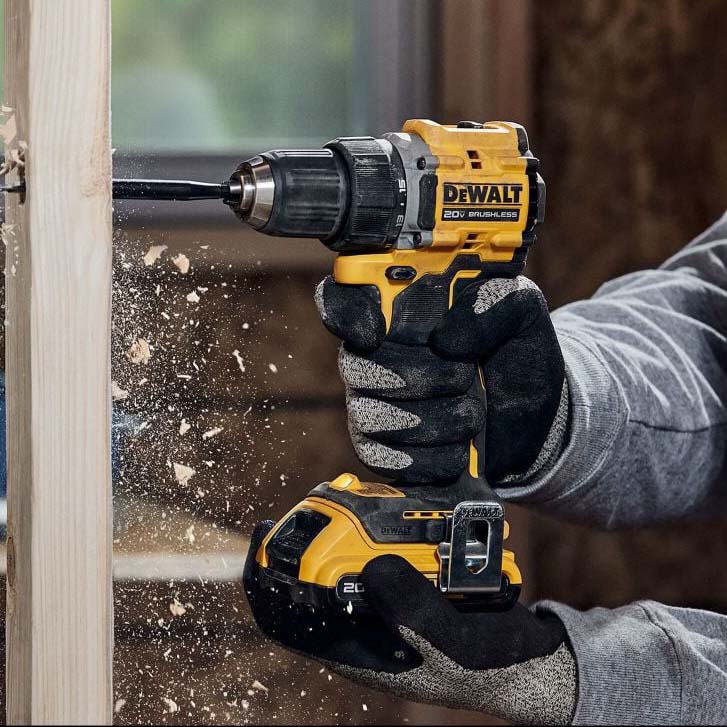
Credit: www.protoolreviews.com
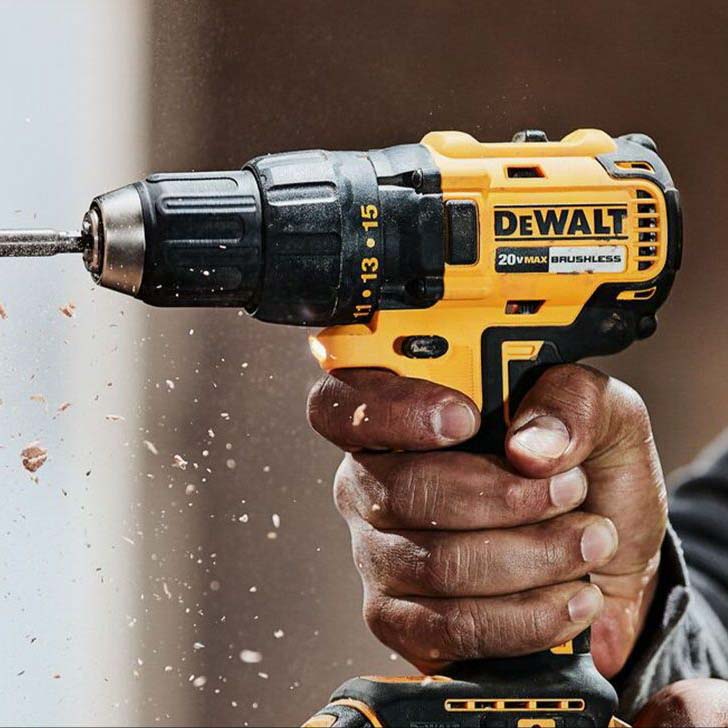
Credit: www.protoolreviews.com
Frequently Asked Questions
What Features Should I Look For In A Cordless Drill?
Look for battery life, torque, speed settings, and weight. A good grip and durable build enhance comfort and usability. Choose one with a reliable brand and warranty for long-term use.
How Important Is Battery Type In Cordless Drills?
Battery type affects power, weight, and charging time. Lithium-ion batteries offer longer life, faster charging, and lighter weight. Avoid older nickel-cadmium batteries due to memory effect and lower capacity.
What Drill Size Is Best For Home Use?
A 12-volt to 18-volt drill is ideal for most home projects. It balances power and portability well, handling tasks like drilling wood, metal, and light masonry efficiently.
How Can I Extend Cordless Drill Battery Life?
Charge batteries fully before use and avoid overcharging. Store them in a cool, dry place. Use the drill within recommended temperature ranges to maximize battery health.
Conclusion
Choosing the best cordless drill takes time and thought. Focus on battery life, power, and comfort. Think about the tasks you will do most. Check the drill’s size and weight for easy use. Look for useful features like adjustable speed and torque.
Reading reviews helps find reliable options. A good drill makes projects easier and faster. Take your time to pick one that fits your needs well. Your work will be better with the right drill in hand.