
When you’re facing a heavy lifting task, the right tool can make all the difference. Enter the pry bar, a simple yet powerful instrument that can transform how you handle weighty objects.
But using it correctly is crucial to ensure not just the efficiency of your work, but also your safety. Are you tired of risking injury or damage every time you try to lift something heavy? Imagine having the confidence to lift and maneuver objects with ease, knowing you’re doing it safely.
You’ll discover the essential steps and tips for using a pry bar effectively, so you can lift like a pro without the worry. Stay with us, and unlock the secrets to effortless lifting.
Credit: www.tenaquip.com
Choosing The Right Pry Bar
A pry bar is a useful tool for lifting and levering tasks. Choosing the right one helps you work safely and efficiently.
Consider the type, material, and size of the pry bar before you start your project.
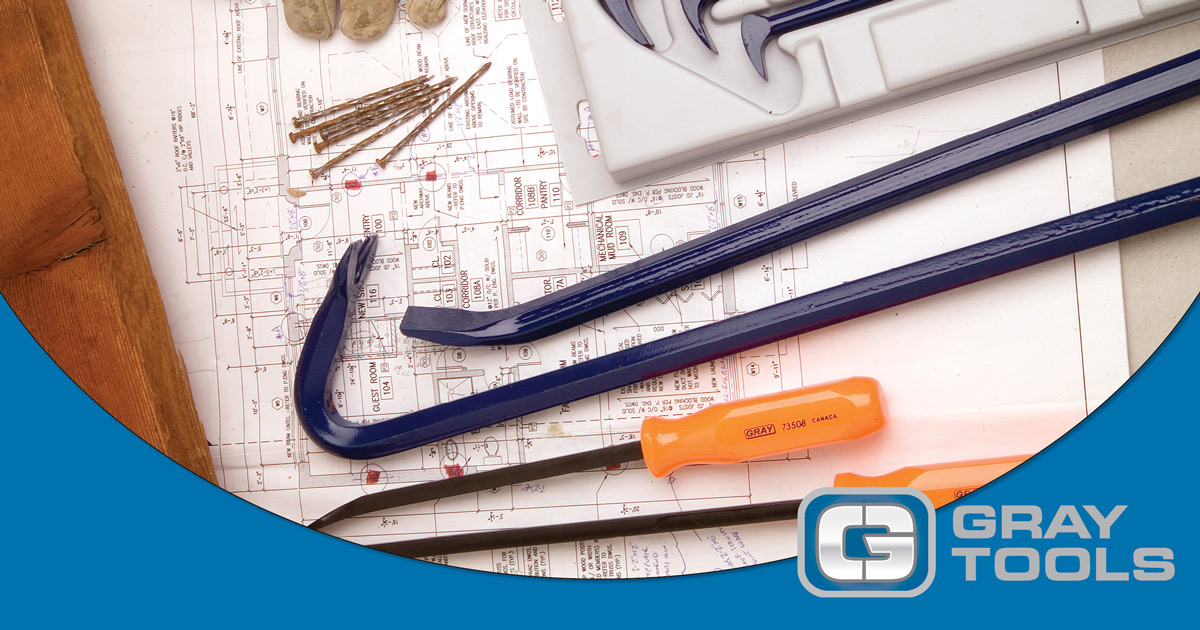
Types Of Pry Bars
Pry bars come in different shapes and sizes. Each type fits specific tasks better than others.
- Flat Pry Bars – Good for lifting and separating materials.
- Cat’s Paw – Designed for pulling nails and small lifting jobs.
- Gooseneck Pry Bars – Have a curved end for heavy lifting and leverage.
- Wrecking Bars – Strong and long for demolition and heavy tasks.
Material And Durability
Look for pry bars made from strong materials. Steel is common because it resists bending and breaking.
| Material | Durability | Weight |
| Carbon Steel | High | Moderate |
| Alloy Steel | Very High | Moderate to Heavy |
| Aluminum | Medium | Light |
| Fiberglass Handle | High (handle only) | Light |
Size And Weight Considerations
Choose a pry bar size that fits your strength and the job size. A longer bar gives more leverage but weighs more.
- Short Bars (6-12 inches) are good for tight spaces and small lifts.
- Medium Bars (12-24 inches) offer balance between power and control.
- Long Bars (24+ inches) give maximum leverage for heavy lifting.
- Lighter bars reduce fatigue during long use.
Preparing For Safe Lifting
Using a pry bar helps lift heavy objects safely. Proper preparation prevents injuries.
Follow these steps to prepare before lifting with a pry bar.
Assessing The Load
Check the object’s weight and shape before lifting. Make sure the load is stable and balanced.
- Look for sharp edges or loose parts
- Estimate the weight you need to lift
- Decide if you need help or extra tools
Clearing The Work Area
Remove any obstacles around the lifting site. A clear area reduces tripping risks.
| Task | Reason |
| Clear debris | Prevents slips and falls |
| Check floor surface | Ensures stable footing |
| Remove clutter | Allows free movement |
Personal Protective Equipment
Wear the right gear to protect yourself while lifting with a pry bar.
- Safety gloves to protect your hands
- Steel-toe boots to guard your feet
- Eye protection to avoid flying debris
- Hard hat if working overhead
Proper Grip And Positioning
Using a pry bar safely requires the right grip and body position. This helps you lift objects without injury.
Focus on holding the bar firmly and standing in a way that gives you the best leverage and balance.
Hand Placement Techniques
Place your hands correctly to control the pry bar. One hand should be near the end of the handle for power.
- Grip the handle tightly with your dominant hand.
- Place the other hand closer to the middle for guidance.
- Keep your fingers wrapped around the bar to avoid slipping.
- Use gloves for extra grip and protection.
Body Positioning For Leverage
Position your body to get the most force from the pry bar. Stand close to the object you want to lift.
| Body Part | Position | Purpose |
|---|---|---|
| Feet | Shoulder-width apart, flat on the ground | Provides stable base |
| Knees | Slightly bent | Helps absorb force |
| Back | Straight, not bent | Prevents injury |
| Arms | Extended but relaxed | Maximizes leverage |
Maintaining Balance
Keep your weight centered to avoid falling. Shift your feet if you need to adjust.
- Keep your feet planted firmly.
- Do not lean too far forward or backward.
- Use your legs, not your back, to lift.
- Move slowly to keep steady control.
Credit: www.vevor.com
Techniques For Effective Lifting
Using a pry bar safely helps you lift heavy objects without injury. Proper techniques make lifting easier and protect your body.
Learn how to use the pry bar with control and care. This guide covers key steps for safe and effective lifting.
Using The Fulcrum Correctly
The fulcrum is the pivot point where the pry bar rests. Place it close to the object you want to lift.
Use a solid, stable surface as the fulcrum to get the best leverage. This reduces effort and increases control.
- Position the fulcrum near the object’s edge
- Check that the fulcrum won’t slip or move
- Use a block of wood if the surface is uneven
Applying Controlled Force
Push or pull the pry bar slowly and steadily. Avoid sudden or jerky movements that may cause loss of balance.
Keep your hands and body steady. Controlled force helps prevent accidents and reduces strain on your muscles.
- Grip the pry bar firmly but not too tight
- Use your body weight to apply pressure
- Move the bar in smooth, steady motions
Lifting In Stages
Lift heavy objects little by little. Raise the item a small amount, then reposition the pry bar to lift again.
This staged lifting reduces the chance of slipping. It also lets you adjust your grip and fulcrum safely.
- Lift the object slightly at first
- Move the fulcrum closer as you lift
- Repeat until the object is fully raised
Avoiding Common Mistakes
Using a pry bar for lifting can be risky without the right knowledge. Many people make simple errors that cause injury or damage.
Knowing what to avoid helps you work safely and efficiently. Below are key mistakes and how to prevent them.
Overexertion Risks
Trying to lift heavy objects without help can cause muscle strain or worse. Your body has limits that you must respect.
- Do not try to lift objects that are too heavy alone.
- Use your legs and core muscles, not just your arms.
- Take breaks if you feel tired or sore.
- Ask for help or use additional tools when needed.
Incorrect Pry Bar Angles
Using the pry bar at the wrong angle reduces its effectiveness and can cause slips. It also raises the chance of injury.
| Wrong Angle | Effect | Risk |
| Too flat | Less leverage | More effort and strain |
| Too steep | Slips off object | Pinching or sudden drops |
| Proper angle (about 30°) | Good leverage | Safe and controlled lift |
Ignoring Safety Precautions
Skipping safety steps leads to accidents. Always prepare before you lift with a pry bar.
- Wear gloves to protect your hands from sharp edges.
- Check the pry bar for cracks or damage before use.
- Clear the area of obstacles and bystanders.
- Keep a firm grip on the tool at all times.
- Wear safety boots to protect your feet in case of drops.

Credit: www.amazon.com
Maintenance And Storage Tips
Using a pry bar safely means taking care of it after every use. Proper maintenance helps the tool last longer. Safe storage keeps it ready for your next job.
Keep your pry bar clean, inspect it often, and store it correctly. These simple steps prevent accidents and tool damage.
Cleaning After Use
Clean your pry bar right after you finish using it. Dirt and rust can build up and make the tool unsafe.
Use a wire brush to remove dirt and debris. Wipe the pry bar with a cloth to dry it completely.
- Brush off dirt and mud
- Wipe with a dry cloth
- Use oil to prevent rust
Inspecting For Damage
Check your pry bar before and after use. Look for cracks, bends, or chips in the metal.
If the pry bar is damaged, do not use it. Using a broken tool can cause injury.
- Look for metal cracks or bends
- Check the handle for splits
- Make sure the tip is not chipped
Proper Storage Practices
Store your pry bar in a dry place to stop rust from forming. Keep it off the ground and away from moisture.
Hang the pry bar or place it in a tool rack. This keeps it safe and easy to find.
- Keep in a dry, cool area
- Hang on a wall or rack
- Do not leave on wet surfaces
Frequently Asked Questions
What Is The Primary Use Of A Pry Bar For Lifting?
A pry bar helps lift heavy objects by providing leverage. It reduces physical strain and improves control during lifting tasks. Using it correctly ensures safer and more efficient lifting.
How Do I Position A Pry Bar Safely For Lifting?
Place the pry bar’s curved end under a solid edge of the object. Apply steady pressure on the handle, ensuring stable footing. Proper positioning prevents slips and injuries during lifting.
What Safety Gear Should I Wear When Using A Pry Bar?
Always wear gloves to protect your hands and safety glasses to shield your eyes. Steel-toed boots can prevent foot injuries. Proper gear minimizes risks while using a pry bar.
Can A Pry Bar Lift Heavy Machinery Safely?
Yes, if used correctly with proper technique and support. Always assess the load and use additional equipment if needed. Never rely on a pry bar alone for extremely heavy lifting.
Conclusion
Using a pry bar carefully helps you lift objects safely. Always check your tool before starting work. Keep your hands clear from pinch points. Apply steady pressure, not sudden force. Use the right size pry bar for the job. Remember, safety comes first to avoid injuries.
Practice these tips to work with confidence. Stay alert and take your time. Safe lifting protects you and those around you. A simple tool can do big work when used right.
