Tackling heavy bolts can feel like a tough job, especially if you don’t have the right tools or know-how. But what if you could make the task easier, safer, and faster?
Using a socket wrench the right way gives you the power to loosen or tighten those stubborn bolts without breaking a sweat. You’ll discover simple, step-by-step tips to handle heavy bolts like a pro. Ready to save time and avoid frustration?
Let’s dive in and unlock the full potential of your socket wrench.
Choosing The Right Socket Wrench
Using a socket wrench correctly helps you tighten or loosen heavy bolts safely. Picking the right socket wrench makes the job easier and avoids damage.
This guide explains how to choose the right socket wrench by size, material, and type.
Selecting Socket Sizes
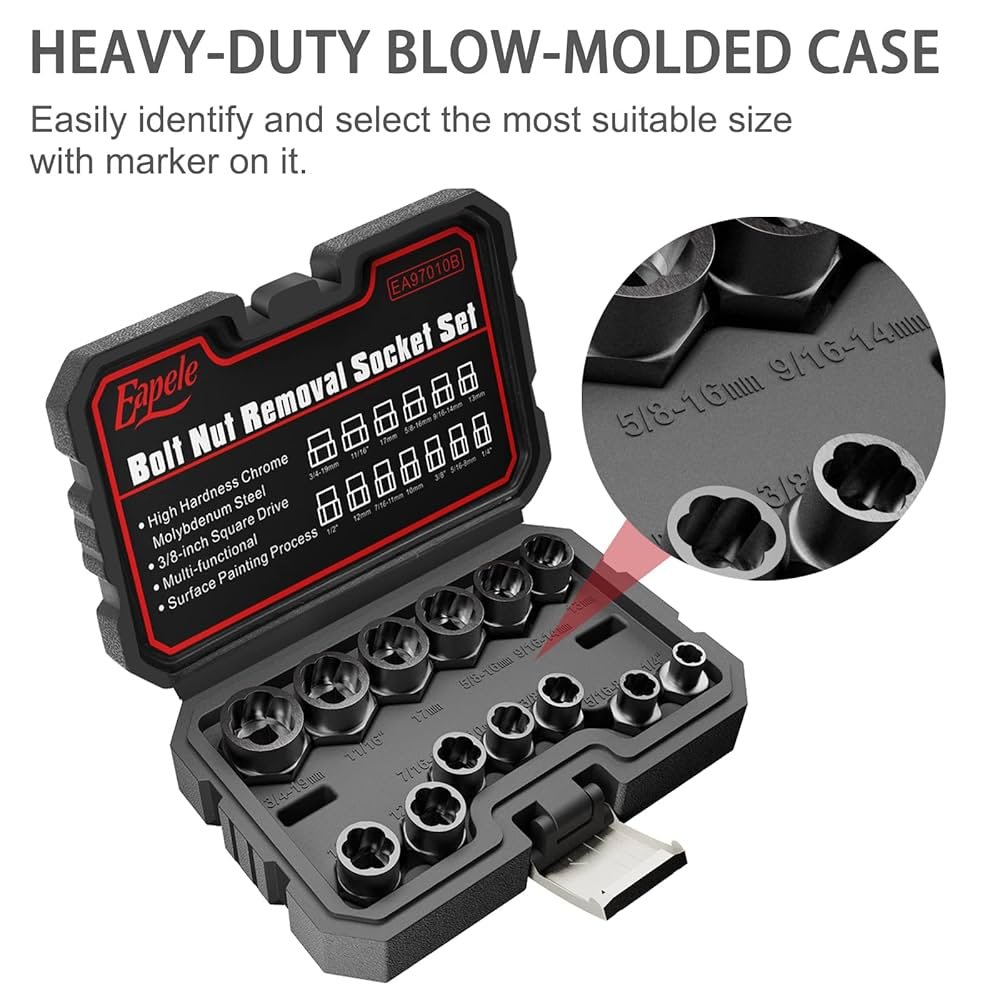
Choose a socket size that fits the bolt head exactly. The wrong size can strip the bolt or slip.
- Measure the bolt head with a caliper or ruler.
- Use metric sizes for bolts measured in millimeters.
- Use standard sizes for bolts measured in inches.
- Try the socket on the bolt before working.
- Use deep sockets for bolts with long shafts.
Materials And Durability
Socket wrenches come in different materials. Strong materials last longer and resist wear.
| Material | Durability | Use |
| Chrome Vanadium Steel | High | Heavy-duty work |
| Carbon Steel | Medium | Light to medium tasks |
| Stainless Steel | Medium | Corrosion resistance needed |
| Alloy Steel | Very High | Professional heavy use |
Types Of Socket Wrenches
Pick a socket wrench type based on your work and space. Each type fits different needs.
- Ratchet Wrenches:Common, easy to use in tight spaces.
- Breaker Bars:Long handle for extra torque on stubborn bolts.
- Torque Wrenches:Control the tightness to avoid over-tightening.
- Impact Wrenches:Use with power for fast removal of heavy bolts.
Preparing For Heavy Bolt Work
Using a socket wrench on heavy bolts needs good preparation. Taking time to get ready helps you work safer and easier.
Before you start, clean the bolt area, apply oil if needed, and wear the right safety gear. These steps make the job smooth.
Cleaning The Bolt Area
Remove dirt, rust, and grease from the bolt and the surrounding area. This helps the socket wrench grip well and prevents slipping.
- Use a wire brush to clear rust and dirt.
- Wipe the area with a clean cloth.
- Check that no debris blocks the bolt head.
- Apply a small amount of solvent if grease is present.
Using Penetrating Oil
Penetrating oil helps loosen bolts that are stuck or rusted. Apply it and let it soak before using the socket wrench.
| Oil Type | Soak Time | Benefits |
| WD-40 | 10-15 minutes | Good for light rust |
| Liquid Wrench | 20-30 minutes | Strong for tough rust |
| PB Blaster | 15-20 minutes | Penetrates deep rust |
Safety Gear Essentials
Wear the right safety gear to protect yourself from injuries while working with heavy bolts and tools.
- Safety glasses to protect your eyes.
- Work gloves to protect your hands.
- Closed-toe shoes for foot safety.
- Long sleeves to protect your arms.
Techniques For Tightening Heavy Bolts
Tightening heavy bolts requires strength and the right technique. Using a socket wrench properly makes this task easier and safer.
Learn how to position your hands, apply force, and use extension bars for better control and power.
Proper Hand Positioning
Place your dominant hand on the wrench handle near the socket head. This gives better control over the bolt.
Use your other hand to support the wrench handle. Keep your grip firm but not too tight to avoid slipping.
- Dominant hand controls turning motion
- Supporting hand stabilizes the wrench
- Keep hands clear of moving parts
Applying Controlled Force
Push or pull the wrench slowly and steadily. Sudden force can damage the bolt or wrench.
Use your body weight to help apply force. Keep your arms straight and use your legs to push if needed.
- Apply force evenly and steadily
- Use body weight, not just arm strength
- Avoid jerky or fast movements
Using Extension Bars
Attach an extension bar to the socket wrench to increase leverage. This helps turn tight bolts more easily.
Choose the right length for the extension bar. Longer bars give more torque but need more space to move.
- Extension bars increase turning power
- Use longer bars for very tight bolts
- Ensure the extension fits securely

Credit: www.amazon.com
Methods For Loosening Stubborn Bolts
Heavy bolts can be hard to remove. They may be stuck due to rust or tight fitting. Using the right methods helps loosen them safely and quickly.
A socket wrench is a useful tool for these jobs. Here are some ways to ease stubborn bolts with a socket wrench.
Tapping And Vibrating
Tapping the bolt gently can break rust or dirt that holds it tight. Use a hammer to tap the socket wrench handle or the bolt head itself.
Vibrations help loosen the bond between the bolt and the surface. Tap a few times and then try turning the bolt again with the wrench.
- Use a small hammer or mallet to tap the bolt or wrench handle
- Tap lightly to avoid damaging the bolt or tool
- Repeat tapping and turning to loosen the bolt gradually
Heat Application
Heat can expand the metal around the bolt. This expansion helps break rust and corrosion bonds. Use a heat source like a propane torch carefully.
Heat the bolt area evenly and avoid overheating. After heating, use the socket wrench to turn the bolt while it is still warm.
- Wear protective gloves and eye protection
- Heat the bolt for 1-2 minutes until warm
- Try turning the bolt immediately after heating
- Do not apply heat to plastic or flammable parts
Leveraging Impact Tools
Impact tools add force through quick bursts. An impact wrench or breaker bar gives more torque than a regular socket wrench.
Use impact tools carefully on heavy bolts. They reduce the effort needed and lower the risk of rounding the bolt head.
- Choose the right size socket for the bolt
- Apply steady pressure and let the tool do the work
- Use a breaker bar for more leverage if no impact wrench is available
- Avoid sudden, strong force to prevent damage
Maintaining Your Socket Wrench
Keeping your socket wrench in good shape helps it last longer. Proper care makes it work better on heavy bolts.
Regular maintenance prevents damage and keeps the tool safe to use. Follow these tips to maintain your socket wrench.
Cleaning And Lubrication
After each use, clean your socket wrench to remove dirt and grease. Use a cloth or brush to clean the tool well.
Lubricate moving parts with light oil to prevent rust and keep the wrench working smoothly. Avoid over-oiling.
- Wipe off dirt and grease with a clean cloth
- Use a small brush for hard-to-reach areas
- Apply light machine oil to joints and moving parts
- Wipe off extra oil to avoid dirt buildup
Storage Tips
Store your socket wrench in a dry place to avoid rust. Keep it away from moisture and dust.
Use a toolbox or a case to organize your tools. This protects the wrench from damage and loss.
- Keep the wrench in a clean, dry toolbox
- Use tool organizers or foam inserts
- Avoid stacking heavy tools on top
- Store in a place with low humidity
Regular Inspection
Check your socket wrench often for signs of wear or damage. Look at the handle, ratchet, and sockets.
Replace any worn or broken parts to keep the wrench safe and effective. Fix problems early to avoid bigger issues.
- Inspect the ratchet mechanism for smooth operation
- Check sockets for cracks or wear
- Look for rust or corrosion on metal parts
- Replace damaged parts immediately
Credit: www.reedmfgco.com

Credit: www.amazon.com
Frequently Asked Questions
What Size Socket Wrench Is Best For Heavy Bolts?
Choose a socket wrench with a larger drive size, such as 3/8-inch or 1/2-inch. It provides better torque and grip for heavy bolts. Ensure the socket fits snugly to avoid slipping and damage to the bolt head.
How To Prevent Stripping Heavy Bolt Heads?
Use the correct socket size that fits the bolt head perfectly. Apply steady, even pressure when turning. Avoid using worn or damaged sockets. Lubricate the bolt threads if needed to ease loosening and reduce wear.
Can I Use A Socket Wrench With An Extension?
Yes, extensions help reach bolts in tight or deep spaces. Use a sturdy extension to maintain torque and control. Extensions also reduce strain by improving leverage and access, making it easier to handle heavy bolts safely.
How Much Torque Should I Apply To Heavy Bolts?
Apply torque according to the bolt manufacturer’s specifications. Over-tightening can damage threads or bolt heads. Use a torque wrench to measure and control the exact torque needed for safety and effectiveness.
Conclusion
Mastering the use of a socket wrench is crucial for heavy bolts. This tool makes tightening and loosening bolts simpler. Practice helps in building confidence and efficiency. Always choose the correct socket size for the bolt. Remember to check the wrench settings before use.
Safety should be a top priority when working with tools. Wear protective gear to avoid injuries. Regular maintenance keeps your socket wrench in good shape. Store it properly to extend its life. Using a socket wrench correctly saves time and effort.
Happy wrenching!