Are you worried that you might be overwatering your plants? Giving your plants the right amount of water can be tricky.
Too little, and they wilt; too much, and their roots can rot. But what if you could find the perfect balance every time? You’ll discover simple, easy-to-follow tips to keep your plants healthy and thriving without drowning them. Keep reading, and you’ll learn how to water your plants the smart way—no guesswork, no stress.
Your green friends will thank you!

Credit: www.aol.com
Signs Of Overwatering
Overwatering is a common mistake that can harm plants. It causes roots to stay too wet and stop working well.
Knowing the signs of overwatering helps you save your plants early. Watch for these key symptoms.
Wilting Despite Moist Soil
Wilting usually means a plant needs water. But if the soil is wet and the plant wilts, it may be overwatered.
Too much water blocks air from reaching the roots. This makes roots weak and stops them from taking water properly.
Yellowing Leaves
Leaves turn yellow when a plant is stressed. Overwatering causes leaves to yellow and drop off.
Yellow leaves often appear on the lower part of the plant first. This happens because roots cannot absorb nutrients well.
Mold And Fungus Growth
Too much water creates a damp environment on soil. Mold or fungus may grow on the soil surface or plant base.
These growths can harm the plant and spread quickly. They show that the soil is staying too wet for too long.
Watering Frequency Tips
Watering plants is important but giving them too much water can harm them. Knowing how often to water helps keep plants healthy.
This guide shows simple tips to help you water your plants just right. Pay attention to your plant’s needs and the environment.
Adjusting By Plant Type
Different plants need different amounts of water. Some like damp soil, others prefer dry soil between watering.
Succulents need less water than tropical plants. Knowing your plant type will help you set the right watering schedule.
- Cacti and succulents: water every 2-3 weeks
- Flowering plants: water once or twice a week
- Vegetables: water 2-3 times a week
- Ferns and tropical plants: water 3-4 times a week
Seasonal Watering Changes
Plants need more water in hot months and less in cold months. Adjust your watering based on the season.
In summer, water early in the morning or late in the evening to reduce evaporation. In winter, water less often because plants grow slower.
- Spring and summer: increase watering frequency
- Fall: reduce watering as temperatures drop
- Winter: water only when soil feels dry
Checking Soil Moisture
Check the soil before watering to avoid overwatering. Soil that is still wet means the plant does not need water yet.
Use your finger or a moisture meter to check soil depth. Water only when the top inch of soil feels dry.
- Insert finger 1 inch into soil
- If soil is dry, it is time to water
- If soil is wet or damp, wait before watering
- Use a moisture meter for more accuracy
Best Watering Techniques
Watering plants correctly helps them grow strong. Overwatering can harm roots and waste water.
Use the right watering techniques to keep plants healthy and avoid problems.
Deep Watering Method
Deep watering means watering the soil slowly and deeply. It helps roots grow downward.
This method keeps plants healthy during dry times. It also reduces surface evaporation.
- Water the base of the plant slowly
- Use a drip or soaker hose for best results
- Water until soil is moist 6-8 inches deep
- Avoid watering just the surface
Using Self-watering Systems
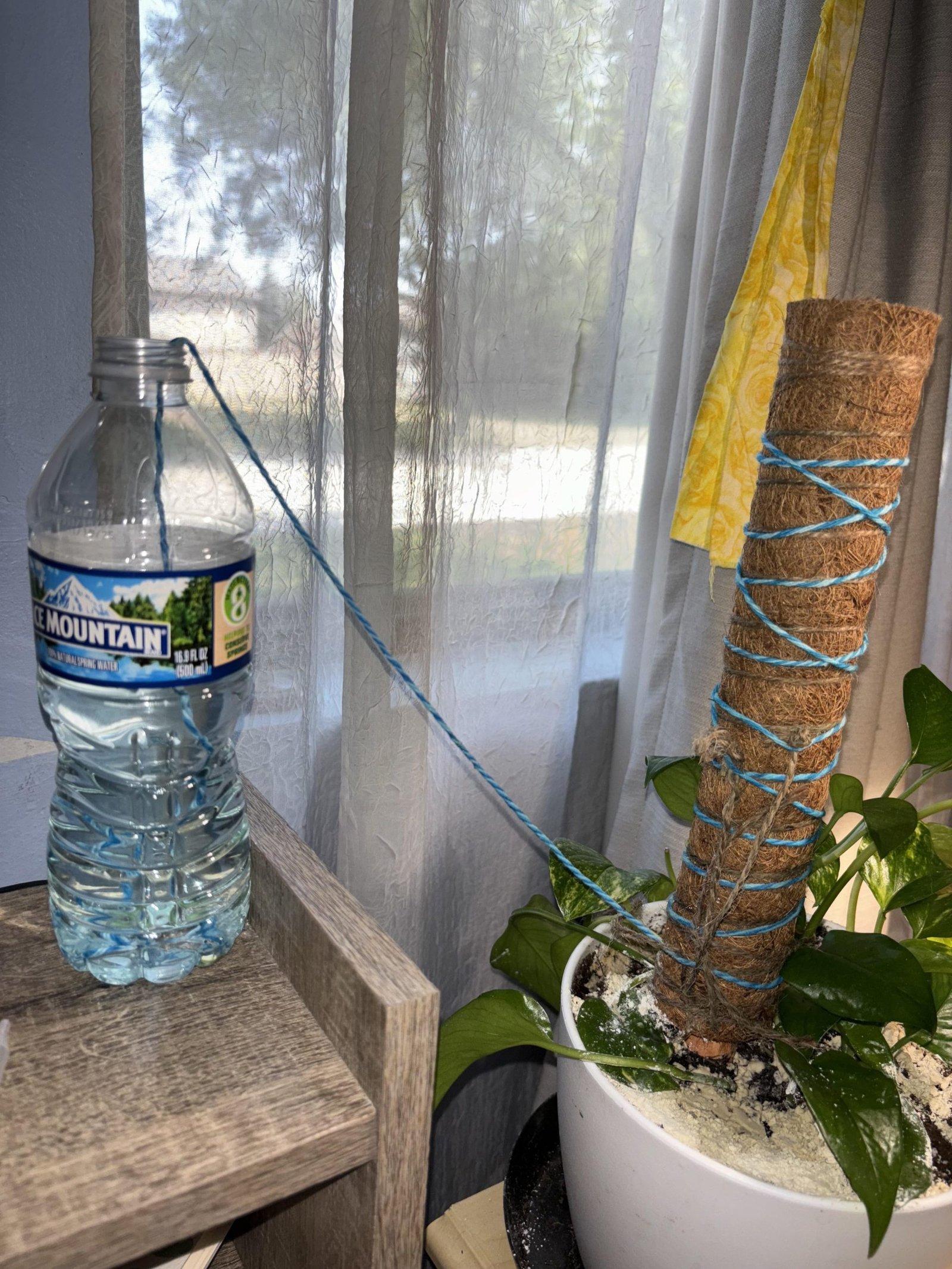
Self-watering systems supply water to plants as needed. This helps prevent overwatering.
These systems keep soil moist without making it too wet. They work well for busy gardeners.
- Choose containers with built-in water reservoirs
- Use drip irrigation with timers for even watering
- Check water levels regularly to refill reservoirs
Watering Early Or Late
Water plants early in the morning or late in the evening. This reduces water loss.
Cooler temperatures help water soak into the soil better. Leaves dry faster, lowering disease risk.
- Water before sunrise or after sunset
- Avoid watering during hot midday hours
- Use a watering can or hose with a gentle spray

Credit: www.reddit.com
Soil And Pot Considerations
Watering plants properly starts with the right soil and pot. These two factors help stop overwatering.
Good soil and pots let water flow out and air reach the roots. This keeps plants healthy.
Choosing Well-draining Soil
Well-draining soil lets water pass through easily. It stops water from sitting around roots.
Look for soil with sand, perlite, or vermiculite. These materials help soil drain fast.
- Use potting mix made for your plant type
- Avoid garden soil that holds too much water
- Add coarse materials to improve drainage
Selecting Proper Pots
Choose pots that have holes at the bottom. Drainage holes let extra water escape.
Pick pots that fit your plant size. Too large pots hold too much water and cause root rot.
- Ceramic and plastic pots often have drainage holes
- Avoid pots without holes unless you add drainage yourself
- Use saucers to catch excess water but empty them often
Improving Drainage
Add small stones or broken pottery at the pot bottom. This helps water flow out better.
Mix soil with materials like sand or perlite. This stops soil from getting too wet.
- Layer gravel under soil to create drainage space
- Use soil additives to increase air pockets
- Check pots regularly to clear blocked holes
Tools To Monitor Watering
Watering plants correctly is key to keeping them healthy. Too much water can harm roots. Using tools helps you know when to water.
Different tools measure soil moisture and plant needs. These tools guide you to water just the right amount.
Soil Moisture Meters
Soil moisture meters show how wet the soil is around your plants. You insert a probe into the soil to get a reading.
- Easy to use and read
- Portable for indoor and outdoor plants
- Helps prevent overwatering by showing moisture levels
- Some models have digital displays for accuracy
Smart Plant Sensors
Smart sensors connect to your phone and track soil moisture and temperature. They send alerts when plants need water.
| Feature | Benefit |
| Wireless connection | Check plant status from anywhere |
| Multiple sensors | Monitor several plants at once |
| Real-time data | Water plants only when needed |
| Easy setup | No complicated tools required |
Diy Monitoring Methods
You can check your plants without special tools by using simple tricks. These methods help you avoid too much water.
- Stick your finger about an inch into the soil.
- If soil feels dry, it is time to water.
- If soil feels damp, wait before watering.
- Look for leaves that are wilting or yellowing as a sign.

Credit: food52.com
Recovering Overwatered Plants
Overwatering is a common problem for many plant owners. It can cause roots to rot and leaves to turn yellow. Acting quickly can help your plant recover.
Knowing how to care for overwatered plants helps them grow healthy again. This guide explains what to do after overwatering.
Identifying Damage
Look for signs of overwatering to save your plant. Leaves may be yellow or soft. The soil might smell bad or stay wet for days.
Check the roots if you can. Brown, mushy roots mean root rot. Healthy roots are white and firm.
- Yellow or wilting leaves
- Soil that stays wet too long
- Foul smell from soil
- Brown, soft roots
Adjusting Care Routine
Stop watering your plant for a few days. Let the soil dry out well between waterings. This helps roots get air and prevents rot.
Use less water when you start again. Water only when the top inch of soil feels dry. Place the plant in bright, indirect light to help it recover.
- Pause watering for several days
- Water only when soil is dry on top
- Use bright, indirect sunlight
- Avoid fertilizing until plant improves
Repotting Tips
Repot the plant if roots are rotting. Remove the plant gently and cut off damaged roots with clean scissors. Use fresh, well-draining soil.
Choose a pot with drainage holes. This prevents water from sitting at the bottom. After repotting, wait a few days before watering again.
- Remove the plant from old soil
- Trim brown, mushy roots carefully
- Use new soil that drains well
- Pick a pot with drainage holes
- Wait a few days to water after repotting
Frequently Asked Questions
How Often Should I Water My Plants?
Water your plants when the top inch of soil is dry. This usually means once a week for most plants. However, factors like plant type, season, and indoor climate can affect frequency. Always check soil moisture to avoid overwatering.
What Are Signs Of Overwatering Plants?
Overwatered plants often show yellowing leaves and wilting despite wet soil. The soil may also have a sour smell. Root rot is another sign, which can kill plants if not addressed. Ensure proper drainage and adjust watering habits to prevent these issues.
How Can I Improve Soil Drainage?
Improve soil drainage by mixing in organic matter like compost or perlite. Use pots with drainage holes to prevent waterlogging. Elevating pots with trays can help excess water escape. Proper drainage ensures healthier roots and prevents overwatering.
Can Overwatering Kill My Plants?
Yes, overwatering can suffocate plant roots and lead to root rot. This eventually kills the plant if not corrected. It’s vital to let soil dry between watering. Adjusting your watering schedule helps maintain plant health and longevity.
Conclusion
Watering plants takes care and attention. Too much water can harm roots and stop growth. Check soil moisture before adding water. Use pots with good drainage to avoid water buildup. Observe your plants daily to see their needs. Small, regular watering works better than flooding plants.
With practice, you can keep plants healthy and happy. Enjoy watching them grow strong without overwatering. Simple steps make a big difference in plant care. Keep learning and adjusting your watering habits for best results. Your plants will thank you with vibrant leaves and flowers.