
Are you diving into the world of woodworking or simply looking to enhance your safety practices? Either way, you’ve landed in the right place.
Understanding how to wear safety goggles for woodworking isn’t just about compliance; it’s about protecting your most valuable asset—your eyes. Imagine the confidence you’ll feel knowing you’re fully protected, allowing you to focus solely on your craft. Picture yourself effortlessly creating your next masterpiece, free from worry.
By the end of this article, you’ll not only know how to wear safety goggles properly but also understand why it’s crucial for your safety and success in woodworking. Stay with us and discover how a small adjustment can make a big difference in your woodworking experience.
Choosing The Right Safety Goggles
Safety goggles protect your eyes during woodworking. Choosing the right goggles keeps you safe and comfortable.
Look at the types, materials, and fit before buying goggles. Each factor affects your protection and comfort.
Types Of Safety Goggles
There are many types of safety goggles. Each type fits different needs and work conditions.
- Direct Vent Goggles: Have holes for airflow but block dust and debris.
- Indirect Vent Goggles: Have covered vents to keep out liquids and fine dust.
- Over-the-Glasses Goggles: Fit over regular glasses for extra protection.
- Face Shield Goggles: Cover the whole face, used for heavy-duty work.
Material And Lens Options
Goggles come in different materials for frames and lenses. Choose materials based on durability and clarity.
Lenses may have special coatings. These improve safety and comfort while working.
- Frame Materials: Plastic is lightweight; rubber offers a tight seal.
- Lens Materials: Polycarbonate is strong and resists impact.
- Anti-Fog Coatings: Help keep lenses clear during work.
- UV Protection: Shields eyes from harmful sun rays.
- Scratch-Resistant Coatings: Extend lens life and improve vision.
Fit And Comfort Considerations
Good fit and comfort help you wear goggles for long periods. Poor fit can cause gaps and discomfort.
Check adjustable straps and cushioning. Make sure goggles fit snugly but not too tight.
- Adjustable Straps: Allow custom fit for different head sizes.
- Soft Cushioning: Prevents pressure marks on the face.
- Lightweight Design: Reduces fatigue during long work sessions.
- Wide Field of Vision: Lets you see clearly without moving your head.

Credit: www.dreamstime.com
Preparing For Woodworking
Wearing safety goggles protects your eyes from dust and wood chips. Before starting woodworking, prepare your goggles well.
Proper preparation ensures clear vision and full protection while you work with wood.
Cleaning Your Goggles
Clean goggles help you see clearly and avoid eye strain. Use a soft cloth to wipe dirt and dust from the lenses.
Use mild soap and water if the lenses are very dirty. Avoid harsh chemicals that can damage the lenses.
- Rinse goggles with clean water
- Apply mild soap gently
- Wipe with a soft, lint-free cloth
- Let goggles air dry before use
Checking For Damage
Inspect goggles carefully before each use. Check for cracks, scratches, or loose parts that can reduce protection.
Replace goggles if damage blocks your view or makes them unsafe to wear.
- Look for scratches on lenses
- Check frame for cracks or breaks
- Ensure straps are not frayed or broken
- Test if lenses fit securely in the frame
Adjusting Straps And Fit
Adjust straps so goggles fit snugly but comfortably. Loose goggles can let dust in, while tight ones hurt your head.
Make sure goggles sit well on your face and cover your eyes completely.
- Stretch or tighten straps evenly on both sides
- Position goggles to cover eyes fully
- Check for gaps between goggles and skin
- Wear goggles for a few minutes to test comfort
Proper Wearing Techniques
Safety goggles protect your eyes during woodworking. Wearing them correctly keeps you safe from dust and debris.
Learn how to wear safety goggles properly for the best protection and comfort while working.
Positioning On Your Face
Place the goggles so they cover your eyes fully. The lenses should sit close to your face without gaps.
Make sure the strap goes around your head, not just over your ears. This keeps the goggles stable.
- Align goggles over your eyes
- Adjust nose bridge for comfort
- Secure strap around the back of your head
Ensuring A Secure Seal
Check that the edges of the goggles touch your skin evenly. This stops dust from entering your eyes.
Do not wear goggles over glasses that break the seal. Use goggles made for glasses if needed.
- Press goggles gently against your face
- Adjust straps to avoid looseness
- Replace damaged or worn parts
Avoiding Fogging
Fogging can block your view and cause accidents. Use goggles with ventilation or anti-fog coating.
Clean the lenses before and after use. Avoid wiping with rough cloths that scratch the surface.
- Choose goggles with vents or fans
- Apply anti-fog sprays if needed
- Keep lenses clean and dry
Maintaining Clear Vision
Wearing safety goggles protects your eyes during woodworking. Clear vision is key for safety and accuracy. Keep your goggles clean and fog-free to see well.
Proper care helps avoid accidents and improves your work quality. Learn how to keep your goggles clear and comfortable all day.
Anti-fog Treatments
Fogging can blur your vision and cause dangerous mistakes. Anti-fog treatments stop moisture from building on the lenses.
Use sprays or wipes made for safety goggles. Apply them before you start working. Some goggles come with built-in anti-fog coatings.
- Apply anti-fog spray evenly on both sides of lenses
- Let the lenses dry fully before wearing
- Reapply every few hours or as needed
Cleaning Tips During Use
Keep your goggles clean to maintain clear vision. Wood dust and dirt stick to lenses and blur sight.
Use a soft cloth or lens wipe to clean your goggles. Avoid harsh chemicals that can damage the lens surface.
- Stop and clean goggles regularly during long work sessions
- Use water or mild soap for heavy dirt
- Dry lenses with a microfiber cloth to avoid scratches
Replacing Worn Lenses
Scratched or damaged lenses reduce vision and safety. Replace lenses if you see cracks, deep scratches, or cloudiness.
Many safety goggles allow you to swap lenses easily. Use the right replacement parts for your model to keep protection strong.
- Check lenses often for damage
- Replace lenses that block or distort vision
- Follow manufacturer instructions to change lenses safely
Additional Safety Measures
Wearing safety goggles protects your eyes during woodworking. You should also use extra safety tools. These help keep you safer from dust, debris, and accidents.
Following good safety habits in your workspace lowers risks. Combining safety gear and smart practices makes woodworking safer for everyone.
Using Face Shields With Goggles
Face shields add another layer of protection. They cover your whole face and protect from flying wood chips and dust.
Wear safety goggles under the face shield. Goggles protect your eyes from small dust particles that the shield might miss.
- Make sure the face shield fits well and does not block vision.
- Use goggles that fit comfortably under the shield.
- Clean both goggles and shield after use to keep clear sight.
Combining With Respiratory Protection
Woodworking creates dust that can harm your lungs. A dust mask or respirator helps protect your breathing.
Wear respiratory protection with your goggles. This keeps both your eyes and lungs safe from harmful particles.
- Choose masks that fit well and filter fine dust.
- Replace filters or masks regularly for best protection.
- Keep goggles and mask tight so dust does not enter.
Workspace Safety Practices
Keep your workspace clean to reduce hazards. Clear dust and scraps often to avoid slips and breathing problems.
Good lighting and organized tools help prevent accidents. Always check your equipment before starting work.
- Use dust collectors or vacuums to lower dust in the air.
- Store tools safely to avoid trips and cuts.
- Wear gloves and ear protection along with goggles.

Credit: www.amazon.com
Common Mistakes To Avoid
Wearing safety goggles is very important for woodworking. Many people make mistakes that reduce protection. Knowing what to avoid keeps your eyes safe.
Here are common errors when using safety goggles. Avoid these to protect your eyes better.
Skipping Goggles
Some woodworkers skip goggles because they think small tasks are safe. Even small wood chips can cause serious eye injuries.
Always wear goggles, no matter how simple the job is. Safety should be your top priority every time.
Wearing Incorrectly
Wearing goggles the wrong way reduces their protection. For example, wearing them on the forehead or under the eyes is unsafe.
Make sure goggles fit tightly and cover your eyes fully. Adjust straps to keep them secure during work.
- Keep goggles close to your face
- Do not wear goggles on your head or neck
- Use adjustable straps for a snug fit
- Check for gaps around the edges
Ignoring Maintenance
Dirty or damaged goggles can block your vision and reduce safety. Scratched lenses or loose straps make goggles less effective.
Clean goggles after every use with a soft cloth. Replace damaged parts or buy new goggles if needed.
- Wipe lenses with a clean, soft cloth
- Check straps for wear and tear
- Replace goggles if lenses are scratched
- Store goggles in a clean, dry place
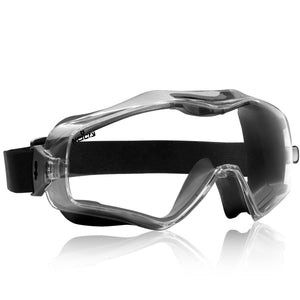
Credit: nocry.com
Frequently Asked Questions
How Do Safety Goggles Protect Woodworkers’ Eyes?
Safety goggles shield eyes from dust, wood chips, and debris. They prevent injuries by blocking flying particles during cutting or sanding. Wearing them reduces risks of serious eye damage in woodworking tasks. Proper fit ensures effective protection and comfort.
What Is The Correct Way To Wear Safety Goggles?
Place goggles snugly over your eyes and nose. Adjust the strap to fit firmly but comfortably around your head. Ensure no gaps exist between your face and goggles. Clean lenses regularly for clear vision and safety.
Can I Wear Prescription Glasses Under Safety Goggles?
Yes, many safety goggles fit over prescription glasses. Look for “over-the-glasses” (OTG) goggles designed with extra space. This ensures both eye protection and clear vision without discomfort. Always check compatibility before use.
When Should I Replace My Safety Goggles?
Replace goggles if lenses are scratched, cracked, or damaged. Damaged goggles reduce visibility and protection. Also, replace when straps lose elasticity or fit poorly. Regular inspection maintains optimal safety in woodworking.
Conclusion
Wearing safety goggles protects your eyes from dust and debris. Always choose goggles that fit snugly and feel comfortable. Clean them regularly to keep your vision clear. Never skip wearing goggles while working with wood. Safety comes first, and your eyes matter most.
Stay focused and keep your workspace safe. Small steps make a big difference in preventing injuries. Keep your goggles handy and wear them every time. Your eyes will thank you later.
