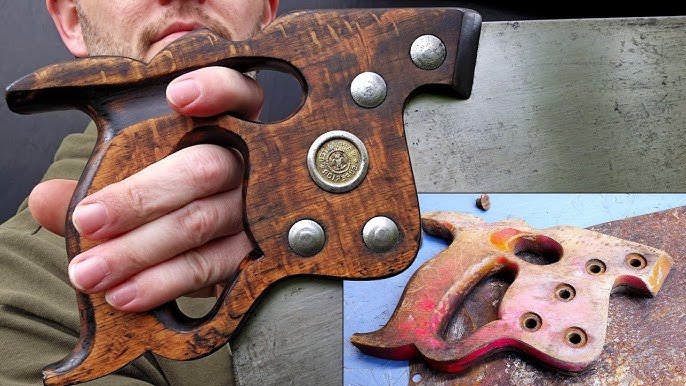
Are you tired of your hand saw handles feeling uncomfortable or wearing out too quickly? You’re not alone.
Maintaining hand saw handles is crucial for efficiency and comfort during your woodworking projects. Imagine the satisfaction of a smooth, sturdy grip that enhances your precision with each cut. We’ll share simple yet effective tips to keep your hand saw handles in top shape.
By the end, you’ll feel more confident in your tool maintenance skills, ready to tackle any woodworking challenge with ease. Dive in, and let’s transform your woodworking experience together!
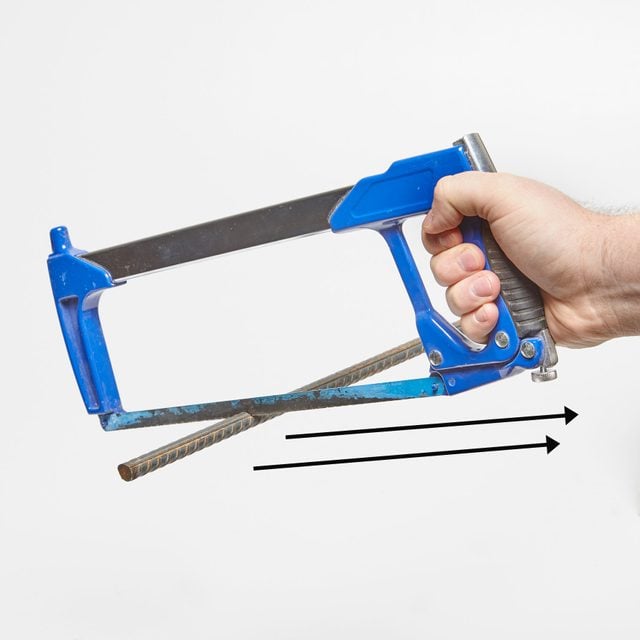
Credit: www.familyhandyman.com
Choosing The Right Handle Material
Selecting the right handle material is key for hand saw comfort and safety.
Different materials affect grip, weight, and how long the handle lasts.
Wood Vs Plastic Handles
Wood handles offer a traditional feel and natural grip. They look good and are easy to fix if damaged.
Plastic handles are lighter and often shaped to fit your hand better. They resist water and many chemicals well.
- Wood handles provide warmth and a classic style.
- Plastic handles often have ergonomic designs.
- Wood can crack or swell if wet for too long.
- Plastic may become brittle in cold weather.
Durability Factors
| Material | Resistance | Maintenance |
| Wood | Prone to moisture damage, can rot or crack | Needs oiling and drying after use |
| Plastic | Resists water and chemicals, but can crack in cold | Easy to clean, less upkeep needed |
Regular Cleaning Techniques
Keeping hand saw handles clean helps them last longer and stay safe. Dirt and grime can build up from use and storage. Cleaning regularly stops damage and keeps the handle smooth.
Use simple tools and safe cleaners to keep your saw handle in good shape. Clean it gently to avoid wear and tear.
Removing Dirt And Grime
Remove dirt and grime by wiping the handle with a soft cloth. Use a brush to reach tight spots. Avoid soaking the handle in water to protect the wood.
- Use a dry cloth to wipe off loose dirt.
- For sticky grime, dampen the cloth slightly with water.
- Use a soft brush to clean grooves and edges.
- Dry the handle immediately after cleaning.
Safe Cleaning Agents
Choose cleaning agents that do not harm wood or finish. Avoid harsh chemicals that can damage the handle surface or weaken the glue.
| Cleaning Agent | Use | Notes |
| Mild Soap | Mix with water for gentle cleaning | Safe for wood; rinse and dry well |
| White Vinegar | Diluted solution for stubborn grime | Use sparingly; can dull finish if overused |
| Mineral Oil | Apply after cleaning to condition wood | Protects and restores handle shine |
Preventing Moisture Damage
Moisture can cause wood handles on hand saws to swell, crack, or rot. Keeping them dry protects their strength and shape.
Use simple care steps to stop water damage and keep your saw handles safe for a long time.
Proper Drying Methods
After use, wipe your hand saw handle with a dry cloth. Avoid leaving it wet or damp for long periods.
- Dry the handle immediately after exposure to water
- Use a soft cloth to remove surface moisture
- Let the saw air dry in a warm, ventilated area
- Avoid direct sunlight or heat sources that can crack the wood
- If needed, apply linseed oil to keep wood from drying out
Storage Solutions
Proper storage helps prevent moisture buildup on hand saw handles. Choose dry and clean places to keep your tools.
| Storage Option | Benefit | Notes |
| Wall-mounted rack | Keeps saws off damp surfaces | Good air circulation |
| Tool cabinet | Protects from dust and moisture | Use moisture absorbers inside |
| Plastic tool box | Portable and sealed | Add silica gel packs |
Repairing Minor Damages
Hand saw handles can get small damages from regular use. Fixing these issues helps keep the saw safe and easy to use.
Simple repairs prevent bigger problems and extend the life of your tool.
Fixing Cracks And Splinters
Cracks and splinters can make handles uncomfortable and unsafe. Repair them quickly to avoid injury.
Use wood glue to fill small cracks. Clamp the handle until the glue dries to hold it tight.
- Clean the damaged area before gluing
- Apply glue inside the crack or on splinters
- Press or clamp the handle firmly
- Wipe off extra glue before it dries
- Let the glue dry for several hours
- Sand the repaired spot smooth if needed
Tightening Loose Handles
Loose handles make it hard to control the saw and can cause accidents. Keep the handle tight for better grip and safety.
Check the screws or bolts that hold the handle. Tighten them using the right screwdriver or wrench.
- Find the screws or bolts on the handle
- Use the correct tool to tighten each fastener
- If screws are stripped, replace them with new ones
- For wooden handles, add wood glue inside the handle joint if loose
- Clamp the handle after gluing and let it dry
Applying Protective Finishes
Protecting hand saw handles keeps them strong and comfortable to use. Applying finishes stops wood from drying out and cracking.
Oils and varnishes are good choices to protect your hand saw handles. They soak into the wood and form a shield on the surface.
Oils And Varnishes
Oils like linseed and tung oil soak deep into the wood. They keep the handle smooth and help stop water damage.
- Linseed oil is easy to apply and dries well.
- Tung oil forms a harder, water-resistant finish.
- Varnishes add a shiny, protective coating on top of the wood.
- Use spar varnish for good water and wear resistance.
Choose an oil or varnish that fits how often you use the saw and the finish you like.
Frequency Of Application
How often to apply finish depends on use and environment. If you use the saw outside or in wet places, apply more often.
| Use Level | Recommended Application Frequency |
| Light use | Once or twice a year |
| Moderate use | Every 3 to 4 months |
| Heavy use or outdoor | Monthly or as needed |
Check your handle regularly. If it looks dry or feels rough, apply another coat of oil or varnish.

Credit: www.freepik.com
Safe Handling Practices
Maintaining hand saw handles properly helps keep you safe. It also makes your work easier and more efficient.
Good habits reduce accidents and extend the life of your saw. Focus on how you hold and use the saw handle.
Grip Techniques
Hold the saw handle firmly but not too tight. A relaxed grip helps control the saw better and prevents hand strain.
- Place your thumb along the handle for extra control.
- Wrap your fingers around the handle comfortably.
- Keep your wrist straight to avoid injury.
- Use your whole arm to guide the saw, not just your hand.
Avoiding Excessive Force
Do not push the saw too hard. Let the teeth do the cutting. Excessive force can damage the handle and cause accidents.
| Common Mistake | Effect on Handle |
| Using too much pressure | Handle cracks or breaks |
| Jerking motions | Loose grip and loss of control |
| Improper angle | Uneven wear on handle |
Storage Tips To Extend Handle Life
Taking care of your hand saw handles helps them last longer. Proper storage keeps wood strong and prevents damage.
Use simple methods to protect handles from wear. This guide shows easy ways to store handles safely.
Avoiding Extreme Temperatures
Wood handles crack or warp if exposed to heat or cold. Avoid leaving saws in hot sheds or freezing garages.
- Keep handles in dry, cool places away from heaters.
- Do not store saws near windows where sunlight heats them.
- Avoid damp areas that cause swelling or mold growth.
- Use a cloth or cover to shield handles from weather changes.
Hanging Vs Laying Flat
Choosing how to store a saw affects handle shape. Hanging and laying flat each have benefits and risks.
| Storage Method | Advantages | Disadvantages |
|---|---|---|
| Hanging | Prevents warping by keeping handle straight. Saves floor space. | Risk of handle stress if hung by the blade only. |
| Laying Flat | Supports handle evenly. Easy to access and organize. | Can cause bending if weight presses unevenly on handle. |

Credit: www.youtube.com
Frequently Asked Questions
How Often Should I Clean Hand Saw Handles?
Clean hand saw handles after every use to remove dirt and sweat. Regular cleaning prevents grime buildup and extends handle life.
What Type Of Oil Is Best For Wood Handles?
Use linseed oil or mineral oil to condition wooden handles. These oils protect wood and keep it from drying or cracking.
How Do I Fix Loose Hand Saw Handles?
Tighten screws or bolts securing the handle. If damaged, replace the handle or use wood glue for minor repairs.
Can I Use Sandpaper On Hand Saw Handles?
Yes, use fine-grit sandpaper to smooth rough spots. Sand gently to avoid removing too much wood or damaging the handle.
Conclusion
Taking care of hand saw handles keeps them strong and safe. Clean handles after each use to avoid dirt build-up. Use oil or wax to stop wood from drying out. Tighten screws or bolts to keep handles steady. Store saws in dry places to prevent damage.
Small actions make your saw last longer. A well-kept handle helps you work better. Simple care saves money and effort in the long run. Keep these tips in mind for smooth, safe cutting every time.