Sanding curved surfaces can be tricky. If you’ve ever struggled to get a smooth, even finish on rounded edges or intricate shapes, you’re not alone.
Uneven sanding can ruin your project and waste your time. But what if you could master a few simple techniques to make your curved surfaces look flawless every time? You’ll discover easy-to-follow tips that will help you sand curves evenly, save effort, and achieve professional results.
Keep reading, and turn your sanding challenges into your biggest strengths.

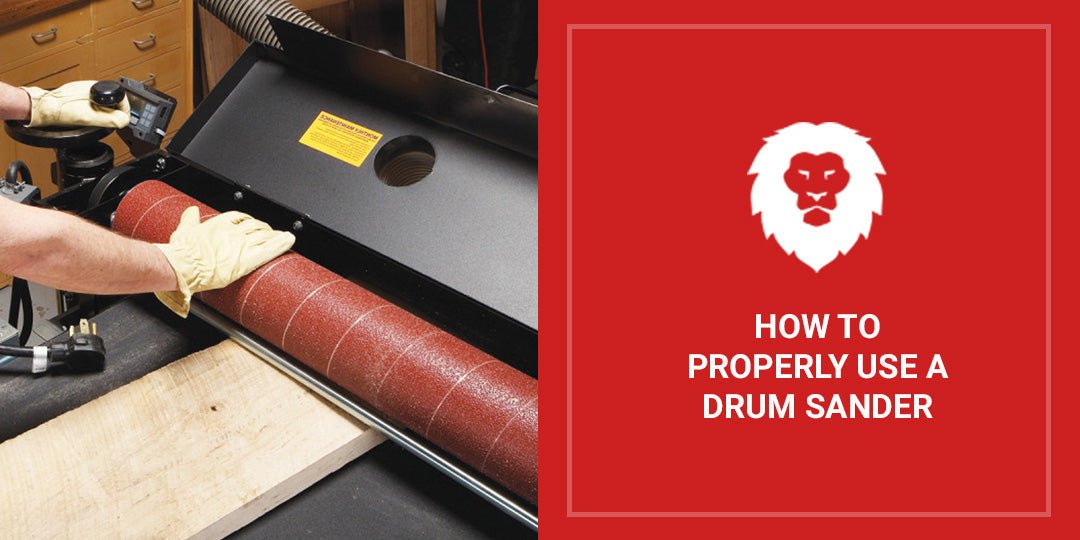
Credit: shardlian.en.made-in-china.com
Choosing The Right Sandpaper
Sanding curved surfaces can be tricky. The right sandpaper helps you sand evenly without damaging the curve.
Picking the right sandpaper grit and material is key to smooth results on curves.
Grit Selection For Curves
Coarse grit can remove material fast but may cause scratches on curves. Fine grit smooths the surface gently.
Start with medium grit to shape the curve, then use fine grit to finish smoothly.
- Use 80-120 grit for shaping curves
- Use 150-220 grit for smoothing
- Use 320 grit or finer for final polish
Types Of Sandpaper Materials
Sanding curved surfaces needs flexible sandpaper. Different materials work better on curves.
Aluminum oxide and silicon carbide sandpapers bend well and last longer on curves.
- Aluminum oxide: Durable and good for wood and metal
- Silicon carbide: Sharp and works well on hard surfaces
- Ceramic: Very tough but less flexible
- Garnet: Soft, good for hand sanding wood
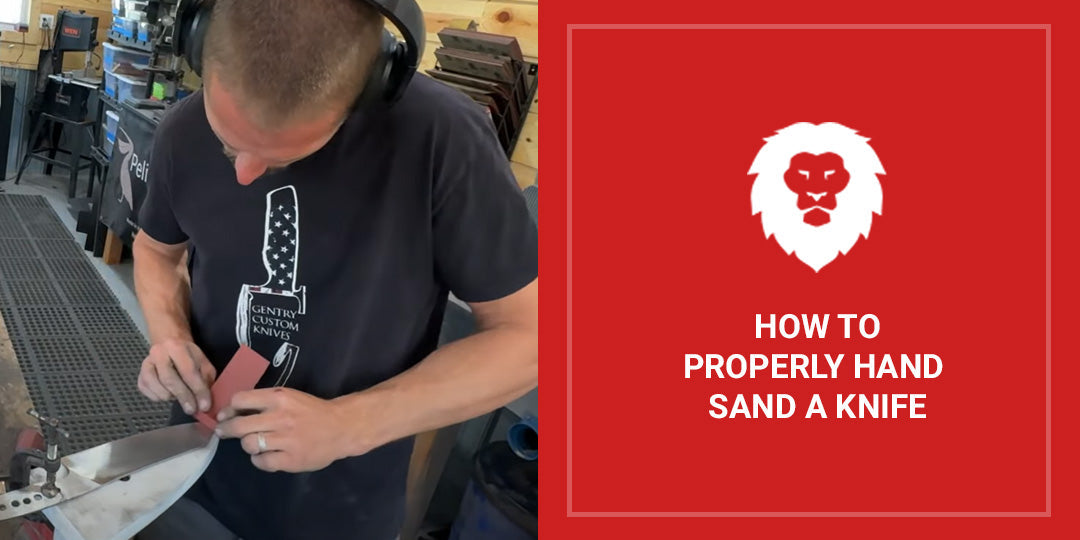
Credit: www.redlabelabrasives.com
Tools For Curved Surfaces
Sanding curved surfaces can be tricky. The right tools help you sand evenly and smoothly.
Choosing tools made for curves lets you avoid flat spots and rough edges. This guide covers useful tools and techniques.
Hand Sanding Techniques
Hand sanding gives you full control on curves. Use your fingers to follow the shape closely.
Wrap sandpaper around a soft block or your fingers. Sand gently in small circles or along the curve.
- Use light pressure to avoid flat spots
- Sand with the grain if wood is curved
- Change sandpaper grit as needed for smoothness
Using Flexible Sanding Sponges
Flexible sanding sponges bend easily to match curves. They are soft and keep even contact with the surface.
These sponges come in different grits and shapes. Use them to reach tight curves and smooth edges well.
- Choose fine grit for finishing
- Use medium grit for shaping
- Wash sponges after use to keep them clean
Power Sanders Suitable For Curves
Some power sanders are made for curved surfaces. Look for models with small, flexible pads or detail attachments.
Orbital and detail sanders work well. They let you sand curves faster while keeping control.
- Orbital sanders with round pads
- Detail sanders with triangular pads
- Random orbit sanders for smooth finish
Preparing The Surface
To sand curved surfaces evenly, start by preparing the surface well. Proper preparation helps avoid uneven spots and saves time.
Cleaning and inspecting the surface reveals any dirt or damage. Marking high and low spots guides your sanding process to make it smooth.
Cleaning And Inspection
Remove dust, grease, and old finishes from the curved surface. Use a mild cleaner and a soft cloth to avoid damage.
- Wipe the surface with a damp cloth
- Use mild soap if needed
- Rinse and dry completely
- Check for cracks, dents, or rough areas
Marking High And Low Spots
Identify uneven areas by feeling the surface with your hand or using a light source. Mark these spots to focus your sanding.
| Mark Type | Purpose |
| Circle | Indicates high spots that need sanding down |
| Cross | Shows low spots needing filling or gentle sanding |
| Line | Marks edges or transitions on the curve |

Credit: hammerroo.com.au
Sanding Methods For Consistency
Sanding curved surfaces evenly can be tricky. The right methods help keep the finish smooth and consistent.
Choosing the best motion, applying steady pressure, and working in layers are key to good results.
Circular Vs. Back-and-forth Motions
Circular motions work well on curves because they follow the shape. Back-and-forth motions suit flat or slightly curved areas.
- Circular motion covers the surface evenly without creating lines.
- Back-and-forth motion can leave scratch marks if not careful.
- Use circular motion on tight curves and back-and-forth on gentle curves.
Maintaining Even Pressure
Keep your hand pressure steady to avoid uneven sanding. Too much pressure removes too much material. Too little pressure wastes effort.
| Pressure Level | Effect |
| Light | Slow sanding, may not smooth well |
| Even | Consistent surface and finish |
| Heavy | Uneven surface, possible damage |
Working In Layers
Sanding in thin layers helps control the shape and smoothness. Remove a little material at a time to avoid mistakes.
Tips for layering your sanding:
- Start with coarse grit to shape the curve.
- Switch to medium grit to smooth rough marks.
- Finish with fine grit for a polished surface.
- Clean the surface between layers to check progress.
Checking Progress Accurately
Sanding curved surfaces evenly can be tricky. Checking your progress often helps keep the shape smooth.
It is important to use clear methods to see where you have sanded and where you still need work.
Using Templates And Guides
Templates and guides are tools that help you follow the curve exactly. They show where the surface should be even.
You can make a template from a flexible material that fits the curve. Place it on the surface to check the shape.
- Use a template to spot high or low spots
- Mark areas that need more sanding
- Repeat often for best results
Visual And Tactile Inspection
Look closely at the surface under good light. Shadows can show uneven spots on the curve.
Run your hand gently over the surface. Feeling the curve helps find bumps or dips you might miss with your eyes.
- Use bright light at an angle to see shadows
- Touch the surface slowly to feel irregularities
- Check from different angles for a full view
Finishing Touches
Sanding curved surfaces evenly takes patience and care. The final steps make a big difference in the result.
Proper cleaning and surface preparation help your finish last longer and look smooth.
Final Sanding Steps
Use fine-grit sandpaper to smooth the surface gently. Move in the direction of the curve without pressing hard.
- Wrap sandpaper around a soft sponge for better contouring.
- Sand lightly to avoid flat spots on curves.
- Check the surface by touch to find rough areas.
- Repeat sanding with finer grits until smooth.
Cleaning And Preparing For Finish
Remove all dust and debris before applying any finish. Dust can ruin the smoothness and adhesion.
- Use a soft brush to remove sanding dust.
- Wipe with a tack cloth to pick up fine particles.
- Use a vacuum with a brush attachment for deep cleaning.
- Allow the surface to dry completely before finishing.
Common Mistakes To Avoid
Sanding curved surfaces is tricky. Many make errors that hurt the finish. Avoid these mistakes to get smooth, even results.
Learn what to watch for so you can save time and improve your sanding work on curves.
Over-sanding
Sanding too much can ruin the shape of a curve. It can also make the surface uneven and weak.
- Use light pressure to avoid cutting too deep.
- Sand with the grain if the surface is wood.
- Check your progress often to keep the curve smooth.
- Stop sanding once the surface feels even to the touch.
- Use finer grit sandpaper as you near the final shape.
Ignoring Surface Irregularities
Curves often have bumps or dents. Ignoring these spots leads to a bad finish. You must find and fix them before final sanding.
| Irregularity | Effect | How to Fix |
|---|---|---|
| Bumps | Uneven surface | Sand gently with a curved sanding block |
| Dents | Visible pits after painting | Fill with wood filler or putty |
| Rough patches | Scratch marks | Use finer grit sandpaper gradually |
Frequently Asked Questions
What Sandpaper Grit Is Best For Curved Surfaces?
Start with medium grit (120-150) for shaping curves. Progress to fine grit (220-320) for a smooth finish. This prevents over-sanding and preserves detail on curved surfaces.
How To Hold Sandpaper On Curved Edges?
Use flexible sanding pads or wrap sandpaper around a foam block. This helps maintain even pressure and follows the curve shape accurately.
Can Power Sanders Be Used On Curved Surfaces?
Yes, but choose orbital or detail sanders with foam pads. They adapt better to curves and reduce the risk of gouging the surface.
How To Avoid Sanding Unevenly On Curves?
Move sandpaper in consistent, gentle strokes along the curve. Check progress frequently and adjust pressure to maintain uniform sanding.
Conclusion
Achieving smooth curves requires patience and the right techniques. Always choose the correct sanding tool for the job. This ensures even results without damaging the surface. Remember to sand along the grain to avoid scratches. Regularly check your progress to maintain consistency.
Practice makes perfect, so don’t rush the process. Use the tips shared to improve your sanding skills. Your projects will look professional with these simple adjustments. Keep experimenting with different methods. This way, you can find what works best for you.
Happy sanding!