
Are you looking to keep your garden neat without wasting time or effort? Using hedge shears efficiently can make all the difference.
With the right tips, you’ll trim your hedges quickly and get cleaner, sharper cuts every time. Imagine your bushes looking perfectly shaped while you finish your work faster and with less strain. Keep reading to discover simple, practical ways to make your hedge shears work harder for you—and turn your gardening into an easier, more enjoyable task.
Choosing The Right Hedge Shears
Choosing the right hedge shears helps you trim bushes and hedges easily. The right tools make your work faster and cleaner.
Look at the type, blade material, and handle design before buying. These features affect how well the shears cut and how comfortable they feel.
Types Of Hedge Shears
There are different types of hedge shears for various tasks. Choose shears based on the size and shape of your hedges.
- Manual Hedge Shears:Simple and good for small hedges. No power needed.
- Electric Hedge Shears:Use electricity for easier cutting. Best for medium to large hedges.
- Gas Hedge Shears:Powerful and good for big jobs. They are heavier and louder.
Blade Material And Sharpness
Blade material affects how sharp and durable your shears are. Sharp blades give clean cuts and reduce damage to plants.
| Blade Material | Features |
| Carbon Steel | Very sharp, holds edge well but may rust if not cared for. |
| Stainless Steel | Resists rust, needs more frequent sharpening. |
| Alloy Steel | Strong and durable, good balance of sharpness and rust resistance. |
Handle Design And Comfort
Comfortable handles reduce hand fatigue during long use. Look for handles that fit your hand size and offer a good grip.
- Ergonomic handles reduce strain on wrists.
- Non-slip grips help you hold shears securely.
- Long handles increase reach but may be harder to control.
- Lightweight materials make carrying easier.

Credit: www.theenglishgarden.co.uk
Preparing For Efficient Cutting
Using hedge shears well starts with good preparation. Proper steps help you cut neatly and save time.
Before trimming, get your tools ready and plan your work. This makes the job safer and easier.
Safety Gear Essentials
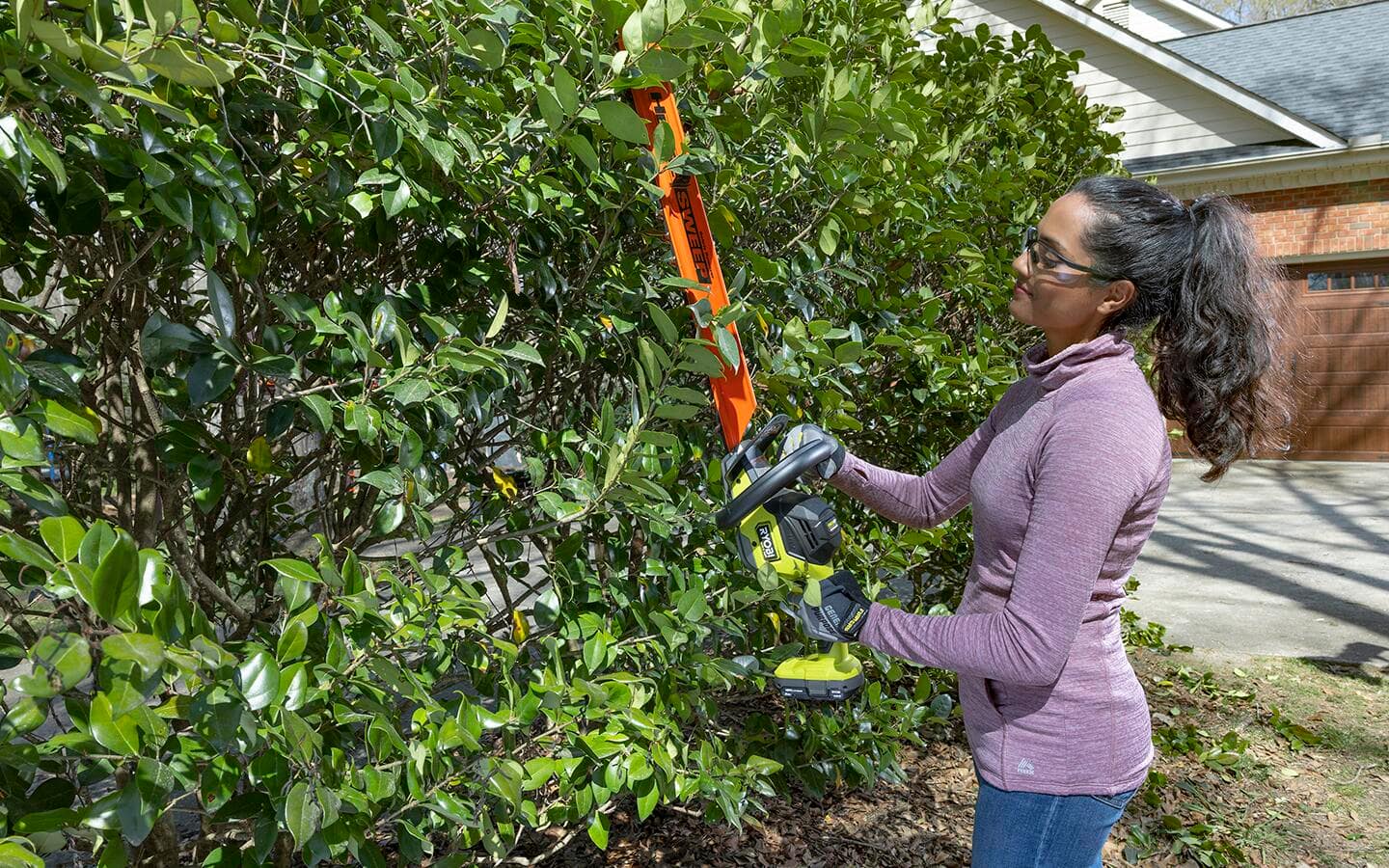
Safety gear protects you from cuts and scratches while trimming hedges. Always wear the right equipment.
- Wear sturdy gloves to protect your hands
- Use safety glasses to shield your eyes from debris
- Wear long sleeves and pants to avoid scratches
- Use closed-toe shoes to protect your feet
Cleaning And Inspecting Tools
Clean your hedge shears before use to remove dirt and sap. This helps the blades cut smoothly.
Check the blades for sharpness and damage. Dull or broken blades make cutting hard and unsafe.
- Wipe blades with a cloth after each use
- Sharpen blades if they look dull
- Oil the blades to stop rust
- Check handles for cracks or loose parts
Selecting The Best Time To Trim
Choose the right time of day to trim your hedges. This makes cutting easier and safer.
Trim when plants are dry and the weather is calm. Wet leaves can slip, and wind can cause accidents.
- Trim in the morning or late afternoon
- Avoid trimming after rain or during strong winds
- Pick a day with mild temperatures
- Check the weather forecast before starting
Mastering Cutting Techniques
Using hedge shears correctly helps keep your garden neat and healthy. Good cutting techniques save time and effort.
This guide covers grip, stance, cutting methods, and mistakes to avoid for better results.
Proper Grip And Stance
Hold the shears firmly with both hands. Keep your fingers away from the blades. Stand with feet shoulder-width apart for balance.
- Keep elbows slightly bent for smooth movement
- Position your body close to the hedge
- Use your legs and core, not just your arms
- Wear gloves for better grip and protection
Making Clean, Precise Cuts
Cut branches at a slight angle just above a leaf or bud. This helps the plant heal faster. Use smooth, even motions to avoid tearing.
| Cut Type | How to Do It |
| Thin Branches | Use light, steady pressure with blade tips |
| Thick Branches | Apply stronger force near the base, cut slowly |
| Shaping | Trim small amounts at a time for clean edges |
Avoiding Common Cutting Mistakes
Many mistakes cause damage or slow growth. Watch for these common errors.
- Cutting too close to the main stem can harm the plant
- Using dull blades causes ragged cuts
- Applying uneven pressure leads to broken branches
- Ignoring safety can cause injury
Maintaining Your Hedge Shears
Keeping your hedge shears in good shape helps them cut better and last longer. Regular care prevents rust and damage.
Simple maintenance tasks can save time and make your work easier. Focus on sharpening, lubricating, and storing your shears properly.
Sharpening Blades Regularly
Dull blades make cutting hard and can damage plants. Sharpen the blades often to keep them sharp and effective.
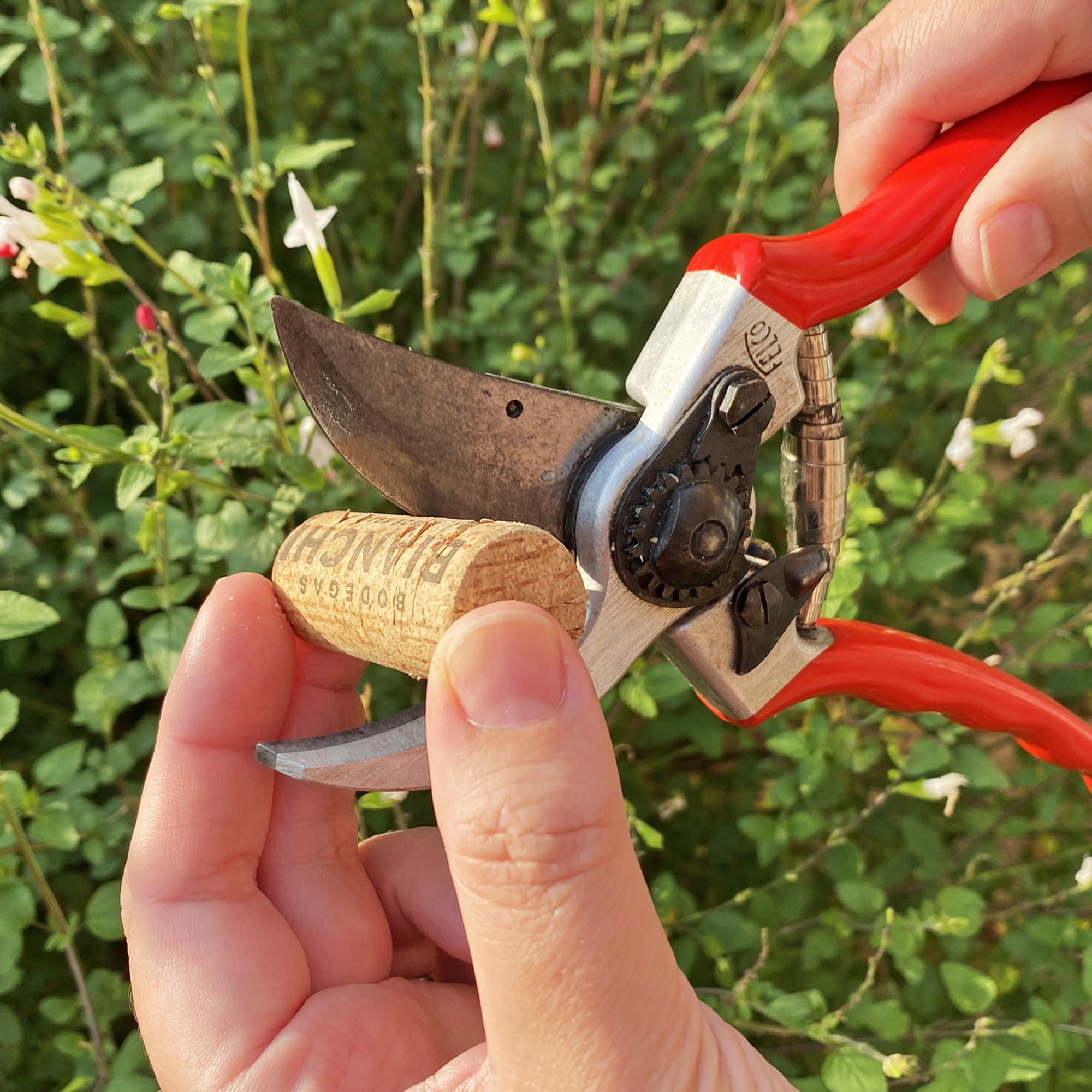
Use a sharpening stone or file for best results. Always follow the blade’s angle while sharpening to avoid damage.
- Clean blades before sharpening
- Hold blades firmly and steady
- Sharpen both sides evenly
- Wipe blades clean after sharpening
Lubricating Moving Parts
Lubrication helps the shears open and close smoothly. It also stops rust from forming on the metal parts.
Apply oil or spray lubricant to the pivot and moving joints. Wipe off any extra oil to avoid dirt build-up.
- Use light machine oil or spray lubricant
- Lubricate after cleaning and before storing
- Check for stiff parts and oil as needed
Storing Shears Safely
Proper storage protects your shears from damage and rust. Keep them in a dry place away from moisture.
Use blade covers or wrap the blades in cloth. Hang the shears or store them in a toolbox to avoid accidents.
- Clean and dry shears before storing
- Cover blades to prevent injury and rust
- Store in a dry, cool place
- Keep away from children and pets
Maximizing Efficiency And Results
Using hedge shears correctly saves time and gives better results. Proper technique helps keep plants healthy. It also shapes hedges nicely and reduces effort.
Follow simple tips for trimming, shaping, and managing your work. These tips will help you use your hedge shears efficiently and enjoy a neat garden.
Trimming For Healthy Growth
Trim hedges regularly to promote strong, healthy growth. Cut back dead or damaged branches first. Use smooth, even strokes to avoid tearing.
- Trim in the early morning or late afternoon for best results
- Remove no more than one-third of the hedge at a time
- Cut just above a leaf node to encourage new shoots
- Clean shears before and after use to prevent disease
Shaping Different Types Of Hedges
Different hedges need different shapes. Evergreen hedges look good with rounded edges. Boxwood hedges suit sharp, square shapes. Flowering hedges need gentle trimming.
| Hedge Type | Recommended Shape | Trimming Tip |
|---|---|---|
| Evergreen | Rounded | Trim evenly to keep smooth curves |
| Boxwood | Square | Use straight cuts for clean lines |
| Flowering | Natural | Trim lightly to avoid cutting buds |
Managing Time And Effort
Plan your trimming sessions to save energy. Use sharp, well-maintained shears to cut easily. Take breaks to avoid fatigue and keep focus.
Tips to manage your time and effort:
- Set a regular trimming schedule
- Work from top to bottom for safety
- Wear gloves to protect your hands
- Keep your posture straight to avoid back pain
- Store shears in a dry place after use
Credit: www.homedepot.com
Credit: www.gardeningknowhow.com
Frequently Asked Questions
How Do I Sharpen Hedge Shears Effectively?
To sharpen hedge shears, clean the blades first. Use a sharpening stone at a 10-degree angle. Stroke consistently along the blade’s edge. Repeat until sharp, then apply oil to prevent rust. Regular sharpening ensures efficient cutting and extends the tool’s lifespan.
What Safety Tips Should I Follow With Hedge Shears?
Wear gloves and safety goggles when using hedge shears. Keep your hands away from blades and handle shears with both hands. Always cut away from your body. Ensure your working area is clear of obstacles. Regular maintenance reduces the risk of accidents.
How Often Should I Clean My Hedge Shears?
Clean your hedge shears after every use. Remove plant sap and residue with a damp cloth. Dry thoroughly to prevent rust. Regular cleaning maintains cutting efficiency and prolongs the tool’s life. Always store shears in a dry place to avoid moisture damage.
Can I Use Hedge Shears For All Plants?
Hedge shears are ideal for trimming hedges, shrubs, and small branches. They’re not suitable for thick branches or hard wood. For larger branches, use a pruning saw or loppers. Using the right tool ensures clean cuts and promotes healthy plant growth.
Conclusion
Using hedge shears carefully saves time and effort. Keep blades sharp and clean for smooth cuts. Hold shears firmly and use steady, even strokes. Trim regularly to keep plants healthy and neat. Take breaks to avoid strain and stay safe.
These simple steps help you work well and enjoy gardening more. Practice often, and your skills will improve naturally. A little care makes a big difference in your garden’s look.
