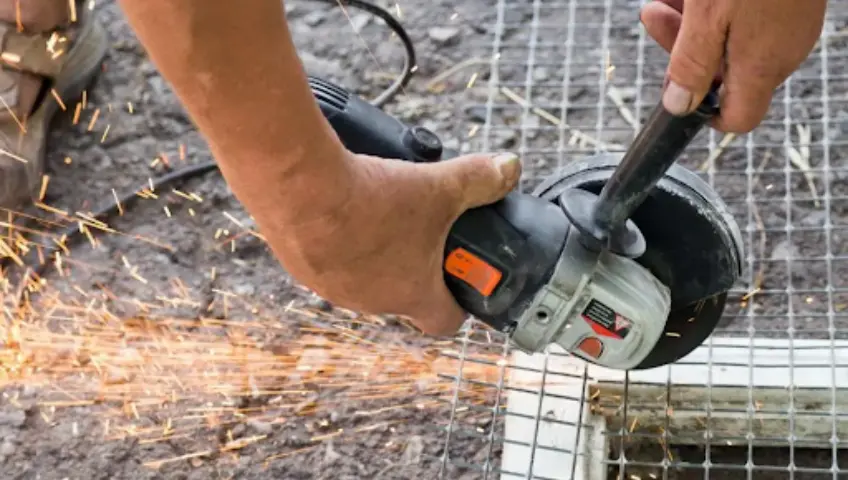
Are you looking to give your tools a shiny new finish? Using an angle grinder for polishing can be a game-changer.
Imagine transforming your worn-out, dull tools into sleek, polished masterpieces with just a few simple techniques. Whether you’re a DIY enthusiast or a seasoned professional, mastering the art of using an angle grinder for polishing can save you time and money, while delivering impressive results.
But to achieve that perfect shine, you need to know the right tips and tricks. Dive into this guide to unlock the secrets of polishing with an angle grinder, and discover how you can elevate your tool maintenance skills to the next level. Ready to make your tools gleam like never before? Let’s get started!
Choosing The Right Angle Grinder
Choosing the right angle grinder helps you polish tools safely and well. Picking a grinder that fits your needs makes your work easier and better.
Several factors matter when selecting an angle grinder. These include the grinder type, power, size, and safety features.
Types Of Angle Grinders
Angle grinders come in different types. Each type suits specific polishing tasks.
- Electric grinders: These are common and run on electricity. They offer steady power for polishing.
- Battery-powered grinders: Portable and easy to use anywhere. They work well for light polishing jobs.
- Air-powered grinders: Use compressed air. They are lighter and last longer but need an air compressor.
Power And Size Considerations
| Power (Amps or Volts) | Best For | Size (Disc Diameter) | Use Case |
|---|---|---|---|
| 4.5 to 6 amps | Light polishing and small tools | 4.5 inches | Small, precise jobs |
| 7 to 9 amps | Medium polishing tasks | 5 to 6 inches | General polishing and grinding |
| 10 amps or more | Heavy-duty polishing | 7 inches or larger | Large tools and tough materials |
Choose a power and size that matches your polishing needs. Bigger discs cover more area but are heavier.
Safety Features To Look For
Safety is vital when using angle grinders. Look for features that protect you during polishing.
- Side handles for better grip and control
- Adjustable guards to shield from sparks and debris
- Automatic shut-off to prevent accidents
- Anti-vibration design to reduce hand strain
- Lock-on switches to keep the grinder running safely
Selecting Polishing Attachments
Choosing the right polishing attachments is key to good results. Different tools work best for various surfaces and finishes.
This guide helps you pick the right pads and keep them in good shape for smooth polishing.
Different Polishing Pads
Polishing pads come in many types. Each pad suits a specific task and surface.
- Foam pads: Soft and gentle, best for clear coats and fine polishing.
- Wool pads: Coarse texture, good for heavy cutting and removing scratches.
- Microfiber pads: Combines cutting and polishing for a smooth finish.
- Felt pads: Used for glazing and applying polish evenly.
Material Compatibility
Select pads that match the material you work on. Wrong pads can cause damage or poor polish.
| Material | Recommended Pad |
| Metal | Wool or Microfiber |
| Wood | Foam or Felt |
| Plastic | Soft Foam |
| Painted Surfaces | Soft Foam or Microfiber |
Attachment Maintenance
Keep polishing attachments clean and in good condition. This extends their life and improves results.
- Clean pads after each use to remove residue and dust.
- Store pads in a dry, cool place to avoid damage.
- Check pads for wear or tears before use.
- Replace pads when they lose shape or effectiveness.
Preparing Tools For Polishing
Using an angle grinder for polishing needs careful preparation. This helps you get smooth, shiny results.
Before polishing, get your tools ready to avoid problems and improve safety.
Cleaning And Inspection
Clean your tools well before polishing. Dirt or grease can cause poor polish and damage the surface.
Check the tool for cracks, rust, or loose parts. Fix any issues to keep polishing safe and effective.
- Remove dust and dirt with a brush or cloth
- Use mild detergent for grease spots
- Look for cracks or dents on the surface
- Check that all parts are tight and secure
Securing The Tool
Hold the tool firmly before polishing. A stable tool helps you polish evenly and avoid accidents.
Use clamps or a vise to fix the tool if possible. This stops the tool from moving during polishing.
- Hold small tools with both hands
- Use clamps for larger or heavier tools
- Keep the tool steady to control the grinder
Surface Preparation Techniques
Prepare the surface to polish by removing old paint or rust. This helps the polish stick better.
Use sandpaper or a wire brush before polishing. Start with rough grit, then move to finer grit for smoothness.
- Remove rust with a wire brush or sandpaper
- Sand rough spots to create a smooth surface
- Clean the surface again after sanding

Credit: www.youtube.com
Polishing Techniques
Using an angle grinder for polishing requires skill and care. Proper techniques help you get a smooth and shiny surface.
Focus on the angle, pressure, speed, and movement to achieve the best results without damaging the tool.
Proper Angle And Pressure
Hold the angle grinder at the right angle to the surface. Usually, 15 to 30 degrees works well for polishing.
Apply light to medium pressure. Pressing too hard can cause scratches or remove too much material.
- Keep the grinder steady and avoid tilting too much.
- Let the polishing pad do the work, not your strength.
- Adjust your grip if you feel vibration or slipping.
Speed Settings For Polishing
Use a slower speed setting for polishing than for cutting. High speeds can burn the surface or damage the polish.
| Speed Setting (RPM) | Recommended Use |
| 1,000 – 2,000 | Fine polishing and finishing |
| 2,000 – 4,000 | General polishing on metal and stone |
| Above 4,000 | Avoid for polishing to prevent damage |
Movement Patterns For Even Finish
Move the angle grinder in smooth, consistent patterns to avoid uneven spots. Use overlapping strokes for full coverage.
- Use circular or figure-eight motions for best results.
- Keep your speed steady and avoid stopping in one spot.
- Check your progress often and adjust your pattern if needed.
Safety Tips During Polishing
Using an angle grinder for polishing can be risky without proper safety. Follow key tips to avoid injuries and protect yourself.
Always prepare well before polishing. Safety gear and careful handling keep you safe and improve results.
Protective Gear Essentials
Wear the right gear to protect your eyes, hands, and body from sparks and dust during polishing.
- Safety goggles to shield your eyes from debris
- Protective gloves to guard your hands
- Long sleeves and pants to cover your skin
- Ear protection to reduce noise damage
- A dust mask to avoid breathing in particles
Avoiding Common Hazards
Be aware of hazards that can cause accidents. Keep your workspace clean and check tools before use.
| Hazard | How to Avoid |
| Loose clothing | Wear fitted clothes |
| Damaged grinding discs | Inspect discs before use |
| Wet or slippery floors | Keep floors dry and clean |
| Poor lighting | Work in well-lit areas |
| Unstable workpieces | Secure items firmly |
Handling Sparks And Debris
Sparks and debris can cause burns or fires. Use care to control them safely while polishing.
- Direct sparks away from yourself and others
- Keep flammable materials far from the work area
- Use a spark guard if available
- Clean up debris regularly to prevent buildup
- Work in a well-ventilated area to reduce dust

Credit: extoltools.com
Maintaining Your Angle Grinder
Keeping your angle grinder in good shape helps it work well for a long time. Regular care prevents breakdowns and keeps you safe.
Simple maintenance tasks after each use can save you time and money. Learn how to clean, inspect, and replace parts easily.
Cleaning After Use
Cleaning your angle grinder after every use stops dust and debris from building up. This keeps the tool running smoothly.
Use a brush or compressed air to remove dust around vents and moving parts. Wipe the body with a dry cloth to clear dirt.
- Unplug the tool before cleaning
- Use a soft brush for tight spots
- Keep vents clear of dust
- Do not use water to clean the motor
Routine Inspections
Look over your angle grinder before and after use. Check for damage or loose parts that could cause problems.
Inspect the power cord for cracks or cuts. Make sure the guard and handle are secure and not broken.
- Check the grinding disc for cracks or wear
- Test the switch to ensure it works well
- Look for unusual noises during operation
- Confirm that safety guards are firmly attached
Replacing Worn Parts
Replace parts that are worn out to keep your angle grinder safe and effective. Using damaged parts can cause accidents.
Change grinding discs if they are chipped or thin. Replace brushes and other internal parts as recommended in the manual.
- Use only parts made for your model
- Replace discs with correct size and type
- Check brushes every few months
- Follow manufacturer instructions for part changes
Troubleshooting Common Issues
Using an angle grinder for polishing can be tricky if problems arise. Fixing these issues helps improve your results and tool life.
This guide covers common problems like uneven polishing, overheating, and unusual noises. Follow the tips to keep your work smooth and safe.
Uneven Polishing Results
Uneven polishing often happens due to wrong technique or tool issues. Check your approach and equipment before continuing.
- Make sure the polishing pad is clean and not worn out.
- Hold the grinder at a consistent angle to the surface.
- Move the grinder smoothly without pressing too hard.
- Check if the polishing compound is evenly applied.
- Inspect the grinder’s speed setting; adjust if needed.
Overheating Problems
Overheating can damage the tool and the surface you polish. Watch for signs and act quickly to cool down the grinder.
| Cause | Solution |
| Blocked air vents | Clean vents regularly to allow airflow |
| Using the grinder too long without breaks | Take short rests to let the motor cool |
| Excessive pressure on the tool | Apply light, even pressure during polishing |
| Wrong polishing pad for the surface | Use pads made for your material type |
Unusual Noises And Vibrations
Strange sounds or strong vibrations often signal a problem with the grinder or its parts. Check these areas carefully.
- Inspect the grinding disc for cracks or damage.
- Make sure the disc is tightly secured to the tool.
- Check the tool’s bearings for wear and tear.
- Balance the disc if the grinder shakes during use.
- Listen for motor issues; repair if the sound is irregular.

Credit: www.motortrend.com
Frequently Asked Questions
How Do I Choose The Right Angle Grinder For Polishing?
Select an angle grinder with adjustable speed and a comfortable grip. Ensure it supports polishing pads and has safety features for control.
What Polishing Pads Work Best With Angle Grinders?
Use soft, non-abrasive polishing pads like foam or wool. They prevent surface damage and provide a smooth, shiny finish.
How Do I Prepare Tools Before Polishing With An Angle Grinder?
Clean tools to remove dirt and rust. Secure them firmly and wear safety gear to avoid accidents during polishing.
What Safety Tips Should I Follow When Polishing Tools?
Always wear eye protection, gloves, and a mask. Keep a firm grip and work in a well-ventilated area to reduce dust exposure.
Conclusion
Using an angle grinder for polishing tools takes care and attention. Always wear safety gear to protect your eyes and hands. Keep the grinder steady and move it smoothly for best results. Choose the right polishing pad for your tool’s surface.
Practice on scrap metal before working on important pieces. Clean your tools after polishing to keep them in good shape. These tips help you polish tools safely and effectively every time. Simple steps. Better finishes. Less risk.