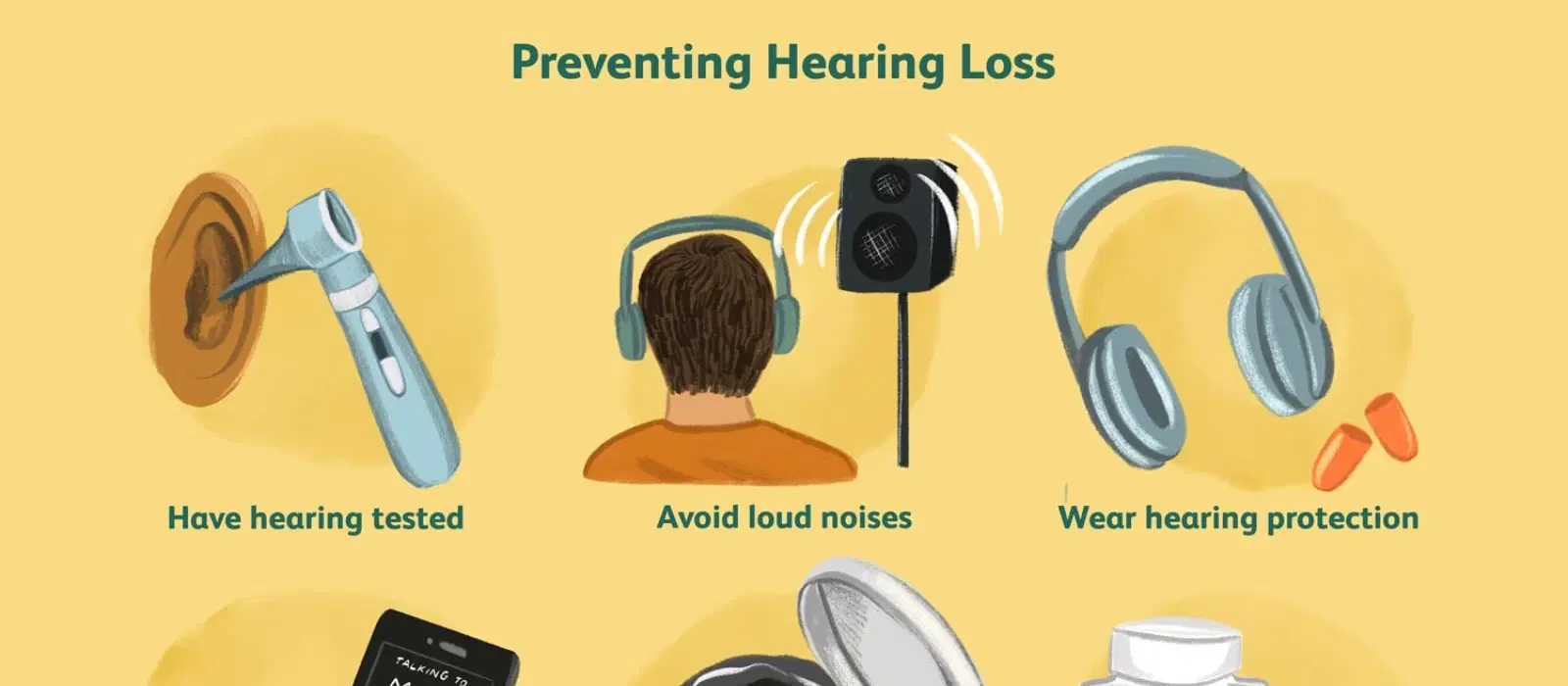
Are you struggling to get the most out of your ear muffs? Whether you’re trying to protect your hearing at work, enjoy some quiet time, or stay warm in cold weather, using ear muffs correctly makes all the difference.
Imagine feeling fully comfortable, protected, and confident every time you wear them. You’ll discover simple tips that help you use your ear muffs effectively—so you can enjoy better sound protection and comfort right away. Keep reading to unlock the secrets that many people overlook!

Credit: gssafetyproducts.com
Choosing The Right Ear Muffs
Ear muffs protect your ears from loud sounds. Choosing the right pair helps keep your hearing safe.
Pick ear muffs based on where you will use them. Comfort and noise protection matter most.
Types Of Ear Muffs
There are several types of ear muffs. Each type fits different needs and situations.
- Over-the-head ear muffs: common and easy to wear
- Behind-the-head ear muffs: good for people with long hair
- Electronic ear muffs: reduce loud noise but allow soft sounds
- Disposable ear muffs: used once or a few times
Noise Reduction Ratings
Noise Reduction Rating (NRR) shows how much noise the ear muffs block. Higher numbers mean better protection.
Choose ear muffs with an NRR that matches your noise exposure. For very loud places, pick higher ratings.
| NRR Level | Use Case |
|---|---|
| 15-20 dB | Light noise, like office or home use |
| 20-30 dB | Moderate noise, like workshops or traffic |
| 30+ dB | Loud noise, like construction or shooting ranges |
Material And Fit
Ear muffs come in different materials. Soft cushions improve comfort and seal noise better.
Fit matters to block noise well. Make sure ear muffs cover your ears fully and feel snug but not tight.
- Look for adjustable headbands to fit different head sizes
- Choose cushioned ear cups for long wear comfort
- Check for lightweight materials to reduce pressure
Proper Wearing Techniques
Wearing ear muffs correctly is key to protecting your hearing. Poor fit reduces their effectiveness. Follow simple tips to ensure a good fit every time.
This guide covers positioning, adjusting headbands, and checking for gaps. Each step helps you get the best noise protection.
Positioning For Maximum Seal
Place the ear cups fully over your ears. Make sure the soft cushions touch your skin evenly. This creates a tight seal to block noise.
- Center each cup around your ear
- Press gently but firmly against your head
- Avoid hair or glasses blocking the seal
- Keep your head straight to avoid gaps
Adjusting Headbands
Adjust the headband to fit snugly without pressure. A good fit keeps the ear muffs in place and maintains the seal.
| Adjustment Tip | Why It Helps |
| Extend the headband to fit your head size | Prevents tightness and discomfort |
| Check that ear cups sit evenly | Ensures balanced pressure on both ears |
| Make small adjustments during use | Keeps the seal even if you move |
Checking For Gaps
Inspect around the ear cups for any openings. Gaps let noise in and reduce protection.
- Look in a mirror for spaces between cushions and skin
- Use your fingers to feel for air leaks
- Adjust ear muffs or headband to close gaps
Maintaining Comfort
Ear muffs can protect your ears from loud noise and cold weather. Wearing them for long times may cause discomfort. It is important to keep them comfortable to use them well.
Comfort helps you wear ear muffs without pain or irritation. Here are tips to keep your ear muffs comfortable.
Padding Care
Padding is the soft part that touches your ears. Good padding makes ear muffs gentle and cozy. Keep padding clean and soft to avoid skin problems.
Use a soft cloth to wipe the padding after use. Avoid water unless the padding is washable. Replace padding if it becomes hard or cracked.
- Clean padding regularly
- Do not use harsh chemicals
- Replace worn-out padding
- Store ear muffs in a dry place
Managing Heat And Sweat
Ear muffs can trap heat, making your ears sweat. This causes discomfort and skin irritation. Choose ear muffs with breathable padding to reduce heat.
Wear ear muffs in cooler places when possible. Use a thin, clean cloth between your skin and the padding to absorb sweat.
- Pick breathable ear muffs
- Use cloth liners for sweat
- Keep skin dry before wearing
- Switch ear muffs if too hot
Taking Breaks
Wearing ear muffs for a long time may cause pressure and soreness. Taking short breaks helps your ears rest and feel better.
Remove ear muffs every hour if possible. Use this time to gently massage your ears and let skin breathe.
- Take off ear muffs every hour
- Massage ears gently during breaks
- Check for any pain or redness
- Adjust fit if needed
Cleaning And Maintenance
Proper cleaning and maintenance keep your ear muffs working well. Clean ear muffs protect your ears and extend their life.
Learn easy ways to clean, store, and replace parts of your ear muffs. These tips help keep them safe and comfortable.
Regular Cleaning Tips
Clean your ear muffs after each use to remove dirt and sweat. Use a soft cloth with mild soap and water. Avoid harsh chemicals that can damage the material.
- Wipe ear cushions and headband with a damp cloth
- Use a gentle soap solution for tough spots
- Dry completely before storing
- Check for cracks or damage during cleaning
Storage Best Practices
Store ear muffs in a clean, dry place away from sunlight. Keep them in a protective case to avoid dust and damage. Avoid placing heavy objects on top of them.
| Storage Tip | Reason |
| Use a hard case | Protects from impact and dust |
| Keep away from heat | Prevents material warping |
| Store in cool, dry area | Stops mold and mildew growth |
| Hang on a hook | Maintains shape of headband |
Replacing Parts
Replace ear cushions and foam inserts regularly. Worn parts reduce comfort and noise protection. Use parts recommended by the manufacturer for best fit.
Signs you need to replace parts:
- Cracked or torn ear cushions
- Foam that feels hard or compressed
- Loose headband or broken clips
- Reduced noise blocking
Using Ear Muffs In Different Environments
Ear muffs help protect your ears from loud noise and cold weather. They come in many styles for different needs. Learning how to use them well keeps you safe and comfortable.
Each environment needs a special way to wear ear muffs. This guide shows tips for industrial settings, outdoor activities, and sleeping or relaxing.
Industrial Settings
In factories and construction sites, noise can harm your hearing. Choose ear muffs with high noise reduction ratings. Make sure they fit tightly over your ears to block sound.
- Check the noise level before starting work
- Wear ear muffs with a comfortable headband
- Inspect ear cushions for cracks or dirt often
- Use ear plugs under ear muffs for extra protection
- Replace damaged ear muffs immediately
Outdoor Activities
For hiking, hunting, or snow sports, pick ear muffs that block wind and cold. Some have adjustable cups for a snug fit. Bright colors help keep you visible in nature.
| Activity | Recommended Feature | Tip |
| Hiking | Lightweight, breathable padding | Remove when resting to avoid sweat build-up |
| Hunting | Noise reduction with sound amplification | Test volume controls before use |
| Snow Sports | Insulated and water-resistant | Wear under helmet for extra warmth |
Sleeping And Relaxation
Ear muffs can help block noise for better sleep. Choose soft and lightweight models that cover your ears without pressure. Adjust the band to avoid discomfort.
- Use ear muffs in quiet, comfortable rooms
- Clean ear cushions regularly to keep skin healthy
- Pair ear muffs with white noise machines if needed
- Remove ear muffs if they cause pain or irritation

Credit: www.safetyandhealthmagazine.com
Combining Ear Muffs With Other Protection
Using ear muffs alone may not give full protection in loud environments. It is important to combine them with other safety gear.
This guide explains how to use earplugs, safety glasses, and helmets with ear muffs for better safety.
Using Earplugs Together
Wearing earplugs under ear muffs can increase noise reduction. This is useful in very loud places.
- Insert earplugs properly before putting on ear muffs.
- Choose comfortable earplugs for longer use.
- Check the fit to ensure no gaps let noise in.
- Clean reusable earplugs after each use.
Wearing With Safety Glasses
Ear muffs and safety glasses can fit together well if chosen correctly. The frames of glasses may affect ear muff fit.
| Type of Glasses | Fit with Ear Muffs | Tips |
| Thin Frame | Good | Choose low profile ear muffs |
| Thick Frame | May cause gaps | Adjust muffs carefully for seal |
| Wraparound | Depends on design | Try different ear muff models |
Helmet Compatibility
Some helmets work better with ear muffs than others. It is key to check comfort and fit before long use.
- Look for ear muffs made to attach to helmets.
- Check if the helmet shape allows full ear coverage.
- Wear both before starting work to test fit.
- Adjust straps for a snug but comfortable feel.
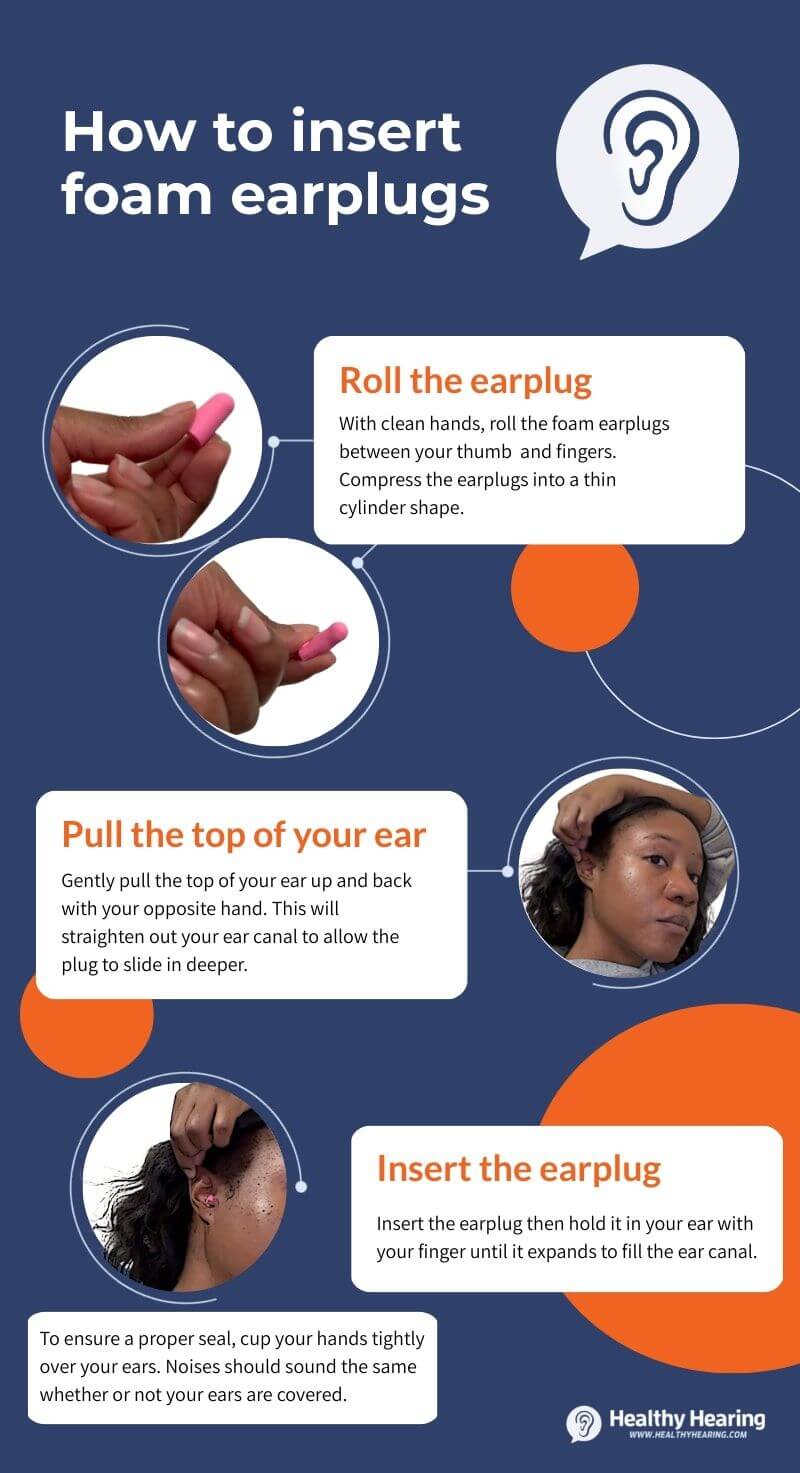
Credit: www.healthyhearing.com
Frequently Asked Questions
How Do Ear Muffs Protect Hearing?
Ear muffs protect your hearing by blocking out harmful noise levels. They create a seal around the ears, reducing sound intensity. This helps prevent potential hearing damage in noisy environments. It’s essential to ensure a proper fit for maximum effectiveness.
Regular use can significantly reduce the risk of hearing loss.
Can I Wear Ear Muffs With Glasses?
Yes, you can wear ear muffs with glasses. Choose ear muffs with soft, adjustable headbands for comfort. Ensure the ear cushions seal properly around your ears. This minimizes noise leakage and maintains effectiveness. Consider trying different styles to find the most comfortable fit with your glasses.
How Should Ear Muffs Fit Properly?
Ear muffs should fit snugly over your ears. Ensure the headband is adjustable and secure for a proper fit. The ear cushions should completely cover your ears. This helps in blocking out noise effectively. Check for any gaps that may allow sound to enter.
Are Ear Muffs Suitable For All Noise Levels?
Ear muffs are suitable for most noise levels, but not all. They are ideal for moderate to high noise levels. For extremely loud environments, combine ear muffs with earplugs. This provides additional protection. Always assess the noise level to choose the right hearing protection.
Conclusion
Using ear muffs properly keeps your ears safe and comfortable. Choose the right size and fit for the best protection. Clean your ear muffs regularly to keep them working well. Replace worn parts to maintain noise reduction. Wear them consistently in noisy places to protect your hearing.
Small steps make a big difference in ear safety. Stay mindful and take care of your ear muffs daily. Your hearing will thank you for the effort. Simple habits help you use ear muffs effectively every day.