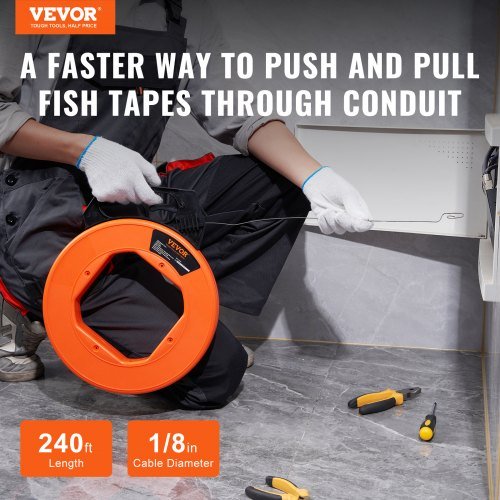
If you’ve ever struggled to pull wires through tight spaces, you know how frustrating it can be. Using a fish tape for wire pulling can make this job much easier and faster.
Whether you’re working on a home project or a professional installation, knowing how to use fish tape properly can save you time and avoid damage to your wires. You’ll discover simple tips and tricks that will help you master wire pulling with fish tape like a pro.
Ready to make your next wiring task smoother and less stressful? Let’s dive in!
Choosing The Right Fish Tape
Using a fish tape makes wire pulling easier and safer. Picking the right one saves time and effort. Consider the type, material, length, and thickness before buying.
Each fish tape has features suited for different tasks. Knowing these helps you choose the best tool for your job.
Types Of Fish Tapes
Fish tapes come in several types. The main types include steel, fiberglass, and nylon tapes. Each type works better in some situations than others.
- Steel Fish Tape:Strong and stiff. Good for long runs and tight spaces.
- Fiberglass Fish Tape:Flexible and non-conductive. Safer around electricity.
- Nylon Fish Tape:Lightweight and flexible. Best for short, easy pulls.
Material Considerations
Material affects how the fish tape performs and lasts. Steel is tough but can rust. Fiberglass resists rust and electricity. Nylon is gentle but less durable.
| Material | Strength | Flexibility | Electric Safety | Rust Resistance |
| Steel | High | Low | No | No |
| Fiberglass | Medium | Medium | Yes | Yes |
| Nylon | Low | High | Yes | Yes |
Length And Thickness
Length matters for reaching wires deep in walls or ceilings. Thickness affects how easily the tape moves in tight spaces. Choose length and thickness based on your job size and complexity.
- Length:Longer tapes reach farther but can be harder to control.
- Thickness:Thinner tapes bend easier but may break more easily.
- Balance:Pick a tape thick enough to push but thin enough to flex.

Credit: www.amazon.com
Preparing For Wire Pulling
Using a fish tape helps to pull wires through walls and conduits. Proper preparation makes the job easier and safer.
Before starting, check the area and tools to avoid problems while pulling wire.
Assessing The Path
Look closely at the route where you will pull the wire. Make sure the path is clear and straight if possible.
Identify any sharp bends or tight spaces that might block the fish tape or wire.
- Check walls, ceilings, and floors for obstacles.
- Note the length of the path to prepare enough wire and tape.
- Plan how to handle corners and bends carefully.
Clearing Obstacles
Remove any objects that block the wire path. This helps the fish tape move smoothly.
Clear loose debris, nails, or screws from the route before starting the pull.
- Move furniture or equipment if needed.
- Clean dusty or rough surfaces that could catch the tape.
- Make sure openings and holes are free of sharp edges.
Safety Precautions
Always follow safety rules to avoid injury while pulling wires. Use the right tools and wear protective gear.
Check for live wires or electrical hazards before starting work.
- Turn off power to the area where you work.
- Wear gloves to protect your hands from cuts and scratches.
- Use eye protection to guard against dust and debris.
- Do not force the fish tape if it gets stuck.
Techniques For Effective Wire Pulling
Using a fish tape helps run wires through walls, conduits, and ceilings. It makes pulling wire easier and safer. This guide covers key techniques to use fish tape well.
Following good methods reduces damage to wires and speeds up the work. Learn how to feed the fish tape, attach the wire, and pull with control.
Feeding The Fish Tape
Start by slowly feeding the fish tape into the conduit or wall space. Keep the tape straight to avoid bends or kinks. Push gently but firmly until it reaches the other end.
- Wear gloves to protect your hands from the tape edges.
- Use steady pressure to push the tape forward.
- If the tape stops, pull it back slightly and try again.
- Keep the tape clean to prevent snags.
Attaching The Wire
Secure the wire to the fish tape end before pulling it back. Use a strong, smooth tie to avoid catching inside the conduit. Electrical tape or a wire grip works well.
| Attachment Method | Advantages | Tips |
| Electrical Tape | Easy and quick to apply | Wrap tightly and smooth edges |
| Wire Grip | Secure hold, less chance of slipping | Choose correct size for wire |
| Twist Tie | Simple but less secure | Not recommended for heavy wires |
Pulling Strategies
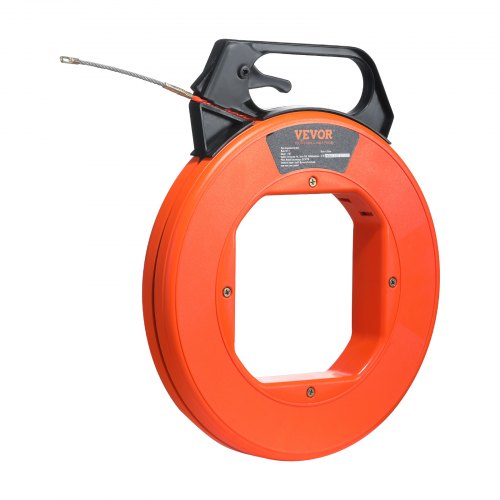
Pull the fish tape slowly and evenly to bring the wire through. Avoid jerking or sharp pulls that may damage the wire or tape.
- Hold the tape firmly near the conduit opening.
- Pull with steady force, keeping the tape straight.
- Ask a helper to feed the wire if needed.
- Stop if you feel resistance and check for snags.
- Use lubricant in tight or long conduits to ease pulling.
Credit: www.vevor.com
Handling Common Challenges
Using a fish tape for wire pulling can be tricky. Many problems happen during the process.
Knowing how to handle these challenges helps you finish the job faster and safer.
Dealing With Tight Bends
Tight bends in walls or conduits make it hard to push fish tape through. The tape can get stuck or bend back.
Use a flexible fish tape that can curve easily. Push the tape slowly and gently around bends. Avoid forcing it.
- Choose a fish tape made of fiberglass or nylon for flexibility
- Push and pull the tape slowly to navigate curves
- Try to keep the tape straight before the bend
- If stuck, pull back and try again at a different angle
Managing Snags
Snags happen when the tape catches on obstacles inside walls or conduits. This stops the tape from moving forward.
To manage snags, gently pull and twist the tape to free it. Avoid pulling hard to prevent damage.
- Pull the tape back slowly if stuck
- Twist the tape to help it slide past the snag
- Use a lubricant safe for electrical wiring if needed
- Check for blocked or sharp areas before pulling wires
Avoiding Damage To Wires And Walls
Fish tape can damage wires or walls if used carelessly. Scratches or cuts can cause problems later.
Handle the tape and wires gently. Use protective covers on sharp edges and avoid forcing the tape.
- Wear gloves to get a good grip on the tape
- Use wire pulling lubricant to reduce friction
- Protect wall openings with tape or plastic covers
- Pull wires slowly and steadily to prevent damage
Maintenance And Storage Tips
Using a fish tape correctly extends its life and keeps it working well. Proper maintenance and storage help avoid damage and make wire pulling easier.
Keep your fish tape clean and store it properly after each use. This guide covers cleaning, coiling, and storage tips for your fish tape.
Cleaning The Tape
After use, dirt and debris can stick to the tape. Clean it to prevent rust and wear. Use a soft cloth and mild soap with water to wipe the tape.
Dry the tape fully before storing it to stop rust from forming. Avoid harsh chemicals that can damage the tape’s surface.
Proper Coiling
Coiling the fish tape correctly keeps it from bending or kinking. Always roll the tape back into its case smoothly and evenly.
- Pull the tape straight out without twisting.
- Guide the tape gently back into the case.
- Use your hand to keep the tape flat while coiling.
- Do not force the tape if it resists rewinding.
Storage Best Practices
Store your fish tape in a cool, dry place away from direct sunlight. This prevents corrosion and keeps the tape flexible.
| Storage Tip | Reason |
| Keep tape in its case | Protects from dirt and damage |
| Avoid humid areas | Prevents rust and corrosion |
| Store horizontally or hang | Stops tape from bending or kinking |
| Check tape regularly | Spot early signs of wear |
Advanced Tips From Professionals
Using a fish tape helps pull wires through walls and tight spaces. Professionals use special tips to make the job easier.
These tips save time and reduce damage to wires and walls. Follow them to improve your wire pulling skills.
Using Lubricants
Lubricants reduce friction when pulling wires with fish tape. They help the tape slide smoothly through pipes and walls.
Use a wire-pulling lubricant or a silicone-based spray. Avoid oil-based products that can damage wires.
- Apply lubricant evenly on the tape before pulling
- Use just enough to avoid dripping inside walls
- Check wire insulation for damage after pulling
Working In Confined Spaces
Confined spaces make wire pulling harder. Fish tapes can bend or get stuck in narrow areas.
Keep the tape straight and avoid sharp bends. Move slowly and feel for resistance to prevent damage.
- Use a smaller diameter fish tape for tight spaces
- Work in short sections to manage the tape better
- Wear gloves to protect your hands from sharp edges
Collaborating With A Helper
Having a helper makes wire pulling easier and safer. One person feeds the tape while the other guides the wire.
Good communication helps avoid snags and damage. Use simple signals or talk clearly during the process.
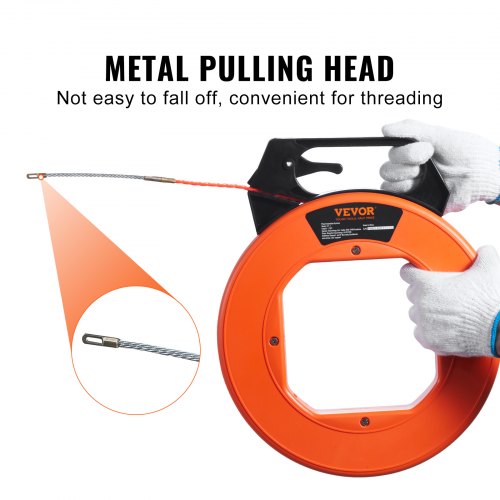
- One person pushes the fish tape through the wall
- The other pulls the wire gently behind the tape
- Stop if you feel resistance and check the wire path
Credit: www.vevor.com
Frequently Asked Questions
What Is A Fish Tape Used For In Wiring?
A fish tape is a tool used to pull electrical wires through walls, conduits, or tight spaces. It simplifies wiring by guiding cables where hands cannot reach, ensuring safe and efficient wire installation.
How Do You Use Fish Tape For Wire Pulling?
To use fish tape, insert it through the conduit until it reaches the other end. Attach the wire to the tape’s end, then carefully pull both back through the conduit, guiding the wire smoothly without damage.
What Materials Are Fish Tapes Made From?
Fish tapes are commonly made from steel, fiberglass, or nylon. Steel tapes are strong and rigid, fiberglass tapes resist corrosion, and nylon tapes are flexible for curved paths in wiring jobs.
Can Fish Tape Damage Electrical Wires?
If used properly, fish tape does not damage wires. Avoid pulling wires too hard or forcing the tape through tight bends to prevent insulation damage or wire breakage.
Conclusion
A fish tape is a helpful tool for pulling wires. It simplifies complex wiring tasks. This tool makes it easy to guide wires through walls. Using fish tape saves time and effort in wire installation. It helps avoid tangling and damaging wires.
Practice makes using fish tape easier over time. Always handle it carefully to ensure safety. Following these tips improves efficiency in wiring projects. Fish tape is essential for DIY enthusiasts and professionals alike. Embrace its convenience for your next project.