
When you work with pipes, rough edges can cause big problems. Sharp burrs can damage seals, make connections tricky, and even lead to leaks.
But here’s the good news: using a pipe deburring tool can fix these issues quickly and easily. Imagine how much smoother your projects will go when every pipe edge is perfectly clean and safe. If you want to save time, avoid costly mistakes, and get professional results every time, keep reading.
This guide will show you exactly how to use a pipe deburring tool for smooth, safe edges—no guesswork needed.
Why Deburring Matters
Using a pipe deburring tool removes rough edges from cut pipes. This process makes pipes safer and easier to use. Smooth edges help pipes fit better and last longer.
Deburring is important in plumbing, construction, and many other jobs. It prevents problems that rough edges can cause. Learning why deburring matters helps you work safely and well.
Safety And Functionality
Rough pipe edges can cause injuries like cuts or scrapes. A deburring tool removes these sharp parts. This makes handling pipes safer for workers.
- Prevents cuts during installation
- Reduces risk of pipe damage
- Makes pipe joints fit tightly
- Helps maintain pipe flow and pressure
Preventing Damage
Deburring stops damage to pipes and tools. Sharp edges can scratch or crack pipes. They can also wear down fittings and seals quickly.
| Damage Type | Cause | Effect |
| Pipe Cracks | Sharp edges pressing on fittings | Leaks and failure |
| Seal Wear | Rough edges cutting seals | Loss of tight seal |
| Tool Wear | Contact with jagged edges | Shorter tool life |

Credit: www.amazon.com
Types Of Pipe Deburring Tools
Pipe deburring tools help remove sharp edges from pipes. This makes pipe ends smooth and safe to handle.
There are different types of deburring tools. Each type works best for certain pipe materials and sizes.
Manual Deburring Tools
Manual deburring tools are simple hand tools. They work by scraping or cutting off rough edges on pipes.
These tools are easy to use and do not need power. They are good for small jobs and tight spaces.
- Hand-held deburring knives
- Deburring files
- Scrapers
Rotary Deburring Tools
Rotary deburring tools use spinning blades or brushes. They remove burrs quickly and smoothly.
These tools often need a drill or power tool to spin the blade. They work well for metal pipes.
- Drill-powered deburring cutters
- Rotary brushes
- Rotary files
Specialized Deburring Blades
Specialized deburring blades are made for specific pipe types. They fit pipe shapes for better results.
These blades are sharp and durable. They help create very smooth edges on plastic or metal pipes.
- Swivel deburring blades
- Replaceable blade inserts
- Curved or angled blades for hard-to-reach areas
Choosing The Right Tool
Using a pipe deburring tool helps make pipe edges smooth and safe. Picking the right tool is important for good results.
Different pipes need different tools. This guide helps you choose the best one for your project.
Material Compatibility
Not all deburring tools work with every pipe material. Some tools fit better with metal, plastic, or copper pipes.
Using the wrong tool can damage the pipe or wear out the tool fast. Match the tool to the pipe material for smooth edges.
- Metal pipes need strong, sharp blades.
- Plastic pipes require softer blades to avoid cracks.
- Copper pipes work well with rotary deburring tools.
- Some tools come with adjustable blades for multiple materials.
Pipe Size Considerations
Pipe size affects which deburring tool you should use. Small pipes need different tools than large pipes.
Choose a tool that fits the pipe diameter. This helps you remove burrs evenly around the edge.
- Small pipes use handheld deburring tools.
- Large pipes may require adjustable or power tools.
- Tools with replaceable blades work well for various sizes.
- Check the tool’s size range before buying.
Step-by-step Deburring Process
Using a pipe deburring tool helps remove rough edges from cut pipes. This makes the pipe safe to handle and fit properly.
Follow these steps to get smooth edges with a pipe deburring tool.
Preparing The Pipe
Start by inspecting the cut pipe for rough or sharp edges. Make sure the pipe is clean and dry before you begin.
If needed, use a cloth to wipe away any dirt or debris from the pipe surface.
Using The Tool Effectively
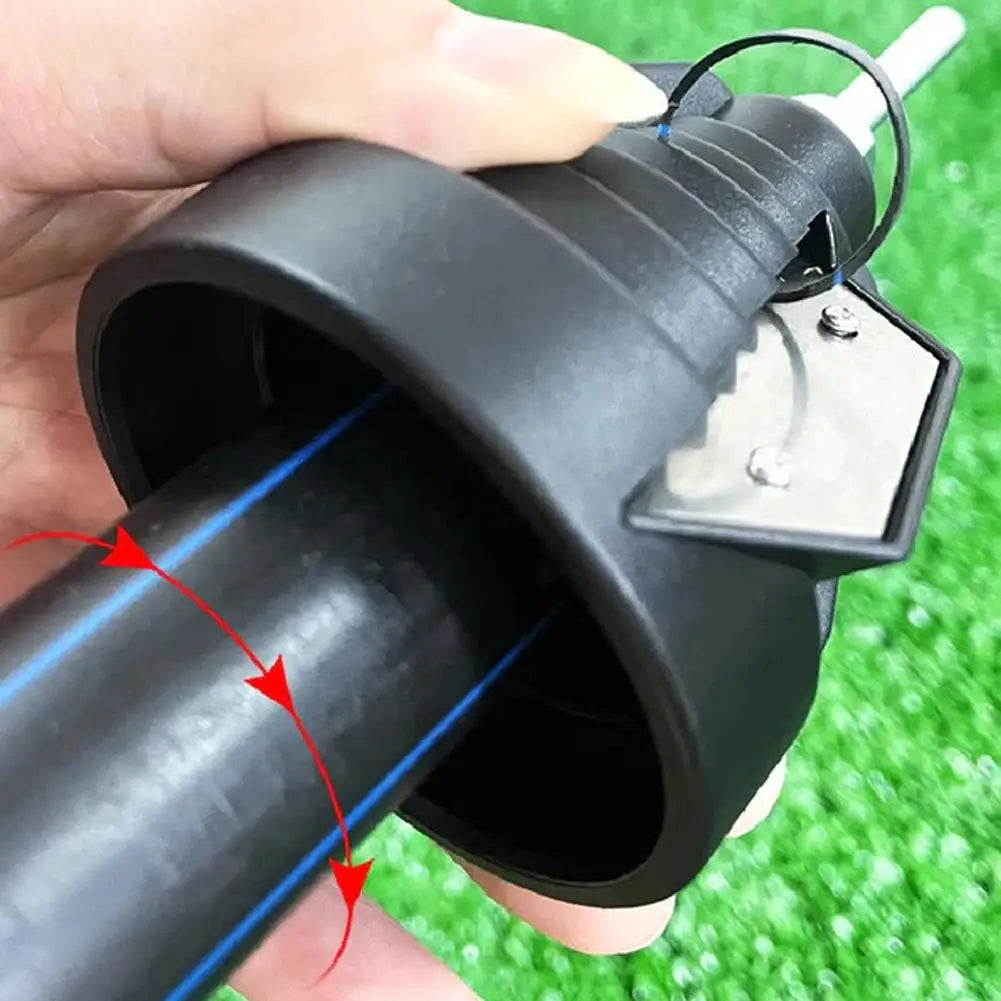
Insert the deburring tool into the pipe opening. Hold the pipe firmly with one hand.
Twist the tool around the inside edge of the pipe. Apply gentle pressure to remove burrs evenly.
- Turn the tool clockwise and counterclockwise
- Check progress often to avoid over-cutting
- Work on both inside and outside edges if needed
Finishing Touches
After deburring, wipe the pipe edges again to remove dust and small particles. Check that the edges are smooth to touch.
If any rough spots remain, repeat the deburring steps briefly until the edges feel even and safe.
Common Mistakes To Avoid
Using a pipe deburring tool helps create smooth edges on pipes. It also prevents injury and improves pipe fitting. Avoiding common mistakes makes the process safer and more effective.
Two frequent errors are over-deburring and ignoring safety precautions. Understanding these can save time and keep you safe.
Over-deburring
Removing too much material from pipe edges can cause problems. It weakens the pipe and may lead to leaks or breaks. Over-deburring also wastes time and tool life.
- Apply light pressure while using the tool.
- Check the edge often to avoid excess removal.
- Stop when the edge is smooth and free of sharp bits.
- Use the right deburring tool size for your pipe diameter.
- Avoid spinning the tool too fast or for too long.
Ignoring Safety Precautions
Safety must come first when using a pipe deburring tool. Ignoring safety can cause cuts, eye injuries, or other accidents. Proper protection and care reduce risks.
| Safety Precaution | Reason |
| Wear gloves | Protect hands from sharp edges and tool slips |
| Use safety glasses | Prevent debris from entering eyes |
| Work in a well-lit area | See edges clearly and avoid mistakes |
| Keep the tool clean | Ensure smooth operation and avoid jams |
| Hold the pipe firmly | Prevent slipping and loss of control |
Credit: www.intercyprus.com
Maintenance Tips For Deburring Tools
Using a pipe deburring tool helps create smooth edges on pipes. Proper care keeps the tool working well for a long time. Regular maintenance prevents damage and ensures safety during use.
Keep your deburring tool clean and store it properly. Replace blades when they become dull. These simple steps improve your tool’s performance and extend its life.
Cleaning And Storage
After each use, clean the deburring tool to remove metal shavings and dirt. Use a dry cloth or brush to clear debris from the blades and handle. Avoid water, which can cause rust.
- Wipe the tool with a dry cloth after use
- Use a small brush to clean hard-to-reach areas
- Store the tool in a dry place away from moisture
- Keep it in a protective case to avoid damage
Blade Replacement
Dull blades reduce the tool’s effectiveness and can cause rough edges. Replace blades regularly to maintain smooth cuts. Follow the manufacturer’s instructions for safe blade changes.
| Signs to Replace Blades | How to Replace Blades |
| Edges are rough or uneven | Loosen the blade screw with a screwdriver |
| Blade is chipped or cracked | Remove the old blade carefully |
| Cutting feels harder than usual | Install a new blade and tighten the screw |
| Visible wear on the blade edge | Test the tool on scrap pipe before use |
Expert Hacks For Perfect Edges
Using a pipe deburring tool helps create smooth and safe edges. Sharp edges can cause injuries and fitting problems.
With the right technique, you can finish pipes quickly and neatly. These hacks focus on controlling speed and using lubricants.
Speed And Pressure Control
Keep a steady speed when using the deburring tool. Too fast can damage the pipe edges. Too slow wastes time.
Apply gentle pressure to avoid deep cuts. Pressing too hard may leave rough spots or uneven edges.
- Turn the tool smoothly around the pipe
- Use even pressure during each rotation
- Check edges often to avoid over-deburring
- Adjust speed based on pipe material
Using Lubricants
Lubricants reduce friction between the tool and pipe. This helps the tool glide smoothly for cleaner edges.
Apply a small amount of lubricant before starting. It also protects the tool from wear and keeps it sharp longer.
- Use light oil or specialized deburring fluid
- Reapply lubricant if the tool feels dry
- Wipe off excess to prevent slipping
- Keep lubricant away from painted or coated surfaces

Credit: www.amazon.com
Frequently Asked Questions
What Is A Pipe Deburring Tool Used For?
A pipe deburring tool removes rough edges and burrs from cut pipes. This ensures smooth, safe pipe ends. It improves joint fitting and prevents damage during installation.
How Do You Use A Pipe Deburring Tool Safely?
Hold the pipe firmly and insert the tool into the cut edge. Rotate gently to remove burrs evenly. Avoid excessive force to prevent pipe damage or injury.
Can A Deburring Tool Work On All Pipe Materials?
Most deburring tools work on metal, plastic, and copper pipes. However, check the tool’s specifications for material compatibility to ensure effective deburring.
Why Is Deburring Pipe Edges Important?
Deburring prevents sharp edges that can cause injury or damage fittings. It ensures a secure and leak-free connection. Proper deburring enhances pipe longevity and system safety.
Conclusion
A pipe deburring tool ensures smooth and safe pipe edges. It reduces risks and enhances project quality. Easy to use and highly effective. Suitable for professionals and DIY enthusiasts alike. Invest in one for better results. Avoid jagged edges and potential injuries.
A small tool, yet a big help. Your projects deserve clean finishes. Make your work look professional and polished. Remember, smooth edges matter. Use the right tool for the job. Keep your projects safe and efficient. Proper tools make a difference.
Don’t overlook this essential step. Your hands and pipes will thank you.
