
Cutting PVC pipes can be tricky, especially when you want a clean cut without cracking or damaging the material. If you’ve ever struggled with jagged edges or broken pipes, you know how frustrating it can be.
But what if you could learn simple, effective techniques that save your pipes and your time? You’ll discover easy steps and expert tips to cut PVC pipes smoothly and safely. Keep reading, and you’ll never have to worry about cracked pipes again.
Choosing The Right Tools
Cutting PVC pipes needs the right tools to avoid cracks. Picking good tools helps make clean cuts fast and safe.
Knowing which tools work best can save time and prevent damage. This guide covers saws, blades, and safety gear.
Hand Saws Vs. Power Tools
Hand saws give more control and reduce cracking risk. They work well for small jobs or thin pipes.
Power tools cut faster but need steady hands. They suit big jobs but can cause cracks if used wrong.
- Hand saws: slower, precise, less crack risk
- Power tools: faster, require skill, higher crack risk
- Choose based on pipe size and your experience
Best Blades For Pvc
Use blades designed for plastic or PVC. Sharp blades cut cleanly and reduce cracking chances.
A fine-toothed blade works best. Avoid blades made for metal or wood because they can damage PVC.
- Fine-toothed saw blades for smooth cuts
- Carbide-tipped blades last longer and stay sharp
- Blade speed should be moderate to avoid melting
Essential Safety Gear
Wear safety gear to protect yourself from dust and sharp edges. Safety helps prevent injuries during cutting.
Use goggles to protect your eyes. Gloves keep your hands safe and a dust mask stops inhaling plastic dust.
- Safety goggles to shield eyes
- Cut-resistant gloves for hand protection
- Dust mask to avoid breathing particles
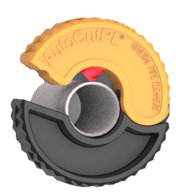
Credit: www.flowguardgold.com
Preparing The Pipe
Cutting PVC pipes without cracking needs good preparation. Taking care before cutting helps keep the pipe strong and smooth.
Preparing the pipe right will make the cutting process easier and safer. This guide covers measuring, securing, and cleaning the pipe.
Measuring And Marking
Measure the length you want to cut carefully. Use a tape measure for exact results. Mark the pipe with a pencil or marker.
Draw a straight line around the pipe. This line will guide your cut and help keep it even.
Securing The Pipe
Hold the pipe steady before cutting. Use a clamp or a vise to keep it from moving. This prevents slipping and cracking.
Make sure the pipe is not bent or under pressure. Support it fully to avoid stress on the plastic.
Cleaning The Surface
Clean the pipe surface before cutting. Remove dirt, dust, and grease with a cloth or rag. This helps the saw cut smoothly.
Check the pipe for any cracks or damage. Cutting a damaged pipe can cause it to break further.
Cutting Techniques
Cutting PVC pipes without cracking takes care and the right method. Using the proper techniques helps keep the pipe clean and strong. This guide covers simple ways to cut PVC smoothly.
Follow these methods to avoid cracks and get accurate cuts for your projects. Each approach fits different tools and situations.
Slow And Steady Approach
Cut the PVC pipe slowly to prevent cracking. Rushing can cause the pipe to split or break unevenly. Use a fine-toothed saw for better control.
- Mark the cutting line clearly on the pipe.
- Secure the pipe firmly to stop it from moving.
- Use slow, even strokes with the saw.
- Check the cut line often to stay accurate.
- Finish the cut gently to avoid chipping edges.
Using A Miter Box For Precision
A miter box helps make straight and angled cuts with ease. It guides the saw to stay on the mark and reduces the chance of mistakes. This tool works well for beginners and experts.
| Tool | Purpose |
| Miter Box | Keeps saw straight and guides angled cuts |
| Fine-Toothed Saw | Produces smooth cuts with less cracking |
| Clamp | Holds pipe steady during cutting |
Avoiding Common Mistakes
Many cracks happen from simple mistakes. Avoid these to keep your cuts clean and strong.
- Do not force the saw; let it cut naturally.
- Never use a dull blade as it can crack the pipe.
- Keep the pipe steady with clamps or a vise.
- Do not cut at an angle unless needed.
- Wear safety glasses to protect your eyes from debris.

Credit: www.youtube.com
Preventing Cracks And Splits
Cutting PVC pipes without causing cracks is important for a secure fit. Cracks and splits weaken the pipe and can cause leaks.
Using the right techniques helps keep the pipe strong and safe for use. Support, angle, and stress control are key factors.
Applying Support Around The Cut Area
Supporting the pipe near the cut point prevents bending and cracking. Use a firm surface or clamps to hold the pipe steady.
- Place the pipe on a flat, hard surface
- Use pipe clamps to hold it firmly
- Avoid pressing too hard to prevent damage
- Support both sides of the cutting line
Choosing The Right Cutting Angle
Cutting at a proper angle reduces stress on the PVC. A straight, clean cut lowers the chance of splitting.
| Cutting Angle | Effect on Pipe |
| 90 degrees (straight) | Best for clean cuts and less cracking |
| 45 degrees | May cause uneven edges and cracks |
| Slanted more than 45 degrees | Increases risk of splits and weak joints |
Managing Pipe Stress
Controlling pipe stress during cutting stops cracks from forming. Avoid bending or twisting the pipe.
Tips to manage stress on PVC pipes:
- Use steady, slow cutting motions
- Keep the pipe straight and supported
- Do not force the saw or cutter
- Allow the pipe to cool if it gets warm
Finishing The Cut
After cutting PVC pipes, the edges may be rough or sharp. Finishing the cut properly ensures a clean, safe pipe end. This helps prevent damage and makes installation easier.
Use simple tools and techniques to smooth the pipe edges. Check for any cracks or damage before using the pipe. Follow these steps to finish your PVC pipe cut.
Sanding And Smoothing Edges
Sand the cut edges with fine-grit sandpaper. This removes rough spots and sharp edges. Hold the pipe steady and sand evenly around the edge.
- Use 120 to 220 grit sandpaper for best results.
- Sand in a circular motion around the pipe’s edge.
- Check the edge by running your finger to feel smoothness.
- Remove any dust with a clean cloth after sanding.
Removing Burrs
Burrs are small plastic bits left from cutting. Removing burrs prevents blockages and helps fittings fit better. Use a deburring tool or a sharp knife carefully.
| Tool | Purpose | Tip |
|---|---|---|
| Deburring tool | Removes inside and outside burrs | Rotate tool gently inside the pipe end |
| Utility knife | Trims small burrs manually | Cut away from your body for safety |
| File | Smooths rough edges | Use light strokes along the edge |
Checking For Damage
Inspect the cut pipe for cracks or splits. Damage can cause leaks or pipe failure. Look closely under good light and gently press the pipe edges.
- Check both inside and outside the pipe end.
- Look for any signs of cracking or stress.
- Replace the pipe if you find any damage.
- Test fit the pipe with its connector before use.
Advanced Tips
Cutting PVC pipes can be tricky because they might crack. Using advanced tips helps make clean cuts without damage. These tips focus on special techniques and tool care.
Follow these ideas to cut PVC pipes smoothly and keep your tools in good shape for future jobs.
Using Heat To Soften Pipes
Applying heat makes PVC pipes softer and easier to cut. Warm pipes reduce the chance of cracking during cutting. Use a heat gun or warm water to soften the pipe.
Do not overheat the pipe. Too much heat can melt or warp it. Heat gently and evenly before cutting.
- Use a heat gun at low settings
- Hold heat source 6-8 inches away
- Warm pipe for 1-2 minutes
- Test softness by gently pressing pipe
Cutting Thick Or Large Diameter Pipes
Thick and large PVC pipes need special care. Cutting them too fast can cause cracks or uneven edges. Use a saw designed for plastic or a pipe cutter for large sizes.
Make slow, steady cuts. Support the pipe well to prevent bending. Mark the cut line clearly before starting.
- Choose a fine-toothed saw or ratchet pipe cutter
- Secure the pipe on a stable surface
- Cut slowly to avoid stress on pipe
- Use a file to smooth rough edges after cutting
Maintaining Tools For Best Performance
Clean and sharpen your cutting tools regularly. Dull blades cause uneven cuts and increase pipe damage risk. Proper tool care saves time and money.
Store tools in a dry place. Check for damage before use. Replace blades when they become dull or bent.
- Clean blades after each use
- Sharpen blades with a file or sharpening tool
- Inspect tools for cracks or wear
- Lubricate moving parts to prevent rust

Credit: www.phcppros.com
Frequently Asked Questions
How Do I Cut Pvc Pipes Without Cracking Them?
To cut PVC pipes without cracking, use a sharp PVC cutter or fine-toothed saw. Score the pipe gently before cutting. Avoid applying too much pressure to prevent cracks. Cut slowly and steadily for a clean edge.
What Tools Work Best For Cutting Pvc Pipes?
The best tools for cutting PVC pipes are PVC pipe cutters, hacksaws, or miter saws with fine blades. These tools ensure smooth cuts without cracking. Avoid dull blades or excessive force to keep the pipe intact.
Can I Cut Pvc Pipes With A Hand Saw?
Yes, you can cut PVC pipes with a fine-toothed hand saw. Use slow, steady strokes and avoid forcing the saw. Score the pipe lightly before cutting to reduce cracking risk and achieve a clean cut.
How To Prevent Pvc Pipes From Cracking During Cutting?
Prevent cracking by securing the pipe firmly and using sharp tools. Score the pipe’s surface before cutting. Cut slowly and avoid bending the pipe. Proper support and careful handling reduce stress and prevent cracks.
Conclusion
Cutting PVC pipes can be simple with the right tools. Always measure twice to ensure accuracy. Choose a saw or cutter suited for PVC. Make sure your blade is sharp and clean. This helps prevent cracking. Steady hands make a difference.
Practice makes perfect. Remember, safety first. Wear goggles and gloves when cutting. Clean cuts mean better fits. Proper technique saves time and materials. Enjoy your DIY projects with confidence. Now you’re ready to tackle your next PVC task. Keep these tips in mind for smooth, clean cuts.
Happy cutting!
