If you’re serious about woodworking, you know that having the right clamps can make all the difference. Choosing the perfect woodworking clamps isn’t just about holding pieces together—it’s about making your work easier, faster, and more precise.
But with so many types and sizes out there, how do you pick the ones that fit your projects best? This guide will help you understand exactly what to look for, so you can boost your craftsmanship and avoid costly mistakes.
Ready to find the clamps that will transform your woodworking experience? Keep reading.

Credit: www.axminstertools.com
Types Of Woodworking Clamps
Woodworking clamps hold pieces of wood tightly. They help wood stay in place while working.
There are different clamps for different jobs. Knowing the types helps pick the right one.
Bar Clamps
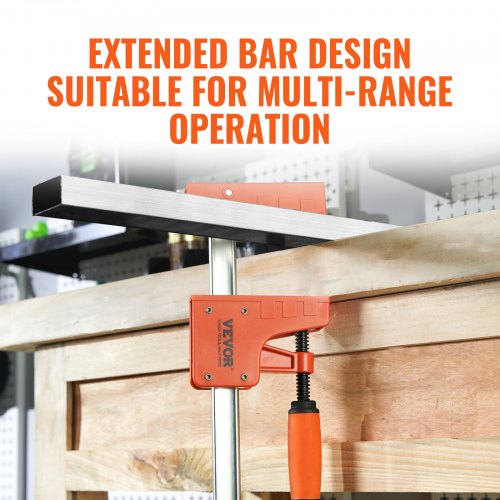
Bar clamps have a long metal bar and two jaws. One jaw is fixed, the other moves to hold wood.
They are good for wide or large pieces. You can adjust the size to fit the wood.
- Strong grip for large projects
- Adjustable length
- Good for gluing panels
C-clamps
C-clamps look like the letter “C”. They have a screw that tightens to hold the wood.
They are useful for small to medium tasks. They work well in tight spaces.
- Strong and simple design
- Good for metal and wood
- Easy to carry
Spring Clamps
Spring clamps use a strong spring to hold wood. They open wide and close quickly.
These clamps are handy for light jobs. They are quick to use and easy to move.
- Fast clamping action
- Good for small pieces
- Lightweight and portable
Pipe Clamps
Pipe clamps use a pipe as the bar. You can add longer pipes for bigger projects.
They are very strong and flexible. You can change the pipe length to fit the work size.
- Adjustable length with pipes
- Strong and sturdy hold
- Great for wide panels
Corner Clamps
Corner clamps hold two pieces of wood at a right angle. They keep corners square.
They are useful for frames and boxes. They make sure corners are tight and accurate.
- Holds 90-degree angles firmly
- Good for picture frames
- Makes assembly easier
Materials And Build Quality
Choosing the right woodworking clamps means understanding their materials and build quality. Good clamps hold wood firmly without damage.
Strong materials and smart design help clamps last longer and work better. This guide covers key factors to check.
Steel Vs Plastic
Steel clamps are very strong and can handle heavy pressure. They hold parts tightly and last for years.
Plastic clamps are lighter and easier to carry. They cost less but may break under high stress. Choose plastic for light tasks.
Grip Pads And Protection
Grip pads protect wood from scratches and dents. They help clamps hold tight without damage.
- Rubber pads offer good grip and cushion.
- Plastic pads are hard but prevent marks.
- Leather pads provide soft protection for delicate wood.
- Replaceable pads extend clamp life.
Durability Factors
| Factor | Effect on Clamps |
| Material Quality | Strong steel resists bending and rust |
| Build Design | Simple, sturdy parts reduce breakage |
| Finish | Powder coating or paint stops rust |
| Moving Parts | Smooth threads and joints last longer |
Choosing The Right Size
Choosing the right size woodworking clamp is important for a strong hold. The clamp must fit your project pieces well. If it is too small or too large, it can cause problems.
Knowing the clamp’s size details helps you pick one that works best. Three key factors to check are jaw capacity, throat depth, and your project needs.
Jaw Capacity
Jaw capacity is the maximum width the clamp can open. This size determines what size boards or materials you can hold. Measure your widest piece before buying clamps.
- Small clamps: jaw capacity under 6 inches for light work
- Medium clamps: jaw capacity 6 to 12 inches for general use
- Large clamps: jaw capacity over 12 inches for big projects
Throat Depth
Throat depth is the distance from the clamp’s edge to the jaw’s center. It shows how far the clamp can reach inside your workpiece. Deeper throat clamps hold pieces in the center well.
| Throat Depth | Use Case |
|---|---|
| 2 to 3 inches | Small corners and edges |
| 4 to 6 inches | Most woodworking tasks |
| 7 inches and above | Large panels and deep joints |
Project Requirements
Your project type helps decide clamp size. Thin wood needs smaller clamps. Big frames or furniture need bigger ones. Think about pressure and reach needed.
Use this quick guide to match clamps to your project:
- Small crafts:Use clamps with jaw capacity under 8 inches and shallow throat depth.
- Furniture making:Choose clamps with wide jaw capacity and deep throat for large pieces.
- Panel assembly:Look for clamps with medium to large jaw capacity and medium throat depth.
Grip Strength And Pressure Control
Using the right grip strength and controlling pressure are key in woodworking clamps. These help hold pieces firmly without damage.
Understanding how to adjust force and keep steady pressure makes your work cleaner and easier.
Adjusting Clamping Force
Different projects need different clamping forces. Tightening too much can hurt the wood. Too little, and the pieces will slip.
- Start with a light grip and test the hold.
- Increase pressure slowly until the pieces stay firm.
- Use clamps with adjustable screws for better control.
- Check the clamp regularly during drying or gluing.
Avoiding Damage To Wood
Protect wood surfaces from dents and marks by using pads or scrap wood between clamp and workpiece.
| Clamp Type | Protection Method | Pressure Level |
|---|---|---|
| Bar Clamp | Use soft pads or leather strips | Medium |
| C-Clamp | Place wooden blocks under jaws | Low to Medium |
| Spring Clamp | Rubber tips or tape on jaws | Low |
Consistent Pressure Tips
Keeping pressure steady avoids shifting and gaps in your project. Here are some tips to keep clamps balanced:
- Use multiple clamps spaced evenly along the workpiece.
- Tighten clamps gradually in a crisscross pattern.
- Check pressure often during glue drying time.
- Choose clamps with built-in pressure indicators.
Special Features To Consider
Choosing the right woodworking clamps means looking at features that make your work easier. These features help you hold pieces firmly without damage.
This guide explains important clamp features to think about before buying.
Quick-release Mechanisms
Quick-release mechanisms let you open and close clamps fast. They save time and effort during projects. You can adjust clamps with one hand.
- Speed up clamp placement and removal
- Improve workflow with easy adjustments
- Reduce hand strain with simple release
Swivel Pads
Swivel pads help clamps fit uneven surfaces. They turn to match angles and protect wood from marks. This keeps your workpieces safe.
| Benefit | Details |
| Adjusts to angles | Pads rotate to hold irregular shapes tightly |
| Prevents damage | Soft pads stop dents and scratches on wood |
| Improves grip | Better contact reduces slipping during clamping |
Ergonomic Handles
Ergonomic handles fit the hand comfortably. They reduce fatigue during long use. You get better control and stronger grip with less effort.
- Soft grip materials to avoid slipping
- Shaped handles that match hand curves
- Designs that reduce pressure points
Maintenance And Care
Taking care of woodworking clamps helps them last longer. Proper maintenance keeps clamps working smoothly and safely.
Regular cleaning, lubrication, and smart storage prevent damage and rust. These simple steps save money on replacements.
Cleaning Tips
Remove dust, glue, and dirt after each use. Clean clamps prevent buildup that can block movement.
- Wipe clamps with a dry cloth after use
- Use mild soap and water for sticky residue
- Dry clamps fully to avoid rust
- Clean screw threads with a brush
Lubrication
Lubricate moving parts to keep clamps working smoothly. Lack of lubrication causes stiffness and wear.
| Part | Lubricant Type | Frequency |
| Screw threads | Light machine oil | Monthly |
| Sliding bars | Silicone spray | Every 2 months |
| Pivot joints | Grease or oil | Monthly |
Storage Solutions
Store clamps in a dry, clean place to avoid damage. Organized storage saves time and prevents accidents.
- Hang clamps on wall racks to save space
- Keep clamps off damp floors to prevent rust
- Group clamps by size and type for easy access
- Use protective covers for delicate clamp surfaces
Budget And Value
Choosing the right woodworking clamps depends on your budget and the value you want. Clamps come in many prices and qualities. Finding a balance helps you save money and get good results.
This guide looks at cost, quality, and when to spend more. It also shows some good budget clamp options for beginners and hobbyists.
Balancing Cost And Quality
Cheap clamps may save money but can break easily. High-quality clamps last longer but cost more. Think about how often you will use them. Quality matters if you work on big projects or sell your work.
| Price Range | Quality Level | Best Use |
| Low | Basic | Light projects, occasional use |
| Medium | Good | Regular hobby work, moderate projects |
| High | Professional | Heavy use, fine woodworking |
Best Budget Picks
Look for clamps that offer decent strength and durability at a low price. Some brands make affordable clamps with good reviews. These work well for beginners or small tasks.
- Spring clamps with firm grip and plastic tips
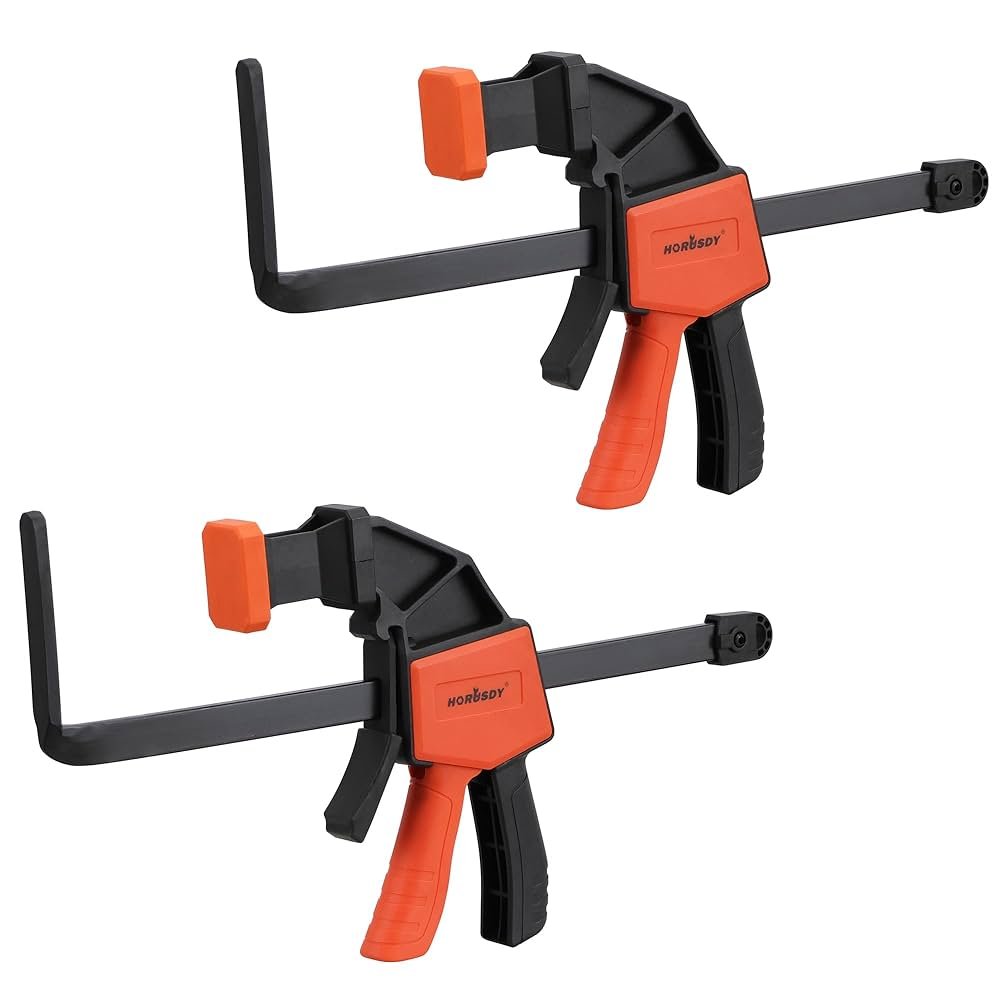
- Quick-release bar clamps for easy adjustment
- Basic C-clamps made of steel for tight holds
- Plastic pipe clamps for long boards
When To Invest More
Buy premium clamps if you plan to work often or on detailed projects. Stronger materials and better design prevent slipping and damage. Spending more can save money over time by avoiding replacements.
- Choose cast iron or steel clamps for durability
- Pick clamps with smooth, adjustable pressure
- Invest in a variety of clamp sizes and types
- Look for brands with good warranties
Credit: www.vevor.com

Credit: www.rockler.com
Frequently Asked Questions
What Types Of Woodworking Clamps Are Essential?
Essential woodworking clamps include bar clamps, C-clamps, spring clamps, and pipe clamps. Each serves different purposes like holding, gluing, or securing wood pieces precisely during projects.
How Do I Choose The Right Clamp Size?
Choose clamp size based on the project’s dimensions. Larger clamps hold bigger pieces, while smaller clamps work for delicate or detailed tasks. Consider clamp throat depth and jaw opening for better fit.
Can Woodworking Clamps Damage My Wood Projects?
Yes, clamps can leave marks or dents if over-tightened. Use protective pads or apply moderate pressure to avoid damaging your wood surface during clamping.
Why Is Clamp Pressure Important In Woodworking?
Proper clamp pressure ensures secure holding without damaging wood. Too little pressure causes slipping; too much can crush or deform wood joints, affecting project quality and durability.
Conclusion
Selecting the right woodworking clamps is crucial for quality work. Consider the type, size, and material for each project. Ensure they fit your specific needs and preferences. Durable clamps can improve safety and efficiency. Remember, investing in the right tools saves time and effort.
Test clamps before purchasing, if possible. This ensures the best fit for your tasks. Research and compare options to find the best deals. An informed decision leads to better woodworking results. Choose wisely for smooth and enjoyable woodworking experiences.