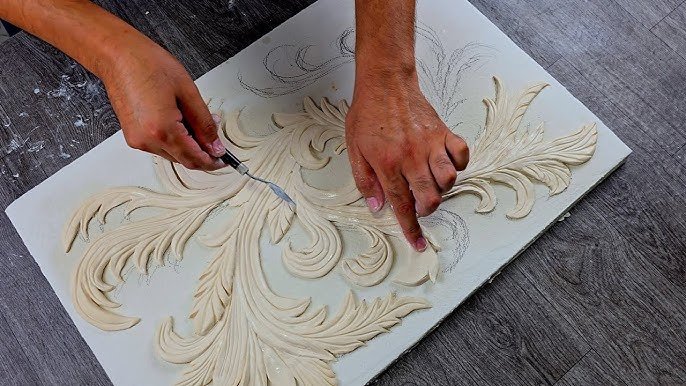
Have you ever wanted to add a personal touch to your home or gifts by creating beautiful carved patterns? Carving decorative patterns is a skill that anyone can learn, and it’s easier than you might think.
Imagine turning ordinary wood, pumpkins, or even soap into stunning pieces of art that catch everyone’s eye. In this guide, you’ll discover simple steps and tips that will help you carve like a pro, even if you’ve never held a carving tool before.
Ready to unleash your creativity and impress your friends with your handiwork? Let’s dive in and make your ideas come to life!

Credit: www.youtube.com
Choosing The Right Materials
Carving decorative patterns needs the right materials. Choosing good wood and tools helps create better designs.
This guide covers wood types, tools, and workspace tips to start carving with ease.
Selecting Suitable Wood Types
Pick wood that is soft and easy to carve for beginners. Some woods work better for detailed patterns.
- Basswood: Soft and fine-grained, good for detailed work
- Pine: Affordable and easy to find, but has knots
- Butternut: Light color and soft texture
- Cherry: Harder wood with a smooth finish
- Mahogany: Durable and rich in color
Essential Tools For Carving
Having the right tools makes carving easier and safer. Basic tools cover most projects.
| Tool | Use | Notes |
| Carving knives | Cutting shapes | Keep blades sharp |
| Gouges | Removing large wood areas | Different sizes for detail |
| V-tools | Making lines and fine details | Good for patterns |
| Mallet | Tap tools gently | Use for hard woods |
| Sharpening stone | Keep tools sharp | Sharpen regularly |
Preparing Your Workspace
A clean and safe workspace helps focus. Arrange tools and wood for easy reach.
Keep these tips in mind for your workspace:
- Use a sturdy table with good lighting
- Wear safety gloves and goggles
- Keep a first aid kit nearby
- Organize tools in containers or racks
- Work in a well-ventilated area
Basic Carving Techniques
Carving decorative patterns takes patience and simple skills. Learning the basics helps you create beautiful designs on wood or other materials.
This guide covers how to hold your tools, make simple cuts, and stay safe while carving.
Holding The Tools Correctly
Hold your carving tools firmly but not too tight. Use your dominant hand for control and your other hand to guide the tool. Keep your fingers away from the cutting edge.
- Grip the handle near the blade for better control.
- Rest your hand on the work surface for stability.
- Keep your wrist straight to avoid strain.
- Use smooth, steady pressure when moving the tool.
Simple Cuts And Strokes
Start with basic cuts like straight, curved, and angled lines. Practice small strokes before trying larger cuts. Always carve away from your body.
| Cut Type | Description | Use |
|---|---|---|
| Straight Cut | A simple line cut in one direction. | Outline shapes and borders. |
| Curved Cut | A smooth, rounded cut following a curve. | Create flowing patterns and details. |
| V-Cut | A narrow cut shaped like the letter V. | Add texture and sharp lines. |
Safety Tips For Beginners
Safety is important to avoid injuries while carving. Use the right tools and protect your hands.
- Always carve away from your body and hands.
- Wear a carving glove on your guiding hand.
- Keep your tools sharp; dull tools slip easily.
- Work in a well-lit area.
- Take breaks to avoid hand fatigue.
Designing Your Pattern
Carving decorative patterns starts with a good design. A clear pattern helps guide your carving tools. Planning your design saves time and reduces mistakes.
Use ideas and tools to create a pattern that fits your project. This section covers where to find inspiration, how to sketch, and ways to transfer your design to wood.
Inspiration Sources
Look for ideas before drawing your pattern. Inspiration comes from many places and helps you find a style you like.
- Nature: leaves, flowers, and animals
- Architecture: shapes from buildings and windows
- Traditional art: cultural and folk patterns
- Books and magazines about woodworking
- Online galleries and photo collections
Sketching Your Design
Draw your pattern on paper first. Sketching helps you see how the design fits the wood piece.
| Sketching Tips | Why It Helps |
| Use simple shapes | Keeps design clear and easy to carve |
| Draw lightly | Makes changes easy without mess |
| Try different sizes | Find the best fit for your wood |
| Keep symmetry in mind | Balances the design visually |
Transferring Patterns To Wood
Move your design from paper to the wood surface. This step is important for accuracy in carving.
Common methods to transfer patterns include:
- Using carbon paper to trace the design
- Drawing directly on wood with a pencil
- Cutting the pattern into stencil paper
- Printing and gluing the design, then carving along edges

Credit: www.youtube.com
Step-by-step Carving Process
Carving decorative patterns requires patience and precision. This guide explains the process clearly.
Follow these steps to create beautiful designs on wood. Each stage builds on the last for great results.
Outlining The Pattern
Start by drawing your pattern on the wood surface. Use a pencil or fine marker for clear lines.
- Choose a simple design to begin with
- Sketch lightly to allow corrections
- Use rulers or stencils for straight edges
- Check that the pattern fits the wood size
Removing Background Wood
After outlining, remove the wood around the pattern. This makes the design stand out.
- Use a chisel or gouge to cut away excess wood
- Work slowly to avoid damaging the pattern lines
- Clear debris often to see progress
- Shape the background to a uniform depth
- Sand the background for a smooth finish
Adding Details And Textures
Focus on small details to bring your pattern to life. Textures add depth and interest.
| Tool | Use |
|---|---|
| Veiner | Create thin lines and fine details |
| V-tool | Make sharp grooves and edges |
| Riffler | Add textures and smooth small areas |
| Sandpaper | Refine surfaces and soften edges |
Apply textures carefully and test tools on scrap wood first. This prevents mistakes on your main piece.
Finishing Touches
Finishing touches make your carved patterns look polished and complete. These steps protect your work and enhance its beauty.
Taking time with the final details improves the overall quality of your carving. It also helps your design last longer.
Sanding And Smoothing
Sanding removes rough spots and sharp edges on your carving. Use fine-grit sandpaper for a smooth finish.
Sand gently in the direction of the grain to avoid scratches. Check all carved areas carefully for bumps.
- Start with medium-grit sandpaper to shape the surface.
- Switch to fine-grit sandpaper for a smooth feel.
- Use small sanding tools for tight spaces.
- Wipe away dust with a soft cloth after sanding.
Applying Stains And Paints
Stains and paints add color and highlight your carved patterns. Choose colors that match your style.
Apply stains with a brush or cloth. Let the stain soak in before wiping off extra. Paints cover more and give a solid color.
- Test colors on a scrap piece first.
- Apply thin layers for even coverage.
- Let each layer dry fully before adding more.
- Use a fine brush for detailed areas.
Protective Coatings
Protective coatings shield your carving from damage and wear. They keep the wood safe from moisture and dirt.
Choose finishes like varnish, lacquer, or wax. Apply coatings in thin, even layers for best results.
- Use a clean brush or cloth to apply coating.
- Allow each coat to dry completely before adding another.
- Lightly sand between coats for smoothness.
- Apply multiple coats for stronger protection.

Credit: www.numberanalytics.com
Common Mistakes To Avoid
Carving decorative patterns can be very rewarding. It needs careful attention and patience.
Avoiding common mistakes helps you get cleaner and safer results. Let’s look at some errors to watch out for.
Overcutting And Splintering
Cutting too deep or too wide can damage your design. It may cause the wood to splinter or break.
Take light cuts and build your pattern slowly. This way, you keep control and reduce splintering.
- Use sharp tools for clean cuts
- Cut with the grain of the wood
- Make several shallow passes instead of one deep cut
Ignoring Tool Maintenance
Dull or dirty tools make carving harder and less safe. They can cause rough cuts and slips.
Keep your tools sharp and clean before starting. Regularly check for damage and fix it promptly.
- Sharpen blades often
- Clean tools after each use
- Store tools in a dry place
Rushing The Process
Hurrying causes mistakes and accidents. It also lowers the quality of your patterns.
Take your time to plan and carve carefully. Slow work leads to better and safer results.
- Draw your pattern clearly before carving
- Work in a well-lit, calm environment
- Take breaks to avoid fatigue
Advanced Tips For Stunning Designs
Carving decorative patterns can turn simple materials into art. This guide shares advanced tips to help you create stunning designs.
Try new techniques and ideas to make your carvings stand out. Experimenting is key to improving your skills.
Layering Techniques
Layering adds depth and detail to your carvings. It involves carving different levels or sections to create a 3D effect.
- Start with a base layer and carve larger shapes first.
- Add middle layers with smaller details.
- Finish with fine lines or textures on the top layer.
- Use different depths to make patterns pop visually.
- Sand edges gently for smooth transitions between layers.
Combining Carving With Other Crafts
Adding other crafts can enhance your carved pieces. Try mixing carving with painting, staining, or inlay work.
| Craft | Effect | Tip |
| Painting | Adds color and contrast | Use thin brushes for details |
| Staining | Highlights wood grain | Apply lightly for natural look |
| Inlay | Creates striking patterns | Use contrasting materials |
| Burning | Enhances texture and shading | Test on scrap wood first |
Experimenting With Different Styles
Trying various styles helps you find your unique carving look. Explore traditional, abstract, or modern designs.
Here are some style ideas to try:
- Traditional:Use classic motifs like leaves and flowers.
- Abstract:Play with shapes and lines without strict rules.
- Modern:Focus on clean, simple patterns with bold cuts.
- Geometric:Combine shapes like triangles and circles for sharp designs.
Frequently Asked Questions
What Tools Are Essential For Carving Decorative Patterns?
Essential tools include carving knives, gouges, chisels, and mallets. Sandpaper and safety gear like gloves and goggles are also important. Quality tools ensure precision and safety when creating detailed patterns on wood or other materials.
Which Materials Work Best For Decorative Carving?
Softwoods like basswood and pine are ideal for beginners. Hardwoods like oak and walnut offer durability for advanced projects. Choose materials based on your skill level and the complexity of the design.
How Do I Start A Simple Decorative Carving Pattern?
Begin by sketching your design on the material. Use basic tools to outline and slowly carve along the lines. Practice control and patience to avoid mistakes and achieve clean edges.
What Safety Tips Should I Follow When Carving Patterns?
Always wear gloves and eye protection. Keep tools sharp to reduce slipping risks. Work in a well-lit, clutter-free area and carve away from your body for safety.
Conclusion
Creating decorative patterns is a rewarding skill. Practice makes patterns perfect. Start with simple designs. Gradually, try more complex carvings. Use the right tools for best results. Remember safety while carving. It helps prevent accidents. Mistakes happen. Learn and improve from them.
Keep your creativity flowing. Share your work with friends. Enjoy the carving process. It’s both fun and relaxing. Decorative patterns can beautify any space. Your carved designs make unique gifts. Keep experimenting and honing your skills. Carving is an art.
It’s your canvas.
