You rely on your power planer to get the job done quickly and smoothly. But have you ever stopped to think about how well you’re taking care of it?
Proper maintenance is the key to keeping your power planer running like new for years. If you want to avoid costly repairs and frustrating downtime, this guide is for you. Keep reading to discover simple, effective tips that will help you protect your investment and get the best performance every time you use your tool.
Your power planer deserves the best care, and you deserve peace of mind.
Choosing The Right Power Planer
Choosing a power planer is an important first step for long tool life. The right planer fits your needs and helps maintain wood surfaces well.
Consider what type of work you will do and how often you will use the tool. This helps pick the right features and budget range.
Types Of Power Planers
Power planers come in different types to suit various woodworking tasks. Choose based on the size of your projects and your skill level.
- Handheld Planers:Portable and good for small to medium jobs. Easy to control and carry.
- Bench Planers:Fixed on a workbench for larger, precise tasks. Best for heavy-duty use.
- Electric Planers:Powered by electricity for continuous work. They can be handheld or bench models.
- Cordless Planers:Battery-operated for mobility. Ideal for work sites without power access.
Features To Look For
Good features make the planer safer and easier to use. They also help keep the tool in good condition longer.
| Feature | Benefit |
| Adjustable Cutting Depth | Allows precise control of how much wood is removed. |
| Ergonomic Handles | Reduces hand fatigue during long use. |
| Dust Collection Port | Helps keep the workspace clean and protects the tool. |
| Sharp Blades | Ensures smooth cuts and reduces strain on the motor. |
| Variable Speed Control | Matches the speed to the material type for better results. |
Budget Considerations
Set a budget before buying a power planer. This helps narrow down choices and avoid overspending.
- Basic models cost less but may lack advanced features.
- Mid-range planers offer a good balance of price and quality.
- High-end models last longer and have better parts but cost more.
- Consider repair and blade replacement costs in your budget.
Daily Maintenance Tasks
Taking care of your power planer every day helps it last longer. Simple daily tasks keep it running well and safe to use.
Follow these easy steps after each use to keep your tool in top shape. Regular attention prevents damage and costly repairs.
Cleaning After Use
Clean your power planer every time you finish using it. Dust and wood chips can clog the machine and reduce its performance.
- Unplug the planer before cleaning.
- Use a brush to remove dust from blades and vents.
- Wipe the outside with a dry cloth.
- Check the dust bag or collection system and empty it.
Checking Blades
Blades need to be sharp and free of damage for smooth cuts. Check them daily to avoid poor results or motor strain.
| Blade Condition | Action Needed |
| Dull or chipped | Sharpen or replace blades |
| Clean and sharp | Ready for use |
| Loose | Tighten screws firmly |
Lubricating Moving Parts
Lubricate the moving parts to reduce friction and wear. Use the right oil or grease as recommended by the manufacturer.
Follow this daily lubrication checklist:
- Unplug the planer before starting.
- Apply lubricant to the blade drum bearings.
- Grease the adjustment knobs and levers.
- Wipe off any excess oil to avoid dirt build-up.
Blade Care And Replacement
Taking care of your power planer blades helps your tool last longer. Clean and sharp blades make your work easier and safer.
Regular maintenance prevents damage and keeps the planer working well. Learn the best ways to sharpen, replace, and store blades.
Sharpening Techniques
Keep your blades sharp for smooth cuts. Use a sharpening stone or a grinding wheel to sharpen the edges carefully.
Hold the blade at the correct angle while sharpening. Move the blade evenly to avoid uneven edges and damage.
- Clean blades before sharpening to remove dirt and resin
- Use fine grit stones for a smooth finish
- Check blade angle in the user manual
- Sharpen both sides evenly
- Wear safety gloves during sharpening
When To Replace Blades
Replace blades if they are too dull or damaged. Blades that chip or bend can harm your work and tool.
Look for signs like rough cuts, burning wood, or blade wobble. These indicate the blade needs replacement.
- Blades with deep chips or cracks
- Blades that won’t sharpen well anymore
- Blades causing uneven or rough surfaces
- Blades bending during use
Blade Storage Tips
Store blades in a dry, safe place to avoid rust and damage. Use blade covers or cases to protect the edges.
Keep blades separate from other tools to prevent nicks. Label stored blades to know their condition and type.
- Use plastic or wooden blade guards
- Keep blades in a dry box or toolbox
- Label blades with sharpening date
- Avoid stacking blades directly on each other
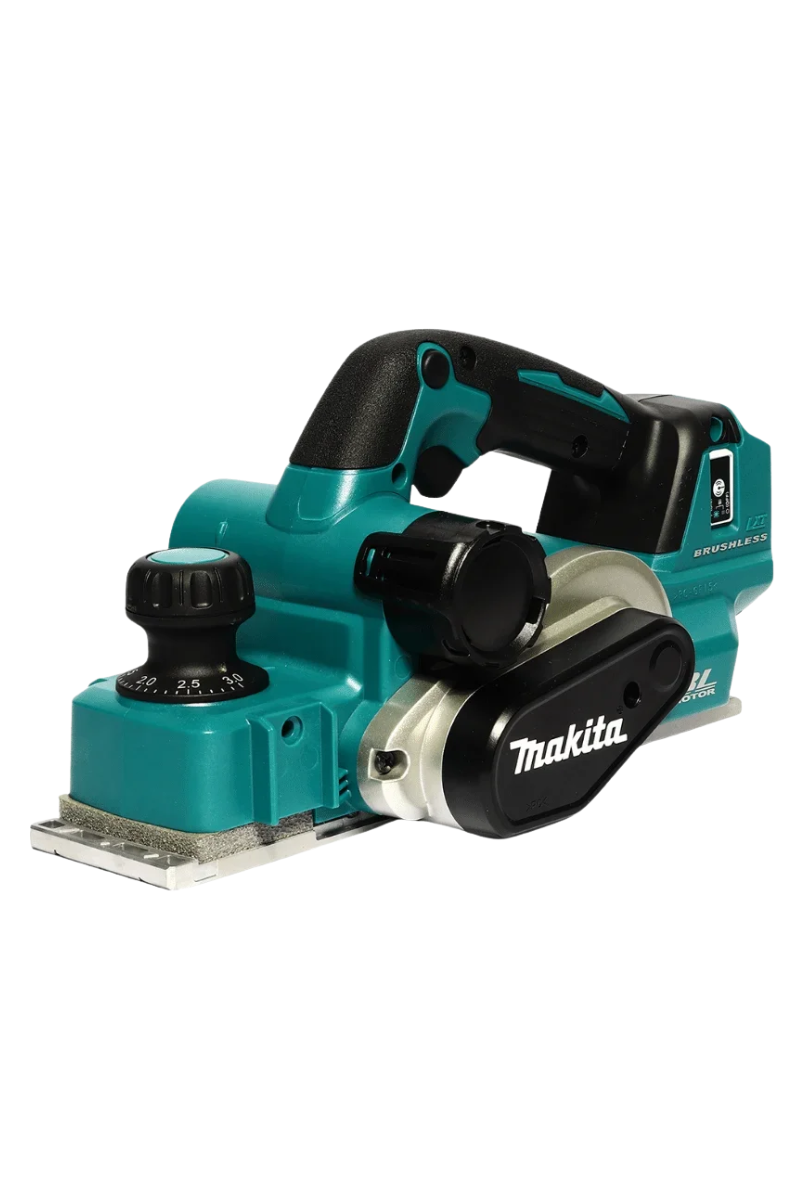
Credit: www.hardman.co.th
Proper Storage Practices
Storing your power planer correctly helps keep it working well for many years. Good storage stops damage and makes it ready for your next use.
We will look at the best ways to store a power planer. This includes the right place, keeping it clean, and using covers or cases.
Ideal Storage Conditions
Keep your power planer in a dry, cool place away from direct sunlight. Avoid places with high heat or dampness to stop rust and damage.
- Store in a room with stable temperature
- Keep away from water or damp floors
- Place on shelves or workbenches, not on the ground
- Ensure good air circulation around the tool
Protecting From Dust And Moisture
Dust and moisture can harm the power planer’s motor and blades. Clean the tool before storing it to keep it safe.
| Tip | How to Do It |
| Remove dust | Use a dry brush or compressed air |
| Dry tool | Wipe with a dry cloth before storing |
| Use silica gel | Place packets in the storage area to absorb moisture |
| Cover tool | Use a cloth or plastic cover to block dust |
Using Protective Cases
A sturdy case protects the power planer from shocks and dirt. Use the case designed for your model or a similar-sized box.
- Choose a hard case with foam padding
- Keep all accessories in the case to avoid loss
- Label the case for easy identification
- Store the case in a safe, dry place
Troubleshooting Common Issues
Power planers are useful tools but can have common problems. Fixing these issues helps keep the tool working longer.
Knowing how to troubleshoot saves time and avoids costly repairs. Here are some tips for common problems.
Dealing With Jamming
Jamming happens when wood chips or debris block the blades. This stops the planer from working smoothly.
Clear the jam by turning off and unplugging the planer. Remove the debris carefully with a brush or stick.
- Use sharp blades to reduce jamming
- Feed wood at a steady, slow speed
- Keep the planer clean after each use
Motor Overheating Solutions
The motor can get too hot if the planer is used for a long time. Overheating may cause damage.
Turn off the planer and let it cool down for at least 15 minutes. Check for dust blocking air vents.
- Clean air vents regularly
- Use the planer in short intervals
- Check for worn brushes in the motor
Unusual Noises And Vibrations
Strange sounds or shaking can mean loose parts or blade problems. This affects performance and safety.
Stop using the planer and inspect all screws and blades. Tighten loose parts and replace damaged blades.
- Balance blades properly
- Secure all screws and bolts
- Lubricate moving parts as needed
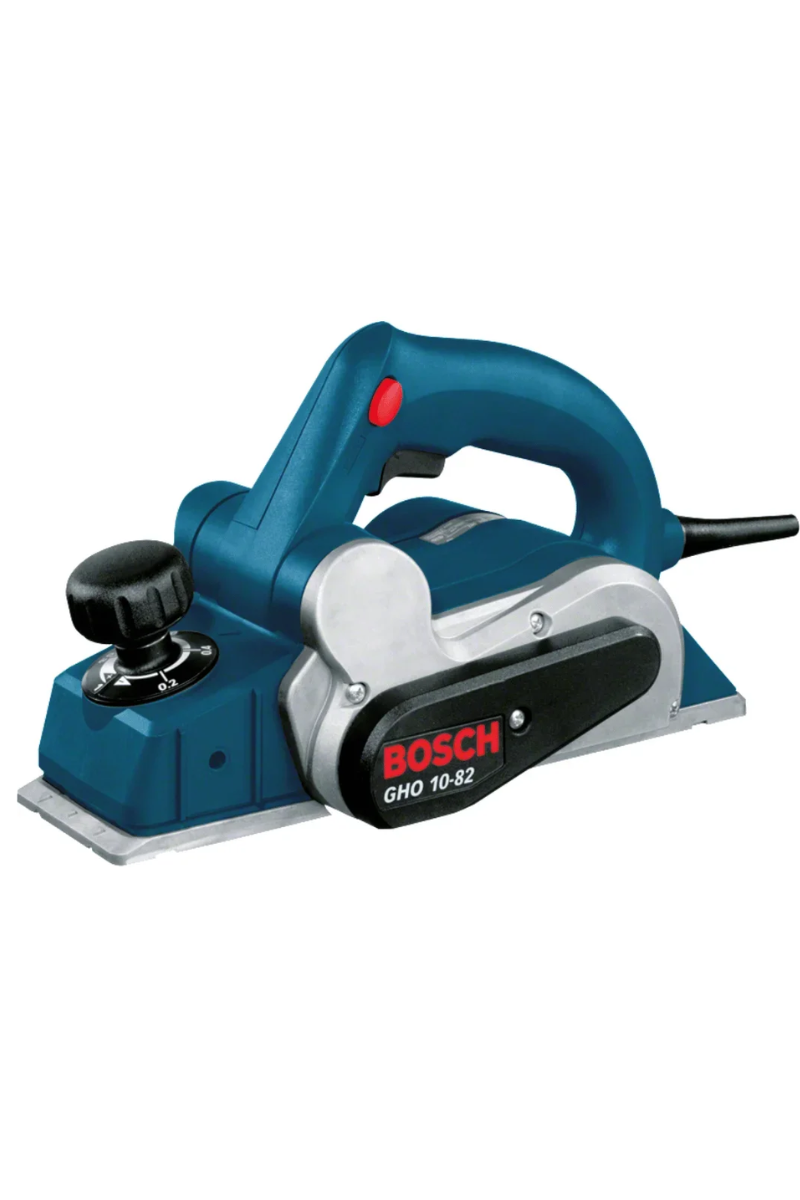
Credit: www.hardman.co.th
Safety Tips For Longevity
Keeping your power planer safe helps it last longer. Using it carefully reduces wear and damage.
Follow safety tips to protect yourself and your tool. This guide shows how to handle your planer safely.
Proper Handling Techniques
Hold the power planer firmly with both hands. Keep your fingers away from the blade area.
Always start the planer before touching the wood. Move the planer smoothly without forcing it.
- Grip with both hands for control
- Keep fingers clear of blades
- Start planer before contact
- Push planer gently, do not force
Using Safety Gear
Wear safety glasses to protect your eyes from wood chips. Use ear protection to guard against loud noise.
Wear a dust mask to avoid breathing sawdust. Use gloves to protect your hands but make sure they fit well.
- Safety glasses protect eyes
- Ear protection reduces noise damage
- Dust mask prevents inhaling dust
- Gloves protect hands, ensure fit
Avoiding Overuse
Do not use the planer for long periods without breaks. Overuse can cause the motor to overheat.
Check the tool often for signs of damage or wear. Rest the planer to keep it working well for years.
- Take regular breaks during use
- Watch for overheating signs
- Inspect the planer for damage
- Rest tool to extend life
Professional Servicing And Upgrades
Keeping your power planer in good condition helps it last longer. Regular professional servicing and upgrades improve its performance. These steps save you money and time in the long run.
Knowing when to get expert help and which parts to upgrade keeps your tool working well. Checking your planer often helps find small problems early.
When To Seek Professional Help
Some issues with your power planer need a professional’s touch. If the planer makes strange noises or stops working, get expert help. Don’t try to fix electrical or motor problems yourself.
Professionals can clean hard-to-reach parts and replace worn components. They also check safety features to keep you safe while working.
- Unusual sounds or smoke
- Planer not starting or cutting properly
- Visible damage to power cord or motor
- Loss of power or speed during use
- Regular yearly maintenance check
Upgrading Parts For Better Performance
Upgrading parts can make your power planer work better and last longer. New blades cut cleaner and faster. Better bearings reduce noise and wear.
Choose parts that fit your planer model. Installing high-quality upgrades helps you get smooth results with less effort.
- Sharp, durable planer blades
- High-quality bearings
- Improved dust collection attachments
- Stronger power cords
- Updated safety switches
Regular Inspection Benefits
Checking your power planer often helps find small problems. Early fixes prevent big damage. Regular inspection keeps the planer safe and reliable.
Look for loose screws, blade sharpness, and dust buildup. Clean and tighten parts as needed. This care improves the tool’s life.
- Find worn or damaged parts early
- Prevent accidents from faulty tools
- Keep blades sharp and clean
- Maintain steady power and speed
- Save money on major repairs
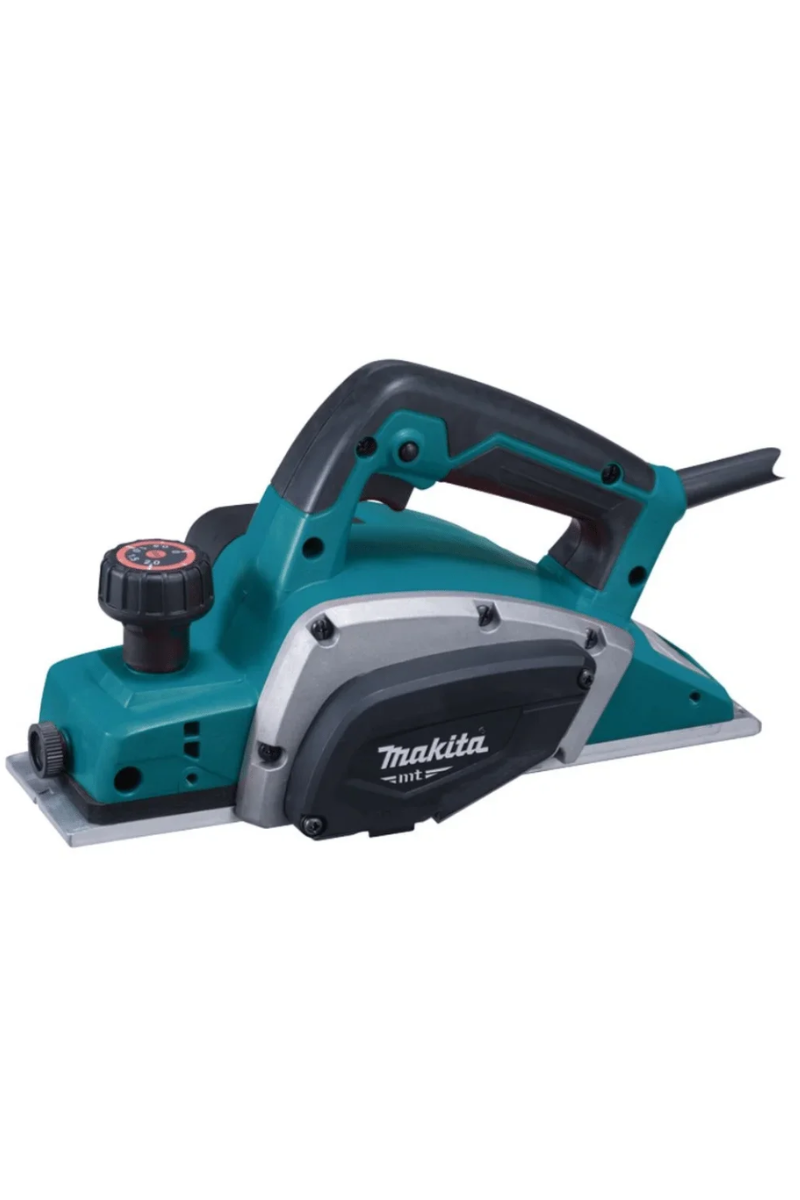
Credit: www.hardman.co.th
Frequently Asked Questions
How Often Should I Clean My Power Planer?
Clean your power planer after every use. Remove wood chips and dust to prevent clogging. Regular cleaning ensures smooth operation and extends tool life.
What Type Of Oil Is Best For A Power Planer?
Use light machine oil or manufacturer-recommended lubricant. Apply oil to blades and moving parts. Proper lubrication reduces friction and prevents rust, enhancing planer performance.
How Do I Sharpen Power Planer Blades Safely?
Remove blades carefully following the manual. Use a sharpening stone or professional sharpening service. Sharp blades improve cutting efficiency and reduce motor strain.
Can I Store My Power Planer Long-term Without Damage?
Yes, store in a dry, dust-free place. Cover the planer and remove batteries if cordless. Proper storage prevents rust and electrical issues.
Conclusion
Maintaining your power planer ensures it lasts longer. Regular cleaning prevents dust buildup. Lubricate moving parts to keep them smooth. Check blades for sharpness often. Tighten loose screws to avoid issues. Store the planer in a dry place. This prevents rust and damage.
Follow these simple steps consistently. Your planer will work efficiently for years. Remember, a little care goes a long way. Investing time now saves money later. Happy planing!