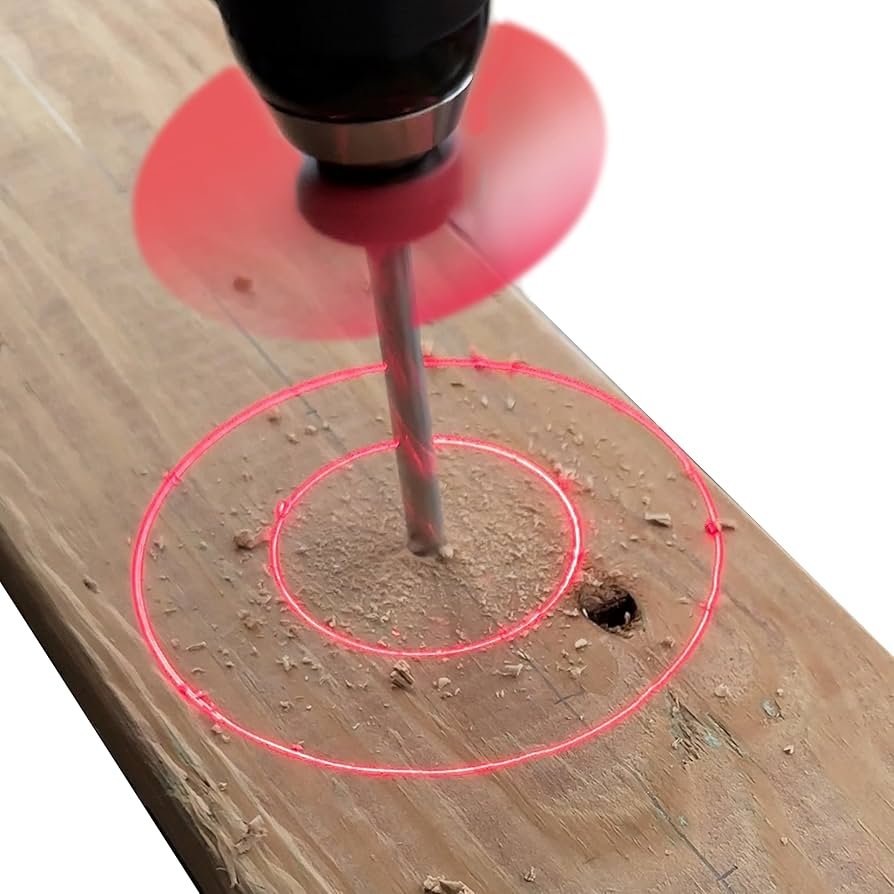
Are you tired of those frustrating moments when your drill holes don’t line up as planned? Maybe you’ve been stuck with a wobbly shelf or a crooked picture frame that just doesn’t look right.
You’re not alone, and there’s a simple solution! Accurately marking drill holes is the key to achieving professional-looking results in your DIY projects. Imagine the satisfaction of perfectly aligned holes every time, and how much easier your tasks could become.
In this guide, you’ll discover practical tips that can transform your drilling experience. Stick with us, and you’ll never have to deal with misaligned drill holes again. Ready to make your next project a breeze? Let’s dive in!
:max_bytes(150000):strip_icc()/JS_1864-2008bd548fb548db8f5729d54b71976b.jpg)
Credit: www.woodmagazine.com
Choosing The Right Tools
Marking drill holes accurately helps you avoid mistakes and saves time. Using the right tools makes your work cleaner and easier.
Selecting good tools improves your drilling results. It ensures holes are placed exactly where needed.
Selecting Accurate Marking Instruments
Use sharp and clear marking instruments to get precise points. A dull pencil or marker can cause errors.
Try these marking tools for better accuracy:
- Sharp pencils with fine points
- Center punches for metal surfaces
- Marking knives for wood
- Fine-tip permanent markers for dark materials
Using Drill Guides And Templates
Drill guides keep your drill steady and aligned. They help drill holes at the right angle and spot.
Templates let you mark many holes quickly and evenly. They are useful for repeated patterns.
- Use a drill guide to hold the drill straight
- Clamp templates firmly to the workpiece
- Mark holes through template holes before drilling
- Check alignment before drilling
Preparing The Surface
Marking drill holes is easier when the surface is ready. A clean and smooth area helps you mark points clearly. This prevents mistakes during drilling.
Taking time to prepare the surface improves accuracy. It also helps tools work better and last longer.
Cleaning And Smoothing The Area
Start by removing dirt, dust, and grease. Use a clean cloth and mild cleaner for this. Dirt can hide your marks or cause slips.
After cleaning, check for rough spots or bumps. Sand them lightly to make the surface smooth. This helps your pencil or marker glide evenly.
- Use a soft cloth to wipe dust and dirt
- Apply mild soap or cleaner for grease
- Sand rough areas with fine-grit sandpaper
- Remove sanding dust before marking
Avoiding Slippage During Marking
Hold your marking tool steady to avoid slips. Slips cause wrong drill hole placement and waste materials.
Use tape or a guide to keep the tool in place. Painter’s tape works well to stop the pencil from sliding. You can also use a square or ruler for straight lines.
- Hold the pencil or marker firmly
- Place painter’s tape on the surface for grip
- Use a ruler or square as a guide
- Make small, light marks first
Measuring And Aligning Holes
Marking drill holes accurately is key to a neat and strong project. Careful measuring and correct alignment help avoid mistakes.
Using the right tools and techniques makes drilling easier and improves your results.
Using Rulers And Calipers
Rulers and calipers help measure exact distances for drill holes. Rulers are good for simple marks, while calipers give precise readings for small spaces.
- Place the ruler or caliper firmly on the material.
- Measure from a fixed edge or point to the hole location.
- Use a pencil or fine marker to mark the spot clearly.
- Double-check measurements before drilling.
Employing Center Punch Techniques
A center punch creates a small dent at the drill point. This dent guides the drill bit and stops it from slipping.
| Tool | Purpose | How to Use |
| Center Punch | Make a guide dent | Hold firmly and tap gently with a hammer on marked spot |
| Hammer | Apply force to punch | Use light taps to avoid damaging material |
| Drill Bit | Drill hole accurately | Start in the dent to keep drill steady |
Credit: www.kitplanes.com
Marking Techniques For Precision
Accurate marking is key to drilling clean, precise holes. Careful preparation saves time and reduces mistakes.
Using proper marking methods helps guide your drill and prevents slipping or misalignment.
Dot Marking For Exact Points
Dot marking creates a small indentation where the drill bit will start. This keeps the drill steady and precise.
- Use a center punch or nail to make a small dent
- Place the tool exactly where the hole is needed
- Tap lightly with a hammer to avoid large marks
- Check that the dot is clear and visible
Creating Pilot Holes Before Drilling
Pilot holes guide larger drill bits and reduce wood splitting or material damage. This step improves hole accuracy.
| Tool | Purpose | Tip |
| Small Drill Bit | Start hole for bigger bit | Use slightly smaller size than main bit |
| Center Punch | Mark exact drilling point | Make sharp, clear indentations |
| Drill Guide | Keep drill steady and straight | Use clamps to fix guide position |
Tips For Drilling Accuracy
Drilling holes with precision is important for any project. Accurate holes help parts fit well and keep structures strong.
Using the right tools and techniques makes drilling easier and more accurate. Follow these tips to improve your drilling skills.
Choosing The Correct Drill Bit Size
Select a drill bit that matches the hole size you need. Using the wrong size can cause loose or tight fits.
- Check the project instructions for the recommended drill bit size.
- Use a drill bit gauge to measure bits before starting.
- Pick a bit slightly smaller for tight fits and slightly larger for loose fits.
- Consider the material you are drilling; some materials need special drill bits.
Maintaining Drill Stability And Angle
Keep the drill steady and hold it at the correct angle to avoid crooked holes. Stability improves accuracy.
| Tip | Reason |
| Use a clamp to hold the workpiece | Prevents movement during drilling |
| Hold the drill perpendicular to the surface | Keeps holes straight and clean |
| Start drilling slowly | Helps guide the bit and avoid slips |
| Apply even pressure | Prevents the bit from wandering |
Common Mistakes To Avoid
Marking drill holes accurately is key to a good project. Many people make mistakes that cause errors in drilling.
This guide highlights common errors. Avoiding these will improve your work quality and save time.
Ignoring Surface Irregularities
Uneven or rough surfaces can cause wrong marks. Not checking the surface leads to misplaced holes.
- Always clean the surface before marking.
- Use a straight edge or level to find uneven spots.
- Sand rough areas to create a flat surface.
- Double-check the surface to avoid errors.
Rushing The Marking Process
Hurrying can cause mistakes in hole placement. Take your time to measure and mark carefully.
| Common Rush Mistakes | How to Avoid |
| Wrong measurements | Use a reliable measuring tool and recheck |
| Marks that fade or smear | Use a sharp pencil and avoid touching marks |
| Skipping double checks | Review all marks before drilling |
| Not using guides or templates | Use templates for repeat holes |
:max_bytes(150000):strip_icc()/tech17-ba05a18a2b934aff90a1d475bebb2468.jpg)
Credit: www.woodmagazine.com
Frequently Asked Questions
How Do I Mark Drill Holes Accurately?
Use a center punch to create a small indentation. This guides the drill bit and prevents slipping during drilling.
What Tools Help In Precise Drill Hole Marking?
A ruler, tape measure, pencil, and center punch are essential. They ensure measurements are exact and marks are visible.
Can Templates Improve Drill Hole Accuracy?
Yes, templates provide consistent hole placement. They are especially useful for repetitive tasks and complex patterns.
Why Is Measuring Twice Important Before Drilling?
Measuring twice reduces errors and ensures holes align correctly. It saves time and prevents damage to materials.
Conclusion
Accurate drill hole marking saves time and avoids mistakes. Use the right tools and double-check measurements. Mark clearly and keep your workspace clean. Take your time; rushing leads to errors. Practice these tips for better results every time. Precise marks help your projects look neat and last longer.
Small steps make a big difference in your work. Stay patient, and your drilling will improve steadily.