Are you looking to master the art of cutting with precision? If so, learning how to operate a miter saw is your ticket to achieving those clean, accurate cuts every time.
Whether you’re a seasoned DIY enthusiast or just starting out, understanding how to use this powerful tool can elevate your woodworking projects to a whole new level. Imagine effortlessly creating perfect angles and smooth edges that make your work stand out.
In this guide, you’ll discover the secrets to not only using a miter saw safely but also maximizing its potential to transform your projects. Ready to make those precise cuts a reality? Let’s dive in and unlock the full potential of your miter saw skills.
Choosing The Right Miter Saw
Choosing the right miter saw is important for making precise cuts. The right saw helps you work faster and safer.
There are different types of miter saws, blades, and safety features. Picking the best fit depends on your needs.
Types Of Miter Saws
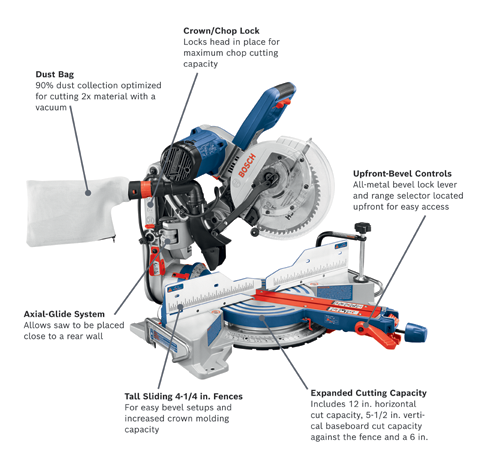
Miter saws come in three main types: standard, compound, and sliding compound. Each type cuts wood at different angles.
- Standard Miter Saw:Cuts wood at fixed angles, good for simple cuts.
- Compound Miter Saw:Cuts wood at angles and bevels, useful for crown molding.
- Sliding Compound Miter Saw:Has a sliding arm for wider cuts, best for large wood pieces.
Blade Selection
Choosing the right blade is key for smooth, clean cuts. Blades vary by size, teeth count, and material.
- Blade Size:Most miter saws use 8, 10, or 12-inch blades.
- Teeth Count:More teeth mean finer cuts; fewer teeth cut faster but rougher.
- Blade Material:Carbide-tipped blades last longer and cut better than steel blades.
Safety Features To Look For
Safety features keep you protected while using a miter saw. Check for these before you buy.
- Blade Guard:Covers the blade to prevent accidental contact.
- Electric Brake:Stops the blade quickly when you release the trigger.
- Locking Mechanism:Locks the saw in place for safe angle adjustments.
- Dust Collection:Reduces dust to keep your workspace clean and clear.

Credit: www.youtube.com
Setting Up Your Work Area
Before using a miter saw, prepare your work area carefully. A safe and organized space helps you make precise cuts.
Focus on stability, lighting, and cleanliness. These factors improve your control and reduce mistakes.
Stable Surface And Clamping
Place your miter saw on a solid, flat surface. This prevents wobbling during cuts.
- Use a workbench or sturdy table.
- Ensure the surface can support the saw’s weight.
- Use clamps to hold the wood firmly in place.
- Check that the clamps do not block the saw blade.
Proper Lighting
Good lighting helps you see the cut line clearly. It reduces errors and keeps you safe.
| Type of Lighting | Purpose |
| Overhead light | Illuminates the entire work area |
| Task light | Focuses on the cutting line |
| Natural light | Reduces eye strain during the day |
Clear Workspace
Keep your area free from clutter. This helps you move safely and focus on your work.
Clear workspace tips:
- Remove loose tools and scraps.
- Keep the floor free of debris.
- Organize materials nearby but out of the cutting path.
- Make sure extension cords do not cause tripping hazards.
Preparing The Miter Saw
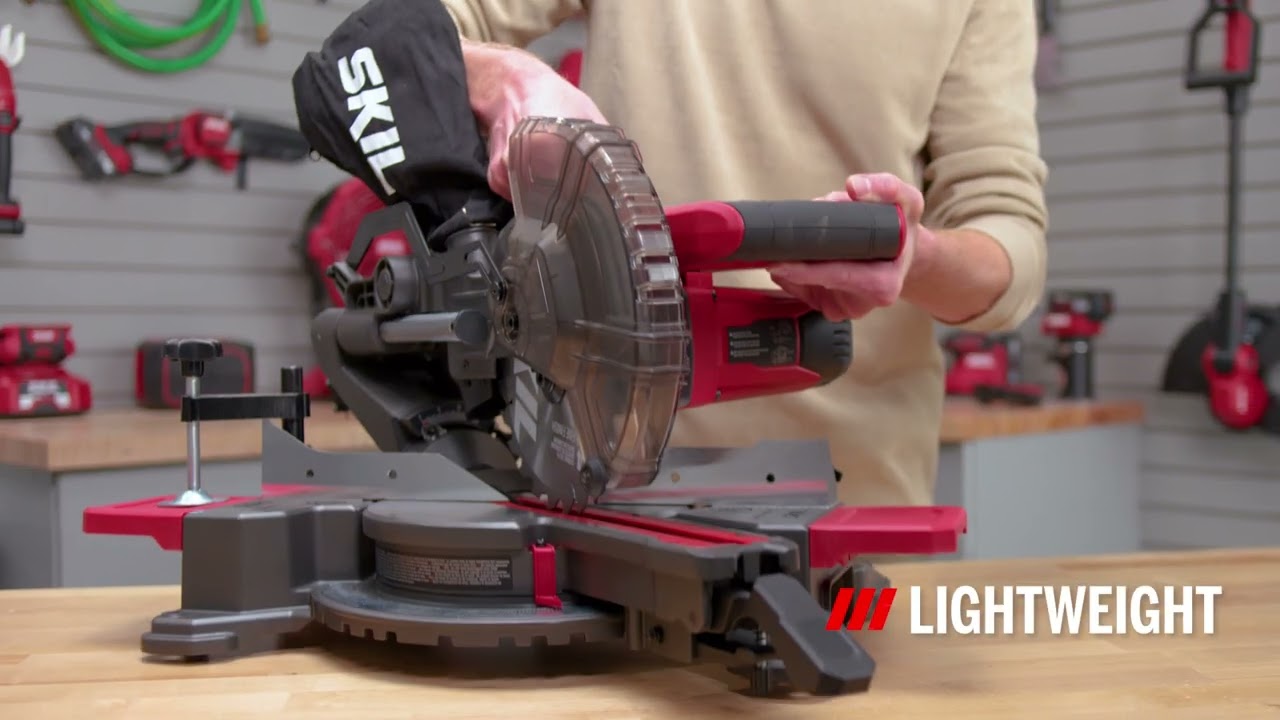
Preparing your miter saw correctly helps you make precise cuts. Taking time to set up the saw ensures safety and accuracy.
This section covers adjusting angles, calibrating the saw, and checking the blade condition before cutting.
Adjusting The Angle And Bevel
Set the saw’s angle and bevel to match your cutting needs. Use the angle scale and bevel adjustment knob for this.
- Loosen the angle lock and rotate the saw base to the desired angle.
- Tighten the lock to hold the angle firmly.
- For bevel cuts, unlock the bevel adjustment and tilt the blade.
- Check the angle gauge to confirm the bevel setting.
- Lock the bevel adjustment once it is set.
Calibrating The Saw
Calibration makes sure your saw cuts exactly where you want. Use a square and a test cut to check the blade alignment.
| Calibration Step | What to Do | Why It Matters |
| Check blade alignment | Use a square against the blade and fence | Blade must be square for accurate cuts |
| Make test cut | Cut a scrap piece and measure the angle | Confirms saw cuts true angles |
| Adjust if needed | Follow saw manual to adjust bevel or angle | Fixes any misalignment found |
Checking The Blade Condition
A clean, sharp blade cuts better and safer. Inspect the blade before each use for damage or dullness.
- Look for missing or chipped teeth.
- Check for rust or buildup on the blade.
- Make sure the blade is tightly secured on the saw.
- Replace the blade if it looks damaged or dull.
Credit: www.skil.com
Marking And Measuring Materials
Using a miter saw requires careful marking and measuring. This helps you get precise cuts every time.
Good preparation makes your work easier and safer. Take your time to measure and mark clearly.
Accurate Measurements
Measure your material twice to avoid mistakes. Use a reliable tape measure or ruler for best results.
Hold the tape measure straight and tight. Check the measurement at eye level for accuracy.
Using Guides And Stops
Use guides and stops on your miter saw to keep materials steady. This helps you make the same cut repeatedly.
Set the stop block at the exact length you need. Clamp it securely so it does not move during cutting.
- Attach a stop block to the fence
- Use a miter gauge for angled cuts
- Clamp materials firmly against the fence
Marking Cut Lines Clearly
Mark cut lines with a sharp pencil or fine marker. Clear lines guide your saw blade precisely.
Draw lines on the side that will be cut off. This keeps the finished piece clean and accurate.
Making Precise Cuts
Using a miter saw for precise cuts requires attention to detail. Small errors can affect your entire project.
Focus on how you position the material, control the saw speed, and execute the cut smoothly.
Positioning The Material
Place the wood firmly against the saw’s fence. This keeps the piece steady and helps the blade cut accurately.
- Check that the material lies flat on the base.
- Align the cut mark with the saw blade guide.
- Use clamps if needed to hold the material in place.
Controlling The Saw Speed
Adjust the speed depending on the wood type and thickness. Faster speed can cause rough edges or burn marks.
| Wood Type | Recommended Speed |
| Softwood | High Speed |
| Hardwood | Medium Speed |
| Plywood | Low Speed |
Executing The Cut Smoothly
Lower the saw blade steadily and keep a firm grip on the handle. Avoid forcing the blade through the wood.
- Start the saw before touching the wood.
- Keep your body steady and use both hands.
- Complete the cut in one smooth motion.
- Raise the blade only after the cut finishes.
Common Cutting Techniques
Using a miter saw correctly helps you make clean and exact cuts. Different cuts serve different purposes in woodworking and construction.
This guide explains common cutting techniques and how to perform them safely and accurately.
Crosscuts
Crosscuts cut wood across the grain. They shorten the length of a board. To make a good crosscut, hold the wood firmly and guide the saw slowly through the material.
Miter Cuts
Miter cuts angle the wood across its width. These cuts are common in frames and trim work. Adjust the saw’s angle to the desired degree for precise miter cuts.
- Set the miter saw to the exact angle needed.
- Secure the wood piece to avoid movement.
- Lower the blade slowly to make a clean cut.
- Check the angle after cutting to ensure accuracy.
Bevel Cuts
Bevel cuts tilt the blade to cut the wood at an angle along its thickness. These cuts help create angled edges on boards. Adjust the bevel angle on the saw before cutting.
Compound Cuts
Compound cuts combine both miter and bevel angles. They are used for complex joints like crown molding. Accuracy is key, so measure angles carefully before cutting.
| Cut Type | Miter Angle | Bevel Angle |
| Crosscut | 0° | 0° |
| Miter Cut | Varies | 0° |
| Bevel Cut | 0° | Varies |
| Compound Cut | Varies | Varies |
Maintenance And Safety Tips
Using a miter saw safely helps you make clean, accurate cuts. Regular care keeps the saw working well.
Follow these tips to maintain your saw and protect yourself while cutting wood or other materials.
Regular Cleaning
Clean your miter saw after each use. Remove dust and debris from the blade and base.
Use a brush or compressed air to clear hard-to-reach areas. This helps prevent buildup that affects cuts.
- Unplug the saw before cleaning
- Wipe the table and fence with a dry cloth
- Keep moving parts free of dust
Blade Replacement
Change the blade if it is dull or damaged. A sharp blade cuts better and is safer to use.
Check the blade teeth for chips or wear. Use the correct blade size and type for your saw.
- Turn off and unplug the saw before replacing the blade
- Use a wrench to loosen the blade nut
- Install the new blade following the arrow direction
- Tighten the blade securely
Personal Protective Equipment
Wear safety gear every time you use the miter saw. This protects you from flying debris and noise.
Common protective equipment includes eye, ear, and hand protection. Always use these items to stay safe.
- Safety glasses or goggles
- Ear plugs or earmuffs
- Work gloves
- Dust mask if cutting materials that create dust
Safe Handling Practices
Handle the miter saw carefully to avoid accidents. Always follow safety steps before and during use.
Keep your hands away from the blade. Use clamps or guides to hold material when possible.
- Check that the saw is on a stable surface
- Use the blade guard at all times
- Wait for the blade to stop before removing cut pieces
- Keep the work area clean and free of clutter

Credit: www.amazon.com
Troubleshooting Common Issues
Operating a miter saw can be simple, but problems may arise. Knowing how to fix these issues helps keep cuts precise.
This guide covers common problems and easy fixes. Follow these tips to improve your miter saw use.
Blade Drift
Blade drift happens when the saw blade moves away from the marked line. This causes uneven cuts and waste.
Check if the blade is loose or dull. Tighten the blade and replace it if needed. Also, avoid pushing the saw too fast.
- Make sure the blade is sharp and secure
- Hold the material firmly to reduce movement
- Cut slowly and steadily to keep control
- Check for blade alignment with the fence
Inaccurate Angles
Inaccurate angles occur when the saw does not cut at the set angle. This causes joints to not fit properly.
Calibrate the angle settings regularly. Use a protractor or angle finder to check the saw’s bevel and miter scales.
- Reset the angle stops if they are off
- Clean the scale and adjust the pointer
- Test cuts on scrap wood before important cuts
Material Binding
Material binding happens when the wood gets stuck under the blade. It can cause kickback or damage the saw.
Make sure the wood is supported well and not warped. Use the right blade for the material thickness and type.
- Support long pieces with stands or helpers
- Check for knots or nails in the wood
- Use a blade designed for clean cuts on your material
- Keep the blade clean from resin and sawdust buildup
Power Problems
The saw may not start or stop suddenly due to power issues. This interrupts work and causes frustration.
Check the power cord and outlet. Make sure the saw’s switch and motor are working properly and not overheated.
- Inspect the power cord for cuts or damage
- Use a different outlet to test power supply
- Clean dust from vents to prevent overheating
- Consult a technician if motor or switch fails
Frequently Asked Questions
How Do You Set Up A Miter Saw Correctly?
To set up a miter saw, place it on a stable surface and secure it. Adjust the miter angle using the scale and lock it firmly. Check the blade alignment and safety guards before use to ensure precise and safe cuts.
What Safety Tips Ensure Precise Miter Saw Cuts?
Always wear safety goggles and ear protection. Keep hands clear of the blade path. Use clamps to secure the material. Make sure the saw blade is sharp and properly installed for accurate and safe cutting.
How To Choose The Right Blade For Miter Saw Cuts?
Select a blade based on the material type. Use fine-tooth blades for precise wood cuts. For metal or plastic, use blades designed for those materials. A sharp, high-quality blade ensures cleaner, more accurate cuts.
What Is The Best Technique For Accurate Miter Cuts?
Measure twice and mark clearly before cutting. Align the mark with the blade’s edge. Lower the blade slowly and steadily through the material. Let the blade stop completely before lifting it up to maintain precision.
Conclusion
Operating a miter saw takes practice and care. Always check your measurements twice. Keep your hands clear from the blade. Use the right blade for each cut. Take your time to make steady cuts. Safety gear helps protect you from harm.
Clean the saw after use to keep it working well. Small steps lead to better, precise cuts. Follow these tips to improve your woodworking skills. You will see better results with each project.
