
Choosing the right power screwdriver can make your projects easier, faster, and more enjoyable. But with so many options out there, how do you know which one fits your needs?
This guide will help you cut through the confusion and find the perfect tool that matches your tasks and budget. Keep reading, and by the end, you’ll feel confident picking a power screwdriver that works just right for you.

Credit: www.amazon.com.au
Types Of Power Screwdrivers
Power screwdrivers come in different types to fit various tasks. Choosing the right type helps you work faster and easier.
Understanding the main categories will guide you in picking the best tool for your needs.
Corded Vs Cordless Models
Corded power screwdrivers plug into an outlet and provide constant power. They are good for long jobs but limit movement.
Cordless models use batteries, allowing more freedom. They are lighter and easy to carry but need charging.
- Corded:Unlimited power, heavier, less portable
- Cordless:Portable, lighter, limited by battery life
Impact Vs Standard Screwdrivers
Impact screwdrivers deliver strong rotational force with short bursts. They work well on tough screws and hard materials.
Standard screwdrivers offer steady and smooth turning. They are suitable for light to medium tasks.
| Type | Best For | Torque Level |
| Impact | Hard screws, metal, dense wood | High |
| Standard | Light screws, drywall, soft wood | Moderate |
Specialized Screwdrivers
Some power screwdrivers are made for special jobs. These include right-angle drivers and precision models.
- Right-angle screwdrivers:Reach tight spots easily.
- Precision screwdrivers:Handle small screws in electronics.
- Heavy-duty models:Built for industrial or construction use.
Key Features To Consider
Choosing the right power screwdriver helps you work faster and safer. Look at important features before buying.
This guide covers key points to check when selecting a power screwdriver.
Torque And Speed Settings
Torque controls the force the screwdriver uses. Speed means how fast the tool spins. Both affect work quality.
Adjustable torque helps avoid overdriving screws or stripping them. Variable speed suits different materials and tasks.
- Low torque for small screws and delicate tasks
- High torque for large screws and tough materials
- Variable speed for better control and precision
Battery Life And Charging
Battery life decides how long you can work without recharging. A longer battery saves time on projects.
Check how fast the battery charges and if the battery is removable. Some batteries let you swap for quick work.
- Look for batteries with at least 1.5 to 2 hours runtime
- Fast charging reduces downtime
- Removable batteries add convenience
Ergonomics And Weight
Ergonomics means how comfortable the tool feels in your hand. Weight affects how long you can use it without fatigue.
Choose a screwdriver with a good grip and balanced weight to reduce strain. Lightweight models are easier to handle.
- Soft, non-slip grips improve comfort
- Lighter tools are better for long jobs
- Well-balanced design reduces wrist strain
Choosing The Right Bit And Accessories
Selecting the right bit for your power screwdriver is important for good results. The right bit makes your work easier and faster.
Accessories also help you use the tool in many ways. They keep your bits safe and add more functions.
Common Bit Types
Power screwdrivers use different bit types for various screws. Using the correct bit type prevents damage to screws and bits.
- Phillips bits are cross-shaped and fit most screws.
- Flathead bits have a straight edge for slotted screws.
- Torx bits have a star shape and offer good grip.
- Hex bits fit screws with a hexagonal socket.
- Square bits provide strong grip for square-shaped screws.
Bit Storage Solutions
Keeping bits organized saves time and stops loss. Good storage protects bits from damage.
- Bit cases keep all bits in one place.
- Magnetic holders attach bits to the screwdriver.
- Bit racks show bits clearly for quick choice.
- Portable kits combine storage and extra accessories.
Additional Attachments
Attachments expand what your power screwdriver can do. They help with different tasks and tight spaces.
- Right-angle adapters let you work in corners.
- Extension bars reach deep or tight spots.
- Socket adapters turn your screwdriver into a small wrench.
- Bit holders with magnets keep bits in place during work.
Budget And Brand Factors
Choosing the right power screwdriver depends on budget and brand. These factors affect quality and durability.
Knowing what to expect for the price helps you find a good balance. Brand reputation also guides your choice.
Price Vs Performance
Price often reflects the tool’s power and features. Higher cost models usually last longer and work better.
- Basic models cost less but may lack strong motors.
- Mid-range tools offer better speed and battery life.
- High-end screwdrivers include extra features and durability.
Trusted Brands To Explore
Some brands are known for quality and reliability. They provide consistent performance and good design.
- DeWalt – known for strong motors and long battery life
- Makita – offers lightweight and ergonomic tools
- Bosch – praised for durability and smart features
- Milwaukee – popular for power and toughness
Warranty And Support
| Brand | Warranty Period | Customer Support |
| DeWalt | 3 years | Phone and online |
| Makita | 1 year | Authorized service centers |
| Bosch | 2 years | 24/7 online support |
| Milwaukee | 5 years | Phone and in-store |
Check warranty terms before buying. Good support helps if the tool breaks or needs parts.
Safety And Maintenance Tips
Choosing the right power screwdriver means keeping it safe and well maintained. Good care helps tools last longer and work better.
Follow safety and maintenance tips to protect yourself and your tool. This guide covers handling, cleaning, and fixing common issues.
Proper Handling Practices
Always hold the power screwdriver firmly with both hands if possible. Keep your fingers away from the bit while it spins.
Wear safety glasses to protect your eyes from flying debris. Use ear protection if you work in noisy areas.
- Check the power cord for damage before use
- Do not force the screwdriver into tight screws
- Switch off and unplug before changing bits
- Keep the work area clean and well-lit
Routine Cleaning And Care
Clean your power screwdriver after every use. Wipe it down with a dry or slightly damp cloth to remove dust and dirt.
Keep vents clear so the motor does not overheat. Store the tool in a dry place to avoid rust and damage.
- Remove and clean bits regularly
- Use compressed air to clear vents
- Check batteries and charge if cordless
- Lubricate moving parts as the manual suggests
Troubleshooting Common Issues
If your screwdriver does not start, first check the power source. Look for loose plugs or dead batteries.
Unusual noises or overheating can mean the tool needs cleaning or repair. Stop using it until you fix the problem.
- Tool won’t run: Check power connection or battery charge
- Slow or weak: Clean vents and bits, check motor
- Bit slips: Tighten chuck or replace worn bits
- Tool overheats: Let it cool and clean air vents

Credit: insights.made-in-china.com
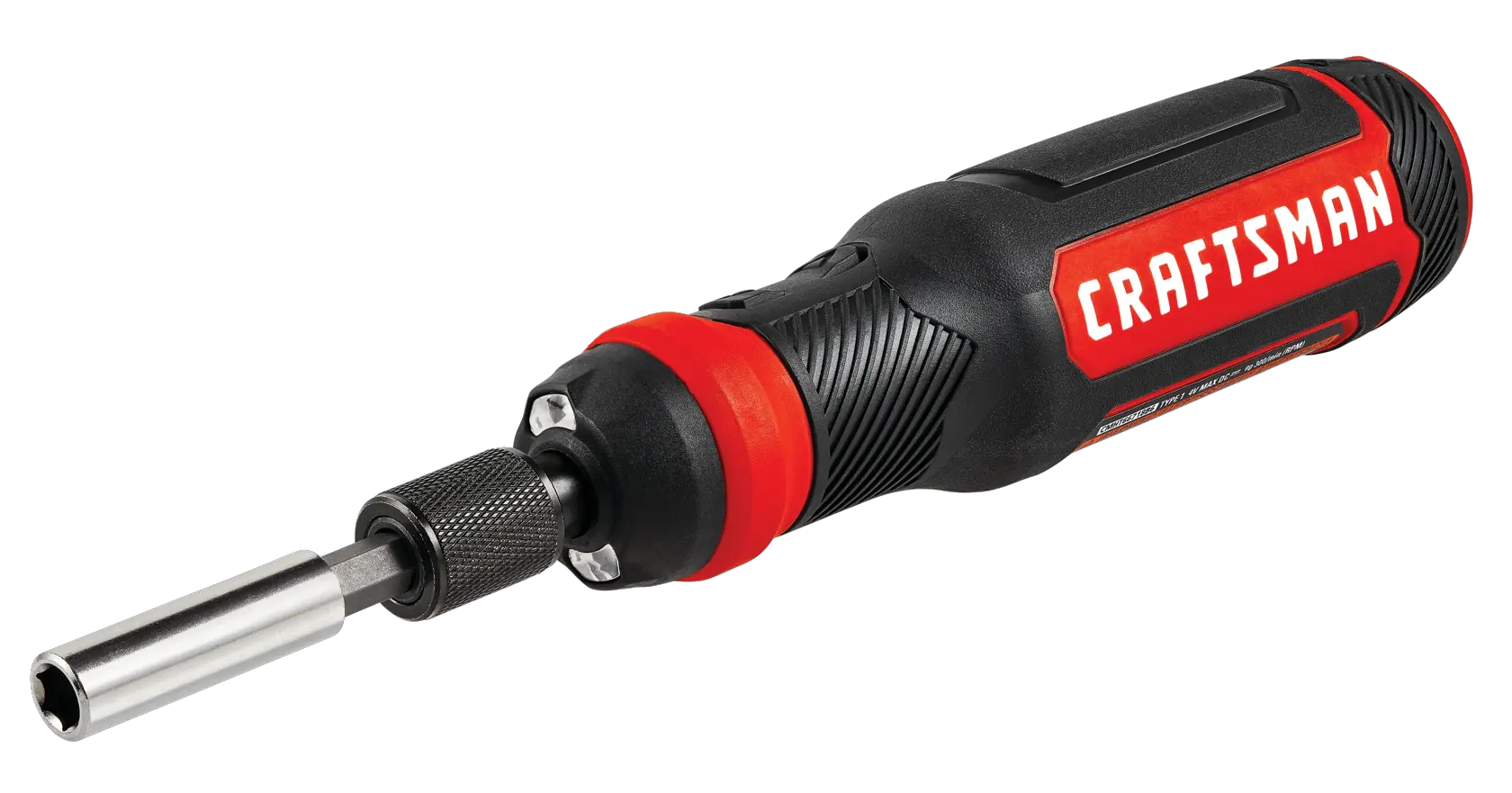
Credit: www.craftsman.com
Frequently Asked Questions
What Factors Should I Consider When Choosing A Power Screwdriver?
Consider torque, speed settings, battery life, weight, and ergonomics. Choose one that fits your project needs and comfort. Check for additional features like adjustable clutch and bit compatibility for better versatility.
How Important Is Battery Life In A Power Screwdriver?
Battery life affects how long you can work without recharging. Longer battery life means less downtime. Choose lithium-ion batteries for better performance and longer lifespan in cordless models.
Which Power Screwdriver Is Best For Heavy-duty Tasks?
For heavy-duty tasks, select a model with high torque and variable speed. Corded screwdrivers often provide consistent power. Look for durable build quality and ergonomic design for prolonged use.
Can I Use A Power Screwdriver For All Screw Types?
Power screwdrivers work with most screw types if the correct bit is used. Ensure the tool supports various bit sizes. Using the right bit prevents damage to screws and tool.
Conclusion
Choosing the right power screwdriver makes your work easier and faster. Think about the size, power, and battery life you need. Comfort and grip also matter for long jobs. Match the tool to your tasks for best results. Take your time to compare features and prices.
A good choice helps you finish projects smoothly. Keep these tips in mind when buying. Your work will feel less tiring and more efficient. Simple steps lead to better tools and better results.
