If you’ve ever found yourself standing in your garden, spade in hand, wondering how to mix soil effectively, you’re not alone. Mixing soil might seem straightforward, but doing it properly can make all the difference for your plants.
With the right techniques, you can improve soil structure, enhance nutrient availability, and boost plant growth. Imagine transforming your garden into a thriving oasis with just a few simple steps. This guide will show you how to use a spade efficiently for soil mixing, ensuring your plants get the best start possible.
Ready to dig in and discover the secrets of successful soil mixing? Keep reading to unlock the full potential of your garden.
Choosing The Right Spade
Using a spade for soil mixing makes gardening easier and more effective. Choosing the right spade helps you work faster and with less effort.
Consider the type, material, and design of the spade before buying. This guide will help you pick the best one for soil mixing.
Types Of Spades
Spades come in different shapes and sizes. Each type fits a specific soil task. Picking the right type makes soil mixing smooth.
- Garden Spade:Flat blade, good for digging and turning soil.
- Digging Spade:Pointed blade, best for breaking hard ground.
- Border Spade:Narrow blade, perfect for edging and small areas.
- Transplanting Spade:Small blade, handy for mixing soil in pots.
Material And Durability
Spades made from strong materials last longer. The blade and handle material affect durability and ease of use.
| Material | Advantages | Disadvantages |
|---|---|---|
| Steel Blade | Strong, sharp, long-lasting | Can rust if not cared for |
| Aluminum Blade | Lightweight, rust-resistant | Less durable under hard use |
| Wood Handle | Comfortable grip, natural feel | Can splinter or break |
| Fiberglass Handle | Durable, weather-resistant | Heavier than wood |
Ergonomic Features
Ergonomic spades reduce strain and improve comfort. Look for features that suit your body and work style.
- Non-slip grips to hold the spade firmly
- Curved handles that fit hand shape
- Lightweight design to prevent arm fatigue
- Shock-absorbing handles for less vibration

Credit: littlehouseonlaurel.com
Preparing Your Garden Soil
Good garden soil helps your plants grow strong. Mixing soil with a spade improves its quality.
Before using a spade, prepare the soil well. This makes the mixing process easier and more effective.
Clearing Debris
Remove rocks, sticks, and old plants from the soil. This clears space for new roots to grow.
Clearing debris also helps your spade move through the soil more easily.
- Pick up large stones and sticks by hand
- Rake the area to remove smaller debris
- Dispose of weeds and old plant parts properly
Moisture Check
Check the soil moisture before mixing. Soil that is too dry or too wet is hard to work with.
Ideal soil feels slightly damp. It holds together when squeezed but does not drip water.
- Pick up a handful of soil
- Squeeze gently to test moisture
- Water the soil if it crumbles easily
- Wait for soil to dry if it feels muddy
Marking The Area
Mark the garden area before mixing the soil. This keeps your work organized and neat.
Use string, sticks, or spray paint to outline the space you want to prepare.
- Measure the area to know the size
- Place sticks at the corners
- Stretch string between sticks to form a boundary
- Use spray paint for clear ground marks
Techniques For Effective Soil Mixing
Using a spade to mix soil helps improve soil quality and plant growth. Proper techniques make the process easier and more efficient.
This guide explains simple ways to mix soil using a spade. You will learn how to dig, add amendments, and turn the soil well.
Basic Digging Method
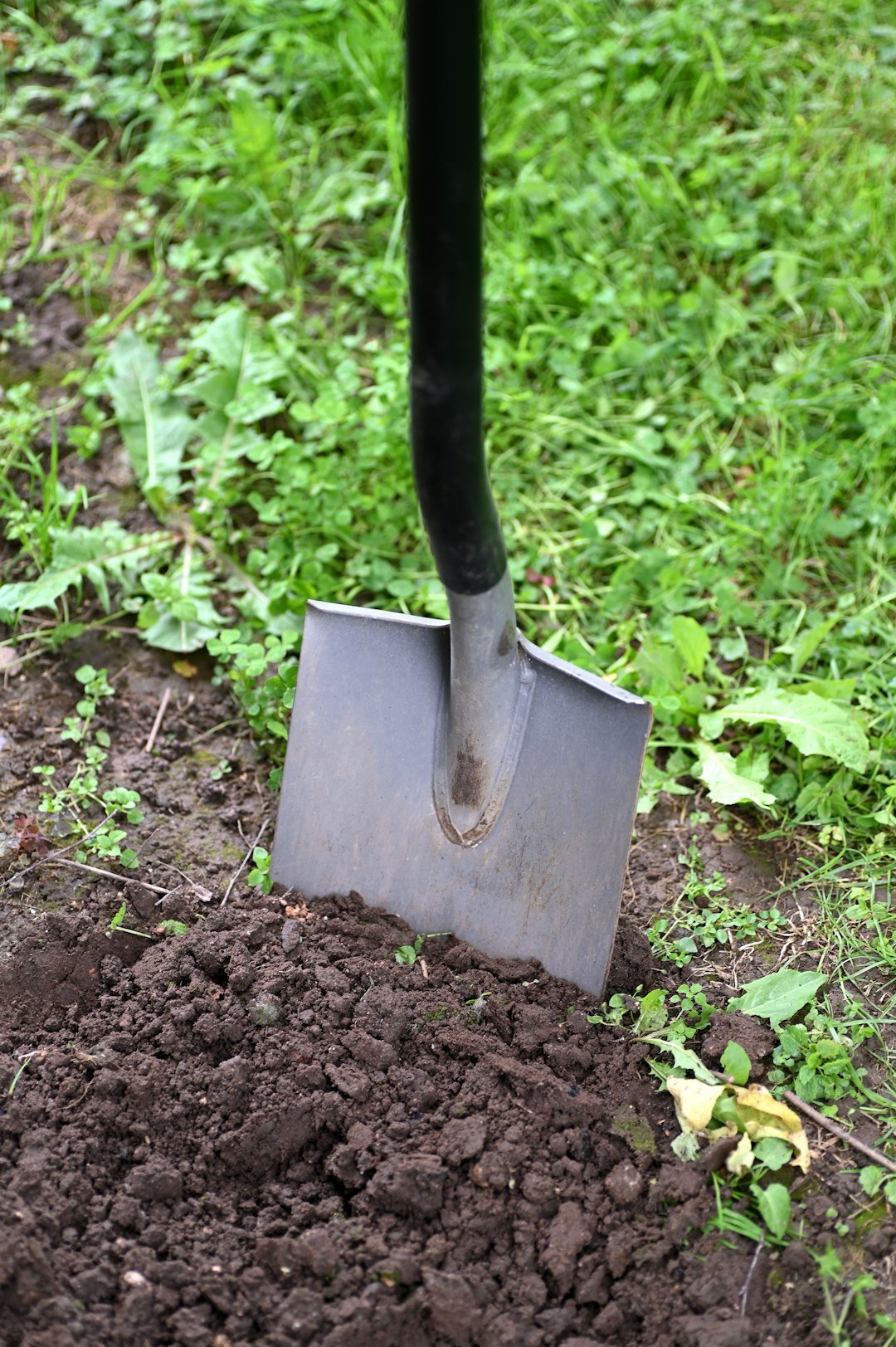
Start by loosening the soil with your spade. Push the spade blade straight down into the ground. Lift and turn the soil over to break up clumps.
- Use your foot to press the spade down firmly.
- Work in small sections to keep the soil manageable.
- Dig to a depth of about 8 to 12 inches.
- Remove large stones and roots as you dig.
Layering Amendments
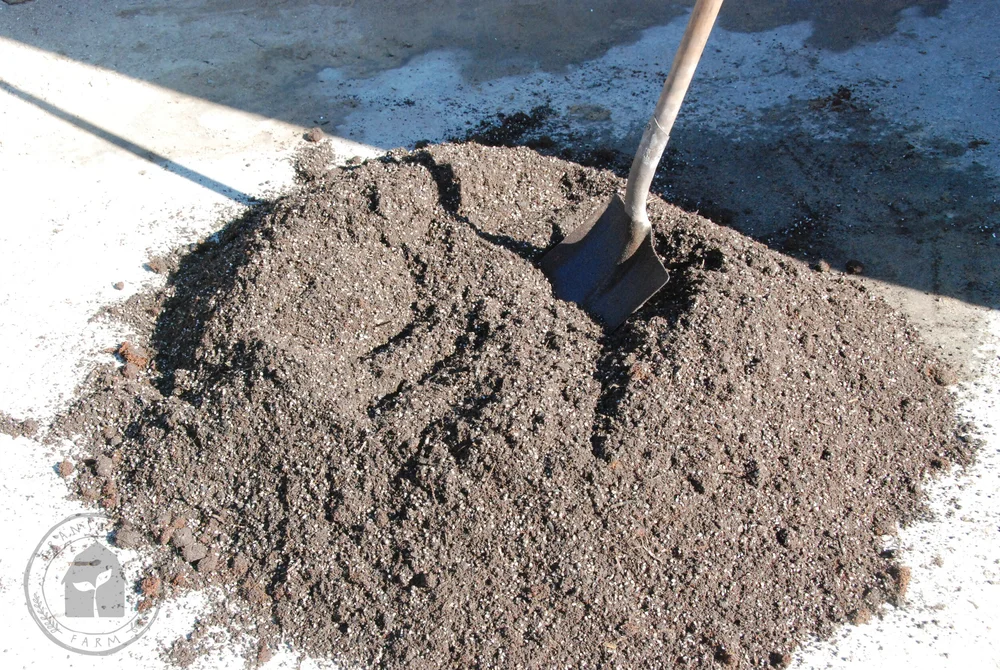
Adding organic material improves soil texture and nutrients. Spread compost or manure over the dug soil in thin layers. Mix each layer well before adding the next.
| Amendment | Benefits |
| Compost | Increases nutrients and water retention |
| Manure | Improves soil structure and fertility |
| Leaf Mold | Adds organic matter and helps moisture |
Turning And Flipping Soil
Turning the soil mixes air and amendments well. Use the spade to lift and flip the soil over several times. This also helps kill weeds and pests.
- Insert the spade into the soil at an angle.
- Lift the soil and turn it over away from you.
- Repeat across the entire area for even mixing.
- Break large clods with the spade blade.
- Finish by smoothing the surface for planting.
Credit: www.transitionfarm.com
Incorporating Organic Matter
Using a spade to mix organic matter into soil improves its quality. Organic matter adds nutrients and helps soil hold water better.
Mixing well ensures plants grow stronger and soil stays healthy for a long time.
Types Of Organic Materials
Different organic materials work well for soil mixing. Choose what fits your garden needs and availability.
- Compost: Decayed plant and food waste rich in nutrients
- Manure: Animal waste that adds nitrogen and other minerals
- Leaf Mold: Decomposed leaves that improve soil texture
- Grass Clippings: Fresh or dried grass that adds nitrogen
- Wood Chips: Break down slowly and improve soil aeration
Mixing Ratios
Correct mixing ratios help balance soil and organic matter. Too much or too little can harm plant growth.
| Soil Type | Organic Matter Ratio |
| Sandy Soil | 1 part organic matter to 3 parts soil |
| Clay Soil | 1 part organic matter to 2 parts soil |
| Loamy Soil | 1 part organic matter to 4 parts soil |
Benefits For Soil Health
Adding organic matter with a spade improves soil health in many ways.
- Increases nutrients available to plants
- Improves soil structure and aeration
- Helps soil retain moisture longer
- Supports beneficial soil organisms
- Reduces erosion and soil compaction
Maintaining Proper Posture
Using a spade to mix soil needs care in posture. Good posture helps avoid pain and injury.
Focus on how you stand and move to keep your body safe and strong.
Body Positioning Tips
Keep your feet shoulder-width apart for balance. Bend your knees slightly, not your back.
- Stand close to the work area.
- Hold the spade handle with both hands.
- Keep your back straight while digging.
- Turn your whole body, not just your waist.
Reducing Strain
Take breaks often to rest your muscles. Stretch your arms, legs, and back gently.
| Tip | How It Helps |
| Use knee pads | Protects knees from hard ground |
| Lift with legs | Prevents back strain |
| Switch hands | Reduces fatigue on one side |
Using Tools Efficiently
Choose a spade that fits your height and strength. Use smooth, steady motions to dig and mix soil.
- Check the spade handle is not slippery.
- Use your body weight to push the spade down.
- Lift soil in small amounts to avoid strain.
- Keep the spade sharp for easier cutting.
Common Mistakes To Avoid
Using a spade to mix soil can improve garden health. Yet, many gardeners make errors that hurt soil quality.
Knowing what to avoid helps keep soil rich and ready for plants. Here are some common mistakes to watch out for.
Overmixing Soil
Mixing soil too much can break down its structure. This causes the soil to become compact and lose air pockets.
- Overmixing destroys beneficial microbes.
- It reduces soil drainage and root growth.
- Soil becomes hard and less fertile.
Ignoring Soil Texture
Soil texture affects how water and nutrients move. Ignoring it leads to poor mixing and weak plants.
| Soil Type | Mixing Tip |
| Sandy | Add organic matter gently |
| Clay | Mix slowly to avoid compaction |
| Loam | Mix evenly for best results |
Using The Wrong Spade
Choosing the wrong spade makes mixing hard. It can also damage soil and your back.
Here are tips for picking the right spade:
- Use a flat spade for turning soil.
- Choose a pointed spade for digging into hard soil.
- Pick a spade with a comfortable handle length.
- Make sure the spade is sharp and strong.
Aftercare For Mixed Soil
After mixing soil with a spade, proper care keeps it healthy. Good aftercare helps plants grow strong.
Focus on watering, soil testing, and planting timing to protect your mixed soil.
Watering Techniques
Water the mixed soil gently to avoid washing away nutrients. Use a watering can or drip irrigation.
- Water early in the morning or late in the afternoon
- Keep the soil moist but not soggy
- Check soil moisture by feeling it with your fingers
- Avoid strong water streams that disturb soil layers
Soil Testing
Test the soil to check its nutrient levels and pH. This helps you adjust care for better plant growth.
| Test Type | Purpose | Frequency |
| pH Test | Checks acidity or alkalinity | Every 6 months |
| Nutrient Test | Measures nitrogen, phosphorus, potassium | Once a year |
| Texture Test | Assesses soil composition | After heavy mixing |
Timing For Planting
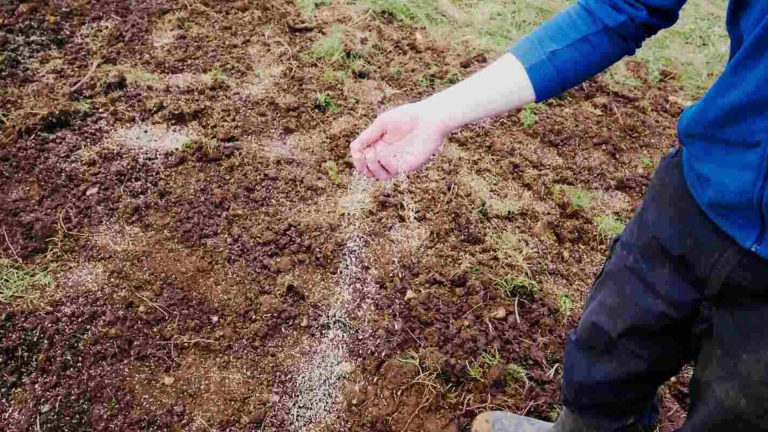
Plant seeds or seedlings after the soil settles. This prevents damage and promotes root growth.
- Wait 2 to 3 days after mixing soil
- Choose planting times based on local climate
- Avoid planting before heavy rain or frost
- Prepare planting holes gently without disturbing soil layers
Credit: randylemmon.com
Frequently Asked Questions
What Is The Best Way To Use A Spade For Soil Mixing?
Use the spade to dig and turn soil in small sections. Break up clumps and mix organic matter evenly. This ensures better soil aeration and nutrient distribution for healthy plant growth.
How Deep Should I Dig When Mixing Soil With A Spade?
Dig about 6 to 12 inches deep when mixing soil. This depth allows proper mixing of nutrients and organic matter. It also improves root penetration and water drainage in the soil.
Can A Spade Improve Soil Quality Effectively?
Yes, a spade effectively loosens compacted soil and mixes amendments well. It helps aerate the soil and promotes better root growth. Regular use improves soil texture and fertility over time.
How Often Should I Use A Spade For Soil Mixing?
Use a spade to mix soil before planting each season. For heavy soils, mixing twice a year is beneficial. Avoid over-tilling to maintain soil structure and beneficial microorganisms.
Conclusion
Using a spade for soil mixing makes gardening easier and faster. It helps break up soil clumps and blends nutrients well. A good mix improves plant growth and soil health. Practice the right techniques to avoid strain and get better results.
Keep your spade clean and sharp for long use. Soil mixing is a simple step that leads to a healthy garden. Give your plants the best start with proper soil preparation. Try these tips and see your garden thrive.