Are your hedge shears feeling a bit dull lately? You’re not alone.
Sharp hedge shears are essential for maintaining a neat and healthy garden, but over time, even the best tools can lose their edge. Imagine slicing through branches effortlessly, each cut as smooth as the last. Sounds satisfying, right? In this guide, you’ll discover simple yet effective tips to bring back that razor-sharp precision to your hedge shears.
By the end of this article, you’ll have all the knowledge you need to keep your garden looking its best and your tools in peak condition. Ready to transform your gardening experience? Let’s dive in!

Credit: www.youtube.com
Choosing The Right Tools
Sharpening hedge shears requires the correct tools to make the job easy and effective.
Picking the right equipment helps keep the blades sharp and safe for use.
Essential Sharpening Equipment
Using proper sharpening tools ensures your hedge shears get a clean, sharp edge.
- Flat or round metal file to remove nicks and shape the blade
- Sharpening stone for fine honing and smooth edges
- Lubricating oil to prevent rust and keep blades moving smoothly
- Cloth or rag for cleaning blades before and after sharpening
- Clamp or vise to hold the shears steady during sharpening
Safety Gear To Use
Wear safety gear to protect yourself from sharp blades and flying metal particles.
| Gear | Purpose |
| Safety glasses | Protect eyes from metal filings |
| Heavy gloves | Prevent cuts on hands |
| Long sleeves | Protect arms from scratches |
| Dust mask | Stop inhaling fine particles |

Credit: www.youtube.com
Preparing Hedge Shears For Sharpening
Keeping your hedge shears sharp makes trimming easier and safer. Proper preparation helps protect the blades and improves sharpening results.
Before sharpening, clean and check the blades carefully. Remove any dirt, sap, or rust that can block the sharpening process.
Cleaning And Inspecting Blades
Start by wiping the blades with a damp cloth to remove loose dirt. Use soapy water for sticky sap or grime. Dry the blades fully to stop rust.
- Look for cracks or deep nicks in the blade edges.
- Check if the blades move smoothly without wobbling.
- Ensure the pivot bolt is tight but allows easy opening and closing.
- Note any blade damage that might need repair before sharpening.
Removing Rust And Debris
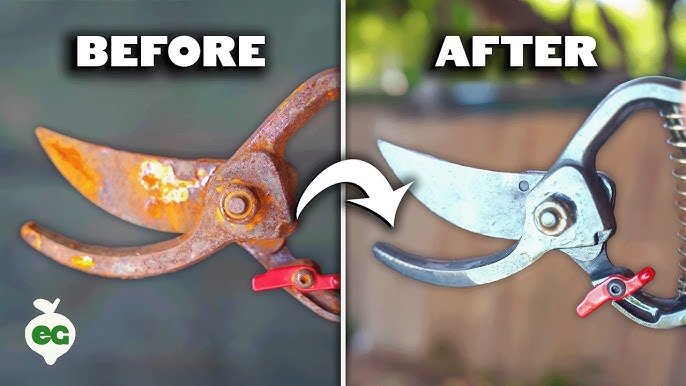
Rust weakens blades and stops sharp edges. Use steel wool or a wire brush to scrub rust spots. For heavy rust, soak the blades in white vinegar for 30 minutes.
| Tool | Use |
| Steel Wool | Scrub light rust and dirt |
| Wire Brush | Remove heavier rust and debris |
| White Vinegar | Soak blades to loosen tough rust |
| Cloth | Dry blades after cleaning |
Sharpening Techniques
Keeping your hedge shears sharp makes cutting easier and cleaner. Dull blades can hurt plants and tire your hands.
There are different ways to sharpen shears. Choose the method that fits your tools and skills best.
Using A Sharpening Stone
Sharpening stones are simple and effective. They work well for small nicks and regular maintenance.
- Clean the blades before sharpening.
- Hold the stone at a 20-degree angle to the blade.
- Move the stone in a circular motion along the blade edge.
- Sharpen both blades evenly.
- Wipe the blades clean after sharpening.
Employing A File For Edges
A metal file can remove rust and reshape dull edges. It is best for rough or very dull blades.
| File Type | Purpose | Blade Angle |
| Flat file | Sharpen straight edges | 20 degrees |
| Mill file | Remove rust and reshape | 25 degrees |
| Round file | Sharpen curved blades | Follow blade curve |
Utilizing A Power Sharpener
Power sharpeners speed up the process. They are great for frequent use and very dull blades.
Tips for using a power sharpener:
- Wear safety glasses to protect your eyes.
- Secure the shears firmly before starting.
- Use light pressure to avoid overheating the blades.
- Sharpen both blades evenly for best results.
- Clean the blades after sharpening to remove residue.
Maintaining Blade Angles
Keeping the right blade angle is key to sharpening hedge shears. It helps the blades cut cleanly and last longer.
Paying attention to the angle during sharpening keeps your tools working well. This guide explains how to maintain these angles.
Ideal Angle For Precision Cuts
The best angle for sharpening hedge shears is usually between 20 and 30 degrees. This angle lets the blades cut through branches smoothly.
Sharp blades with the right angle reduce effort and avoid crushing plants. Keeping this angle helps make precise, clean cuts every time.
- 20–30 degrees for sharp, clean cuts
- Lower angles may dull faster
- Higher angles can cause rough cuts
Consistent Angle Practices
Use a guide or tool to keep the angle steady while sharpening. This makes sure each stroke sharpens the blade evenly.
Sharpen both blades with the same angle. Consistency prevents uneven edges and improves cutting performance.
- Hold the blade at the same angle for each stroke
- Use sharpening jigs or angle guides if possible
- Check the angle regularly during sharpening
- Sharpen both blades equally
Finishing Touches
Sharpening hedge shears makes your garden work easier. After sharpening, some final steps improve blade performance.
These finishing touches keep your shears smooth and rust-free for longer use.
Honing Blades For Smoothness
Use a fine sharpening stone or honing tool to smooth the blade edges. This removes any rough spots left from sharpening.
- Hold the blade at the correct angle to the stone
- Move the blade gently in a circular or sweeping motion
- Check the edge carefully for a consistent sharpness
- Repeat on both blades to keep them balanced
Applying Lubricant To Prevent Rust
After honing, apply a thin layer of lubricant. This helps stop rust and keeps blades moving smoothly.
| Type of Lubricant | Use |
| Light Machine Oil | Protects metal, easy to apply |
| Silicone Spray | Dries quickly, repels water |
| WD-40 | Removes rust and lubricates |
Regular Maintenance Tips
Keeping your hedge shears sharp helps you cut cleanly and easily. Regular care makes the blades last longer and work better.
Simple maintenance after each use prevents rust and damage. Follow these tips to keep your shears in top shape.
Cleaning After Each Use
Remove dirt and sap from blades right after cutting. This stops buildup that dulls the blades and causes rust.
- Wipe blades with a clean cloth to remove debris
- Use soapy water for sticky sap, then dry blades thoroughly
- Apply light oil to blades to prevent rust
- Check for any small nicks or damage on cutting edges
Proper Storage Practices
Store shears in a dry, safe place to avoid damage and rust. Keep blades closed and protected.
| Storage Tip | Reason |
| Hang shears on a wall hook | Keeps blades off the ground and dry |
| Use blade covers or sheaths | Protects sharp edges from nicks |
| Store in a dry toolbox | Prevents moisture buildup and rust |
| Keep away from children and pets | Ensures safety and avoids accidents |
Credit: klevarange.com.au
Frequently Asked Questions
How Often Should I Sharpen My Hedge Shears?
Sharpen hedge shears after every few uses or when cutting becomes difficult. Regular sharpening maintains clean cuts and prevents plant damage. Inspect blades for dullness to decide the right time.
What Tools Do I Need To Sharpen Hedge Shears?
Use a flat file, sharpening stone, or diamond file for best results. These tools help restore blade sharpness evenly. Additionally, use a cloth to clean blades before sharpening.
Can I Sharpen Hedge Shears At Home Safely?
Yes, sharpening at home is safe with proper tools and care. Wear gloves and eye protection. Follow blade angle and sharpen evenly to avoid damage.
Why Is Blade Angle Important When Sharpening?
Maintaining the correct blade angle ensures efficient cutting and blade longevity. Usually, a 20 to 30-degree angle works best for hedge shears. Incorrect angles can dull blades faster.
Conclusion
Sharpening hedge shears keeps your tools working well. Regular care makes cutting easier and cleaner. Dull blades can harm plants and waste effort. Use the right tools and safety steps every time. A sharp blade saves time and energy in the garden.
Keep your shears sharp for better, faster trimming results. Simple habits protect your shears and your plants too. Taking a few minutes to sharpen pays off later. Your garden will look neat with well-maintained shears. Try these tips and enjoy easier hedge trimming.