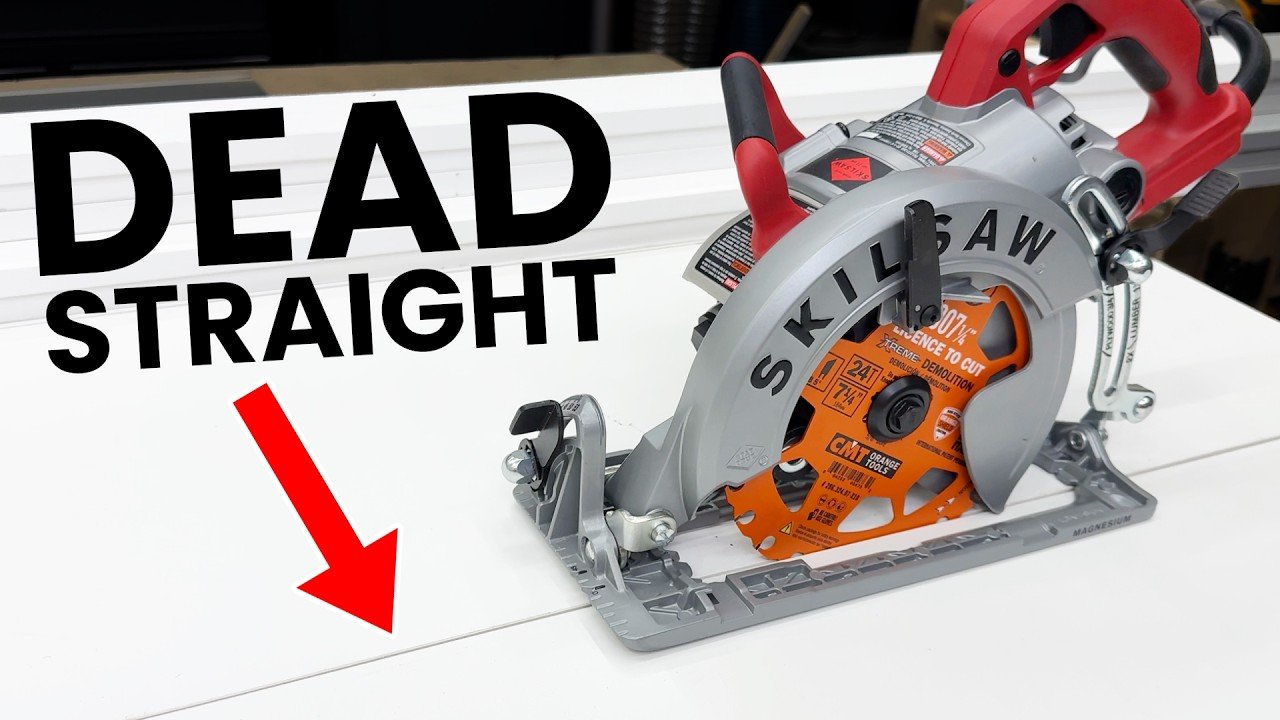
Are you struggling to make perfect angled cuts with your circular saw? You’re not alone.
Angled cuts can be tricky, but mastering them will take your woodworking projects to the next level. Imagine creating clean, precise edges every time without wasting material or time. In this guide, you’ll discover simple tips and techniques that make angled cuts easy and accurate.
Keep reading to unlock the secrets that professionals use to get flawless results with just your circular saw. Your projects deserve that level of precision—and you’re closer than you think.

Credit: www.familyhandyman.com
Choosing The Right Circular Saw
Using a circular saw for angled cuts needs the right tool. The right saw makes cuts clean and safe.
Choosing the right circular saw depends on the type of work and the materials you cut.
Blade Types For Angled Cuts
The blade must suit angled cuts to give smooth edges. Different blades work better for wood, metal, or plastic.
Look for blades made for bevel cuts. They have teeth designed to reduce chipping and splintering.
- Carbide-tipped blades last longer and cut cleaner
- Fine-tooth blades reduce rough edges on angled cuts
- Combination blades work for several materials
Power And Size Considerations
Power affects how easily the saw cuts thick or hard materials. More power means smoother angled cuts.
Size matters because bigger saws handle larger blades. Common sizes include 7-1/4 inch and 6-1/2 inch blades.
- 7-1/4 inch saws cut deeper and are good for thick wood
- 6-1/2 inch saws are lighter and easier to control
- Choose a saw with adjustable bevel for precise angled cuts
Setting Up Your Workspace
Using a circular saw for angled cuts needs a good workspace. Setting it up right helps you cut safely and accurately.
Before you start, prepare your area to avoid mistakes and accidents. Focus on surface stability and proper lighting.
Stable Work Surface
Choose a flat, strong table or workbench. A stable surface keeps your wood steady and helps you make clean cuts.
- Clear the surface of clutter before use
- Use clamps to hold the wood firmly
- Make sure the surface does not wobble
- Check the height is comfortable to avoid strain
Proper Lighting And Safety Gear
| Lighting | Safety Gear |
| Use bright overhead lights | Wear safety glasses to protect eyes |
| Ensure no shadows on cutting area | Wear ear protection to reduce noise |
| Use portable lamps if needed | Wear gloves for hand protection |
Good light helps you see the cutting line clearly. Always wear safety gear to protect yourself from dust and flying debris.
Adjusting The Saw For Angled Cuts
Using a circular saw to make angled cuts needs careful adjustment. Setting the angle right helps you get clean, precise cuts.
Before cutting, adjust the saw blade and lock the settings. This keeps the saw steady and the cut accurate.
Using The Bevel Adjustment
The bevel adjustment changes the blade angle for angled cuts. It lets you tilt the blade left or right to match your cut angle.
To use it, loosen the bevel knob or lever on the saw base. Tilt the blade to the angle you need, usually between 0 and 45 degrees.
- Find the bevel adjustment knob or lever
- Loosen it to allow the blade to tilt
- Move the blade to the desired angle
- Tighten the knob or lever to hold the angle
Securing The Angle Settings
After setting the angle, secure it to prevent movement during cutting. A loose angle can cause uneven or unsafe cuts.
Use the locking mechanism on the saw, usually a knob or lever. Make sure it is tight before starting your cut.
- Double-check the angle measurement
- Tighten the lock firmly
- Test the blade angle by moving the saw slightly
- Adjust and retighten if needed
Marking And Measuring Angles
Making precise angled cuts with a circular saw starts with careful marking and measuring. Accurate lines guide your saw and ensure clean cuts every time.
Using the right tools and following consistent methods help avoid mistakes. This saves wood and time on your project.
Tools For Accurate Marking
Selecting proper marking tools is key for precise angle lines. Common tools include protractors, combination squares, and angle finders.
- Protractor:Measures angles easily from 0° to 180°.
- Combination square:Helps mark 45° and 90° angles quickly.
- Angle finder:Detects existing angles on workpieces for accurate replication.
- Carpenter’s pencil:Marks clear, visible lines on wood surfaces.
Tips For Consistent Measurements
| Tip | Description |
|---|---|
| Double-check measurements | Measure twice before marking to avoid errors. |
| Use a stable surface | Keep wood steady to maintain accuracy during marking. |
| Draw clear lines | Make lines thin but visible for precise cutting guides. |
| Mark reference points | Mark start and end points of angles for clear boundaries. |
| Use tape measure properly | Hold tape flat and tight to get exact measurements. |
Executing The Cut
Making angled cuts with a circular saw requires careful control. This helps you get clean and accurate cuts.
Focus on guiding the saw smoothly and keeping steady pressure. These skills improve your cutting results.
Guiding The Saw Smoothly
Hold the saw firmly but do not force it. Let the blade move naturally along the cut line.
Keep your hand steady and follow the marked angle carefully. Avoid sudden moves that can ruin the cut.
- Start the saw before touching the wood
- Keep the base plate flat on the surface
- Move the saw at a steady, even pace
- Follow the guide or marked line closely
Maintaining Steady Pressure
Apply enough pressure to keep the saw cutting through the wood. Do not push too hard or too soft.
Too much pressure can cause the blade to bind. Too little pressure makes the cut uneven and slow.
- Use your body weight to help push the saw
- Keep pressure consistent throughout the cut
- Adjust pressure if the saw slows down or stalls
- Release pressure gently at the end of the cut
Common Mistakes To Avoid
Using a circular saw for angled cuts needs care and focus. Many make mistakes that cause bad results or danger.
Knowing what errors to avoid helps you cut safely and accurately every time.
Incorrect Angle Settings
Setting the wrong angle on your saw leads to uneven cuts and wasted materials. Check the saw’s angle dial before cutting.
- Use a protractor or angle finder to verify the saw’s tilt.
- Lock the angle adjustment tightly to avoid shifts during cutting.
- Test the cut on scrap wood before the final piece.
Ignoring Safety Precautions
Skipping safety steps can cause serious injuries. Always prepare and protect yourself.
| Safety Precaution | Reason to Follow |
|---|---|
| Wear safety goggles | Protect eyes from flying wood chips |
| Use ear protection | Prevent hearing damage from saw noise |
| Keep hands clear of the blade | Avoid cuts and injuries |
| Clamp the wood firmly | Prevent wood movement and kickback |
| Check blade condition | Ensure smooth and safe cutting |
Finishing Touches
After making angled cuts with a circular saw, the final steps improve the look and fit of your project. Finishing touches make the edges safe and the measurements accurate.
These steps help your work look clean and professional. They also ensure your pieces fit together well.
Sanding And Smoothing Edges
Use sandpaper or a sanding block to smooth rough edges. This removes splinters and sharp spots from the angled cut.
Start with coarse grit sandpaper and then switch to finer grit for a smooth finish. Sand along the edge evenly for the best result.
- Wear a dust mask to protect your lungs
- Sand in the direction of the wood grain
- Use a sanding block for flat edges
- Check edges by running your hand gently over them
Checking For Precision
Measure the angled cut to confirm it matches your plan. Use a protractor or angle finder for accuracy.
Check both length and angle before assembling. Small errors can cause problems later.
- Use a square to check 90-degree angles
- Use an angle finder for other angles
- Compare both sides of the cut
- Make small adjustments if needed

Credit: www.findbuytool.com

Credit: www.youtube.com
Frequently Asked Questions
How Do I Set The Angle On A Circular Saw?
Adjust the bevel angle on your circular saw using the bevel adjustment knob or lever. Set it to your desired angle, usually between 0° and 45°. Lock the adjustment securely before cutting to ensure accuracy and safety during angled cuts.
What Blade Type Is Best For Angled Cuts?
Use a fine-toothed, carbide-tipped blade for clean, precise angled cuts. A blade with more teeth reduces splintering and produces smoother edges, especially on wood. Ensure the blade is sharp for optimal performance and safer cutting.
How Can I Ensure Accuracy In Angled Cuts?
Measure and mark your angle clearly on the material before cutting. Use a speed square or protractor for precise angle measurement. Clamp the workpiece securely to prevent movement, and guide the saw slowly along the marked line.
Is It Safe To Cut Angles With A Circular Saw?
Yes, if you follow safety precautions. Wear protective gear, keep hands away from the blade, and secure the workpiece firmly. Use the saw’s safety features and maintain a stable cutting position to prevent accidents during angled cuts.
Conclusion
Mastering angled cuts with a circular saw boosts your project skills. Safety comes first, so always wear protective gear. Practice makes perfect. Try different angles on scrap wood. You’ll gain confidence over time. The right blade is crucial. Choose one suited for the material.
Keep your saw sharp and clean. This ensures smooth and precise cuts. Follow these tips, and you’ll see improvement. Angled cuts will become second nature. Enjoy the process, and happy cutting!