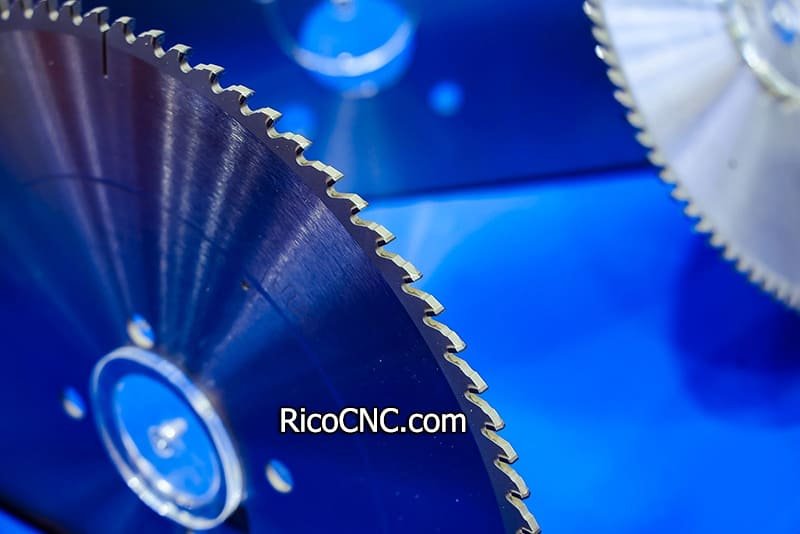
Are you tired of your circular saw struggling through cuts or leaving rough edges? A dull blade might be to blame.
Sharpening your circular saw blades can transform your cutting experience, making it smoother and more efficient. Imagine slicing through wood like a hot knife through butter. This guide will show you how to bring your blades back to life without breaking the bank on new ones.
You’ll be surprised by how a little sharpening can extend the life of your tools and save you money. Ready to discover the secrets to a sharper, more effective saw? Let’s dive in!
Choosing The Right Blade
Selecting the right circular saw blade is important for good cuts. It helps you work safely and get the best results.
This guide covers blade types, materials, and when to sharpen or replace your blade.
Types Of Circular Saw Blades
Circular saw blades come in different types for cutting wood, metal, or other materials. Each blade type has specific teeth shapes and sizes.
- Rip Blades: Made for cutting along the wood grain.
- Crosscut Blades: Designed to cut across the grain smoothly.
- Combination Blades: Can do both ripping and crosscutting.
- Metal Cutting Blades: Have special teeth for cutting metal.
- Masonry Blades: Used for cutting stone or concrete.
Blade Materials And Coatings
Blade material affects durability and cutting quality. Some blades have coatings to reduce heat and friction.
| Blade Material | Features | Common Use |
| Steel | Affordable, less durable | Softwood cutting |
| Carbide-Tipped | Long lasting, stays sharp | Hardwood and metal |
| Diamond-Tipped | Very hard, cuts masonry | Stone and concrete |
| Coatings (e.g. Teflon) | Reduce heat and resin build-up | Prolong blade life |
When To Sharpen Vs. Replace
You should sharpen blades to keep them cutting well. But some signs mean it is time to replace the blade.
- Dull blades cause burning and rough cuts.
- If sharpening does not fix the cut quality, replace the blade.
- Blades with missing or broken teeth must be replaced.
- Worn or bent blades can be unsafe and need replacement.
- Sharpen blades regularly for best performance.
Tools Needed For Sharpening
Sharpening circular saw blades needs the right tools. Using proper tools keeps the blade sharp and safe.
This guide covers manual and electric sharpeners, safety gear, and extra accessories.
Manual Vs. Electric Sharpeners
Manual sharpeners use hand power to sharpen blades. They are simple and cost less but take more time.
Electric sharpeners use motors to speed up the process. They give a more even edge but need power and care.
| Type | Advantages | Disadvantages |
| Manual Sharpener | Low cost, easy to use | Slow, needs effort |
| Electric Sharpener | Fast, precise edge | Needs power, higher price |
Safety Gear Essentials
Safety gear protects your eyes, hands, and ears from harm during sharpening. It is important to wear all needed gear.
- Safety glasses to shield eyes from sparks and debris
- Work gloves to protect hands from cuts and sharp edges
- Ear protection to reduce noise from electric sharpeners
- Dust mask to avoid inhaling metal dust
Additional Accessories
Some extra tools help make sharpening easier and more accurate. These are good to have on hand.
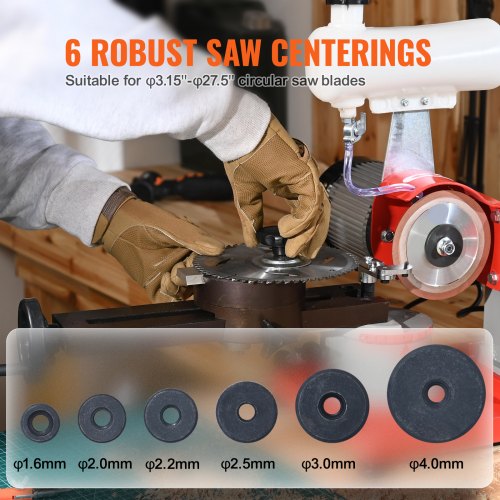
- Blade holder or clamp to keep the saw blade steady
- Whetstone or diamond file for fine edge finishing
- Brush to clean metal dust and filings from the blade
- Lubricant to reduce friction during sharpening
Preparing The Blade
Preparing your circular saw blade is important for safe and effective sharpening. Clean and check the blade before sharpening it.
Take your time to get the blade ready. This helps the sharpening process go smoothly and gives better results.
Cleaning The Blade
Remove dirt, resin, and rust from the blade. Use a brush and cleaning solution made for saw blades. This clears the teeth and edges for better sharpening.
- Soak the blade in warm water and detergent
- Use a soft brush to scrub away buildup
- Rinse and dry the blade completely
- Check for any leftover residue
Inspecting For Damage
Look closely at the blade for cracks, missing teeth, or bent parts. Damaged blades can be dangerous and should be repaired or replaced.
| Type of Damage | What to Do |
| Cracks | Do not use, replace blade |
| Missing Teeth | Sharpen carefully or replace |
| Bent Blade | Try to straighten or replace |
Securing The Blade For Sharpening
Hold the blade firmly to avoid movement during sharpening. Use a clamp or vise to keep it stable and safe.
- Use a clean, flat surface
- Clamp the blade near the center hole
- Protect the teeth with soft padding
- Check stability before sharpening
Credit: www.vevor.com
Sharpening Techniques
Keeping your circular saw blades sharp improves cutting performance and safety. Proper sharpening methods extend the blade’s life and ensure smooth cuts.
This guide covers simple techniques for sharpening circular saw blades. Learn hand filing, electric sharpening, and how to maintain the correct angle.
Using A File For Hand Sharpening
Hand sharpening with a file is a low-cost way to restore blade sharpness. Use a fine-toothed flat file and steady hands for best results.
- Secure the blade firmly in a vise.
- File each tooth by pushing the file across the cutting edge.
- Keep the file angle consistent with the tooth’s original bevel.
- Sharpen all teeth evenly for balanced cutting.
- Remove any burrs by lightly filing the back of the teeth.
Electric Sharpening Methods
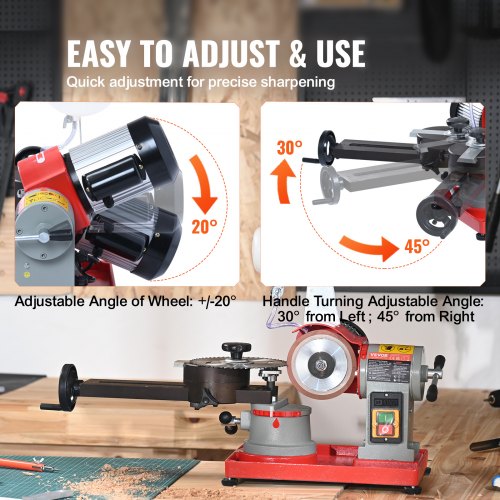
Electric sharpeners use grinding wheels or discs to quickly sharpen saw blades. They offer precision and speed but require careful handling.
| Type | Description | Advantages | Safety Tips |
| Bench Grinder | Fixed grinding wheel for sharpening teeth | Fast sharpening, consistent results | Wear eye protection, avoid overheating blade |
| Dedicated Saw Blade Sharpener | Machine designed specifically for circular saw blades | Precise angles, adjustable settings | Follow manufacturer instructions, clamp blade securely |
| Handheld Rotary Tool | Portable tool with small grinding attachments | Good for touch-ups, easy to handle | Use steady hands, wear protective gear |
Maintaining The Correct Angle
Keeping the right sharpening angle is key to blade performance. Most circular saw blades have a bevel angle between 15 and 25 degrees.
| Blade Type | Bevel Angle | Notes |
|---|---|---|
| General Purpose | 15° – 20° | Balanced for wood cutting |
| Fine Finish | 20° – 25° | Sharper edge for clean cuts |
| Carbide Tipped | 15° – 20° | Requires special sharpening tools |
Use a protractor or angle guide to keep the file or grinder at the correct angle. Consistency prevents damage and keeps cuts smooth.
Post-sharpening Care
Taking care of your circular saw blade after sharpening helps it last longer. Proper care keeps the blade safe and working well.
Follow these simple steps to keep your blade balanced, lubricated, and stored correctly.
Balancing The Blade
Balancing your blade after sharpening prevents wobbling during use. A balanced blade cuts smoothly and reduces wear on your saw.
Use a blade balancer tool to check the weight distribution. Adjust by removing a little metal from the heavy side if needed.
- Place the blade on the balancer
- Check if one side dips lower
- File the heavy side edges carefully
- Repeat until the blade stays level
Lubrication Tips
Lubricate your blade to prevent rust and reduce friction. Use a light oil or blade lubricant for best results.
Apply a thin layer on the blade surface and teeth after cleaning. Wipe off any excess to avoid attracting dust.
- Clean the blade before applying oil
- Use a soft cloth to spread lubricant
- Cover all metal parts evenly
- Store the blade dry to keep the lubricant effective
Proper Storage
Store your sharpened blade in a safe, dry place. Proper storage protects the blade from damage and rust.
Use blade covers or hang the blade on a wall rack to avoid contact with hard surfaces.
- Keep blades in blade cases or sleeves
- Hang blades on hooks or racks
- Avoid stacking blades directly on each other
- Store blades away from moisture and dust
Credit: prosharpeningsupply.com
Safety Tips During Sharpening
Sharpening circular saw blades can be risky without safety care. Taking simple steps protects you and your tools.
Use the right tools and stay alert to avoid accidents. Safety helps keep your blades sharp and your hands safe.
Handling Sharp Blades
Always wear thick gloves when touching the blade. Sharp edges can cut skin easily even if you are careful.
Hold the blade by the center hole or the teeth tips. Avoid grabbing the blade flat to prevent slips.
- Use gloves made for cut resistance
- Keep blades away from your body
- Do not rush or use force when handling
Avoiding Common Mistakes
Do not sharpen a blade with cracks or missing teeth. This can cause the blade to break during use.
Never use dull or damaged sharpening tools. They can slip and cause injuries or damage your blade.
- Inspect blades before sharpening
- Use proper sharpening stones or tools
- Do not force the blade into the sharpener
- Keep tools clean and in good condition
Work Area Setup
Set up your workspace in a well-lit, clean area. This helps you see the blade clearly and avoid mistakes.
Keep the area free from clutter and distractions. This reduces the risk of accidents and helps you focus.
- Use a stable workbench or table
- Have good lighting over the sharpening area
- Keep tools and materials organized
- Wear safety glasses to protect your eyes
Extending Blade Life
Keeping your circular saw blade sharp helps it last longer. A sharp blade cuts better and is safer to use.
This guide covers how to maintain your blade, use it properly, and spot signs of wear early.
Regular Maintenance Schedule
Performing routine checks keeps your blade in good shape. Clean and sharpen it often to avoid damage.
- Remove pitch and resin buildup after each use.
- Inspect for cracks or missing teeth monthly.
- Sharpen the blade every 20 to 30 hours of cutting.
- Store the blade in a dry place to prevent rust.
- Balance the blade to reduce vibration during use.
Using The Blade Correctly
How you use the blade affects its lifespan. Use the right blade for each material and avoid forcing cuts.
| Material | Recommended Blade Type | Cutting Tips |
| Softwood | General-purpose blade | Use steady pressure, avoid overheating |
| Hardwood | Fine-tooth blade | Cut slowly to keep teeth sharp |
| Plywood | Crosscut blade | Support material to reduce splintering |
| Metal | Specialized metal-cutting blade | Use coolant and low speed |
Signs Of Blade Wear
Watch for these signs to know when the blade needs attention. Early detection saves time and money.
- The blade heats up quickly during cuts.
- Cut edges become rough or burned.
- The saw motor slows down or strains.
- Teeth appear dull, chipped, or missing.
- The blade wobbles or vibrates more than usual.
Credit: www.vevor.com
Frequently Asked Questions
How Often Should I Sharpen Circular Saw Blades?
Sharpen circular saw blades after 20-30 hours of use. Dull blades reduce cutting efficiency and increase safety risks. Regular sharpening maintains clean cuts and prolongs blade life. Check blade sharpness frequently for optimal performance.
What Tools Are Needed To Sharpen Circular Saw Blades?
You need a diamond file, blade holder, and safety gloves. A blade sharpening jig helps maintain consistent angles. Alternatively, you can use a professional sharpening machine for precise results. Always follow safety guidelines during sharpening.
Can I Sharpen Circular Saw Blades At Home?
Yes, you can sharpen blades at home with proper tools. Use a diamond file or handheld sharpener carefully to maintain angles. Ensure the blade is clean and secure before sharpening. Home sharpening saves costs and extends blade life.
How Do I Know When A Circular Saw Blade Is Dull?
Signs include burning wood, rough cuts, and increased effort. Dull blades cause smoke and splintering on wood surfaces. If cuts feel slow or uneven, sharpening is needed. Regular inspection prevents damage and improves safety.
Conclusion
Keeping your circular saw blades sharp saves time and effort. Dull blades slow down work and can be dangerous. Regular sharpening keeps cuts clean and precise. You can sharpen blades at home with simple tools. Always follow safety steps to avoid accidents.
A sharp blade makes your projects easier and better. Take care of your blades to extend their life. Sharp blades mean safer, smoother, and faster cutting every time.