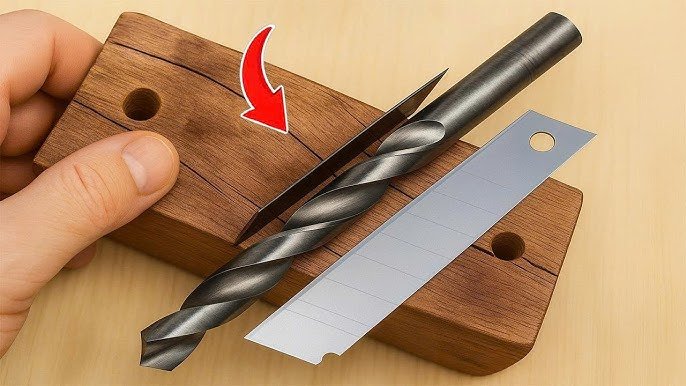
Have you ever felt the frustration of drilling with a dull bit? It slows you down, ruins your wood, and steals the joy from your woodworking projects.
You put your heart into your craft, and you deserve tools that match your passion. The good news? You can restore your drill bits to their former glory with just a little know-how. In this guide, you’ll discover the secrets to sharpening drill bits with ease.
Imagine the satisfaction of watching your tools slice effortlessly through wood, leaving clean, precise holes every time. Ready to transform your woodworking experience? Let’s dive into the art of sharpening, so you can get back to creating with confidence.
Credit: www.msn.com
Types Of Drill Bits For Wood
Drilling into wood needs the right drill bits. Different bits suit different wood types and tasks.
Choosing the right bit helps you make clean, accurate holes. It also protects the wood from splitting.
Common Wood Drill Bits
Common wood drill bits are designed for general woodworking. They work well with soft and hard wood.
These bits are easy to find and use. They create smooth holes for screws and dowels.
- Twist Bits: Most common, good for soft wood and light tasks.
- Brad Point Bits: Have a sharp tip to start holes precisely without slipping.
- Spade Bits: Flat with a sharp edge, great for large holes quickly.
- Auger Bits: Long spiral shape, ideal for deep holes in thick wood.
Specialty Bits For Woodworking
Specialty bits handle specific woodworking needs. They help with fine details and larger holes.
These bits offer clean cuts and reduce damage to the wood. They are great for professional work.
- Forstner Bits: Make flat-bottom holes with smooth edges, used for hinges and furniture.
- Hole Saw Bits: Cut large diameter holes for pipes or wiring through wood.
- Countersink Bits: Create a cone-shaped hole for screw heads to sit flush.
- Dowel Bits: Designed to drill precise holes for wooden dowels in joinery.

Credit: www.youtube.com
Signs Your Drill Bits Need Sharpening
Drill bits used for woodworking wear out over time. Knowing when to sharpen them saves time and effort.
Sharp drill bits make clean holes and work efficiently. Dull bits cause problems and damage wood.
Reduced Drilling Efficiency
Dull drill bits take longer to drill holes. You may feel more pressure is needed to push the bit.
Bits that need sharpening may cause the drill to overheat. This slows down your work and tires your hands.
- Drilling takes longer than usual
- More force needed to drill
- Drill motor slows down or stalls
- Heat builds up quickly around the bit
Visible Wear And Damage
Look closely at the edges of the drill bit. Dull or rounded edges show the bit needs sharpening.
Chips or cracks on the bit cause poor results and can break the wood. This damage means sharpening or replacement.
- Edges appear rounded or blunt
- Bits have small chips or cracks
- Surface looks scratched or worn
- Bit no longer cuts clean holes
Tools Needed For Sharpening
Sharpening drill bits for woodworking helps keep them effective and safe. Using the right tools makes the job easier and more precise.
This guide covers basic and advanced tools you can use to sharpen your drill bits.
Basic Sharpening Tools
Basic tools are easy to find and simple to use. They work well for small sharpening jobs and beginners.
These tools help you reshape the cutting edges and remove dull metal.
- Bench Grinder: A spinning wheel that grinds the drill bit’s edge.
- Diamond File: A small file with diamond grit for fine sharpening.
- Flat File: Used for smoothing rough edges and shaping.
- Safety Gear: Gloves and goggles protect your hands and eyes.
- Marker Pen: Marks the drill bit tip to guide sharpening.
Advanced Equipment Options
Advanced tools offer more precision and speed. They suit frequent users or those sharpening many drill bits.
These machines help keep the correct angle and produce consistent results.
- Drill Bit Sharpener Machine: Automatically sharpens bits with set angles.
- Rotary Tool with Grinding Attachments: Allows detailed control on small bits.
- Sharpening Jigs: Hold the drill bit steady for uniform sharpening.
- Angle Guides: Help maintain the proper sharpening angle.
- Magnifying Glass or Lighted Loupe: Improves visibility of edges.

Credit: www.techmatrixconsulting.com
Step-by-step Sharpening Process
Sharpening drill bits helps keep your tools effective and safe. Dull bits can cause poor cuts and damage wood.
This guide shows simple steps to sharpen drill bits for woodworking. Follow each step carefully for best results.
Preparing The Drill Bit
Start by cleaning the drill bit. Remove dirt, grease, and rust using a cloth or brush.
Check the bit for cracks or deep damage. Replace bits that are too worn out.
- Wear safety glasses before handling the bit
- Use a vise to hold the bit steady
- Mark the cutting edges with a marker for better focus
Sharpening Techniques
Use a bench grinder or sharpening tool to sharpen the bit. Keep the bit cool by dipping it in water.
Move the bit gently against the grinding wheel. Keep a steady hand and follow the original shape.
- Sharpen both cutting edges evenly
- Avoid removing too much metal to keep the bit balanced
- Use slow, smooth strokes for better control
Checking The Bit Angle
The angle of the drill bit affects cutting performance. Most wood bits use a 118-degree angle.
Use a protractor or angle gauge to check the edge. Adjust sharpening if the angle is off.
- Check both cutting edges for equal angles
- Maintain the correct angle to prevent bit walking
- Re-sharpen if edges look uneven or dull
Safety Tips During Sharpening
Sharpening drill bits is important for good woodworking results. Safety must come first while you sharpen.
This guide covers key safety tips to protect yourself during the sharpening process.
Protective Gear
Wear proper protective gear to avoid injuries when sharpening drill bits.
- Safety glasses to protect your eyes from metal shards
- Gloves to shield your hands from sharp edges and heat
- Hearing protection if using loud sharpening machines
- Dust mask to avoid inhaling metal dust
Proper Handling
Handle drill bits and tools carefully to prevent accidents during sharpening.
| Safety Action | Reason |
| Keep drill bit firmly in place | Prevents slipping and injury |
| Use steady, even pressure | Avoids breakage and uneven sharpening |
| Turn off power tools before adjustments | Stops unexpected starts |
| Work in well-lit area | Improves visibility and control |
Maintaining Sharp Drill Bits
Keeping drill bits sharp is important for safe and accurate woodworking. Sharp bits cut wood cleanly and reduce splintering.
Maintaining sharpness extends the life of your drill bits. Regular care helps avoid dull edges and costly replacements.
Regular Cleaning
Dirt and resin build-up can dull drill bits quickly. Clean bits after each use to keep them sharp and effective.
Use a brush or cloth to remove wood chips and dust. For sticky resin, a small amount of rubbing alcohol works well.
- Wipe bits with a dry cloth after every use
- Use a soft brush to remove stuck particles
- Apply rubbing alcohol for resin removal
- Dry bits fully before storage
Proper Storage
Store drill bits in a dry place to prevent rust. Moisture damages the metal and dulls the cutting edge.
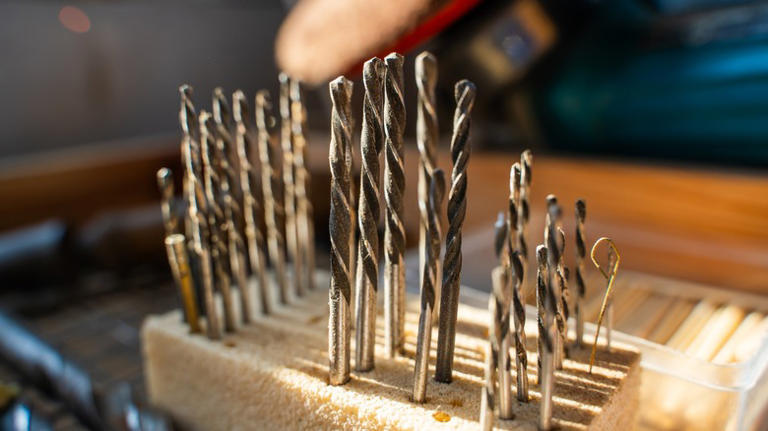
Use a case or rack to keep bits organized. Avoid loose storage that causes bits to bump and chip.
- Keep bits in a dry toolbox or drawer
- Use bit holders or foam racks for protection
- Separate bits by size to avoid damage
- Check bits regularly for rust or wear
Common Mistakes To Avoid
Sharpening drill bits for woodworking needs care. Avoid mistakes that can damage your tools.
Knowing what not to do helps you keep your drill bits sharp and safe to use.
Overheating The Bit
Overheating happens when you sharpen too fast or press too hard. It can ruin the bit’s hardness.
When the bit gets hot, it loses strength and wears out quickly. Cooling it down is important.
- Use light pressure while sharpening
- Take breaks to let the bit cool
- Use water or oil to cool the bit
- Sharpen slowly for better control
Incorrect Angles
Sharpening at the wrong angle makes the bit cut poorly. It can cause wood damage or bit breakage.
The correct angle keeps the bit sharp longer and drills smoothly. Check your bit’s original angle first.
- Use a guide or jig for consistent angles
- Match the bit’s original angle (usually 118° or 135°)
- Keep both cutting edges even and balanced
- Sharpen slowly and check often
Frequently Asked Questions
How Do I Sharpen Drill Bits For Woodworking?
To sharpen woodworking drill bits, use a bench grinder or sharpening tool. Maintain the original angle and sharpen both cutting edges evenly for a clean, precise cut.
When Should I Sharpen My Drill Bits?
Sharpen drill bits when they become dull, cause burning, or produce rough holes. Regular sharpening ensures efficient cutting and prolongs bit life.
Can I Sharpen Drill Bits Without Special Tools?
Yes, you can use a diamond file or sharpening stone for minor touch-ups. However, a bench grinder offers faster, more precise sharpening.
What Angle Is Best For Sharpening Wood Drill Bits?
A 118-degree angle is standard for woodworking drill bits. This angle balances cutting efficiency and durability for clean wood drilling.
Conclusion
Sharpening drill bits keeps your woodworking tools effective. It saves money by extending bit life. Sharp bits make cleaner holes and reduce wood damage. Regular sharpening improves safety during projects. Practice sharpening to gain confidence and skill. Use the right tools and follow proper steps.
Keep bits sharp for better woodworking results every time. Take care of your tools; they work better and last longer. Simple habits lead to strong, precise woodworking projects.