
Have you ever felt overwhelmed by the thought of using a table saw to cut MDF? You’re not alone.
Many DIY enthusiasts and even seasoned woodworkers find themselves hesitant when it comes to this task. But what if I told you that mastering this skill could unlock a world of possibilities for your projects? Imagine crafting sleek, professional-quality pieces with ease and precision.
By understanding the right techniques and safety tips, you can transform this daunting task into an empowering experience. Ready to discover the secrets to cutting MDF like a pro with a table saw? Dive into the full article and equip yourself with the knowledge you need to achieve flawless results every time.
Choosing The Right Blade
Using the correct blade is important for cutting MDF cleanly and safely. The right blade helps avoid chipping and makes smooth cuts easier.
Different blades suit different cutting needs. Knowing which blade to pick will improve your work with MDF on a table saw.
Blade Types For Mdf
MDF is dense and can burn or chip easily if cut with the wrong blade. Choose blades designed for fine, clean cuts on wood composites.
- Carbide-tipped blades last longer and stay sharp on MDF.
- Triple-chip grind (TCG) blades reduce splintering and give smooth edges.
- Fine-tooth blades help prevent rough cuts and tear-out.
Tooth Count And Material
The number of teeth and the blade material affect the cut quality on MDF. A higher tooth count usually means a smoother finish.
| Tooth Count | Effect |
| 40-50 Teeth | Fast cuts but rougher edges |
| 60-80 Teeth | Smoother cuts, less tear-out |
| 100+ Teeth | Very smooth, best for fine work |
| Carbide Material | Sharp and durable for MDF |
| Steel Blades | Dull faster, not recommended |
Blade Maintenance Tips
Keeping your blade clean and sharp is key for good MDF cuts. A dull blade makes rough cuts and strains your saw.
- Clean resin and dust buildup after every use.
- Sharpen or replace blades regularly.
- Check blade alignment to avoid uneven cuts.
- Use blade lubricant to reduce friction and heat.

Credit: www.reddit.com
Setting Up The Table Saw
Setting up your table saw correctly is important for clean cuts on MDF. Good setup helps keep you safe and makes your work easier.
Before cutting, check your blade, fence, and safety parts. Adjust each part carefully for the best results.
Adjusting Blade Height
Set the blade height so it is just above the thickness of the MDF. This helps reduce tear-out and gives a smooth cut.
Raise the blade about 1/8 to 1/4 inch above the material. Too high can be unsafe; too low can cause rough edges.
- Turn off the saw before adjusting the blade.
- Use the height adjustment wheel or lever.
- Check blade height with a ruler or eye level.
- Lock the blade height in place once set.
Fence Alignment
The fence guides the MDF for straight cuts. Make sure it is parallel to the blade to avoid binding.
Check the fence by measuring the distance from the blade at the front and back. Adjust it until both distances are the same.
- Unlock the fence locking lever.
- Slide the fence to the desired measurement.
- Use a tape measure or combination square to check alignment.
- Lock the fence firmly before cutting.
Safety Guards And Accessories
Use the safety guard to cover the blade. It protects your fingers from accidental contact.
Other accessories like a riving knife and anti-kickback pawls help prevent kickback and improve safety.
- Check that the blade guard is clean and moves freely.
- Install the riving knife behind the blade.
- Use push sticks or push blocks to keep hands away.
- Wear safety glasses and hearing protection.
Preparing Mdf For Cutting
Cutting MDF requires careful preparation to get clean and accurate results. Proper setup helps avoid mistakes and keeps your work safe.
Focus on measuring, supporting the material, and managing dust before you start cutting. These steps make the process smoother and safer.
Measuring And Marking
Measure your MDF sheet carefully with a tape measure or ruler. Mark the cutting lines clearly using a pencil or chalk.
- Double-check measurements before marking.
- Use a straight edge for drawing lines.
- Mark both sides of the sheet if possible.
- Label the cut pieces to avoid confusion.
Supporting Large Sheets
Large MDF sheets need good support to prevent bending and ensure a straight cut. Use stable surfaces and extra stands if needed.
| Support Tool | Description |
| Workbenches | Strong and flat surface for small sheets |
| Sawhorses | Adjustable height support for large sheets |
| Roller Stands | Help move and hold sheets steady |
| Clamps | Keep MDF from shifting during cutting |
Dust Management Strategies
MDF dust can harm your lungs and make a mess. Use dust collection tools and wear protection to stay safe.
- Connect a vacuum or dust extractor to your table saw.
- Wear a dust mask or respirator.
- Cut MDF in a well-ventilated area.
- Clean up dust regularly to avoid buildup.
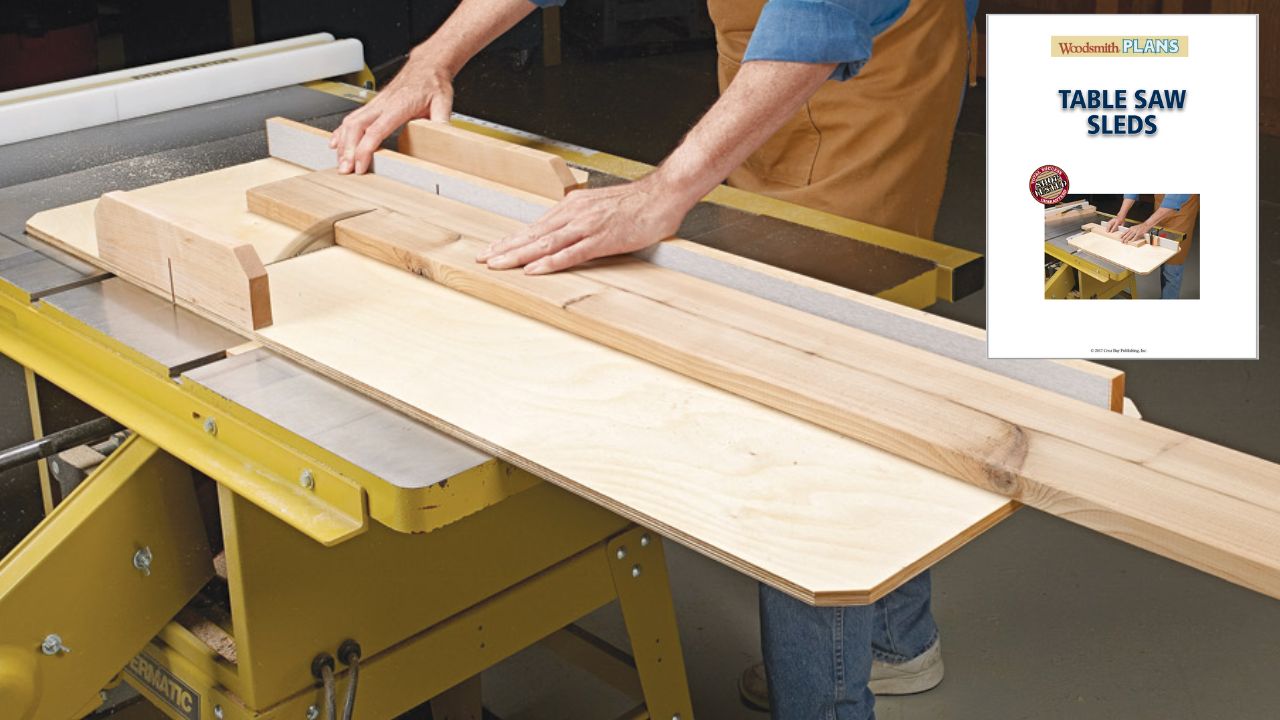
Credit: www.woodsmith.com
Cutting Techniques
Cutting MDF with a table saw needs care and skill. Using the right technique gives smooth and accurate cuts.
This guide explains how to make straight cuts, bevel cuts, and reduce tear-out on MDF.
Straight Cuts
For straight cuts, use a sharp blade designed for MDF. Keep the fence tight to guide the board.
Feed the MDF slowly and steadily. Avoid pushing too fast to prevent rough edges.
- Set the blade height slightly higher than board thickness
- Use a zero-clearance insert if possible
- Hold the board firmly against the fence
- Keep hands clear of the blade path
Bevel Cuts
Adjust the blade angle to make bevel cuts. Common bevel angles are 45 and 30 degrees.
Support the MDF fully and feed it evenly. Use a push stick for safety with narrow pieces.
- Check the bevel angle before cutting
- Use a guide or fence to keep the cut straight
- Slow feed rate helps avoid chipping
- Wear safety glasses and ear protection
Reducing Tear-out
Tear-out happens when fibers pull away at the cut edge. MDF can chip if not cut carefully.
Use these tips to reduce tear-out and get clean edges.
- Use a blade with many fine teeth
- Place masking tape along the cut line
- Score the cut line with a utility knife first
- Cut with the good side down to protect the top surface
- Slow and steady feed reduces chipping
Safety Tips
Using a table saw to cut MDF can be dangerous without safety measures. MDF dust and blade kickback pose health and injury risks. Follow safety tips to protect yourself while working.
Always prepare before cutting MDF. Wear the right gear, control dust, and avoid kickback for a safer work environment.
Personal Protective Equipment
Wear protective gear to reduce injury risks. MDF cutting creates fine dust and loud noise. Eye and ear protection are important.
- Safety glasses to protect your eyes from dust and chips
- Earplugs or earmuffs to reduce noise from the saw
- A dust mask or respirator to prevent breathing in harmful MDF dust
- Gloves to protect hands from splinters and sharp edges
- Wear snug clothing and avoid loose sleeves or jewelry
Handling Mdf Dust
MDF dust contains fine particles and chemicals that harm lungs. Control dust to keep your work area clean and safe.
| Method | Benefit |
|---|---|
| Use a dust extraction system | Captures dust at the source and reduces airborne particles |
| Work in a well-ventilated area | Improves air flow and lowers dust concentration |
| Clean work surfaces regularly | Prevents dust buildup and slipping hazards |
| Wear a respirator rated for fine dust | Protects lungs from harmful MDF particles |
Avoiding Kickback
Kickback happens when the wood is thrown back suddenly. It can cause severe injuries. Use these tips to reduce kickback risk.
- Keep the blade sharp and clean for smooth cuts
- Use a riving knife or splitter to keep the cut open
- Hold MDF firmly against the fence and table
- Feed the wood at a steady, controlled speed
- Never reach over the blade while it is spinning
- Stand to the side of the blade, not directly behind it
Finishing Touches
After cutting MDF with a table saw, finishing touches improve its look and strength. Proper finishing helps your project last longer.
Focus on smoothing edges, sealing cut surfaces, and keeping cut quality high for the best results.
Sanding Edges
Sanding removes rough spots and splinters from MDF edges. Use fine-grit sandpaper for a smooth finish.
Always sand along the edge to keep it even and straight. Avoid sanding too much to prevent damage.
- Start with 120-grit sandpaper
- Finish with 220-grit for smoothness
- Use a sanding block for even pressure
- Wear a mask to avoid dust inhalation
Sealing Cut Surfaces
MDF absorbs moisture easily. Sealing the cut edges protects it from swelling and damage.
Use a good quality primer or sealant designed for MDF. Apply evenly on all cut surfaces.
- Choose water-based or oil-based sealers
- Apply with a brush or roller
- Let the sealant dry fully before handling
- Repeat sealing for better protection
Maintaining Cut Quality
Keep your table saw blade sharp and clean for smooth cuts. Dull blades cause rough edges and tear-out.
Check blade alignment and fence accuracy to ensure straight cuts every time.
- Clean resin and pitch from the blade regularly
- Use the right blade type for MDF
- Keep the fence parallel to the blade
- Use a push stick for safety and control

Credit: www.youtube.com
Frequently Asked Questions
How Do I Safely Cut Mdf With A Table Saw?
Always wear safety glasses and a dust mask when cutting MDF. Use a sharp blade designed for fine cuts. Adjust the blade height to just above the material thickness. Keep hands clear and use push sticks for narrow cuts to ensure safety.
What Blade Type Is Best For Cutting Mdf?
A carbide-tipped blade with 60 to 80 teeth is ideal for cutting MDF. It provides clean, smooth cuts and reduces chipping. Avoid blades with fewer teeth, as they can cause rough edges and excessive dust production.
How Can I Reduce Dust When Cutting Mdf?
Use a dust collection system attached to your table saw. Cut in a well-ventilated area or outdoors if possible. Wearing a dust mask protects your lungs. Additionally, slow and steady cutting helps minimize dust clouds.
What Settings Should I Use On My Table Saw For Mdf?
Set the blade height slightly higher than the MDF thickness. Use a moderate feed rate to avoid burning or chipping. Ensure the fence is secure to keep cuts straight and accurate. Double-check blade alignment before starting your cuts.
Conclusion
Using a table saw to cut MDF can be safe and accurate. Always wear safety gear and keep your hands clear of the blade. Take your time to measure and mark your cuts carefully. Use a sharp blade made for MDF to avoid rough edges.
Clean the sawdust often to keep your workspace clear. Practice on scrap pieces before cutting your final material. With care and patience, your cuts will be smooth and precise. This simple process helps you work confidently with MDF every time.
